Definition and Purpose
A conveyor belt repair machine is a specialized device designed to repair, restore, and maintain conveyor belts that have experienced damage, wear, or degradation. Conveyor belts are the backbone of material handling in industries like mining, manufacturing, logistics, and warehousing. Damage to belts can result from heavy loads, abrasive materials, cutting, tearing, or prolonged operational stress. Conveyor belt repair machines allow operators to fix these issues efficiently, preventing costly downtime and prolonging the life of the belt.
These machines work by applying techniques such as hot or cold vulcanization, mechanical fastening, adhesive bonding, or combination methods depending on the belt type and nature of the damage. The goal is to restore the belt to its original structural integrity and ensure smooth, safe operation.
Importance in Various Industries
Conveyor belts are essential components in many industries:
In all these industries, the ability to repair conveyor belts quickly, reliably, and safely is crucial. Conveyor belt repair machines provide the tools and precision needed to perform these tasks efficiently.
Brief Overview of Different Types
There are several types of conveyor belt repair machines, each with unique methods and applications:
Downtime Reduction
Conveyor belts are critical to the continuous operation of many industrial processes. When a belt fails, the entire system can be halted, leading to downtime that can be expensive and disruptive. Conveyor belt repair machines minimize downtime by providing rapid, reliable repairs that allow operations to resume quickly. Efficient repair processes ensure that production lines, material transport systems, and logistics operations experience minimal disruption.
Cost Savings
Replacing a damaged conveyor belt can be very expensive, particularly for high-quality belts used in heavy-duty industrial applications. Using repair machines to restore the belt extends its service life and reduces the frequency of replacements. Additionally, in-house repairs avoid the need for outsourcing maintenance work, which can be costly and time-consuming. Repair machines also reduce labor costs by simplifying the repair process and minimizing manual intervention.
Safety Improvements
Damaged belts can pose significant safety risks. A torn or frayed conveyor belt can snap unexpectedly, causing materials to fall or creating hazards for operators. Repair machines ensure that belts are restored safely and correctly, preventing accidents, injuries, or equipment damage. Maintaining belts in good condition helps create a safer working environment.
Operational Efficiency
A well-maintained conveyor belt operates more efficiently, with fewer interruptions and consistent performance. Using a repair machine ensures the belt’s structural integrity, enabling it to handle expected loads and operational stress. This results in increased throughput, better productivity, and more reliable industrial processes.
Mechanism and Process
Hot vulcanizing presses repair conveyor belts by applying both heat and pressure to bond rubber materials. The process involves the following steps:
The combination of heat and pressure chemically fuses the patch to the original belt material, restoring tensile strength, flexibility, and durability.
Advantages and Disadvantages
Advantages:
Disadvantages:
Applications
Hot vulcanizing presses are ideal for:
Mechanism and Process
Cold vulcanizing systems repair belts using chemical adhesives that cure at room temperature. The process involves:
This method does not require heat, making it faster and easier for minor or urgent repairs.
Advantages and Disadvantages
Advantages:
Disadvantages:
Applications
Mechanism and Process
Mechanical fastening tools repair conveyor belts by physically joining the damaged ends or sections using metal fasteners, clips, or bolts. The process involves:
This method provides a fast, practical solution when adhesives or heat are not feasible.
Advantages and Disadvantages
Advantages:
Disadvantages:
Applications
Mechanism and Process
Portable repair tools are compact, mobile machines designed for on-site repairs of conveyor belts. They are usually lightweight and may be powered manually, electrically, or pneumatically. Portable tools can perform small vulcanization repairs or mechanical fastening. The process involves:
Advantages and Disadvantages
Advantages:
Disadvantages:
Applications
Importance of Adequate Pressure
The clamping force is critical for achieving a durable and reliable repair. If the pressure is too low, the repair patch may not bond properly to the belt, resulting in weak joints or delamination. Conversely, excessive pressure can deform the belt material, reduce elasticity, or create uneven thickness at the repair site. Optimal clamping force ensures uniform bonding, restores tensile strength, and maintains the belt’s flexibility.
Typical clamping pressure for hot vulcanizing presses ranges from 10 to 20 bars for standard industrial belts. For thicker or heavy-duty belts, some presses provide pressures up to 30 bars. Portable and cold vulcanizing systems usually operate at lower pressures, typically 5–10 bars, sufficient for small-scale repairs or low-tension belts.
How to Determine the Right Force for Your Belts
The optimal pressure depends on several factors:
Operators should refer to the belt manufacturer’s recommendations and use a pressure gauge integrated with the repair machine for accurate settings.
Importance of Temperature Regulation in Vulcanization
Temperature control is essential, particularly for hot vulcanizing presses. Proper temperature ensures complete curing of the repair patch, uniform bonding, and prevention of under- or over-vulcanization. Too low a temperature results in incomplete curing, weak bonding, and frequent failures. Too high a temperature can burn or degrade the belt, weakening its strength and reducing operational lifespan.
Types of Temperature Control Systems
Standard operating temperatures for rubber belt vulcanization usually range from 140°C to 170°C. Some heavy-duty belts may require temperatures up to 180°C for effective bonding.
Benefits of Automated Systems
Automation improves repair consistency, reduces human error, and enhances operational efficiency. Features of automated conveyor belt repair machines include:
Automated machines are especially useful in high-volume repair operations, where maintaining uniform repair quality is critical. They can reduce repair errors by up to 30% compared to manual systems.
Types of Control Panels and Interfaces
Considerations for On-Site Repairs
Portability is crucial for industries that operate in remote or dynamic locations, such as mining, construction, or outdoor logistics. Portable machines allow repairs to be performed directly at the site, minimizing downtime and avoiding the need to transport heavy belts to a workshop. Key factors include:
Ergonomic Design Features
Well-designed machines reduce operator fatigue and improve repair efficiency. Features include:
Ergonomic designs are especially important in high-volume operations where repairs are frequent and operators spend extended periods using the machine.
Type of Conveyor Belt
The first step in selecting a conveyor belt repair machine is to assess the type of belt you are using. Different belts—rubber, PVC, PU, or fabric-based—have different repair requirements:
Understanding belt material, thickness, and reinforcement structure helps determine the repair method and the appropriate machine type.
Frequency of Repairs
Consider how often repairs are needed. For high-volume operations with frequent belt wear, investing in a robust, automated repair machine may be more cost-effective. For occasional repairs, portable or manual tools may suffice.
On-Site vs. Off-Site Repairs
Determine whether repairs will typically be performed on-site or in a workshop:
Budget Considerations
Budget impacts the type of machine you can purchase. Higher-end machines offer advanced automation, digital controls, and durability but come with a higher initial investment. Simpler machines are more affordable but may require more manual effort and maintenance. Balancing budget with operational needs is key to ensuring ROI.
Evaluating Features and Specifications
Compare key specifications before making a purchase:
Use these specifications to match the machine to your operational requirements, ensuring it can handle the type, thickness, and frequency of repairs your belts require.
Reading Reviews and Testimonials
Gather information from other operators who have used similar machines. Focus on:
Reviews and testimonials offer practical insight into performance, maintenance needs, and potential limitations of the machine.
Consulting with Experts
Industry experts or technical consultants can provide guidance on selecting the most appropriate machine. They can evaluate your conveyor system, repair frequency, belt types, and operational environment to recommend the best solution. Expert consultation is especially valuable for large-scale operations or specialized belt systems.
Initial Investment
The initial cost of a conveyor belt repair machine depends on its type, features, and automation level:
Long-Term Cost Savings
While the upfront investment may be significant, long-term savings often justify the cost. Benefits include:
In many cases, ROI is achieved within a few months to a year of machine usage, depending on repair frequency and industrial scale.
Maintenance Costs
Ongoing maintenance costs should be factored into the total cost of ownership. These include:
Regular maintenance not only ensures reliable performance but also prolongs machine lifespan, making the investment more cost-effective over time.
Importance of Keeping the Machine Clean
Maintaining a clean conveyor belt repair machine is critical for optimal performance and long-term durability. Dust, dirt, grease, and adhesive residues can accumulate on components such as the clamping system, heating plates, rollers, and electrical contacts. These contaminants may interfere with accurate pressure distribution, temperature regulation, or mechanical operation, resulting in uneven repairs or reduced machine lifespan. Regular cleaning ensures smooth operation, prevents mechanical failures, and enhances repair quality.
Checklist for Regular Inspections
A structured inspection routine can help detect issues early and maintain safe operation:
Ensuring Accurate Temperature and Pressure
Over time, machine settings may drift due to mechanical wear, temperature fluctuations, or hydraulic issues. Regular calibration ensures:
Calibration tools may include pressure gauges, digital temperature sensors, and test strips to verify uniform curing.
Adjusting Settings for Different Belt Types
Each belt material, thickness, and reinforcement type requires specific settings. For example:
Adjusting machine settings ensures consistent repair quality across various belt types.
Identifying and Resolving Common Problems
Common issues with conveyor belt repair machines include:
When to Call a Professional
If troubleshooting does not resolve issues, a qualified technician should inspect the machine. Signs that professional service is required include persistent pressure loss, overheating, electronic malfunctions, or structural damage to the machine frame. Regular servicing helps prevent costly breakdowns and ensures safety compliance.
Importance of Training for Operators
Proper operator training is essential for safety and efficiency. Operators should be familiar with:
Certification Programs
Formal certification programs provide structured training for operators. Certified operators are better equipped to handle emergencies, operate machines efficiently, and perform repairs with consistent quality. Certification also supports regulatory compliance in industrial environments.
Recommended Safety Gear
Operators should always use appropriate PPE, including:
Safe Operating Procedures
Key procedures to ensure safety include:
What to Do in Case of an Accident
Operators should be trained to respond to emergencies such as burns, electrical shocks, or mechanical entanglement:
Emergency Shutdown Procedures
All machines should have an emergency shutdown protocol. Key steps include:
Conveyor belt repair machines are versatile and can handle most industrial belts, including:
The repair method—hot vulcanization, cold vulcanization, or mechanical fastening—depends on the belt material, thickness, and operational requirements.
The repair time varies by machine type and damage size:
Portable repair tools allow on-site repairs within a similar timeframe, reducing downtime significantly compared to sending belts off-site for repair or replacement.
Hot vulcanization repairs are generally permanent if performed correctly. Cold vulcanization repairs provide strong, durable results for light to medium-duty belts but may require reapplication in high-stress environments. Mechanical fasteners are suitable for temporary or emergency repairs, and their longevity depends on operational load and belt usage.
Yes, portable repair tools and cold vulcanization systems are specifically designed for on-site use. They are compact, lightweight, and easy to transport, making them ideal for remote locations, mines, construction sites, and logistics operations. Larger hot vulcanizing presses are typically used in workshops or controlled environments due to their size and power requirements.
Safety is critical when using conveyor belt repair machines. Recommended precautions include:
Regular maintenance is essential to ensure performance and longevity. A suggested maintenance schedule includes:
Common causes of unsuccessful repairs include:
While some portable and mechanical tools allow minor repairs under low tension, it is generally recommended to release belt tension before performing major repairs. Tension release prevents misalignment, uneven bonding, and reduces the risk of injury during the repair process.
Yes, environmental factors affect both the repair process and the durability of repairs:
Best practices include:
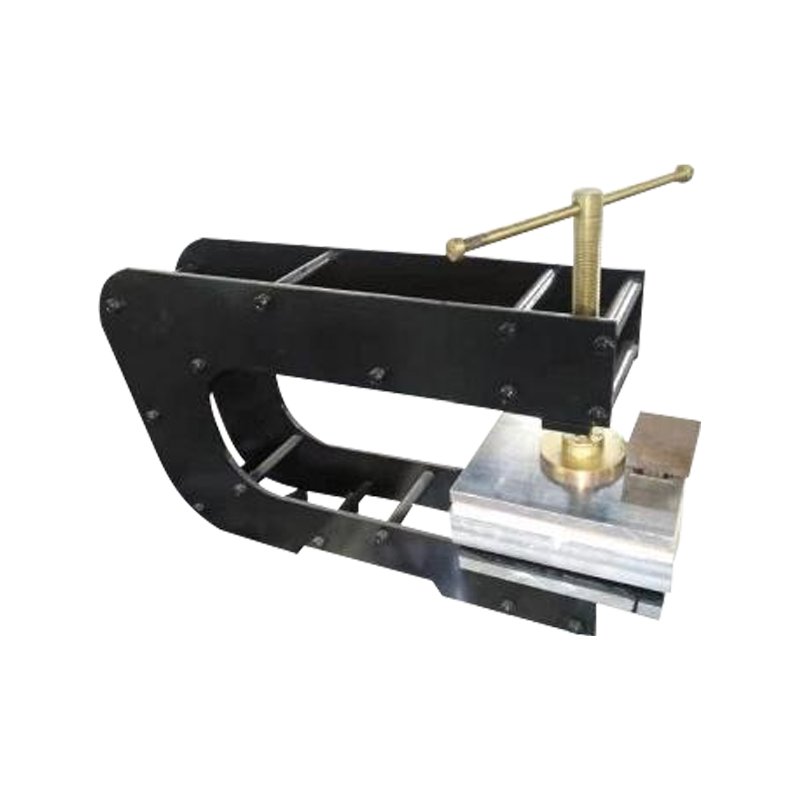 XBG-1 Conveyor Belt Point Patcher
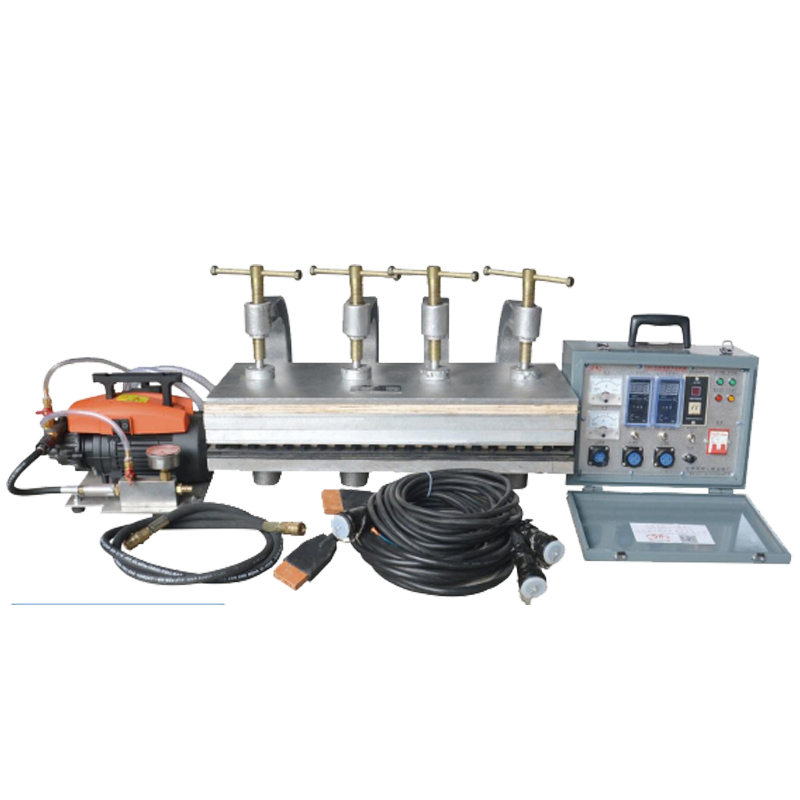 XBG-2 Conveyor Belt Edge Patcher
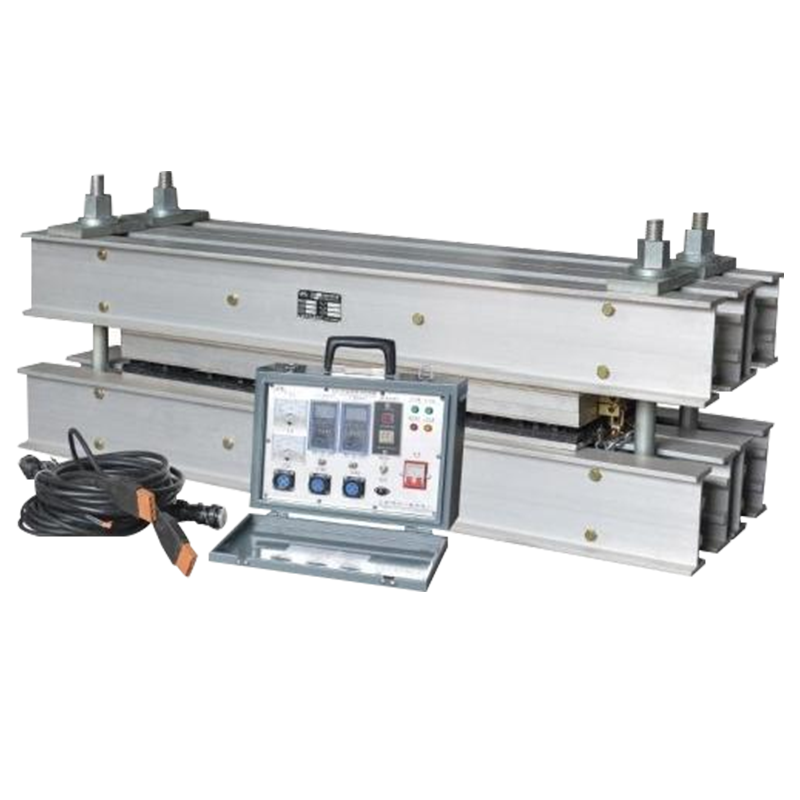 XBG-3 Conveyor Belt Line Patcher
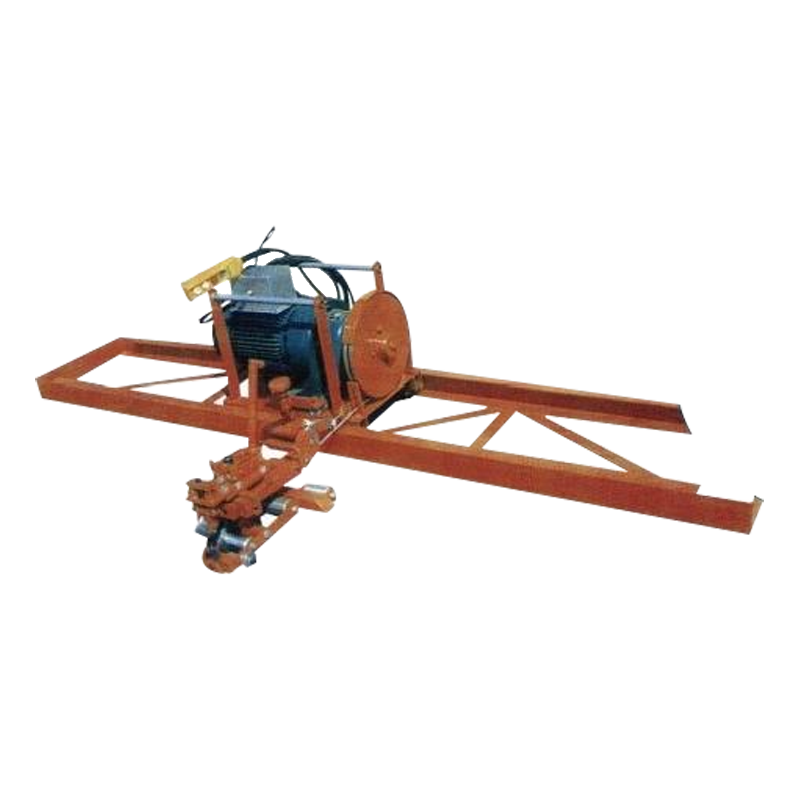 PBJ-2 Steel Wire Rope Conveyor Belt Peeling Machine
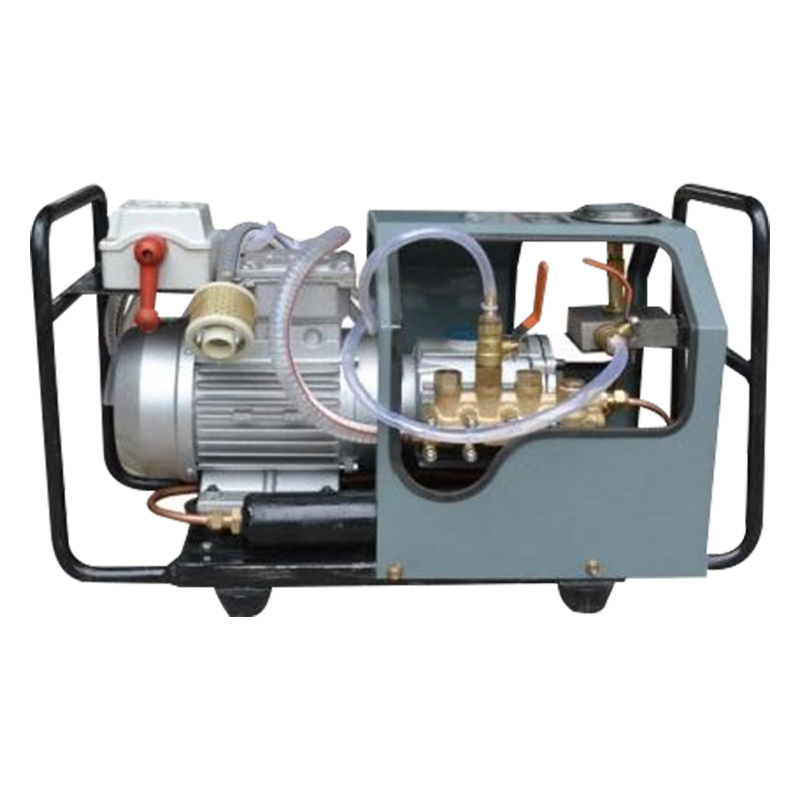 Conveyor Belt Repair: Ensuring Optimal Performance and Longevity
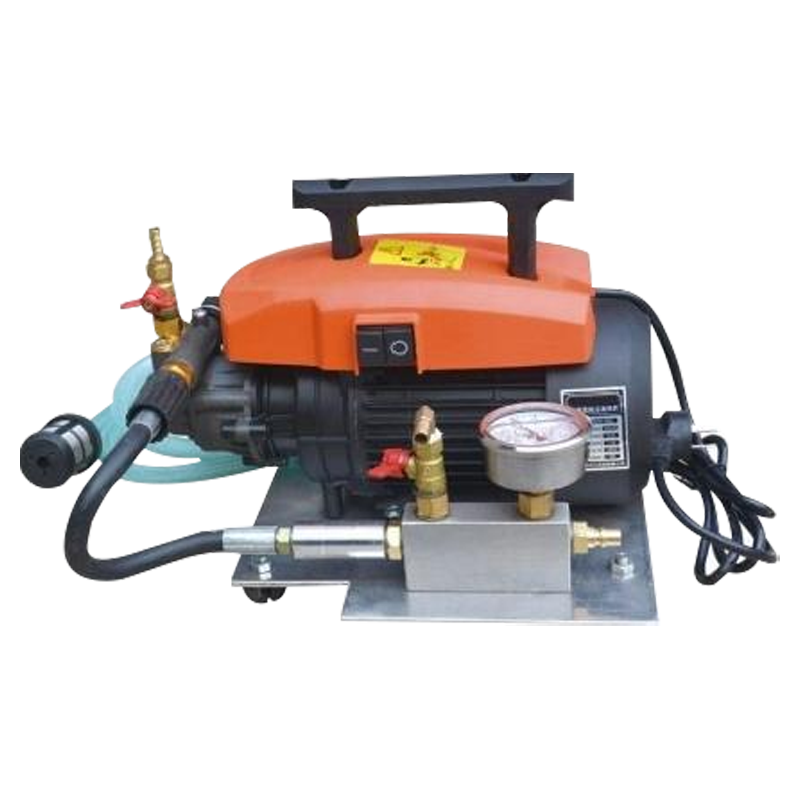 What is the Conveyor Belt Vulcanizing Machines?
What is a Conveyor Belt Vulcanizing Machine and How Does It Work?
What is the Conveyor Belt Vulcanizing Machines?
What is a Conveyor Belt Vulcanizing Machine and How Does It Work?
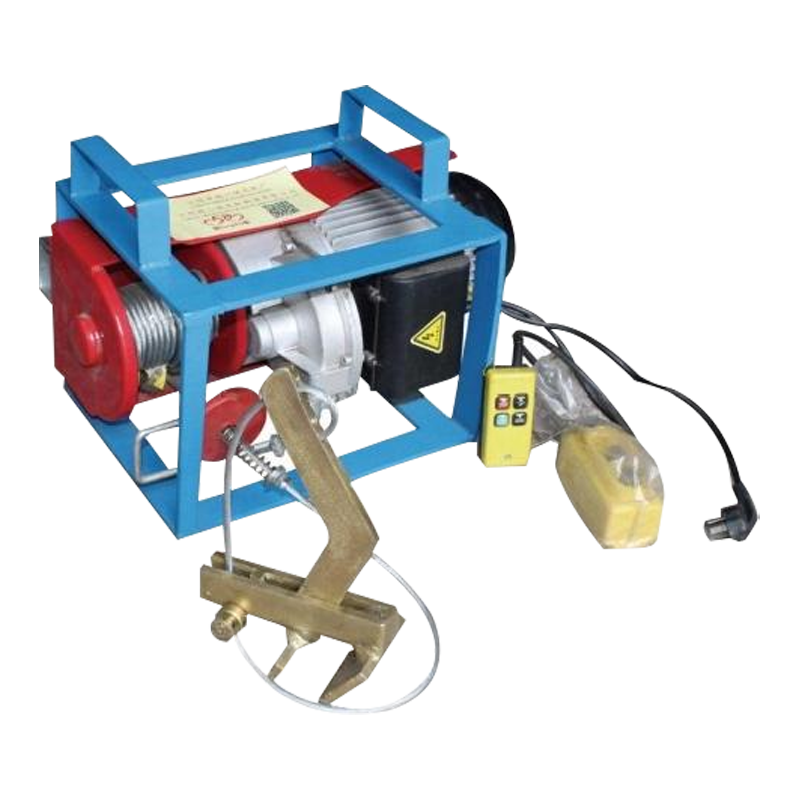 Conveyor Belt Repair Machines: How to Choose, Maintain, and Benefit from Them
 +86-18915223007
  +86-0510-86336668
  [email protected]
  No.21, Hetang Central Street, Jiangyin City, Jiangsu Province
 Copyright © Jiangyin Tongxin Vulcanizing Machine Manufacturer Co., Ltd. All Rights Reserved.
OEM/ODM Belt Vulcanizer Accessories Manufacturers




 Eng
Eng  русский
 Home
Home