Conveyor belts are an essential component in numerous industries, including mining, manufacturing, logistics, and food processing. They serve as the primary means for transporting materials efficiently over short and long distances. Conveyor belts facilitate continuous operations by reducing manual handling, minimizing delays, and enhancing productivity. In industries where large volumes of materials need to be moved consistently, the reliability of conveyor belts directly impacts operational efficiency. Any downtime due to belt damage or malfunction can lead to significant production losses and increased operational costs, making the role of conveyor belts critical in daily industrial processes.
Regular maintenance and timely repairs of conveyor belts are necessary to ensure smooth operations and extend the service life of the equipment. Conveyor belt maintenance involves routine inspections, cleaning, lubrication of moving parts, checking belt tension, and monitoring for early signs of wear and tear. Timely repairs address issues such as belt misalignment, fraying edges, punctures, or damage caused by mechanical stress. Ignoring maintenance or delaying repairs can lead to severe conveyor belt problems, including complete belt failure, which may halt production lines and require costly replacements. Implementing a structured maintenance schedule and using proper repair techniques are essential for maintaining operational continuity.
Conveyor belt repair machines are specialized equipment designed to address a wide range of belt issues efficiently. These machines enable maintenance teams to perform tasks such as belt splicing, belt alignment, and repairing damaged sections with precision. Conveyor belt repair machines come in various types, including belt slitters, belt skivers, and mechanical fasteners, each serving specific repair and maintenance functions. Belt slitters are used to cut belts accurately, while belt skivers remove belt layers for better adhesion during splicing. Mechanical fasteners provide a secure connection for belt sections without the need for adhesive bonding, allowing for quicker repairs and minimizing downtime.
Belt splicing is a critical repair technique used to join two ends of a conveyor belt or to repair damaged sections. Proper splicing ensures smooth operation and prevents further damage caused by uneven surfaces or weak joints. Conveyor belt repair machines provide precise control during the splicing process, ensuring that the belt maintains its original strength and alignment. Belt splicing can be performed using mechanical fasteners, vulcanization, or hot and cold adhesive methods. Each method requires specific conveyor belt tools to achieve reliable results. Regular inspection of spliced areas is important to detect early signs of wear, which helps prevent unexpected breakdowns and maintains operational efficiency.
Belt alignment is an essential aspect of conveyor belt maintenance that prevents mis-tracking, edge wear, and other operational issues. Misaligned belts can cause uneven loading, damage to conveyor components, and frequent interruptions. Conveyor belt repair machines often include alignment tools to adjust the belt position accurately. Maintenance teams use these tools to monitor belt tracking and make necessary corrections. Proper alignment extends the life of the belt and improves overall performance. Conveyor belt problems related to misalignment can be mitigated through routine monitoring and corrective actions, ensuring that the belt moves smoothly along its designated path.
Belt slitters and belt skivers are specialized conveyor belt tools used in repair and maintenance operations. Belt slitters allow precise cutting of belts to desired lengths, facilitating accurate splicing and replacement of worn sections. Belt skivers are used to remove the top or bottom layer of a belt to prepare it for splicing or patching. By creating a smooth surface, skivers improve the adhesion of splices and patches, ensuring stronger and longer-lasting repairs. These tools are essential for addressing specific conveyor belt problems, such as frayed edges, damaged surfaces, or sections with reduced thickness. Using these tools correctly enhances repair quality and reduces the likelihood of recurring issues.
Mechanical fasteners are widely used in conveyor belt repair to join belt ends quickly without the need for adhesives. They provide a reliable connection, allowing belts to resume operation immediately after repair. Belt patching is another common repair method that involves covering damaged sections with specially designed patches. Conveyor belt repair machines facilitate both mechanical fastener installation and patching processes, ensuring that repairs are performed efficiently and accurately. Regular inspection of patched areas and fastened sections is necessary to maintain belt performance and prevent further conveyor belt problems. By combining these repair techniques, maintenance teams can address a range of issues and minimize downtime.
Conveyor belt tools include a variety of devices used in repair and maintenance operations, such as belt cutters, tension measuring tools, alignment devices, skivers, slitters, mechanical fasteners, and patching kits. These tools enable maintenance personnel to perform tasks with precision and efficiency. Each tool serves a specific function in the overall repair and maintenance process, ensuring that conveyor belts remain operational and safe. Proper use of conveyor belt tools contributes to effective belt maintenance, prevents further damage, and reduces the frequency of repairs. Skilled operators who are familiar with these tools can quickly identify problems and implement appropriate repair strategies.
Conveyor belt problems can vary from minor wear and tear to major damage that disrupts operations. Common issues include belt misalignment, frayed edges, surface cuts, punctures, and tension inconsistencies. Conveyor belt repair machines allow maintenance teams to address these problems efficiently. Belt splicing, patching, and mechanical fasteners are applied to restore belt integrity, while belt slitters and skivers prepare damaged sections for precise repairs. Regular inspections and timely interventions help prevent minor problems from developing into severe failures. By maintaining a structured maintenance and repair program, industries can ensure that conveyor belts operate reliably and minimize operational interruptions.
| Repair Method | Purpose | Tools/Equipment Used |
|---|---|---|
| Belt Splicing | Join belt ends or repair damaged sections | Mechanical fasteners, adhesives, belt skivers, splicing machines |
| Belt Alignment | Correct tracking and prevent misalignment | Alignment tools, tension measuring devices |
| Belt Slitting | Cut belts to desired lengths | Belt slitters, precision cutters |
| Belt Skiving | Remove belt layers for better adhesion | Belt skivers, sanding devices |
| Belt Patching | Repair damaged sections | Patching kits, adhesives, fasteners |
| Mechanical Fasteners | Quickly join belt ends | Fastener installation tools, splicing machines |
Belt wear and tear is a frequent issue encountered in conveyor systems, manifesting in several recognizable patterns such as thinning edges, surface abrasions, and frayed layers. Typical wear occurs over time due to the continuous friction between the belt and conveyor components, including rollers, pulleys, and loading points. Abrasive materials being transported can gradually erode the belt surface, leading to uneven wear patterns. In addition to friction and abrasion, material impact from heavy or sharp objects can cause localized damage, weakening the belt structure. Addressing belt wear is a key aspect of conveyor belt maintenance, and conveyor belt repair machines facilitate tasks such as belt skiving, belt patching, and the application of mechanical fasteners to extend belt life and restore functionality.
Belt misalignment is a common conveyor belt problem that affects the smooth operation and overall performance of the system. Misalignment can lead to edge wear, uneven loading, and increased stress on the belt and mechanical components. Common causes of misalignment include issues with pulleys, improper tensioning, or uneven loading of materials. Over time, misaligned belts can cause damage to rollers and supporting structures, resulting in more extensive repairs. Conveyor belt repair machines are often used to correct alignment issues, ensuring that the belt moves along its intended path. Tools such as alignment devices and tension measuring instruments are applied to achieve precise adjustments, which are critical for maintaining operational efficiency and preventing further damage.
Belt damage in the form of cuts, tears, or holes is a serious issue that can compromise the integrity and safety of the conveyor system. Such damage commonly occurs due to sharp objects, material spillage, accidents during loading, or contact with conveyor components. Even minor cuts can develop into larger tears if not addressed promptly, leading to belt failure and potential production interruptions. Conveyor belt repair machines provide solutions such as belt patching, splicing, and mechanical fastener installation to restore the belt's functionality. Proper inspection and timely intervention are essential to prevent minor damage from escalating into severe conveyor belt problems.
Splice failures are a significant category of conveyor belt problems that affect the continuity and strength of the belt. Conveyor belts are typically joined using mechanical splices or vulcanized splices. Mechanical fasteners offer quick installation but may loosen over time if not properly aligned or tensioned. Vulcanized splices provide a bonded connection through heat or adhesive methods but can fail due to inadequate curing, uneven surface preparation, or excessive stress. Conveyor belt repair machines assist in performing accurate belt splicing and maintaining splice integrity. Regular inspection and maintenance of spliced areas using specialized conveyor belt tools are necessary to identify early signs of failure and implement corrective measures, ensuring the belt operates safely and reliably.
Material build-up on conveyor belts is a common problem that impacts belt tracking, alignment, and overall performance. Accumulated material can create uneven weight distribution, causing misalignment and additional stress on the belt. Build-up often occurs at transfer points, pulleys, or other areas where materials stick due to moisture, adhesion, or improper cleaning. Preventing material build-up is an integral part of conveyor belt maintenance, requiring routine cleaning and the use of scraping devices, brushes, and other conveyor belt tools. Conveyor belt repair machines can assist by addressing areas where excessive build-up has caused damage or misalignment, restoring proper belt function. Consistent attention to material management reduces wear, prevents damage, and maintains system efficiency.
| Problem | Cause | Repair/Tool Used |
|---|---|---|
| Belt Wear and Tear | Friction, abrasion, material impact | Belt skivers, belt patching, mechanical fasteners |
| Belt Misalignment | Pulley issues, uneven loading, tension problems | Alignment devices, tension measuring tools, conveyor belt repair machines |
| Belt Damage (Cuts, Tears, Holes) | Sharp objects, spillage, accidents | Belt patching kits, belt splicing machines, mechanical fasteners |
| Splice Failures | Improper mechanical splice, inadequate vulcanization, stress | Belt splicing machines, mechanical fasteners, inspection tools |
| Material Build-up | Adhesion, moisture, improper cleaning | Scrapers, brushes, conveyor belt repair machines |
Preventive measures are crucial to minimizing conveyor belt problems and reducing the need for frequent repairs. Regular conveyor belt maintenance routines, such as inspections, cleaning, tension checks, and alignment adjustments, help identify potential issues before they escalate. Proper training in using conveyor belt tools and repair machines ensures that maintenance tasks are performed accurately. Additionally, addressing minor wear, misalignment, or material build-up promptly prevents more serious problems, extending belt life and maintaining operational efficiency. Implementing preventive strategies reduces the likelihood of unexpected downtime and improves the overall reliability of conveyor systems.
Conveyor belt repair machines play a central role in managing various belt problems effectively. They provide specialized functions for belt splicing, patching, skiving, and slitting, allowing maintenance teams to perform repairs with precision and efficiency. These machines, combined with appropriate conveyor belt tools, help address common issues such as wear, misalignment, damage, and splice failures. By facilitating timely repairs and preventive interventions, conveyor belt repair machines contribute to consistent belt performance, reduce operational interruptions, and support the long-term reliability of industrial conveyor systems.
Belt slitters and cutters are essential tools used in conveyor belt repair to remove damaged sections or cut belts to the required lengths. These tools are available in both manual and powered versions. Manual belt cutters rely on hand-operated mechanisms to make precise cuts and are typically used for smaller belts or minor repairs. Powered cutters, on the other hand, use electric or pneumatic systems to cut through thicker or wider belts efficiently. By providing accurate cuts, belt slitters ensure that subsequent splicing or patching operations can be performed with minimal misalignment. In conveyor belt maintenance, using proper slitters reduces material wastage and prepares the belt for effective repair, addressing common conveyor belt problems such as frayed edges and worn-out sections.
Belt skivers are used to remove layers from the belt surface, creating a smooth area that is ready for splicing or patching. The skiving process ensures that the repaired section bonds effectively with mechanical fasteners or vulcanization compounds. Various skiving tools are available, ranging from manual knives and hand-held skivers to motorized skiving machines that provide consistent thickness removal. Skivers play a crucial role in belt splicing by reducing the risk of weak joints and ensuring even tension across the repaired area. In conveyor belt repair operations, skiving is a preparatory step that improves the longevity of repairs and supports the overall maintenance strategy.
Vulcanizing presses are specialized conveyor belt repair machines used to create strong, permanent splices through heat and pressure. The vulcanization process involves applying heat to the belt ends along with pressure, causing the rubber or polymer layers to fuse and form a cohesive joint. Vulcanizing presses are available in portable and stationary versions. Portable presses are lightweight and can be used in the field for on-site repairs, while stationary presses are larger and suited for workshop settings where multiple belts can be processed. This type of repair is commonly used for high-load belts or applications where a permanent splice is necessary. Proper use of vulcanizing presses ensures belt integrity and reduces the likelihood of splice failures in conveyor systems.
Mechanical fasteners are an alternative to vulcanized splices and are commonly used in conveyor belt repair for quick joining of belt ends. Specialized tools are required to install these fasteners properly, ensuring that they hold the belt securely and allow it to operate immediately after repair. Mechanical fasteners offer the advantage of rapid installation and minimal downtime. However, they may loosen over time if subjected to heavy loads or misalignment. Conveyor belt repair machines and tools designed for mechanical fastener installation provide accurate positioning and consistent fastening, reducing the risk of belt problems and maintaining belt performance. These tools are essential in maintenance programs that prioritize speed and flexibility in repairs.
Belt alignment tools are used to ensure that conveyor belts run along their designated path without deviation. Proper alignment prevents edge wear, uneven loading, and excessive strain on mechanical components. Laser alignment tools are commonly employed to provide precise measurements of belt tracking. Other alignment methods include using straightedges, rollers, or tension monitoring devices to adjust the belt position accurately. Regular use of alignment tools during conveyor belt maintenance helps avoid misalignment-related problems and extends the operational life of the belt. Conveyor belt repair machines often incorporate alignment capabilities to facilitate adjustments during repair processes, ensuring smooth and reliable belt operation.
Patching is an important technique for repairing small damages, cuts, or punctures in conveyor belts. Various patching compounds, adhesives, and repair kits are available for this purpose. Tools for patching include hand-held applicators, rollers to smooth patches, and curing devices to ensure proper adhesion. Patching allows maintenance teams to address localized belt damage without replacing entire sections, which reduces downtime and repair costs. Conveyor belt repair machines can assist in preparing the belt surface, applying patches, and finishing the repair with consistent pressure. Effective use of patching tools and materials helps restore belt integrity and supports ongoing conveyor belt maintenance practices.
| Machine/Tool | Purpose | Type/Examples |
|---|---|---|
| Belt Slitters/Cutters | Remove damaged sections and cut belts to length | Manual cutters, powered cutters |
| Belt Skivers | Prepare belt ends for splicing or patching | Hand-held skivers, motorized skiving machines |
| Vulcanizing Presses | Create permanent splices | Portable presses, stationary presses |
| Mechanical Fastener Installation Tools | Install mechanical fasteners for quick belt splicing | Fastener applicators, splicing machines |
| Belt Alignment Tools | Ensure proper belt tracking and alignment | Laser alignment devices, straightedges, rollers |
| Patching Tools and Materials | Repair small cuts or punctures in belts | Patching kits, adhesives, rollers, curing devices |
Integrating conveyor belt repair machines and tools into maintenance programs ensures that common belt problems are addressed efficiently. Belt slitters and skivers prepare the belt for repairs, while vulcanizing presses and mechanical fasteners provide long-lasting joins. Alignment tools prevent tracking issues, and patching kits address minor damage without extensive downtime. By using these machines and tools in a coordinated maintenance strategy, industries can manage conveyor belt problems proactively, maintain operational continuity, and extend the service life of their belts. The use of specialized conveyor belt repair machines ensures that each repair is precise, reliable, and contributes to overall system performance.
The first step in conveyor belt repair involves a thorough inspection to identify existing problems and potential issues. Maintenance personnel examine the belt for visible damage such as cuts, tears, holes, and frayed edges. Belt alignment is checked to ensure that the conveyor belt runs smoothly along its intended path, preventing uneven wear and mechanical stress. Observing for signs of material build-up or areas of excessive wear is also crucial. Using specialized conveyor belt tools, technicians can measure belt tension and track deviations to determine whether belt splicing, patching, or other repairs are necessary. Accurate problem identification ensures that appropriate repair methods and conveyor belt repair machines are selected for each situation.
Once problems have been identified, the belt is prepared for repair by cleaning and removing damaged sections. Belt slitters or cutters are used to make precise cuts, removing frayed or worn areas and creating clean edges for splicing. Belt skivers may be applied to remove surface layers from the belt ends, ensuring that the repaired sections can bond effectively with mechanical fasteners or vulcanizing materials. During this preparation stage, conveyor belt maintenance routines ensure that all components surrounding the belt, such as pulleys and rollers, are inspected for damage and adjusted if necessary. Proper preparation is essential for ensuring a smooth repair process and preventing recurring conveyor belt problems.
Belt splicing is a common repair method that joins two ends of a conveyor belt or repairs a damaged section. Depending on the situation, technicians may use mechanical fasteners or vulcanization techniques. Mechanical fasteners allow for quick installation and immediate operation, while vulcanization provides a more permanent splice using heat and pressure. Conveyor belt repair machines facilitate the splicing process by ensuring accurate alignment and consistent pressure application. Proper belt splicing ensures that the belt maintains uniform tension and smooth operation, reducing the risk of misalignment and other conveyor belt problems. Following splicing, the repaired area is inspected to confirm that the joint is secure and free of defects.
Mechanical fasteners are installed when a quick and reliable repair is needed. Installation requires specialized conveyor belt tools designed to position fasteners precisely and tighten them effectively. Fasteners are placed along the prepared belt edges, creating a strong joint that allows the conveyor belt to resume operation with minimal downtime. While mechanical fasteners are efficient, proper installation is necessary to prevent loosening over time. Conveyor belt maintenance practices include regular inspection of fastened sections to ensure that they remain secure and do not contribute to future belt problems. Correctly applied mechanical fasteners support belt integrity and reduce the frequency of more extensive repairs.
Vulcanization is a method used for creating strong, permanent splices in conveyor belts. The process involves applying heat and pressure to the prepared belt ends, causing the rubber or polymer layers to fuse together. Vulcanizing presses, either portable or stationary, are used to perform this process. Portable presses allow repairs to be completed on-site, while stationary presses are used in workshop settings for multiple belt repairs. Conveyor belt repair machines designed for vulcanization ensure even heat distribution and consistent pressure, resulting in a uniform splice. This method is particularly suitable for heavy-duty belts or applications where high load resistance is required.
Belt patching addresses small damages such as cuts, punctures, or abrasions on the belt surface. Patching compounds and adhesives are applied to the damaged area, often using hand-held rollers or specialized patching tools to ensure proper adhesion. The repaired section is allowed to cure according to the material specifications, restoring the belt's integrity and preventing further deterioration. Conveyor belt repair machines may assist in preparing the surface and applying consistent pressure during patching. Effective patching reduces operational interruptions and contributes to overall conveyor belt maintenance strategies by extending belt life and minimizing more extensive repairs.
After repairs such as splicing or patching, belt alignment and tracking must be verified and adjusted if necessary. Misaligned belts can cause uneven wear, increased friction, and potential damage to surrounding components. Conveyor belt repair machines and alignment tools, including laser alignment devices, rollers, and tension monitors, help technicians ensure that the belt runs along its intended path. Proper belt alignment supports uniform load distribution, reduces stress on the belt edges, and minimizes the occurrence of conveyor belt problems. Regular alignment checks are an essential part of ongoing conveyor belt maintenance programs.
The final step in the repair process involves a comprehensive inspection and testing of the repaired belt. Technicians check that all splices, patches, and fasteners are secure and that the belt maintains proper alignment and tension. The conveyor is run under controlled conditions to monitor for any signs of slippage, misalignment, or unusual noise. Any minor adjustments are made to ensure smooth operation. Using conveyor belt repair machines and tools during the inspection phase ensures that repairs meet operational requirements and that the belt is ready for normal use. Continuous monitoring and maintenance reduce the likelihood of recurring issues and enhance the reliability of the conveyor system.
| Repair Step | Purpose | Tools/Equipment Used |
|---|---|---|
| Inspection and Problem Identification | Detect existing and potential belt problems | Conveyor belt tools, tension meters, alignment devices |
| Preparation | Clean and remove damaged sections for repair | Belt slitters, belt skivers, cleaning tools |
| Belt Splicing | Join belt ends or repair sections | Mechanical fasteners, vulcanizing presses, belt splicing machines |
| Mechanical Fastener Installation | Quickly secure belt joints | Fastener installation tools, splicing machines |
| Vulcanization | Create strong, permanent splices | Portable and stationary vulcanizing presses |
| Belt Patching | Repair small damages | Patching compounds, rollers, adhesive applicators |
| Belt Alignment and Tracking | Ensure proper operation and reduce wear | Laser alignment tools, rollers, tension measuring devices |
| Final Inspection and Testing | Verify repair quality and operational readiness | Conveyor belt repair machines, alignment tools, inspection instruments |
While performing repairs, preventive measures can be applied to reduce future conveyor belt problems. Regular inspection of repaired areas, monitoring belt tension, and checking for misalignment help prevent recurring issues. Proper use of conveyor belt tools during repairs ensures that splices, fasteners, and patches are installed correctly. Addressing minor wear, damage, or misalignment during routine maintenance and repair minimizes the need for major interventions and supports the long-term reliability of the conveyor system. Incorporating these preventive steps during repairs strengthens the overall conveyor belt maintenance program and enhances operational continuity.
The type of conveyor belt plays an important role in determining the most suitable conveyor belt repair machine. Conveyor belts are made from various materials, such as rubber, PVC, nylon, or fabric composites, and each requires specific repair methods and compatible equipment. For instance, rubber belts used in heavy-duty industries like mining or cement production may need high-pressure vulcanizing presses or heavy-duty mechanical fasteners. In contrast, PVC belts used in food or light manufacturing environments might require low-temperature splicing and precision belt skivers for clean, smooth edges. The choice of repair tools such as belt slitters, belt patching kits, or mechanical fasteners should always correspond to the belt’s material properties to ensure durability and proper bonding. Understanding the type of belt allows maintenance teams to select conveyor belt tools and machines that optimize performance and reduce long-term conveyor belt problems.
The dimensions of the conveyor belt, including its width and thickness, are critical factors in choosing the right conveyor belt repair machine. Wider and thicker belts require repair machines with higher pressure capacity and broader working surfaces to achieve effective splicing and alignment. For example, a vulcanizing press designed for thin PVC belts may not provide enough compression for thick rubber belts used in mining operations. Similarly, belt slitters and belt skivers must match the belt’s dimensions to ensure precise cutting and skiving without causing structural damage. Conveyor belt repair machines with adjustable settings for various widths and thicknesses offer flexibility in maintenance operations and allow technicians to handle different types of belts using the same system. Proper alignment tools are also essential to ensure even tension and prevent tracking issues after repairs are completed.
Repair frequency directly influences the decision between using portable or stationary conveyor belt repair machines. Facilities that experience frequent belt wear, tears, or misalignment issues benefit from having portable repair equipment such as compact vulcanizers, handheld belt slitters, or portable skivers. These tools allow technicians to perform quick repairs directly at the site, minimizing downtime and maintaining production efficiency. On the other hand, operations that schedule regular maintenance or deal with large-scale belts may prefer stationary repair systems, which provide consistent repair quality and are suited for repetitive belt splicing or alignment tasks. Evaluating how often conveyor belt maintenance and belt patching are required helps determine the appropriate level of equipment investment and mobility. Choosing the right repair setup ensures that maintenance activities align with the facility’s operational needs and reduces conveyor belt problems over time.
Budget considerations play a major role in selecting a conveyor belt repair machine. The initial investment, operating costs, and long-term maintenance expenses must all be evaluated. Portable repair machines generally cost less upfront but may require more frequent part replacements, while stationary systems tend to have higher initial costs yet offer extended service life and consistent performance. Maintenance budgets should also account for the cost of consumables such as mechanical fasteners, splicing materials, or patching compounds. Additionally, repair machines that support multiple repair techniques—such as mechanical fastening and vulcanized splicing—can be more cost-effective in the long term by reducing the need for multiple specialized tools. Understanding both the short-term and long-term financial implications helps organizations select equipment that meets operational requirements while maintaining sustainable conveyor belt maintenance costs.
Ease of operation is another essential factor when choosing a conveyor belt repair machine. Machines that are user-friendly and require minimal setup time can significantly improve repair efficiency and reduce the risk of operator error. Features such as digital temperature controls, automatic alignment systems, and quick-release clamps simplify the repair process and ensure consistent results. The availability of replacement parts and technical support also contributes to smoother maintenance operations. A conveyor belt repair machine with readily available components minimizes downtime when repairs or servicing are required. Maintenance personnel should also receive proper training in using conveyor belt tools such as belt skivers, slitters, and alignment devices to ensure safe and effective repairs. Ease of use directly affects overall maintenance performance, helping to maintain system reliability and prevent common conveyor belt problems.
| Factor | Consideration | Impact on Machine Selection |
|---|---|---|
| Type of Belt | Material composition such as rubber, PVC, or nylon | Determines compatibility with splicing, patching, or mechanical fastening methods |
| Belt Width and Thickness | Dimensions vary between applications | Requires machine capacity and pressure settings suitable for belt size |
| Repair Frequency | Depends on operational environment and belt usage | Influences choice between portable and stationary machines |
| Budget | Includes initial investment and maintenance costs | Affects decision on machine type and repair method versatility |
| Ease of Use and Maintenance | Involves operational simplicity and spare part availability | Ensures faster repairs and reduced downtime |
Choosing the right conveyor belt repair machine requires balancing technical requirements, operational needs, and financial considerations. Each factor—whether it is belt type, dimensions, repair frequency, budget, or ease of use—interacts with others to determine the most efficient and reliable repair solution. A mining operation with thick rubber belts may prioritize heavy-duty vulcanizing presses and alignment systems, while a packaging facility with PVC belts may focus on lightweight portable splicing tools. Conducting a detailed assessment of conveyor belt maintenance needs ensures that selected machines and tools provide consistent performance and help reduce long-term conveyor belt problems. Combining these factors strategically leads to better equipment utilization, improved belt splicing and patching quality, and overall operational reliability.
Safety is a fundamental concern during conveyor belt repair and maintenance operations. Conveyor belt repair machines are used to perform tasks such as belt splicing, patching, alignment, and mechanical fastener installation, all of which involve handling heavy components and tools. Improper handling or oversight can result in accidents, equipment damage, or injuries. Ensuring a safe working environment protects maintenance personnel and maintains the operational integrity of the conveyor system. Awareness of potential hazards, proper use of conveyor belt tools, and adherence to safety protocols are essential to minimizing risks during repairs.
Using appropriate personal protective equipment is one of the first steps in maintaining safety during conveyor belt repair machine operations. Maintenance personnel should wear gloves, safety glasses, hard hats, and steel-toed boots to protect against cuts, abrasions, impact injuries, and falling objects. Hearing protection may be necessary when working with powered belt slitters or mechanical fastener installation tools. High-visibility clothing is also recommended in busy industrial environments to prevent accidental contact with moving machinery. Proper use of PPE is crucial for reducing exposure to hazards and ensuring safe execution of conveyor belt maintenance and repair tasks.
Lockout and tagout procedures are essential when performing repairs on conveyor belts. These procedures ensure that the conveyor belt repair machine and all connected equipment are completely de-energized before maintenance begins. By isolating electrical and mechanical energy sources, technicians can safely perform belt splicing, belt patching, and other repair operations without the risk of accidental startup. Conveyor belt maintenance programs should include training on lockout and tagout protocols to prevent injuries and ensure compliance with safety standards. Consistently applying these procedures reduces the likelihood of accidents during repair activities.
Conveyor belt repair requires the use of various tools, including belt slitters, belt skivers, mechanical fastener installation devices, alignment tools, and patching equipment. Safe handling of these tools is essential to avoid injury. For example, powered belt slitters must be operated according to manufacturer instructions to prevent cuts or pinch injuries. Belt skivers require careful handling to maintain control over sharp edges and prevent accidents. Regular inspection of tools ensures they are in good working condition, reducing the risk of malfunction. Proper training in the use of conveyor belt tools is necessary to perform repairs efficiently and safely.
Conveyor belts are often under significant tension and can move unexpectedly if not properly secured. Maintenance personnel should be aware of belt tension and the potential energy stored in the system. Before performing belt splicing or patching, the belt should be stopped, and tension released to prevent sudden movement. Conveyor belt alignment operations require careful observation to avoid pinching or crushing hazards. Using proper procedures and conveyor belt repair machines designed for safe operation minimizes the risk of injuries associated with belt movement and high-tension components.
Damaged conveyor belts can present additional hazards during repair. Cuts, tears, and holes may expose sharp edges or weaken the belt structure, increasing the risk of accidents during handling. Belt sections can also be heavy and cumbersome, requiring mechanical assistance or team lifting to move safely. Conveyor belt repair machines and tools, such as belt slitters and skivers, help reduce manual handling and ensure controlled removal or preparation of damaged sections. Adhering to proper lifting techniques and using mechanical aids prevents injuries and supports safe conveyor belt maintenance practices.
Maintaining a safe and organized workspace is important during conveyor belt repair operations. Work areas should be kept clear of debris and obstacles to prevent trips or falls. Proper lighting ensures that technicians can see repair areas clearly while using conveyor belt repair machines and tools. Ventilation may be necessary when using adhesives, vulcanization equipment, or patching compounds to avoid inhalation hazards. Organized storage for conveyor belt tools and materials allows for easy access and reduces the risk of accidents. Attention to environmental factors complements personal safety measures and supports overall operational safety during repairs.
Emergency preparedness is essential for minimizing the consequences of accidents during conveyor belt maintenance. Maintenance teams should be trained in first aid and familiar with emergency response procedures. Emergency stops and controls on conveyor belt repair machines should be tested regularly to ensure they function correctly. Safety signage and clear communication protocols help personnel respond quickly to incidents. Preparing for emergencies reduces downtime, prevents escalation of injuries, and ensures that conveyor belt problems are addressed safely and effectively.
| Safety Measure | Applicable Repair Activity | Tools/Machines Involved |
|---|---|---|
| Personal Protective Equipment (PPE) | Belt splicing, patching, alignment, fastener installation | Belt slitters, belt skivers, mechanical fasteners, patching tools |
| Lockout/Tagout Procedures | All conveyor belt repair and maintenance activities | Conveyor belt repair machine, alignment devices, powered tools |
| Safe Tool Handling | Belt cutting, skiving, patching, fastener installation | Belt slitters, belt skivers, patching kits, mechanical fastener tools |
| Awareness of Belt Movement | Splicing, patching, alignment | Conveyor belt repair machines, alignment tools |
| Proper Lifting and Handling | Damaged belt removal and installation | Belt slitters, skivers, mechanical aids |
| Workspace Organization | All repair and maintenance tasks | All conveyor belt tools and machines |
| Emergency Preparedness | All repair and maintenance activities | Emergency stops, first aid kits, communication devices |
Maintaining safety is an ongoing process that continues beyond individual repair operations. Regular training in conveyor belt repair machine usage, hazard recognition, and safe handling of tools supports long-term safety in maintenance programs. Routine inspections of equipment, consistent use of PPE, and adherence to lockout and tagout procedures help reduce the likelihood of accidents. Integrating safety considerations into all aspects of conveyor belt maintenance ensures that repair activities are conducted efficiently while protecting personnel from potential hazards associated with conveyor belt problems.
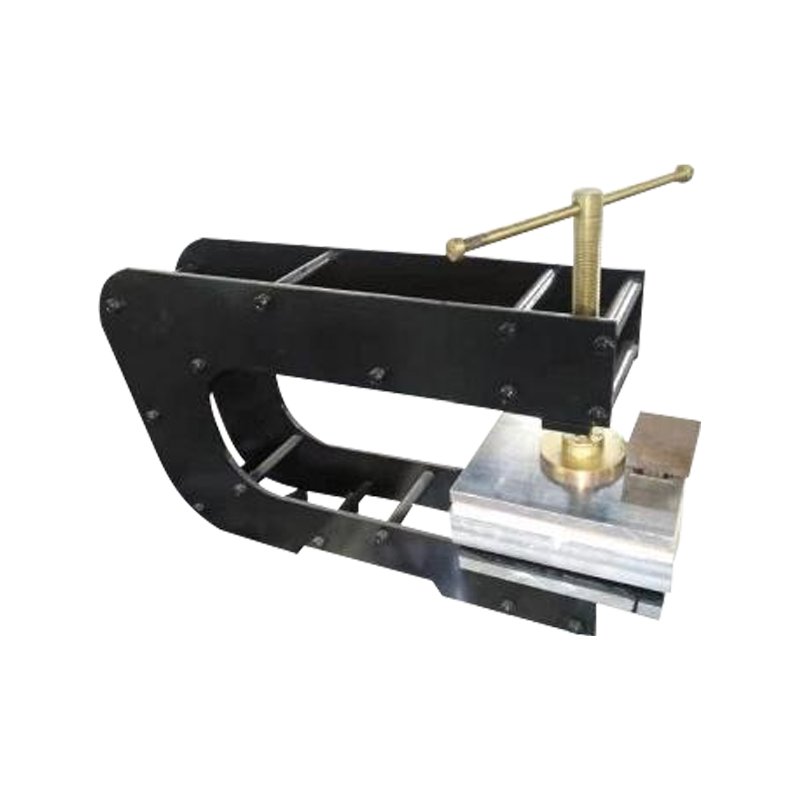 XBG-1 Conveyor Belt Point Patcher
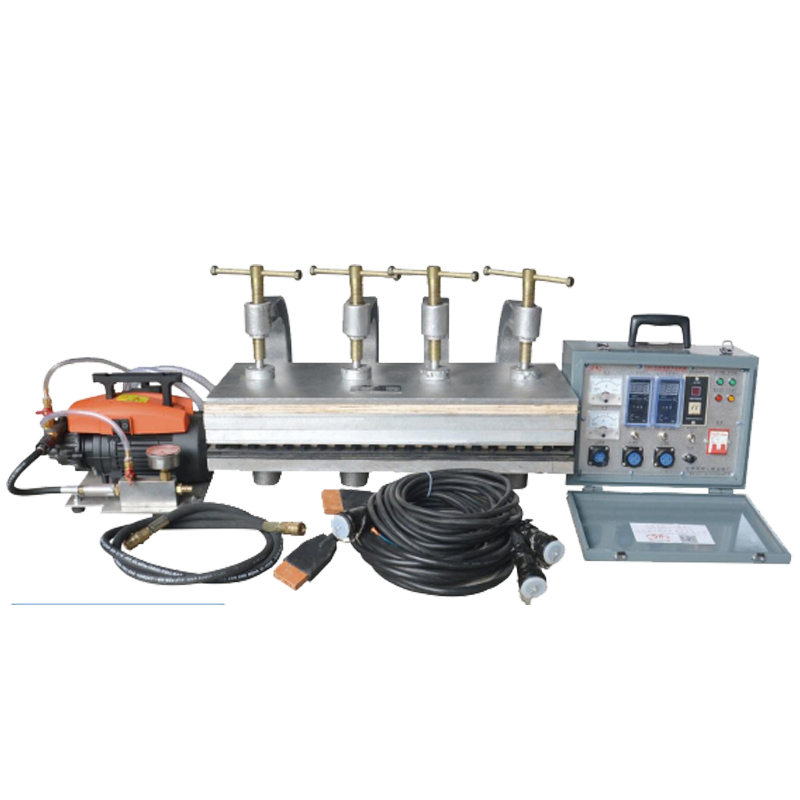 XBG-2 Conveyor Belt Edge Patcher
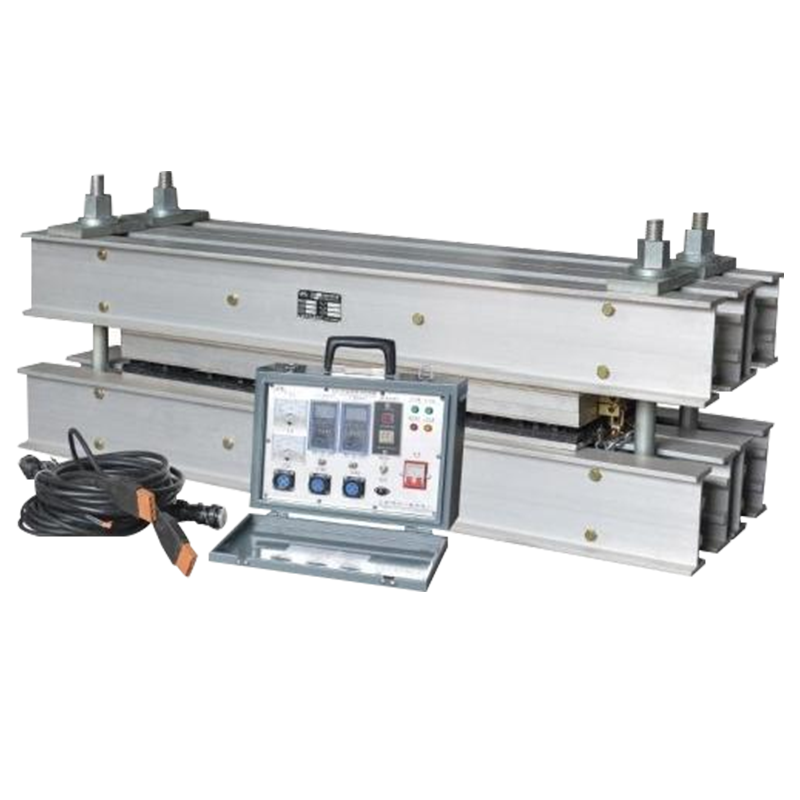 XBG-3 Conveyor Belt Line Patcher
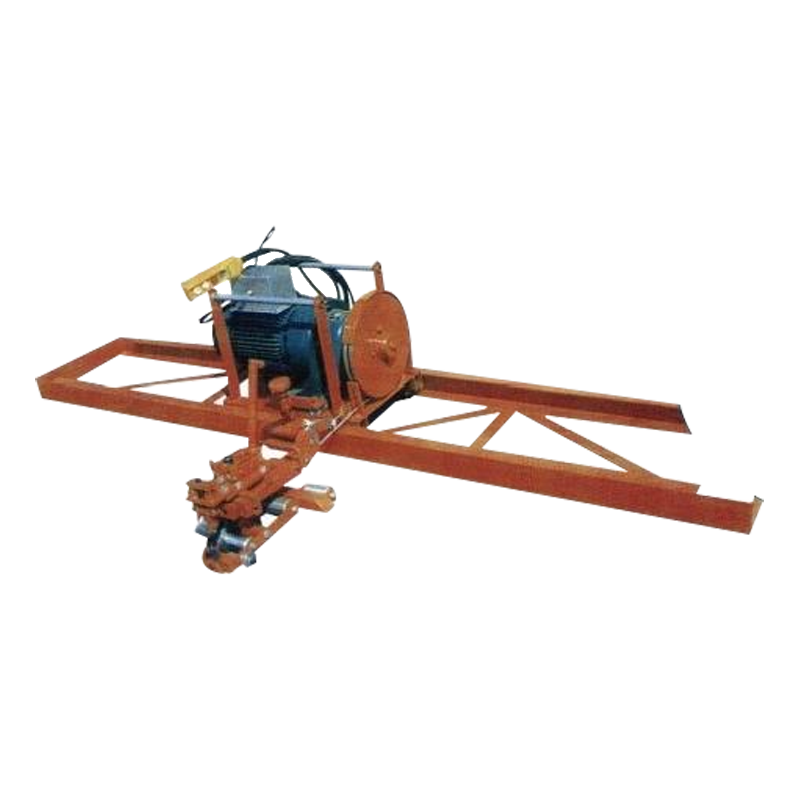 PBJ-2 Steel Wire Rope Conveyor Belt Peeling Machine
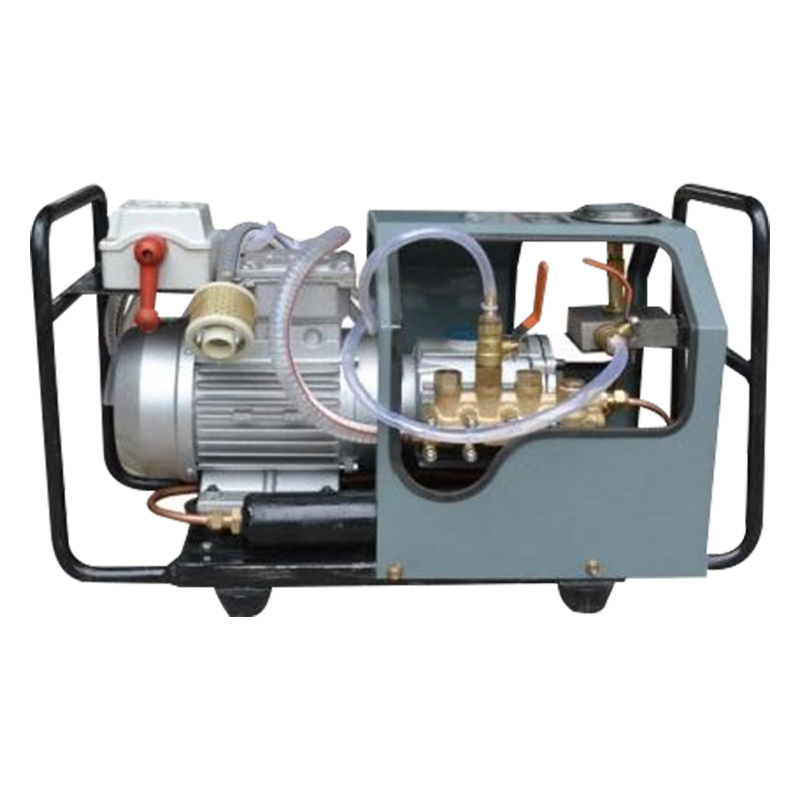 Conveyor Belt Repair: Ensuring Optimal Performance and Longevity
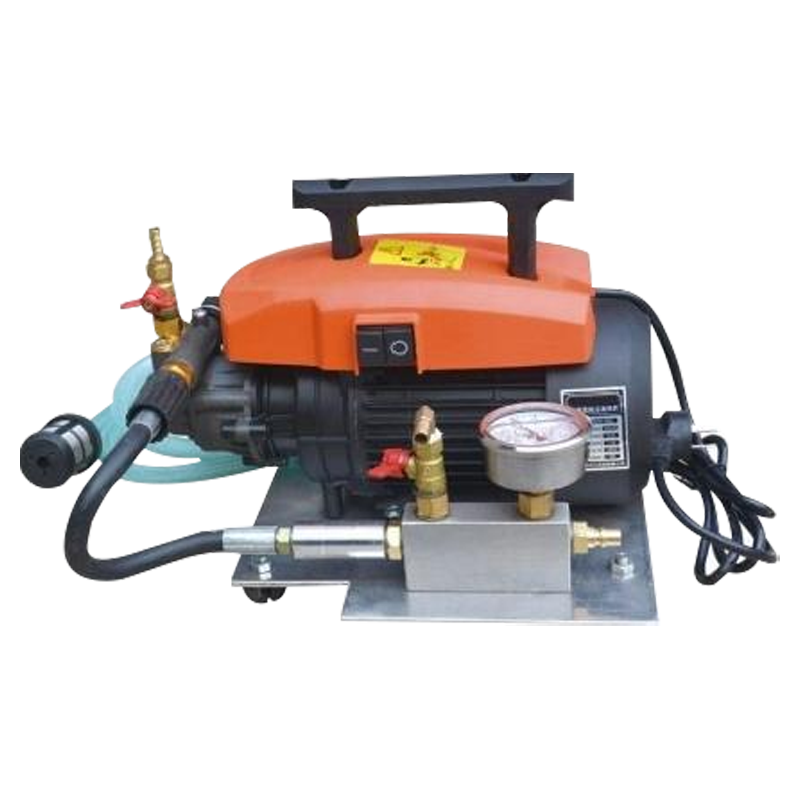 What is the Conveyor Belt Vulcanizing Machines?
What is a Conveyor Belt Vulcanizing Machine and How Does It Work?
What is the Conveyor Belt Vulcanizing Machines?
What is a Conveyor Belt Vulcanizing Machine and How Does It Work?
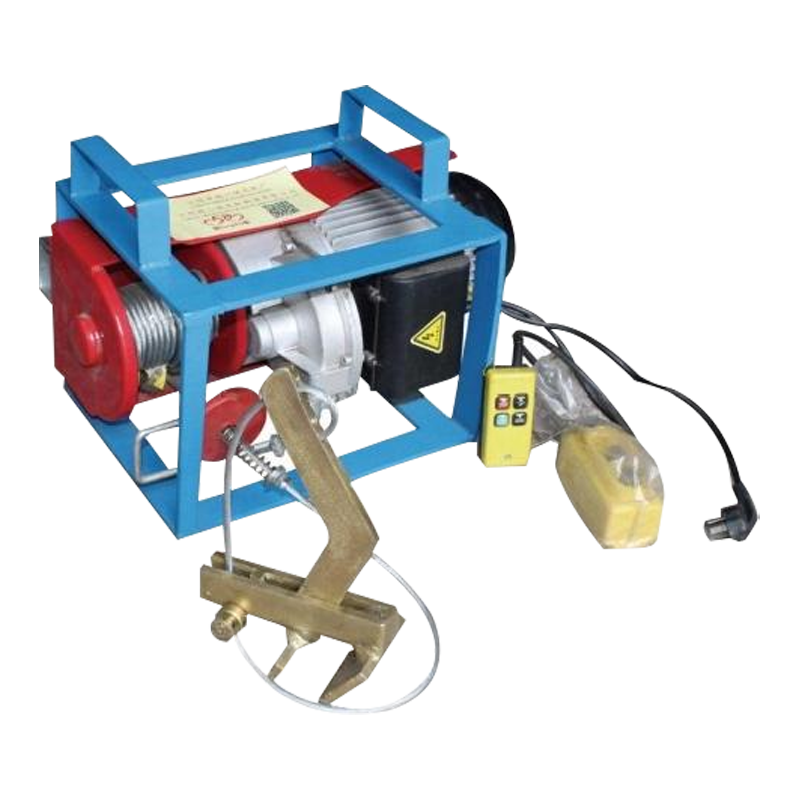 Conveyor Belt Repair Machines: How to Choose, Maintain, and Benefit from Them
 +86-18915223007
  +86-0510-86336668
  [email protected]
  No.21, Hetang Central Street, Jiangyin City, Jiangsu Province
 Copyright © Jiangyin Tongxin Vulcanizing Machine Manufacturer Co., Ltd. All Rights Reserved.
OEM/ODM Belt Vulcanizer Accessories Manufacturers




 Eng
Eng  русский
 Home
Home