The Conveyor Belt Vulcanizing Machine is a specialized piece of equipment used in the maintenance and repair of conveyor belts. It plays a critical role in extending the lifespan of conveyor systems, which are used in industries like mining, manufacturing, and logistics. This machine is primarily designed to bond, cure, and vulcanize the rubber used in conveyor belts, ensuring that the belt remains durable, resistant to wear, and capable of withstanding high stress and temperature conditions.
Conveyor belts are crucial components in various industries, ranging from manufacturing to mining, logistics, and food processing. Over time, these belts can experience wear and tear, which can affect their efficiency and durability. In such cases, a conveyor belt vulcanizing machine plays a critical role in repairing and maintaining the conveyor system by restoring the belt’s integrity and functionality. The vulcanization process involves applying heat and pressure to rubber or rubber-like materials to enhance their properties, ensuring they can withstand heavy loads, high temperatures, and environmental factors.
The operation of a conveyor belt vulcanizing machine can be broken down into several critical stages. Each stage is necessary for ensuring a high-quality repair that extends the life of the belt. In this section, we will explore these stages in detail.
Before any vulcanization can take place, the conveyor belt must be properly prepared. This is a crucial step to ensure that the repair is effective and long-lasting.
The first task in preparing a conveyor belt for vulcanization is cleaning the damaged area. Any debris, dirt, or oil that may have accumulated around the damaged section must be removed. This ensures that the repair material adheres properly to the rubber surface during vulcanization.
Common cleaning methods include:
In most cases, the damaged portion of the conveyor belt will need to be cut out before applying the vulcanizing repair. The goal is to remove the worn-out rubber while maintaining the integrity of the remaining belt.
In some cases, a rubber bonding agent may be used to enhance adhesion between the original belt and the repair material.
Vulcanization is the heart of the repair process, where heat and pressure are applied to the rubber, causing the rubber molecules to chemically bond, improving the material’s strength, elasticity, and resistance to wear.
A vulcanizing press is used to apply both heat and pressure to the damaged section of the belt. The press typically consists of heated plates that are carefully positioned over the damaged area. These plates apply pressure to ensure uniform distribution of heat throughout the rubber, which is essential for an even cure.
The vulcanization process is a chemical reaction that links the rubber molecules together. This is achieved through the application of heat, which accelerates the curing process by causing sulfur atoms to bond with the polymer chains in the rubber. This creates a more resilient and durable material.
The basic chemical equation for vulcanization is as follows:
Polymer Chain + Sulfur → Cross-linked Rubber Network
This cross-linking process transforms the rubber from a soft and pliable material to a much stronger and more elastic compound. This allows the conveyor belt to perform better in demanding conditions, such as high temperatures or heavy loads.
The curing stage is critical to the overall quality of the vulcanization process. During curing, the rubber hardens and takes on its final, durable properties.
The curing time and temperature can vary based on several factors, including the thickness of the rubber being repaired and the type of vulcanizing machine used. In general, curing time ranges from 20 minutes to 2 hours, with thicker sections of rubber requiring more time to properly cure.
The table below shows typical curing times and temperatures based on different rubber thicknesses:
| Rubber Thickness (mm) | Curing Temperature (°C) | Curing Time (Minutes) |
|---|---|---|
| 1-3 mm | 140-150 | 20-30 |
| 3-5 mm | 150-160 | 30-60 |
| 5-10 mm | 160-170 | 60-120 |
| 10+ mm | 170-180 | 120+ |
To ensure the vulcanized area is uniform, the heat must be distributed evenly across the entire surface of the belt. This is achieved by placing the belt between two heated plates. The vulcanizing press maintains an even temperature, ensuring that the rubber cures consistently.
Once the vulcanization process is complete, the newly repaired conveyor belt must cool down. Cooling is essential to allow the rubber to fully set and solidify. During this stage, the rubber undergoes a phase transition from a softened, hot material to a solid, durable substance.
In some vulcanizing machines, the cooling process is done while the belt is still under pressure. This helps maintain the shape and structural integrity of the vulcanized area. Cooling under pressure also ensures that any microscopic imperfections are minimized, resulting in a smoother and more reliable repair.
Once the vulcanization and cooling processes are complete, the final step is to inspect the conveyor belt for quality and consistency. Inspection is crucial to ensure that the repair has been successful and that the vulcanized area matches the rest of the belt in terms of strength, elasticity, and wear resistance.
The vulcanized area must be uniform, with no cracks, bubbles, or weak spots. The belt should also have the same level of elasticity and strength as the original rubber, ensuring it can withstand the same operating conditions.
Some common tests performed during the inspection process include:
If any inconsistencies or defects are found during the inspection, the repair may need to be repeated or further adjusted.
Conveyor belts are indispensable in various industries, including mining, logistics, manufacturing, and food processing. Over time, these belts suffer wear and tear from constant use, and the need for repairs becomes inevitable. The vulcanization process is one of the most effective ways to extend the life of conveyor belts, restoring them to their original performance capabilities. To achieve this, conveyor belt vulcanizing machines are used, which come in several types depending on the nature of the repair work and the specific requirements of the operational environment.
Portable vulcanizing machines are designed to be mobile, providing flexibility for on-site repairs. These machines are essential in environments where conveyor belts are large, heavy, or difficult to remove, requiring quick and effective repair without halting operations.
Portable vulcanizing machines are compact, lightweight, and easy to transport, making them ideal for industries with mobile or in-situ conveyor systems. These machines are built to handle repairs on-site, meaning the conveyor belt does not need to be moved to a central location for repair. Here are some key features:
Mobility: As the name suggests, these machines are designed to be easily moved. Whether it’s a mine, a quarry, or a warehouse, portable vulcanizing machines can be transported to the conveyor system that requires repair.
Compact Design: Portable machines are usually smaller than stationary models, making them suitable for confined spaces or areas where larger machines cannot operate.
Ease of Use: They often feature user-friendly interfaces and can be operated with minimal training, making them accessible for maintenance personnel with limited experience.
Versatility: Portable vulcanizing machines are designed to work on various types of conveyor belts, making them suitable for a range of industries such as mining, agriculture, and construction.
Hydraulic and Pneumatic Systems: Many portable models are equipped with hydraulic or pneumatic systems that enable easy application of pressure during the vulcanization process.
Portable vulcanizing machines are especially useful in situations where:
Unlike portable vulcanizing machines, stationary vulcanizing machines are designed to be used in workshops or dedicated maintenance areas. These machines are often larger and more robust than portable units, capable of handling more complex or large-scale repairs.
Larger Capacity: Stationary machines can handle conveyor belts of larger sizes and thicknesses, providing higher repair capacities than portable units.
Stable and Durable: These machines are built for long-term, heavy-duty operation. They are often installed in a fixed location, offering more stability during the vulcanization process.
Automated Functions: Many stationary vulcanizing machines are equipped with advanced automation features, including automatic temperature control, pressure regulation, and timer settings, making the repair process more precise and consistent.
Precision and Quality: Stationary machines offer more control over the vulcanization process, allowing for higher quality repairs. The larger size of these machines allows for even heat distribution, which is essential for achieving uniform vulcanization.
Stationary vulcanizing machines are commonly found in factories, repair shops, or maintenance depots where:
Vulcanizing machines can also be categorized into hot vulcanizing machines and cold vulcanizing machines, depending on the repair method used. Both methods have specific advantages, and the choice between them depends on the nature of the damage and the operational needs of the company.
Hot vulcanizing is the most common method used in the industry, as it involves applying heat and pressure to cure the rubber. This method is highly effective for restoring the integrity of damaged conveyor belts and is suitable for a wide range of repair applications.
Cold vulcanizing, on the other hand, is a method that uses chemical adhesives or bonding agents instead of heat to repair the belt. The process relies on pressure to activate the adhesive, which chemically bonds the rubber without requiring heat.
| Feature | Hot Vulcanizing Machines | Cold Vulcanizing Machines |
|---|---|---|
| Temperature | Requires heat (140°C to 160°C) | No heat involved |
| Curing Process | Heat and pressure applied | Chemical adhesive and pressure applied |
| Repair Size | Suitable for large repairs | Suitable for smaller or temporary repairs |
| Repair Time | Longer, requires cooling time | Faster, no cooling time needed |
| Cost | Typically higher due to heat control | Lower cost due to simple process |
| Durability of Repair | High, long-lasting | Moderate, less durable |
Vulcanizing is a critical process in the rubber industry, particularly for enhancing the longevity and functionality of conveyor belts. By improving properties such as elasticity, strength, and wear resistance, vulcanization increases the overall performance and cost-effectiveness of conveyor belts, which are essential components in many industrial operations. This article will explore why vulcanizing is important, highlighting its impact on durability, cost-effectiveness, and efficiency, as well as its role in reducing downtime and optimizing production in industries that rely on continuous operations.
Vulcanizing refers to the process of chemically cross-linking rubber molecules by heating them with sulfur, accelerators, and other agents. This process results in a stronger and more resilient material. In the context of conveyor belts, vulcanization is applied to the rubber components to enhance their physical properties and performance characteristics, making them suitable for use in demanding industrial environments.
The durability of a conveyor belt is paramount in industries where continuous operations are a necessity. Vulcanization plays a key role in enhancing the durability of the rubber by altering its molecular structure, thereby improving its resistance to wear and tear. Here are the main ways vulcanization improves durability:
The vulcanization process enhances the strength and toughness of rubber. The sulfur cross-links between rubber molecules make the material more resilient to external stresses and strains, preventing it from easily tearing or stretching. Conveyor belts exposed to harsh environments, abrasive materials, or heavy loads benefit from these improved mechanical properties, which reduce the frequency of damage and failures.
In industrial settings, conveyor belts often carry heavy or abrasive materials that can wear down the surface of the belt over time. Vulcanized rubber exhibits superior wear resistance, helping to extend the operational life of the conveyor belt. By resisting abrasion, the vulcanized material reduces the need for frequent replacements, lowering maintenance costs and minimizing production downtime.
Vulcanization also enhances rubber’s resistance to environmental factors such as extreme temperatures, exposure to oils, chemicals, and ozone. These factors can degrade the material over time, but vulcanized rubber holds up better against these damaging influences, making it ideal for outdoor or extreme-condition use.
Vulcanization offers a cost-effective alternative to replacing damaged conveyor belts. When a conveyor belt becomes damaged or worn out, instead of replacing it entirely—which can be expensive and time-consuming—vulcanization allows for repairs and refurbishing of the belt. Here’s how it helps save money:
By restoring the strength, elasticity, and wear resistance of rubber components, vulcanization can significantly extend the life of a conveyor belt. Rather than facing the high costs associated with replacing an entire belt, businesses can opt for vulcanizing, which provides a more affordable solution. The process of vulcanization also enables the belt to continue performing at high efficiency for longer periods.
The process of vulcanization prevents the conveyor belt from experiencing premature failure, reducing the need for frequent repairs and replacements. Maintenance and downtime can be costly, especially in industries that rely heavily on conveyor systems for continuous production. Vulcanizing the belt when it begins to show signs of wear prevents sudden breakdowns, reduces maintenance efforts, and minimizes interruptions to operations.
Replacing an entire conveyor belt can be costly, not just in terms of the belt itself, but also when factoring in the cost of installation and labor. Vulcanization allows businesses to extend the life of their existing belts, reducing the need to purchase new materials and cutting down on the overall expenditure.
In industries that rely on the smooth operation of conveyor belts, such as mining, manufacturing, logistics, and food processing, minimizing downtime is essential for maximizing productivity. Vulcanization helps achieve this by ensuring that belts remain operational for longer periods and perform optimally throughout their service life. Here are some key ways in which vulcanization boosts efficiency:
One of the most significant advantages of vulcanization is its ability to minimize downtime. Conveyor belt failures can disrupt operations, leading to delays in production, additional labor costs, and lost revenue. Vulcanizing the belt in case of damage helps restore the belt to full functionality, avoiding the need to shut down the entire production line for a complete replacement. As a result, the operational flow is not interrupted, and productivity is maintained.
Vulcanized conveyor belts have a higher resistance to wear, tearing, and other forms of damage, allowing them to operate for longer periods without failure. This is particularly important in industries that rely on continuous operations, such as mining or manufacturing, where even a few hours of downtime can lead to significant losses. A vulcanized conveyor belt contributes to the smooth, continuous flow of materials, keeping operations running efficiently and without interruption.
Conveyor belts that are regularly repaired using vulcanization require fewer interventions compared to belts that need full replacements. This not only saves time but also ensures that the belt performs at its peak during the repair cycle. The reduced need for repairs or replacements translates into higher overall efficiency in the workplace, as maintenance teams can focus on other tasks without being constantly pulled into emergency repairs.
While vulcanization is most commonly associated with conveyor belts, the process offers a wide range of benefits that extend to various rubber components in industrial settings. These components can also benefit from vulcanization, improving the overall performance and reliability of the entire system. Some of the additional benefits include:
Vulcanized rubber components are less likely to fail under pressure, reducing the risk of accidents or injuries in the workplace. Conveyor belts that are in optimal condition are safer to operate and carry fewer risks for employees who handle them. Additionally, vulcanization helps ensure that belts can withstand environmental hazards such as extreme temperatures, which could pose safety risks if not properly addressed.
Vulcanizing worn-out conveyor belts reduces the need for wasteful disposal of damaged rubber components. By extending the life of these materials through vulcanization, companies can contribute to sustainability efforts and reduce their environmental footprint. Vulcanizing also minimizes the environmental impact of producing and transporting new belts, as fewer replacements are needed.
The success of the vulcanization process depends on several factors, including:
The temperature and duration of vulcanization play a crucial role in determining the final properties of the rubber. Typically, temperatures between 140°C and 180°C are used for vulcanization. The time required varies depending on the thickness of the rubber and the desired level of cross-linking. If the temperature or time is too high or too low, the vulcanization process may be incomplete, resulting in suboptimal rubber properties.
The amount of sulfur used in the vulcanization process directly affects the hardness and strength of the rubber. Higher sulfur content generally results in tougher, more resilient rubber, while lower sulfur content produces a more flexible and elastic material. The right balance must be achieved for the specific application of the conveyor belt.
In addition to sulfur, other chemicals such as accelerators, curing agents, and plasticizers are often used in the vulcanization process to improve the rubber’s performance. These additives can modify properties such as flexibility, resistance to heat, and elasticity, allowing for customization of the vulcanized material for specific industrial requirements.
Conveyor belts play an essential role in the seamless functioning of industries, ranging from manufacturing to mining, agriculture, logistics, and food processing. These belts facilitate the continuous movement of materials, products, and components, ensuring smooth and efficient operations. However, like any mechanical system, conveyor belts are susceptible to wear and tear over time due to constant use, high load, exposure to harsh environmental conditions, and mechanical stress. This results in cracks, tears, and other forms of damage that can reduce their efficiency and, in some cases, cause costly downtime.
To address these issues, Conveyor Belt Vulcanizing Machines have become a critical component in belt maintenance and repair, ensuring that conveyor systems continue to operate smoothly and effectively. In this detailed discussion, we will explore why conveyor belt vulcanizing machines are crucial for industrial operations, how they work, their benefits, and their impact on the longevity of conveyor belts. We will also delve into how the vulcanization process can significantly reduce repair and replacement costs, improve system performance, and enhance safety in industrial settings.
Conveyor systems are often the backbone of industrial production lines, warehouses, and distribution centers. The belts used in these systems are subjected to extreme stress, including heavy loads, abrasive materials, varying temperatures, and continuous motion. Over time, these belts can suffer from:
When these issues arise, it’s not always necessary to replace the entire conveyor belt, which can be costly and time-consuming. Instead, vulcanization offers a more cost-effective solution for repairing damaged belts and extending their service life. The process involves applying heat and pressure to the damaged section of the belt, which repairs the rubber and restores its elasticity, strength, and wear resistance.
A Conveyor Belt Vulcanizing Machine is designed to carry out this repair process effectively and consistently. Vulcanization not only fixes damaged belts but also improves their overall durability, making them more capable of withstanding future stresses and enhancing the overall reliability of the conveyor system.
At the core of the vulcanization process is the application of heat and pressure to the rubber or rubber-like materials used in the construction of conveyor belts. The heat causes the rubber molecules to cross-link chemically, forming a stronger and more resilient network of bonds. Pressure ensures that the heat is applied evenly across the repair area, resulting in a consistent and durable repair.
Before the vulcanization process begins, it is essential to prepare the conveyor belt properly. This preparation stage ensures that the repair material adheres well to the belt and that the vulcanization process will yield the desired results.
Identifying the Damage: The first step is to identify the area of the belt that requires repair. This involves inspecting the belt for any signs of cracks, tears, or wear. In some cases, the damage may be localized to a small section, while in others, more extensive repairs may be necessary.
Cleaning the Damaged Area: Cleaning is crucial before the vulcanization process can begin. The damaged area must be free of dirt, oil, and debris, as these substances can interfere with the bond between the rubber and the repair material. Cleaning is typically done using air blowers, scrapers, or chemical solvents, depending on the type of contamination.
Cutting or Removing Damaged Material: For extensive damage, the worn-out or damaged portion of the belt may need to be cut out and removed. This ensures that only the affected area is repaired, and the rest of the belt remains intact.
Applying Adhesive or Repair Material: After cleaning and preparing the surface, the repair material, such as a vulcanizing compound or adhesive, is applied to the damaged section. In some cases, a rubber patch is used, while in others, liquid adhesive may be spread over the area.
The vulcanization process involves applying heat and pressure to the damaged area, typically using a vulcanizing press. This press consists of heated plates that are placed on either side of the repair area. The heat is applied to soften and bond the rubber molecules, while the pressure ensures that the repair material adheres evenly and securely.
Temperature Control: The temperature is critical during the vulcanization process. Depending on the type of rubber used in the conveyor belt, temperatures typically range from 140°C to 160°C (284°F to 320°F). This controlled heat is essential for the rubber to achieve the desired properties, such as increased strength and flexibility.
Pressure Application: The press exerts pressure on the rubber to ensure that the repair material is applied evenly and fills in any gaps or holes. The pressure helps the rubber molecules to bond tightly together, creating a strong and durable repair.
Curing Time: The vulcanization process takes time, typically ranging from 20 minutes to 2 hours, depending on the thickness of the rubber and the size of the repair area. The curing time ensures that the rubber is fully vulcanized, providing maximum durability.
After the vulcanization process is complete, the repaired conveyor belt must be inspected to ensure the repair was successful. The inspection checks for:
If the inspection finds any issues, further adjustments or repairs may be required to ensure the conveyor belt meets the necessary standards.
One of the primary reasons industries use conveyor belt vulcanizing machines is the cost-effectiveness of repairing damaged belts rather than replacing them. Conveyor belts, especially in large-scale industrial operations, can be quite expensive to replace. By using vulcanization, companies can save significant amounts of money by extending the life of their existing belts, thus avoiding the high costs associated with belt replacement.
Moreover, the vulcanization process is relatively quick, which means less downtime for the conveyor system and minimal disruption to operations. In industries where conveyor belts are critical for production, this can lead to substantial cost savings in terms of reduced downtime and improved efficiency.
Vulcanization significantly enhances the durability and performance of conveyor belts. The process restores the rubber’s elasticity, strength, and resilience, making the belt more resistant to further wear and damage.
A properly vulcanized conveyor belt can withstand:
As a result, the conveyor belt is more reliable, reducing the risk of unexpected breakdowns and the need for frequent repairs.
Using a conveyor belt vulcanizing machine is also a more environmentally sustainable option compared to replacing belts. The replacement of conveyor belts generates significant waste, as the old belts need to be disposed of, often ending up in landfills. By repairing the existing belts through vulcanization, industries can reduce waste and minimize their environmental footprint. Additionally, vulcanization reduces the need for the production of new belts, which requires energy and raw materials.
In many industries, conveyor belts are essential to daily operations, and any downtime can result in significant production losses. Vulcanization is a rapid and efficient way to restore the functionality of a damaged belt, ensuring minimal disruption to operations. Unlike the time-consuming process of removing and replacing a belt, vulcanization can often be completed quickly, reducing downtime and allowing the conveyor system to resume operation as soon as possible.
The use of conveyor belt vulcanizing machines is an investment that pays off in the long term. By improving the longevity and performance of conveyor belts, these machines help companies maintain smooth, uninterrupted production, while also reducing the costs associated with belt replacements and repairs.
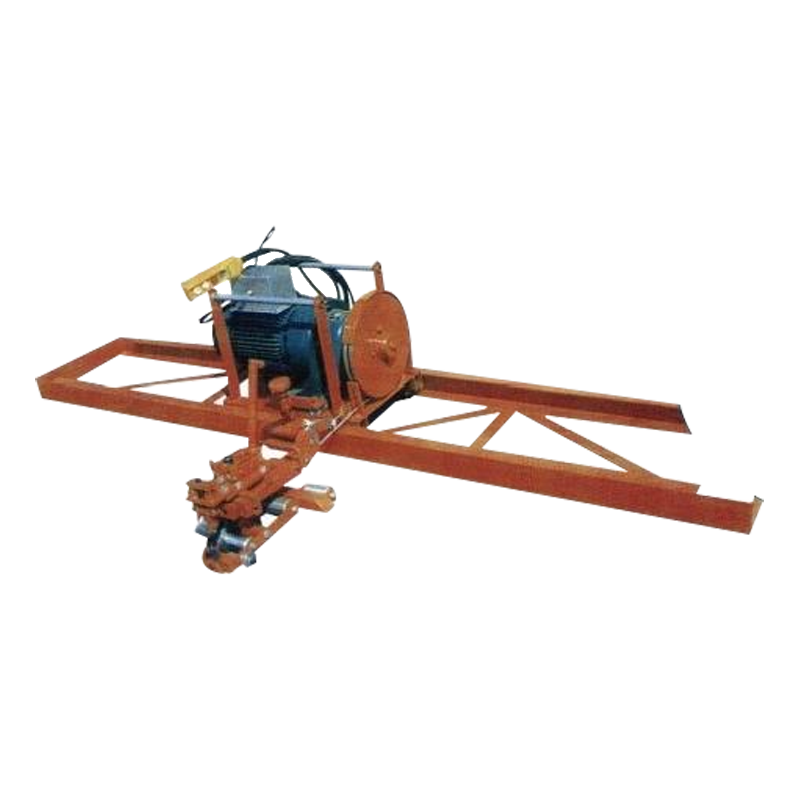 PBJ-2 Steel Wire Rope Conveyor Belt Peeling Machine
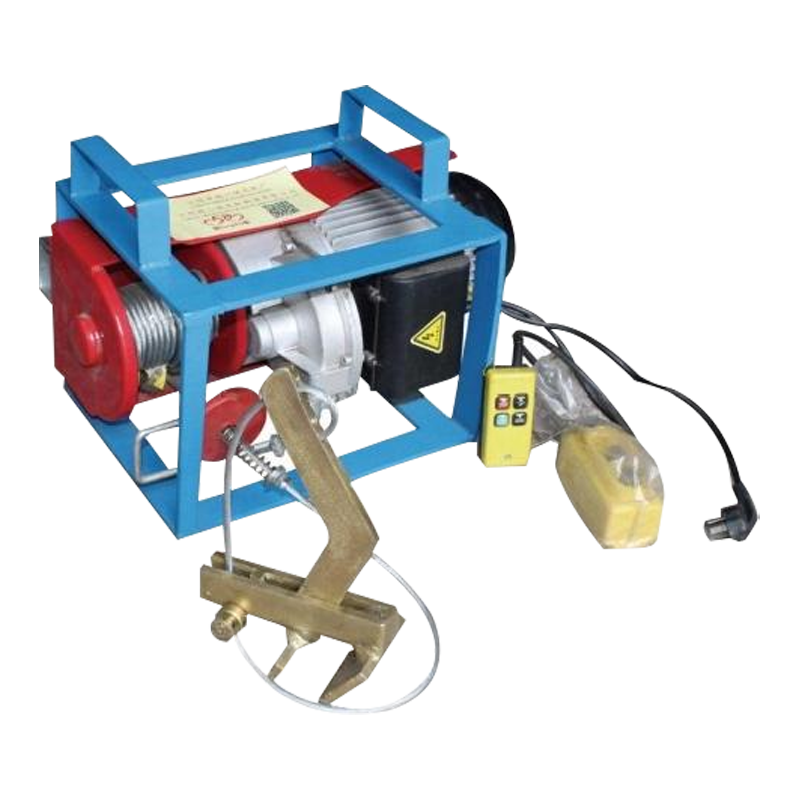 PBJ-4 Ordinary Conveyor Belt Peeling Machine
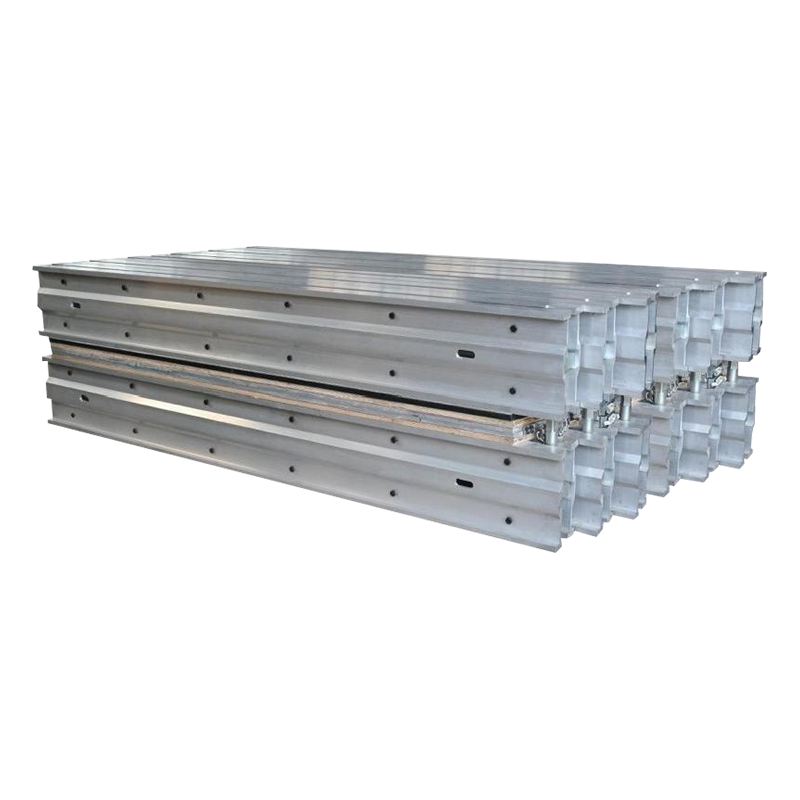 TXCK Electric Blanket Type Water-Cooled Vulcanizing Machine
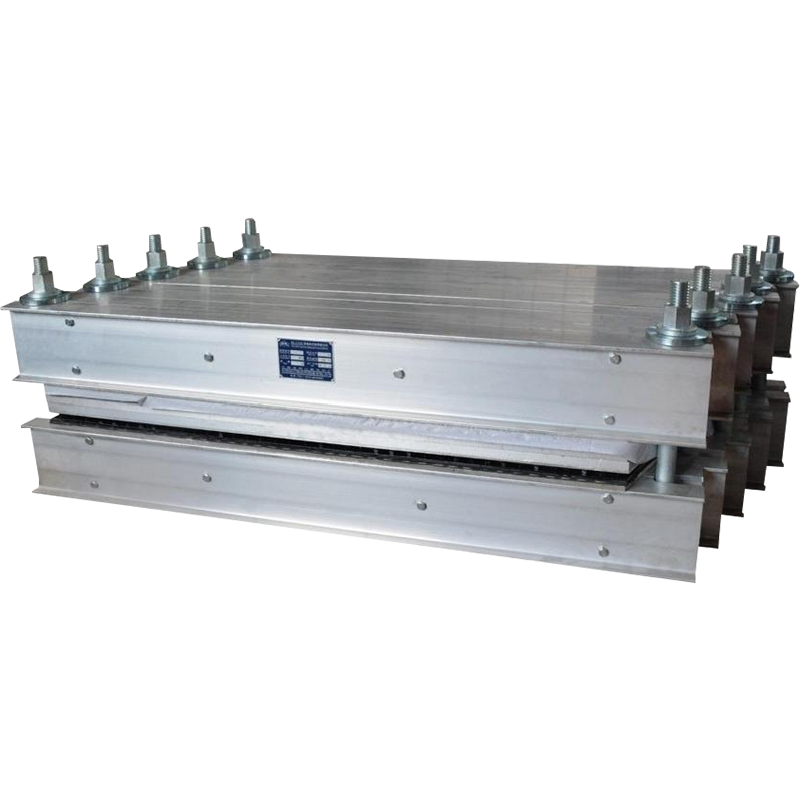 DJSL/DGLJL Water-Cooled Light Vulcanizing Machine
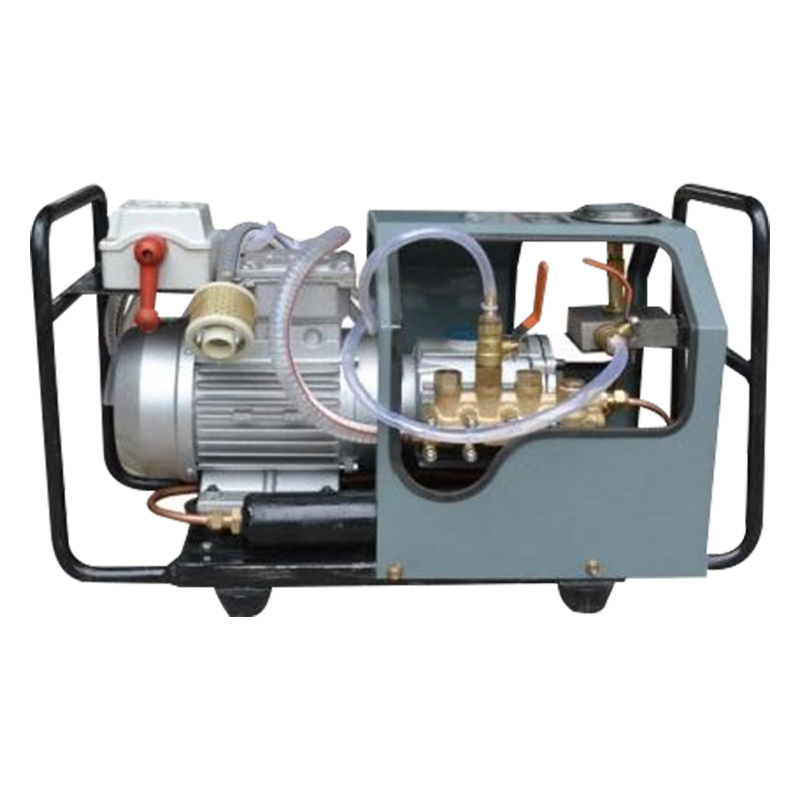 Conveyor Belt Repair: Ensuring Optimal Performance and Longevity
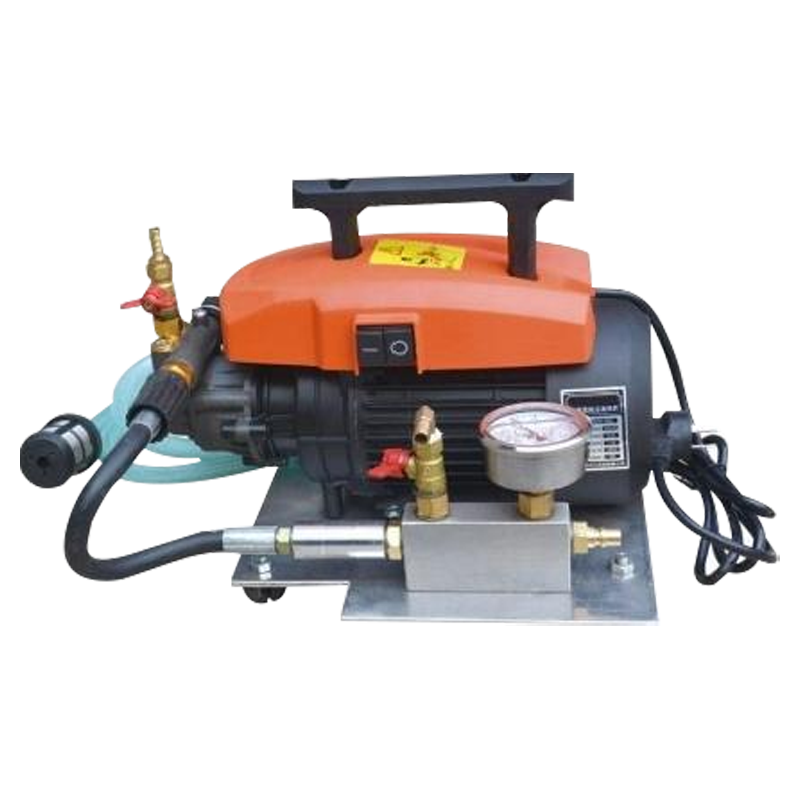 What is the Conveyor Belt Vulcanizing Machines?
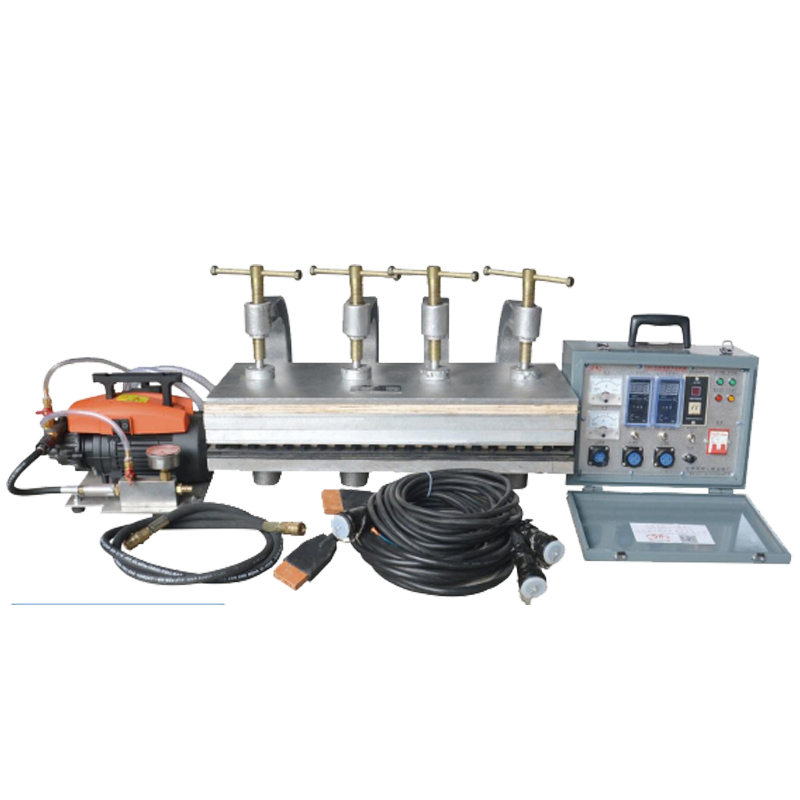 What is a Conveyor Belt Vulcanizing Machine and How Does It Work?
Conveyor Belt Repair Machines: How to Choose, Maintain, and Benefit from Them
What is a Conveyor Belt Vulcanizing Machine and How Does It Work?
Conveyor Belt Repair Machines: How to Choose, Maintain, and Benefit from Them
 +86-18915223007
  +86-0510-86336668
  [email protected]
  No.21, Hetang Central Street, Jiangyin City, Jiangsu Province
 Copyright © Jiangyin Tongxin Vulcanizing Machine Manufacturer Co., Ltd. All Rights Reserved.
OEM/ODM Belt Vulcanizer Accessories Manufacturers




 Eng
Eng  русский
 Home
Home