Vulcanization is a chemical process that strengthens rubber by forming cross-links between polymer chains, enhancing its durability, elasticity, and heat resistance. In the context of conveyor belts, vulcanization ensures that the belt sections are joined securely, creating a seamless, robust, and long-lasting conveyor system. Without proper vulcanization, belts are prone to tears, slippage, and early wear, leading to costly downtime and repairs.
Conveyor belts are critical components in industries such as mining, cement, power generation, and shipping. Continuous operation demands belts that can withstand heavy loads, abrasive materials, and harsh environmental conditions. Vulcanization plays a vital role in:
Properly vulcanized belts minimize downtime and enhance overall efficiency, making vulcanizing machines indispensable tools for industrial operations.
A conveyor belt vulcanizing machine is a specialized device designed to join and repair rubber belts using heat, pressure, and sometimes cooling systems. These machines allow technicians to perform belt splicing and repairs efficiently, whether in a factory, on-site, or in challenging industrial environments.
Key aspects of these machines include:
Conveyor belt vulcanizing machines vary in type, size, and functionality, ranging from portable units for quick on-site repairs to fully automated presses for large-scale industrial belts. Understanding their types, working principles, and applications is crucial for selecting the right machine and maximizing belt performance.
Conveyor belt vulcanizing machines come in various types, each designed to meet specific operational requirements and industrial applications. Selecting the right type of vulcanizing machine is crucial for achieving optimal belt performance, reducing downtime, and ensuring long-term durability. Generally, these machines are classified based on their cooling method, frame type, automation level, and special features like portability or hydraulic operation.
Cooling is an essential part of the vulcanization process, as it stabilizes the rubber after heating and curing. Vulcanizing machines can be categorized based on how they cool the belt splice:
Water cooling vulcanizing machines use a water circulation system to quickly reduce the temperature of the spliced belt. These machines are particularly effective for thick or heavy-duty belts, which require precise cooling to avoid rubber deformation or weak joints.
Advantages:
Applications: Often used in mining, aggregate, and cement industries, where belts are subject to heavy loads and abrasive materials.
Air cooling vulcanizing machines rely on ambient air or forced air to cool the belt after heating. While slower than water-cooled units, they are simpler in design and require less maintenance.
Advantages:
Applications: Ideal for smaller belts or moderate-duty applications, such as light manufacturing or conveyor systems in ports and shipping facilities.
The frame design of a vulcanizing machine affects its stability, portability, and the size of belts it can handle. Two common frame types are integrated and split frame machines.
In integrated frame machines, the heating plates, pressure system, and frame are a single unit. These machines are robust and suitable for permanent installations in workshops.
Advantages:
Limitations: Less portable; usually requires a dedicated area for installation.
Split frame machines have detachable sections, allowing technicians to assemble the machine around the belt on-site. This design is highly versatile, especially for belts installed in fixed conveyor systems.
Advantages:
Applications: Frequently used in mining and large-scale industrial conveyor systems where belt removal is impractical.
Automation level affects both the efficiency and ease of operation of vulcanizing machines.
Automatic machines control temperature, pressure, and curing time digitally, minimizing human intervention. They are ideal for large-scale industrial operations where consistency and speed are critical.
Advantages:
Applications: Heavy-duty belts in power plants, ports, and mining industries, where reliability is paramount.
Manual machines require operators to control pressure and timing manually. While slower and labor-intensive, they are cost-effective for small to medium-sized belts and low-volume operations.
Advantages:
Certain industries require specialized vulcanizing machines that offer unique features or portability.
Portable vulcanizing machines are compact, lightweight, and designed for on-site repairs. These machines can be transported directly to the conveyor belt location, eliminating the need for belt removal.
Advantages:
Applications: Common in ports, shipping yards, and mining sites, where belts are often large and fixed.
Hydraulic vulcanizing machines use hydraulic pressure systems to ensure uniform and strong bonding of belt splices. They are highly efficient for thick or heavy-duty belts.
Advantages:
Applications: Widely used in mining, cement, and aggregate industries, where belt strength is critical for safety and operational efficiency.
Understanding the components and working principle of a conveyor belt vulcanizing machine is essential for ensuring efficient belt repair and splicing. These machines are designed to apply controlled heat, pressure, and cooling to create a durable bond between belt ends, ensuring optimal performance and longevity.
A typical conveyor belt vulcanizing machine consists of several critical components that work together to achieve precise belt splicing.
Heating plates are the core elements of a vulcanizing machine. These plates generate the necessary heat to cure the rubber and bonding agents on the belt ends. Modern machines often feature temperature-controlled plates to ensure uniform heating and prevent uneven vulcanization, which can weaken the splice.
Key Features:
The pressure system ensures that the belt ends are pressed together uniformly during the heating process. This system can be hydraulic, mechanical, or pneumatic, depending on the machine type.
Hydraulic Systems: Provide consistent, adjustable pressure for thick or heavy-duty belts.
Mechanical Systems: Use screws or levers for pressure, suitable for smaller or medium-duty belts.
Uniform pressure prevents gaps or weak spots in the belt splice, which is crucial for industrial applications like mining and cement production.
The control panel is the brain of the vulcanizing machine. It allows operators to monitor and adjust temperature, pressure, and curing time. Advanced machines may also feature digital interfaces and automated settings for consistent and precise splicing.
Functions:
After heating, the belt splice must be cooled to solidify the rubber and ensure a strong bond. Vulcanizing machines may use water cooling or air cooling systems depending on the design.
Water Cooling Systems: Use circulating water to quickly reduce temperature, ideal for thick, heavy belts.
Air Cooling Systems: Utilize fans or ambient air, suitable for light to medium-duty belts.
Proper cooling prevents deformation or weakening of the splice, which is essential for high-performance conveyor belts.
The vulcanization process involves several systematic steps, combining heat, pressure, and cooling to achieve a durable belt splice.
Before using the vulcanizing machine, the belt ends must be prepared carefully:
Proper preparation ensures uniform heat distribution and bonding during the vulcanization process.
After preparation, the vulcanizing machine is set up:
Correct setup is critical to prevent uneven vulcanization or weak splices, which can lead to premature belt failure.
During this phase:
At the end of this step, the rubber has cross-linked, forming a strong, elastic joint that can withstand operational stresses.
Once the curing process is complete:
Some machines may include finishing tools to remove excess rubber or smooth the splice edges for optimal belt performance.
Conveyor belt vulcanizing machines play a crucial role in industries where continuous material handling is essential. They enable quick repairs, efficient belt splicing, and maintenance of conveyor systems, minimizing downtime and maximizing productivity. These machines are widely used across multiple sectors due to their versatility and reliability in joining and repairing belts.
The mining industry relies heavily on conveyor systems to transport bulk materials such as coal, ore, and minerals. Conveyor belts in mining are exposed to harsh conditions, including heavy loads, abrasive materials, and extreme temperatures.
Applications of Vulcanizing Machines in Mining:
Using vulcanizing machines in mining increases the lifespan of belts, minimizes production downtime, and ensures the safety of personnel and equipment.
Conveyor belts in aggregate and cement plants are essential for transporting raw materials like sand, gravel, limestone, and cement powder. These belts are subject to constant wear and tear due to abrasive materials and heavy-duty loads.
Applications in Aggregate and Cement Plants:
Proper use of vulcanizing machines ensures that conveyor belts can handle high loads and abrasive materials, maintaining efficiency in material handling.
Conveyor belts in power plants are used for transporting coal, biomass, and other fuel materials. Continuous operation and heavy loads make these belts prone to wear, damage, or misalignment.
Applications in Power Plants:
By using conveyor belt vulcanizing machines, power plants can achieve efficient energy generation, reduce maintenance costs, and maintain a reliable supply of fuel to boilers.
Ports and shipping facilities utilize conveyor belts for bulk cargo handling, including grains, coal, minerals, and containers. Belt downtime in ports can result in logistical delays and financial losses, making efficient belt repair essential.
Applications in Ports and Shipping:
Using vulcanizing machines in ports ensures timely cargo movement, reduces operational costs, and maintains smooth workflow in shipping operations.
Beyond heavy industries, vulcanizing machines are also applied in:
Across all sectors, the use of conveyor belt vulcanizing machines provides:
Industries with continuous material handling requirements benefit significantly from these machines, as they allow operators to maintain belts in peak condition without disrupting production. Selecting the appropriate machine type—portable, hydraulic, water-cooled, or automatic—is essential for maximizing operational efficiency and cost savings.
Conveyor belt vulcanizing machines have become an indispensable tool in industries that rely on continuous material handling. By enabling belt splicing, on-site repairs, and preventive maintenance, these machines offer significant operational benefits. However, like any specialized industrial equipment, they also come with limitations that must be considered when selecting a machine for your operations. Understanding the advantages and disadvantages helps businesses make informed decisions about investing in vulcanizing technology.
One of the primary advantages of using a conveyor belt vulcanizing machine is the extension of belt life. By creating seamless, strong splices, the machine prevents premature wear and tear, reducing the likelihood of unexpected belt failures.
Key Points:
This extended lifespan translates into fewer belt replacements and long-term cost savings for industrial operations.
Operational downtime can lead to significant financial losses in industries dependent on continuous material flow. Vulcanizing machines, particularly portable or on-site units, allow for quick repairs without the need to remove the belt from the system.
Benefits Include:
By minimizing production stoppages, vulcanizing machines improve overall operational efficiency.
Investing in a vulcanizing machine can lead to substantial long-term cost reductions:
Industries like mining, power plants, and shipping often recover the cost of the machine through operational savings within a relatively short period.
Vulcanized belts maintain smooth and reliable operation, enhancing the efficiency of conveyor systems. Key performance improvements include:
Properly vulcanized belts contribute to safer and more predictable operations, which is critical in industrial environments where safety and efficiency are priorities.
Despite their many advantages, vulcanizing machines also have certain limitations that businesses should be aware of before investing.
High-quality vulcanizing machines, especially hydraulic or automatic models, can require a significant upfront investment.
Vulcanizing machines are complex industrial equipment that require regular maintenance to function effectively:
Neglecting maintenance can compromise splice quality and reduce the overall lifespan of both the machine and the belts.
Operating a vulcanizing machine, particularly automatic or hydraulic models, requires trained personnel. Improper use can lead to:
Investing in operator training is essential to fully leverage the benefits of vulcanizing machines and maintain a safe working environment.
While portable vulcanizing machines exist, many large or hydraulic machines are heavy and designed for fixed installations:
This limitation makes it necessary to select a machine that aligns with the specific operational environment and mobility requirements.
Selecting the right conveyor belt vulcanizing machine is crucial for ensuring efficient belt splicing, long-lasting repairs, and smooth industrial operations. A poorly chosen machine can lead to uneven splices, frequent maintenance issues, or increased downtime, ultimately impacting productivity and operational costs. Several key factors must be carefully evaluated to match a machine with the specific requirements of your conveyor system and industry.
One of the most critical considerations is the width and thickness of the conveyor belt. Vulcanizing machines are designed to handle specific belt sizes:
Assessing the belt dimensions ensures that the machine can perform uniform splicing across the entire belt surface.
The pressure system is a fundamental component of a vulcanizing machine, determining how effectively the belt ends bond during the vulcanization process:
Understanding the required pressure ensures strong, durable splices that withstand operational stresses.
Precise temperature control is essential for rubber vulcanization:
Accurate temperature control guarantees consistent and high-quality belt splices, minimizing the risk of failures during operation.
Cooling is a critical step in the vulcanization process, as it stabilizes the rubber and prevents deformation:
Selecting a machine with an effective cooling system is especially important for industries where downtime must be minimized.
Depending on operational needs, portability may be a critical factor:
Machines that are easy to operate and transport save time and labor costs.
Safety is a top priority when dealing with high-pressure, high-temperature equipment:
Ensuring robust safety features protects both personnel and equipment, reducing downtime and liability risks.
While cost is an important consideration, it should be evaluated alongside long-term value:
Balancing budget constraints with operational requirements ensures the best combination of performance and value.
Beyond the primary factors, other considerations include:
Proper maintenance and timely troubleshooting are essential for ensuring the optimal performance and longevity of conveyor belt vulcanizing machines. These machines operate under high temperature, pressure, and mechanical stress, and neglecting maintenance can result in poor-quality splices, operational downtime, and costly repairs. This section provides a comprehensive guide to regular maintenance tasks, common problems, and effective troubleshooting techniques.
Routine maintenance ensures that a vulcanizing machine operates efficiently, maintains consistent belt splicing quality, and prevents unexpected breakdowns. Key maintenance tasks include:
Regular inspection helps identify minor issues before they escalate, ensuring consistent vulcanization quality.
For machines with hydraulic pressure systems, maintenance is crucial:
Proper hydraulic maintenance guarantees uniform pressure distribution, which is critical for strong belt splices.
A well-maintained electrical system ensures precise control over the vulcanization process, reducing errors and enhancing splice reliability.
Accurate temperature control is vital for strong, consistent splices and preventing rubber damage.
Even with proper maintenance, vulcanizing machines can encounter operational issues. Understanding these common problems and their solutions ensures minimal downtime and reliable belt performance.
Symptoms: One side of the belt splice appears undercured, soft, or weak.
Causes: Faulty heating plate, uneven pressure, or malfunctioning temperature sensor.
Solutions:
Symptoms: Poor bonding or weak splice despite proper heating.
Causes: Hydraulic leaks, worn mechanical parts, or uneven pressure distribution.
Solutions:
Symptoms: Incorrect readings for temperature, time, or pressure; machine fails to operate.
Causes: Faulty sensors, loose wiring, or software errors in automated machines.
Solutions:
Symptoms: Belt splice remains soft or deforms after vulcanization.
Causes: Blocked water lines, malfunctioning fans, or low coolant levels.
Solutions:
Conveyor belt vulcanizing machines operate under high temperatures, hydraulic pressure, and mechanical stress, making safety a critical aspect of their use. Proper safety measures protect operators, prevent equipment damage, and ensure smooth industrial operations. This section provides a comprehensive guide to general safety guidelines, personal protective equipment (PPE), and emergency procedures for working with vulcanizing machines.
Before starting any vulcanization task, conduct a thorough inspection of the machine:
Routine pre-operation inspections help prevent accidents and equipment malfunctions, ensuring safe and efficient belt splicing.
Incorrect setup can lead to uneven vulcanization, belt damage, or operator injury, so attention to detail is critical.
Always adhere to the manufacturer’s instructions regarding:
Following manufacturer guidelines reduces the risk of overheating, hydraulic failure, or electrical malfunctions, ensuring the machine operates safely and efficiently.
A clean, organized workspace minimizes slips, trips, and accidental contact with hot surfaces or moving parts.
Operators must wear appropriate PPE to protect against burns, mechanical injury, and exposure to hazardous materials. Recommended PPE includes:
Proper PPE, combined with training and awareness, significantly reduces the risk of injury when working with high-temperature, high-pressure vulcanizing machines.
Even with preventive measures, emergencies can occur. Having clear procedures ensures quick and effective responses:
The conveyor belt industry is evolving rapidly, driven by the need for higher efficiency, lower downtime, and safer operations. As industries such as mining, cement, power generation, and ports increasingly rely on conveyor systems for continuous material handling, conveyor belt vulcanizing machines are also undergoing technological advancements. These innovations focus on automation, energy efficiency, portability, and digital integration, allowing operators to achieve better splicing quality, faster repairs, and reduced operational costs.
One of the most significant trends in vulcanizing technology is the integration of automation and smart systems. Traditional machines required manual monitoring of temperature, pressure, and curing time, leaving room for human error. Modern automatic and semi-automatic machines now incorporate advanced control panels, sensors, and microprocessors that streamline the vulcanization process.
Key Features of Automated Vulcanizing Machines:
Automation reduces the reliance on skilled operators for routine tasks, allowing maintenance teams to focus on complex repairs and preventive maintenance. It also ensures consistent, high-quality splices, which are critical in industries where belts carry heavy or abrasive materials.
Smart technology integration is another emerging trend. Some machines now feature IoT-enabled sensors that collect real-time data on pressure, temperature, and curing cycles. This data can be analyzed to predict maintenance needs, optimize performance, and prevent potential failures.
With growing industrial focus on sustainability and operational costs, energy-efficient vulcanizing machines are becoming increasingly popular. Traditional heating methods consume significant amounts of energy, which can be costly over time. Future machines are adopting innovations that reduce power consumption while maintaining heating efficiency.
Energy-Efficient Innovations Include:
Energy-efficient machines not only lower operating costs but also reduce the carbon footprint of industrial operations, supporting environmental compliance in mining, cement, and shipping industries.
Another trend in conveyor belt vulcanization is portability and compactness. On-site belt repairs are often necessary, particularly in mining sites, ports, or long conveyor installations where removing the belt for workshop repair is impractical.
Innovations in Portable Vulcanizing Machines:
Portable machines allow rapid response to belt failures, minimizing downtime and preventing production delays. Compact and modular designs also make it easier for maintenance teams to carry and operate machines across multiple sites without specialized equipment.
The integration of remote monitoring and control systems is transforming how vulcanizing machines are operated. Using IoT and cloud-based technologies, operators can:
Remote monitoring reduces the need for constant on-site supervision, enhances operator safety, and improves workflow efficiency. This trend is particularly valuable in large-scale industrial operations like mining or power plants, where multiple conveyor belts may require simultaneous monitoring and maintenance.
Future vulcanizing machines are increasingly integrated with predictive maintenance systems. By analyzing data collected from sensors, these machines can predict when a component is likely to fail, such as:
Predictive maintenance allows technicians to schedule repairs before failures occur, minimizing unplanned downtime and ensuring consistent belt performance. This trend aligns with the broader industrial focus on Industry 4.0 and smart manufacturing, where real-time monitoring and predictive analytics improve operational efficiency.
Environmental concerns are shaping the development of eco-friendly vulcanizing machines:
These trends reflect a growing commitment to sustainable industrial practices while maintaining high-performance belt repair and splicing standards.
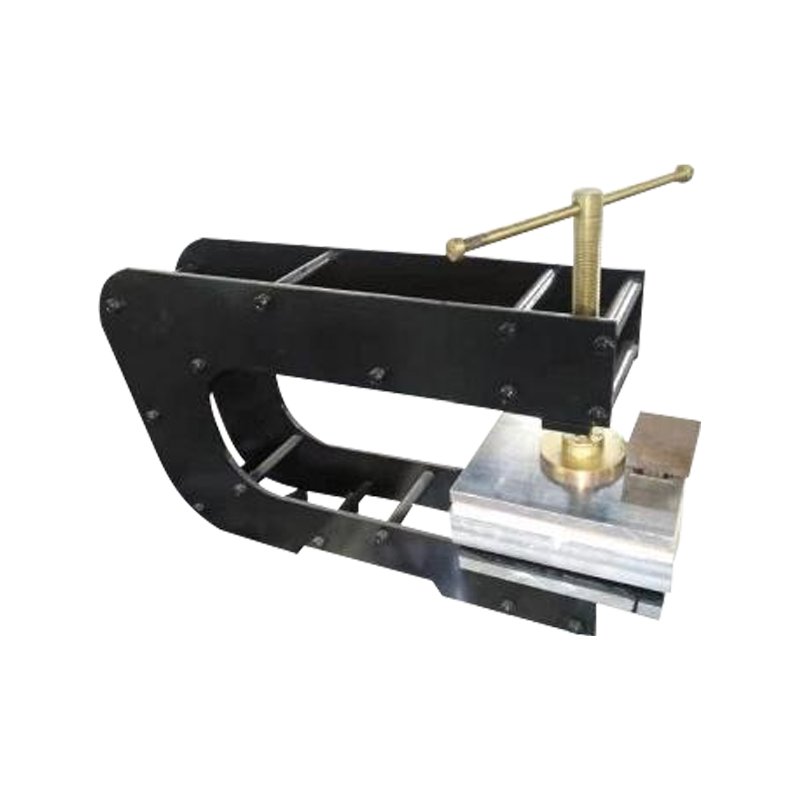 XBG-1 Conveyor Belt Point Patcher
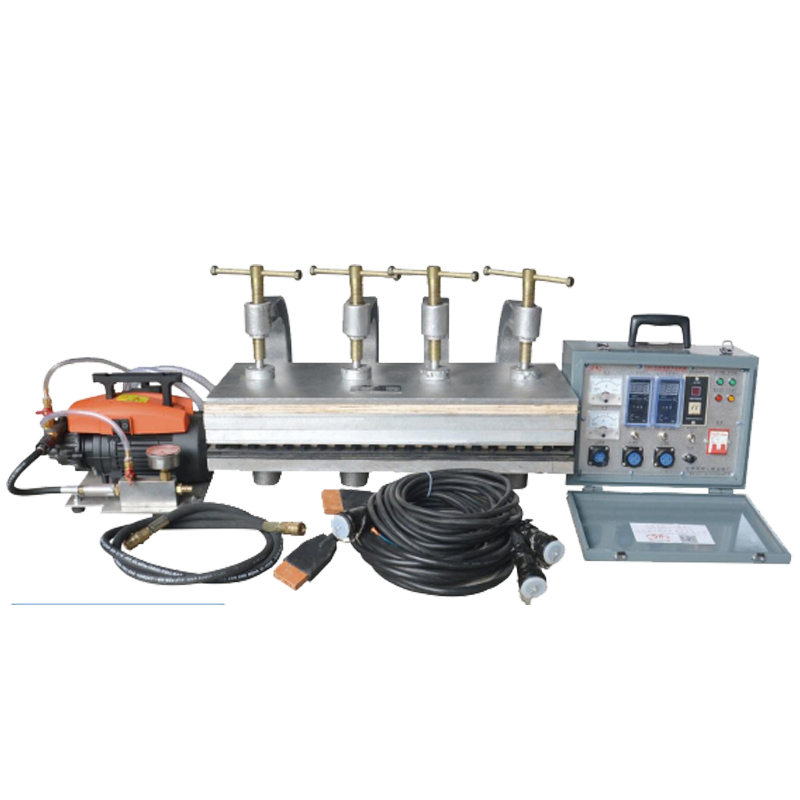 XBG-2 Conveyor Belt Edge Patcher
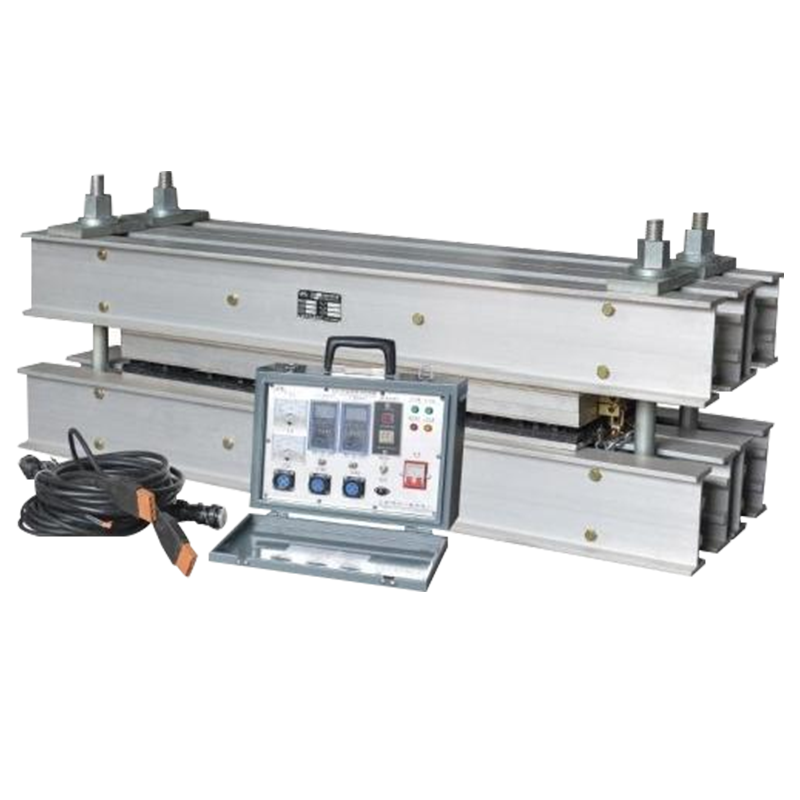 XBG-3 Conveyor Belt Line Patcher
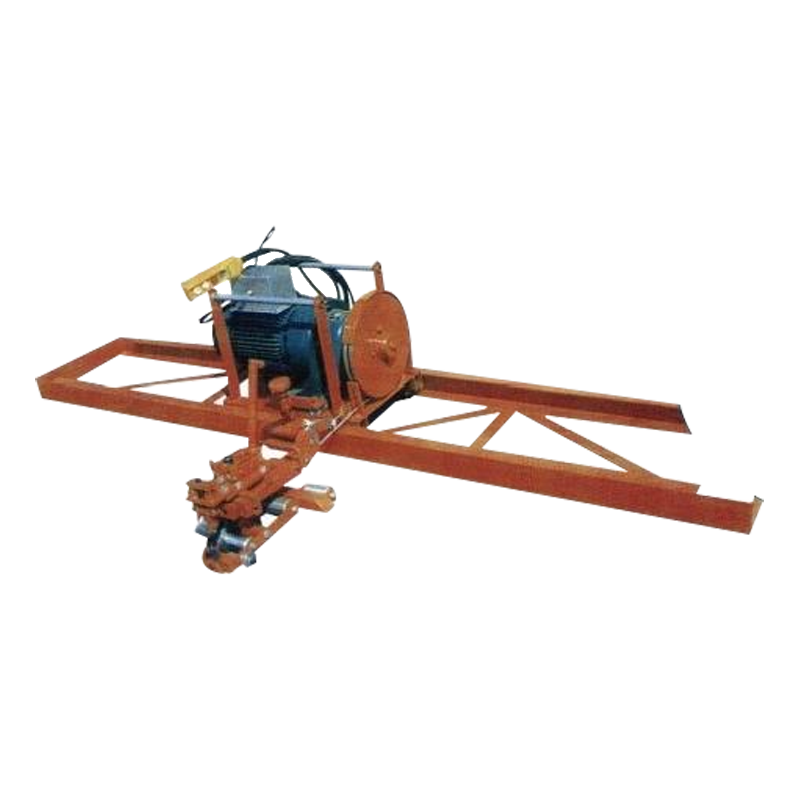 PBJ-2 Steel Wire Rope Conveyor Belt Peeling Machine
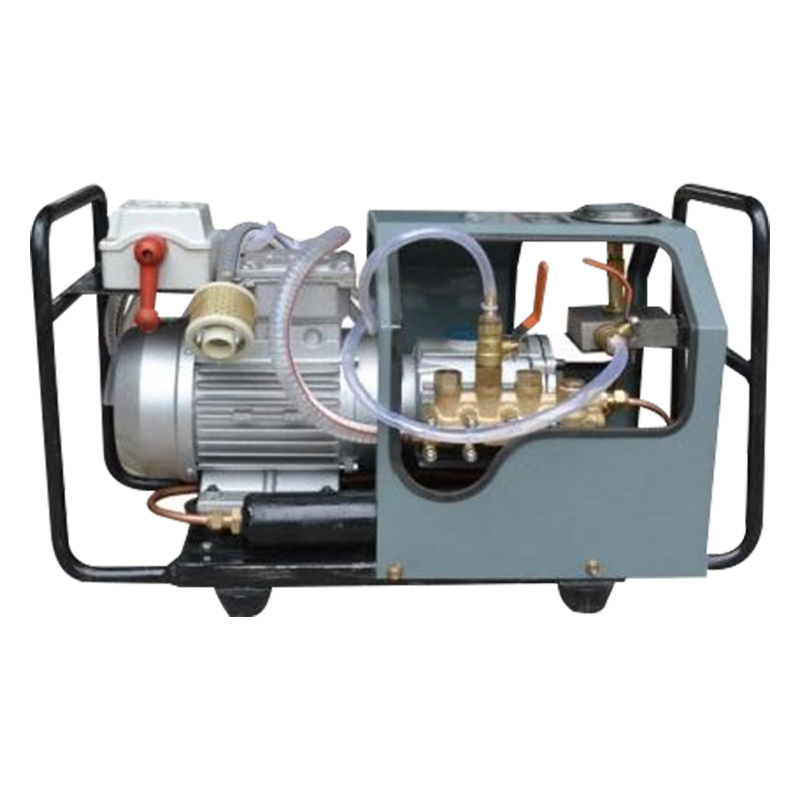 Conveyor Belt Repair: Ensuring Optimal Performance and Longevity
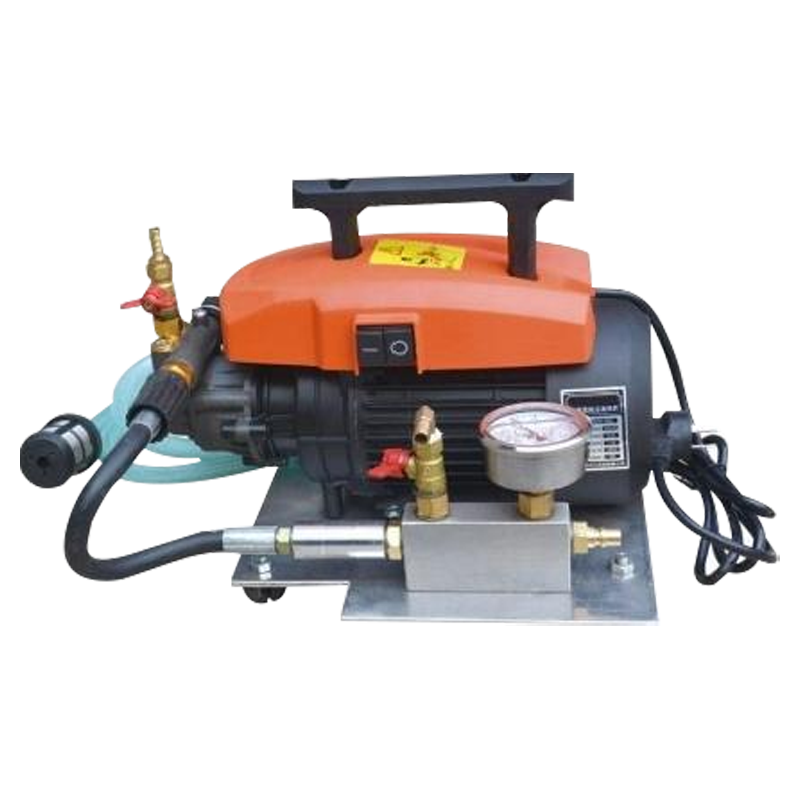 What is the Conveyor Belt Vulcanizing Machines?
What is a Conveyor Belt Vulcanizing Machine and How Does It Work?
What is the Conveyor Belt Vulcanizing Machines?
What is a Conveyor Belt Vulcanizing Machine and How Does It Work?
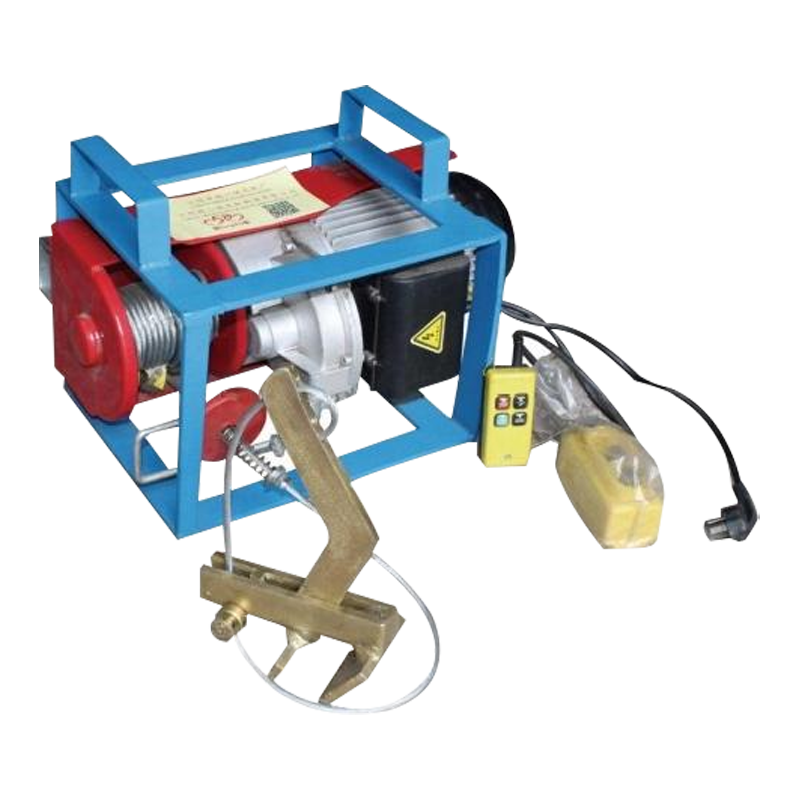 Conveyor Belt Repair Machines: How to Choose, Maintain, and Benefit from Them
 +86-18915223007
  +86-0510-86336668
  [email protected]
  No.21, Hetang Central Street, Jiangyin City, Jiangsu Province
 Copyright © Jiangyin Tongxin Vulcanizing Machine Manufacturer Co., Ltd. All Rights Reserved.
OEM/ODM Belt Vulcanizer Accessories Manufacturers




 Eng
Eng  русский
 Home
Home