The professional Conveyor Belt Repair Machine can perform both transverse splice repairs and longitudinal rip repairs. However, the procedures, tooling configurations, and cure parameters differ significantly between the two repair types. Understanding these differences is essential for selecting the right machine setup, minimizing downtime, and ensuring the repaired belt meets the tensile and operational demands of your conveyor system.
A transverse splice repair joins two belt ends perpendicular to the belt's running direction. This is the most common repair type performed with a Conveyor Belt Repair Machine and is used when a belt has been cut, torn across its full width, or needs to be shortened after damage removal.
Transverse splices can be either finger splices (interlocking stepped cuts for maximum strength) or straight splices (simpler cross-cut joins). For steel-cord belts, the splice involves individually anchoring exposed steel cords into a fresh rubber compound layer before vulcanization.
A longitudinal rip is a tear that runs along the length of the belt, typically caused by a sharp object becoming lodged under the belt and cutting through the carcass as the belt travels. These are among the most destructive and costly failures in conveyor operations. A single undetected rip can extend for hundreds of meters within minutes, destroying the entire belt.
When using a Conveyor Belt Repair Machine for longitudinal rip repairs, the damaged section is first cleaned, buffed, and prepared. A repair compound is applied to fill the void, and the machine's platen is repositioned in sections along the rip length to vulcanize the repair progressively. This segmented curing approach requires careful alignment to ensure a continuous, uniform bond.
The table below summarizes the main differences between these two repair types when performed using a Conveyor Belt Repair Machine:
| Parameter | Transverse Splice Repair | Longitudinal Rip Repair |
|---|---|---|
| Repair Orientation | Perpendicular to belt travel | Parallel to belt travel |
| Typical Cause | Belt cut, wear-out, or shortening | Sharp object penetration |
| Platen Cure Passes | Usually single pass | Often multiple sequential passes |
| Cure Time (typical) | 25–45 minutes | 30–90 minutes (per section) |
| Complexity | Moderate to high | High |
| Tensile Strength Recovery | Up to 85–95% of original | Up to 70–85% of original |
| Repair Material Volume | Moderate | Low to moderate |
A well-engineered Conveyor Belt Repair Machine is built with versatility in mind. The following machine features directly enable both repair types:
For transverse splices, the platen is positioned squarely across the belt width. For longitudinal repairs, the machine is repositioned incrementally along the belt's length. Most modern machines feature quick-release clamp systems that allow repositioning in under 5 minutes without disrupting the previously cured section.
Hydraulic bladder or multi-cylinder systems ensure even clamping pressure across the entire platen area, regardless of repair orientation. This is critical for longitudinal repairs where the rip channel creates an uneven surface. Machines with segmented pressure zones can compensate for surface irregularities more effectively.
PLC-equipped Conveyor Belt Repair Machines allow operators to store and recall specific cure profiles for each repair scenario. For example, a longitudinal rip in a 10mm cover belt may require a different temperature ramp-up rate than a full transverse splice on a 20mm steel-cord belt. Storing these profiles eliminates human error and ensures repeatability.
While both repair types follow the same fundamental vulcanization principle, the workflow diverges at several key steps:
Even the most capable Conveyor Belt Repair Machine has limitations. Repair is not always the right solution. Consider belt replacement when:
A proactive maintenance schedule combined with a reliable Conveyor Belt Repair Machine can extend belt service life by 30% to 50% in typical mining and bulk material handling applications, making the investment in proper repair equipment highly cost-effective compared to frequent full belt replacements.
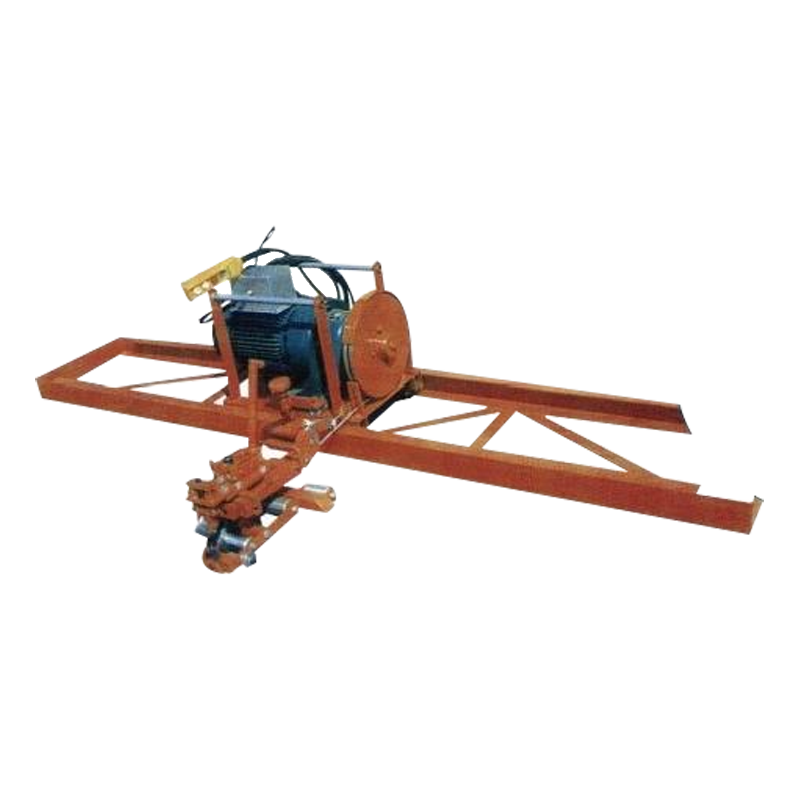 PBJ-2 Steel Wire Rope Conveyor Belt Peeling Machine
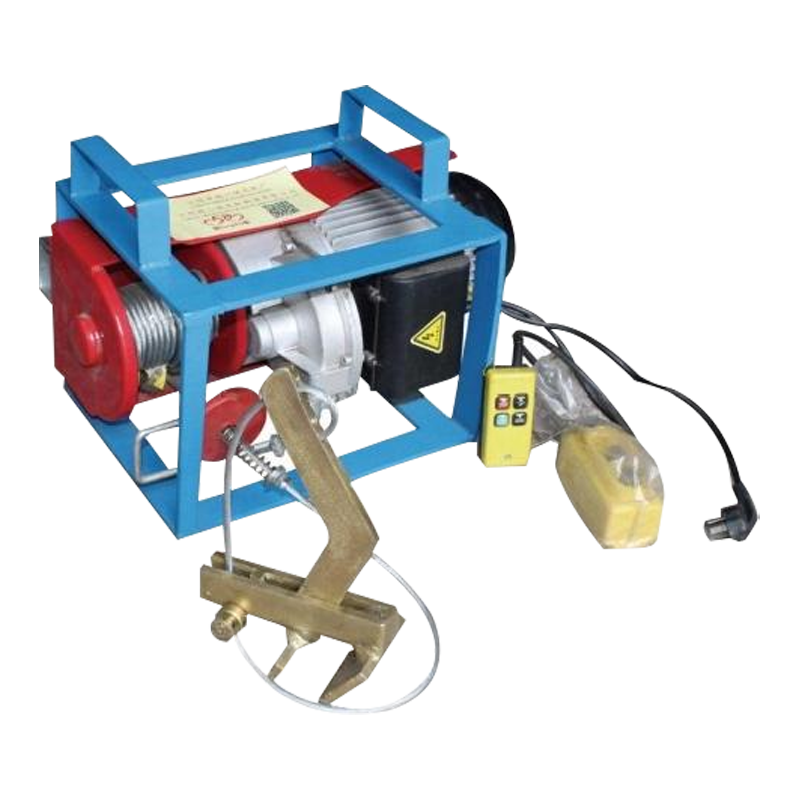 PBJ-4 Ordinary Conveyor Belt Peeling Machine
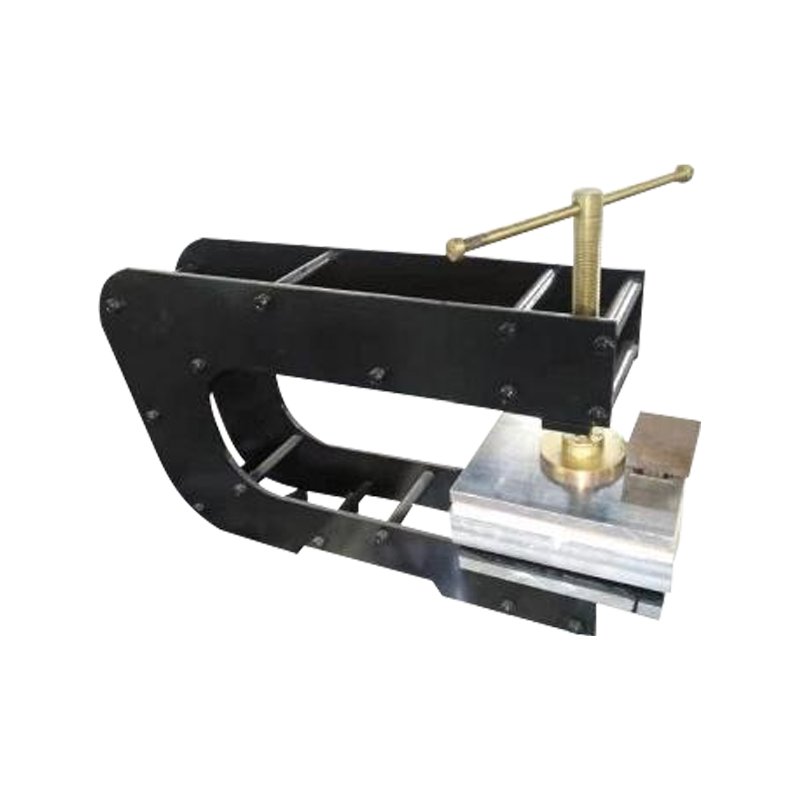 XBG-1 Conveyor Belt Point Patcher
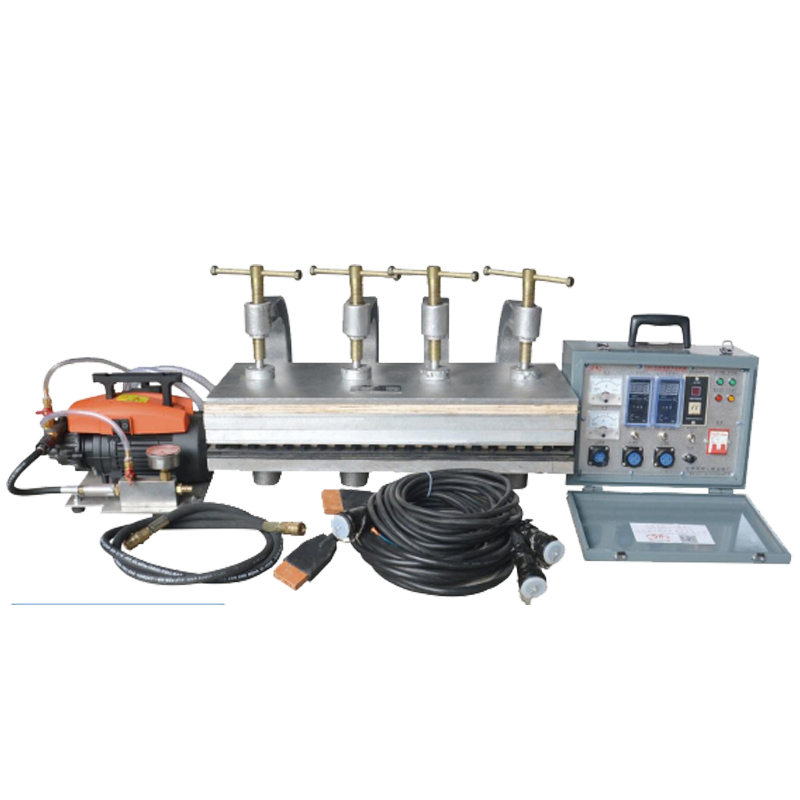 XBG-2 Conveyor Belt Edge Patcher
 Conveyor Belt Repair: Ensuring Optimal Performance and Longevity
 What is the Conveyor Belt Vulcanizing Machines?
What is a Conveyor Belt Vulcanizing Machine and How Does It Work?
Conveyor Belt Repair Machines: How to Choose, Maintain, and Benefit from Them
What is the Conveyor Belt Vulcanizing Machines?
What is a Conveyor Belt Vulcanizing Machine and How Does It Work?
Conveyor Belt Repair Machines: How to Choose, Maintain, and Benefit from Them
 +86-18915223007
  +86-0510-86336668
  [email protected]
  No.21, Hetang Central Street, Jiangyin City, Jiangsu Province
 Copyright © Jiangyin Tongxin Vulcanizing Machine Manufacturer Co., Ltd. All Rights Reserved.
OEM/ODM Belt Vulcanizer Accessories Manufacturers




 Eng
Eng  русский
 Home
Home