Many modern Conveyor Belt Vulcanizing Machines are engineered to support both hot vulcanization and cold vulcanization joints, though the degree of compatibility depends on the machine's design, configuration, and intended application. Most industrial-grade models are optimized for hot vulcanization, while select portable or multi-function units can also accommodate cold bonding processes. Understanding the difference between these two methods — and how a specific machine handles each — is critical for selecting the right equipment and achieving reliable splice performance in the field.
Hot vulcanization is the process of applying controlled heat and pressure to chemically bond rubber belt ends into a permanent splice. A Conveyor Belt Vulcanizing Machine used for hot vulcanization typically operates at temperatures between 140°C and 160°C and applies pressures ranging from 1.0 MPa to 1.5 MPa, depending on the belt compound and ply construction.
During this process, the machine's heating platens transfer thermal energy uniformly across the splice area, activating the sulfur-based cross-linking agents in the rubber compound. The result is a molecular bond that can achieve 85% to 95% of the original belt tensile strength — making hot vulcanization the preferred method for high-load, continuous-operation conveyor systems in mining, cement, and bulk material handling.
Cure time for hot vulcanization in a standard Conveyor Belt Vulcanizing Machine typically ranges from 25 to 45 minutes per cycle for fabric-ply belts, while steel cord belts may require longer cycles of 45 to 90 minutes, depending on belt width and thickness.
Cold vulcanization does not require heat. Instead, it uses a two-component chemical adhesive system — typically a solvent-based bonding agent combined with a vulcanizing cement — to chemically cure the splice at ambient temperature. Some Conveyor Belt Vulcanizing Machines, particularly portable field units, include clamping frames or pressure plates that can apply and maintain the necessary bonding pressure for cold vulcanization without activating the heating elements.
Cold vulcanization joints generally achieve 60% to 75% of belt nominal tensile strength, which is lower than hot vulcanization. However, the process is faster to set up, requires no power supply for heating, and is suitable for emergency repairs or locations where open-flame or high-heat operations are restricted.
It is important to note that not all Conveyor Belt Vulcanizing Machines are designed to facilitate cold vulcanization. Machines built exclusively for hot splicing lack the frame clamping fixtures or pressure retention hardware needed to support cold bonding. Always verify with the manufacturer whether a given machine supports dual-mode operation.
Conveyor Belt Vulcanizing Machines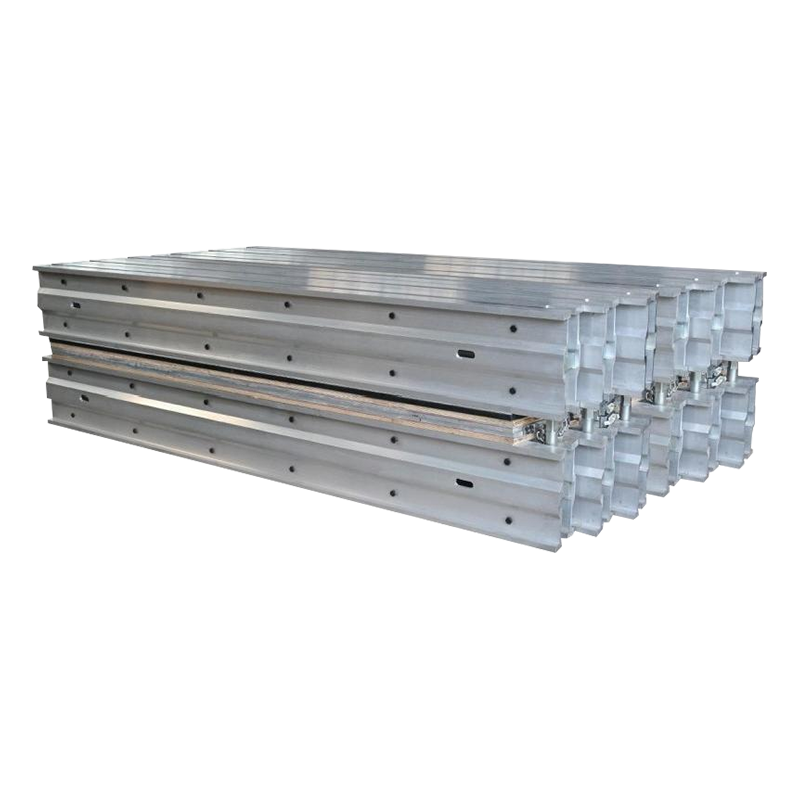
The table below summarizes the key technical and operational differences between the two methods when processed using a Conveyor Belt Vulcanizing Machine:
| Parameter | Hot Vulcanization | Cold Vulcanization |
|---|---|---|
| Operating Temperature | 140°C – 160°C | Ambient (no heat required) |
| Applied Pressure | 1.0 – 1.5 MPa | 0.3 – 0.6 MPa (clamp pressure) |
| Joint Strength (% of belt rating) | 85% – 95% | 60% – 75% |
| Cure / Set Time | 25 – 90 minutes | 2 – 24 hours (chemical cure) |
| Power Supply Required | Yes (electric or hydraulic) | No (clamping only) |
| Best For | Permanent, high-load splices | Emergency repairs, light-duty belts |
| Suitable Belt Types | Fabric-ply, steel cord, EP, NN | Light fabric, PVC (limited) |
Material compatibility is one of the most important factors when deciding which vulcanization method to use with your Conveyor Belt Vulcanizing Machine. Here is a breakdown by belt type:
If your operation requires both hot and cold vulcanization capability from a single Conveyor Belt Vulcanizing Machine, look for the following features when evaluating models:
The choice between methods ultimately depends on your operational priorities. Use your Conveyor Belt Vulcanizing Machine for hot vulcanization when:
Opt for cold vulcanization (if your Conveyor Belt Vulcanizing Machine supports it) when:
A Conveyor Belt Vulcanizing Machine capable of processing both hot and cold vulcanization joints offers significant operational flexibility, but it is not a universal solution for every belt type or splice requirement. Hot vulcanization remains the gold standard for permanent, high-strength joints, delivering splice efficiency rates of 85–95% across steel cord and heavy fabric belts. Cold vulcanization, while useful for emergencies and light-duty applications, should be treated as a secondary method with well-understood performance limitations.
Before purchasing or deploying a Conveyor Belt Vulcanizing Machine, confirm with the manufacturer which vulcanization modes are supported, what belt materials and widths are within specification, and whether the machine's pressure and temperature systems can be independently controlled. This due diligence ensures that every splice — whether hot or cold — meets the performance and safety standards your conveyor system demands.
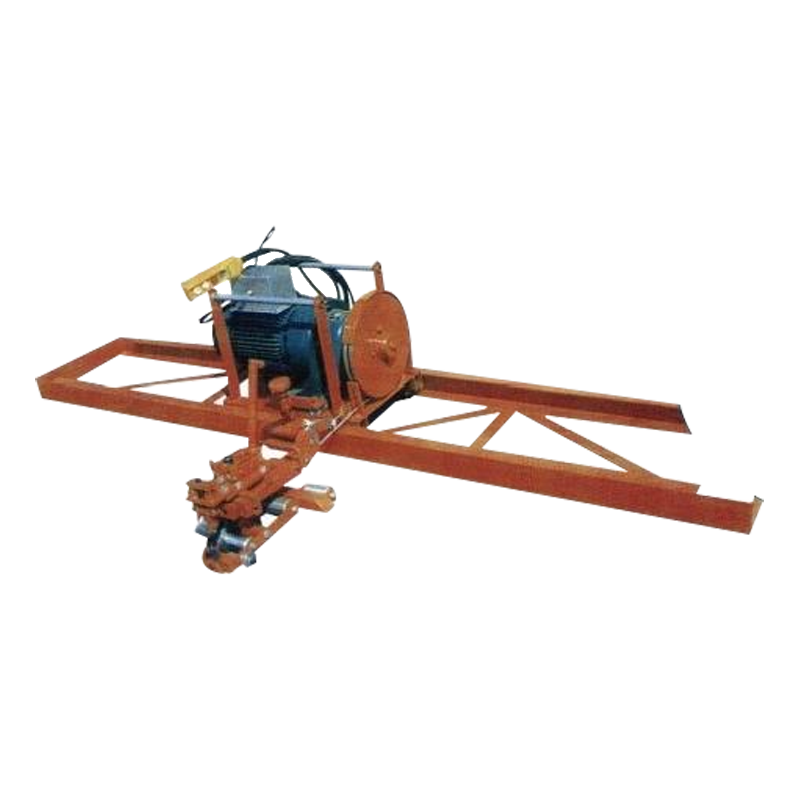 PBJ-2 Steel Wire Rope Conveyor Belt Peeling Machine
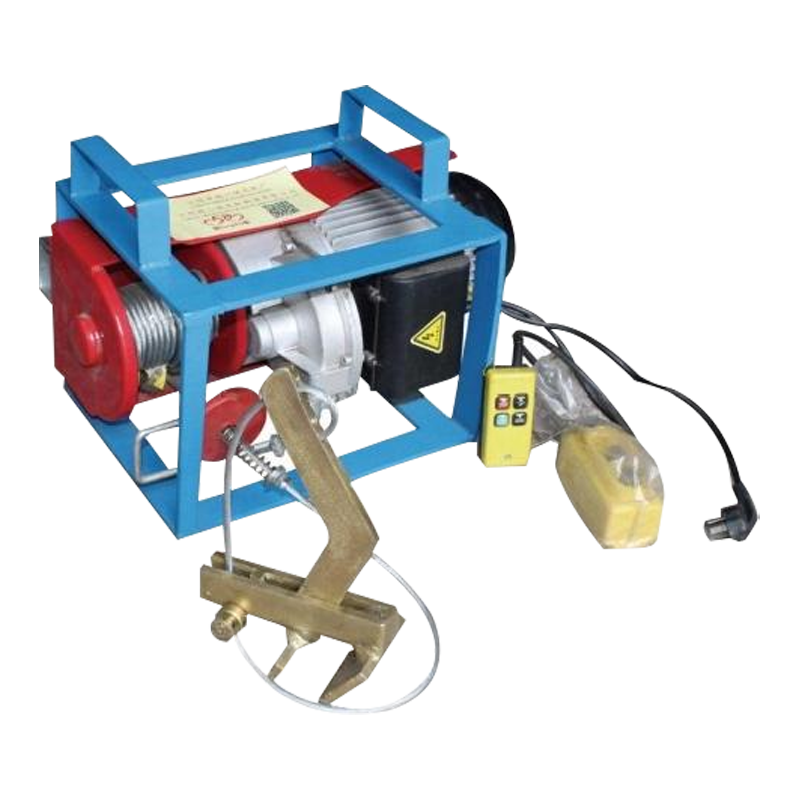 PBJ-4 Ordinary Conveyor Belt Peeling Machine
 TXCK Electric Blanket Type Water-Cooled Vulcanizing Machine
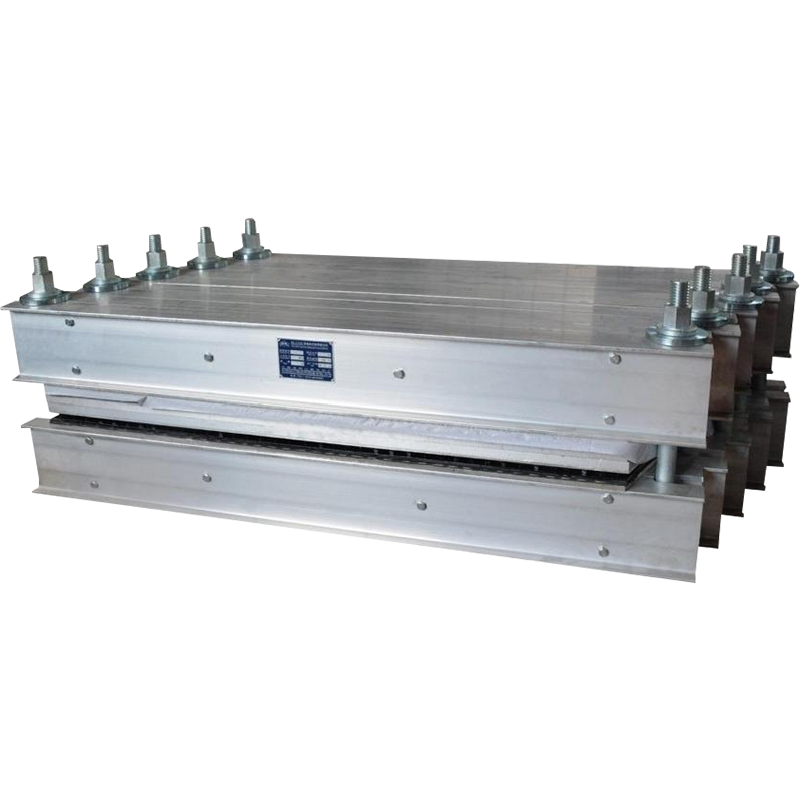 DJSL/DGLJL Water-Cooled Light Vulcanizing Machine
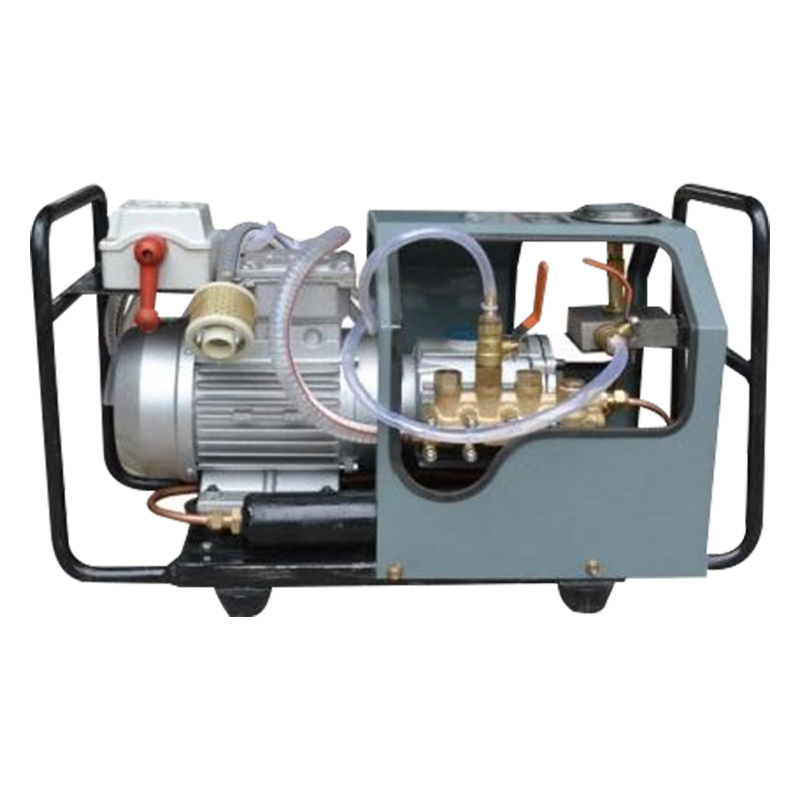 Conveyor Belt Repair: Ensuring Optimal Performance and Longevity
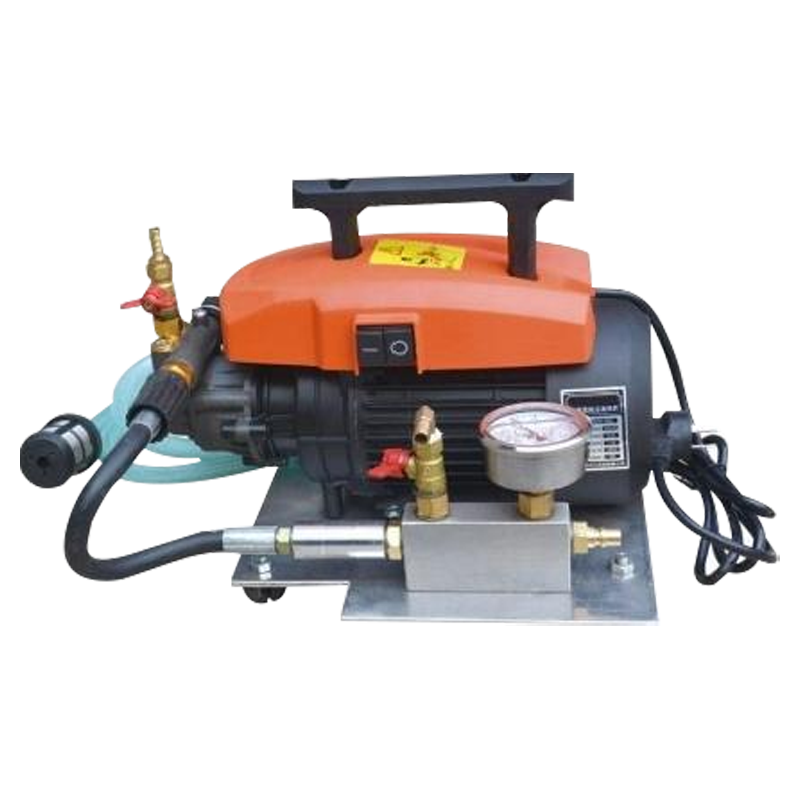 What is the Conveyor Belt Vulcanizing Machines?
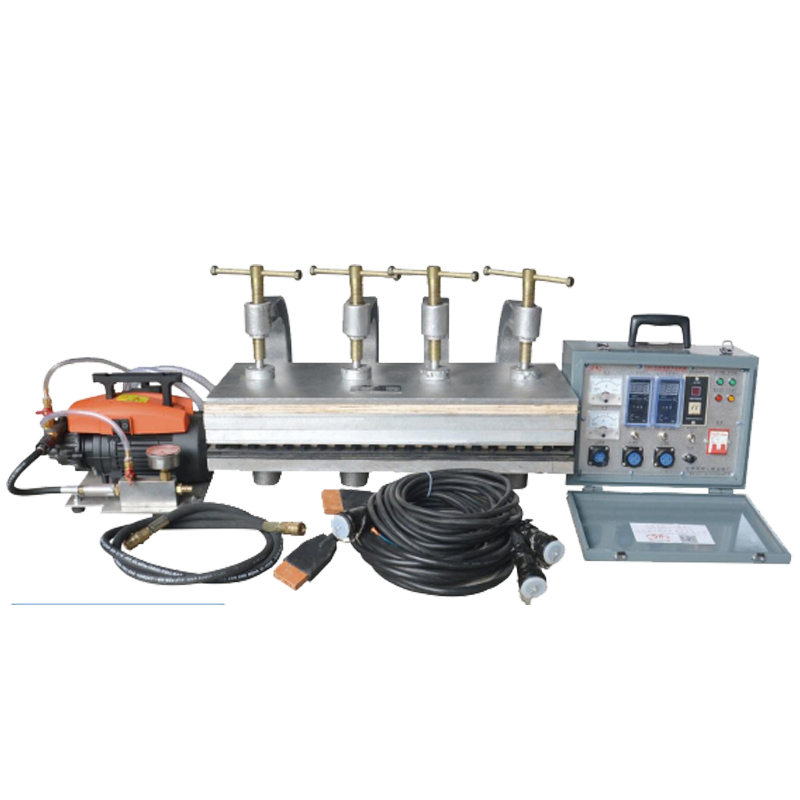 What is a Conveyor Belt Vulcanizing Machine and How Does It Work?
Conveyor Belt Repair Machines: How to Choose, Maintain, and Benefit from Them
What is a Conveyor Belt Vulcanizing Machine and How Does It Work?
Conveyor Belt Repair Machines: How to Choose, Maintain, and Benefit from Them
 +86-18915223007
  +86-0510-86336668
  [email protected]
  No.21, Hetang Central Street, Jiangyin City, Jiangsu Province
 Copyright © Jiangyin Tongxin Vulcanizing Machine Manufacturer Co., Ltd. All Rights Reserved.
OEM/ODM Belt Vulcanizer Accessories Manufacturers




 Eng
Eng  русский
 Home
Home