Precision Heating Systems: Conveyor Belt Repair Machines utilize advanced electric, hydraulic, or induction heating systems to ensure uniform heat distribution across the entire splice area. These systems include embedded thermocouples or temperature sensors that constantly monitor the surface and core temperature of the belt, providing real-time feedback to the machine’s control unit. The temperature can be precisely adjusted depending on the belt material—natural rubber, synthetic rubber, PVC, or PU—and the thickness of the belt. Uniform heating is critical because uneven heat can result in partial curing, weak bonding, or localized degradation of the belt material, which may reduce splice durability and operational lifespan. High-quality machines also include heating plates or blocks with high thermal conductivity, ensuring the energy penetrates evenly through multiple belt plies and reinforcement layers.
Controlled Pressure Application: A key factor in achieving a durable splice is uniform pressure across the belt surface during the vulcanization process. Conveyor Belt Repair Machines employ hydraulic, pneumatic, or mechanically regulated pressing systems to apply consistent and adjustable pressure. This ensures that the belt layers, fabric or steel reinforcements, and edges are tightly bonded, eliminating air pockets, uneven adhesion, or weak zones. Machines often allow operators to program different pressure settings for multi-ply or reinforced belts, as thicker or more rigid belts require greater force to achieve proper bonding. Consistent pressure guarantees that the repaired splice performs equivalently to the original belt, with minimal risk of premature failure under high operational loads.
Vulcanization Technology: The splice process in these machines relies on hot vulcanization, a combination of heat, pressure, and dwell time that chemically bonds the belt material. Conveyor Belt Repair Machines are equipped with programmable control panels that allow operators to precisely set temperature, pressure, and curing duration based on the belt manufacturer’s specifications. Some advanced models feature automated sequences that adjust heat and pressure incrementally, ensuring that each layer of a multi-ply belt cures optimally. This chemical bonding process creates a seamless and durable joint that is resistant to mechanical stress, abrasion, and environmental factors, producing a splice that is as strong as—or sometimes stronger than—the original belt material.
Alignment and Guidance Systems: Proper alignment is crucial for a uniform splice, especially in high-speed or heavily loaded conveyor systems. Conveyor Belt Repair Machines include precision alignment guides, clamps, and side rails to maintain perfect positioning of the belt ends during the splice process. Misalignment can create uneven stress distribution, reduce splice strength, and lead to tracking problems during operation. These guidance systems prevent lateral shifts or twisting of the belt, ensuring that the edges, reinforcement layers, and plies remain correctly aligned throughout heating, pressing, and curing. Some machines also incorporate laser or mechanical alignment markers to assist operators in achieving accurate belt positioning.
Quality Monitoring and Feedback: Modern Conveyor Belt Repair Machines often include real-time monitoring and diagnostic systems to ensure the splice meets quality standards. Sensors continuously measure temperature, pressure, and curing time, and digital readouts or alarms alert the operator if parameters deviate from the preset values. This feedback allows immediate correction, reducing the risk of defective splices and ensuring uniform quality across multiple repairs. Some machines even include data logging capabilities to record repair parameters, creating a verifiable maintenance record for industrial compliance and safety audits. This system ensures that every splice is consistent, durable, and able to withstand the operational demands of the conveyor system.
Layer-Specific Control for Multi-Ply Belts: Conveyor belts with multiple reinforcement layers—such as steel cords, polyester plies, or synthetic fabrics—require differential heat and pressure control to achieve uniform bonding. High-end Conveyor Belt Repair Machines allow operators to customize settings for each layer, ensuring that every ply is properly vulcanized without over-curing or under-curing adjacent layers. This is essential for heavy-duty industrial belts used in mining, steel, or bulk material handling, where uneven bonding could lead to delamination or catastrophic failure under high loads. Layer-specific control maximizes the mechanical integrity and operational longevity of the splice.
Consistency Across Repeated Repairs: One of the key advantages of using a Conveyor Belt Repair Machine is repeatability and consistency. Unlike manual repairs, which are subject to human error, these machines precisely control all critical parameters—temperature, pressure, dwell time, and alignment—ensuring that each repair produces a uniform and durable splice. This is especially important in industrial environments with multiple belts or high-volume operations, where downtime or belt failure can have significant economic impact. Consistent, high-quality splicing also reduces maintenance costs, prevents unexpected operational interruptions, and extends the overall life of the conveyor belt.
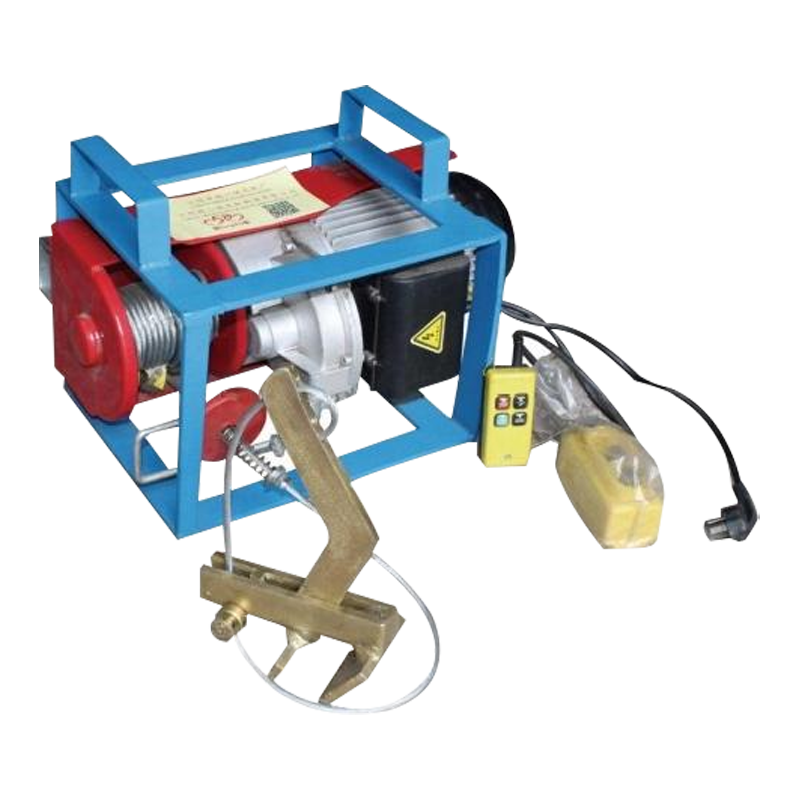 PBJ-4 Ordinary Conveyor Belt Peeling Machine
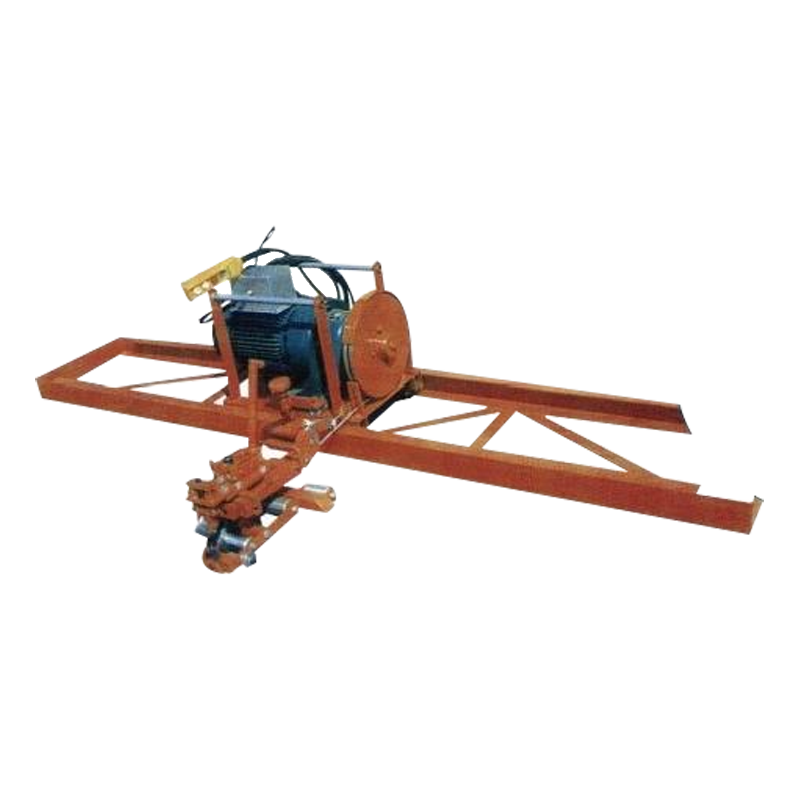 PBJ-2 Steel Wire Rope Conveyor Belt Peeling Machine
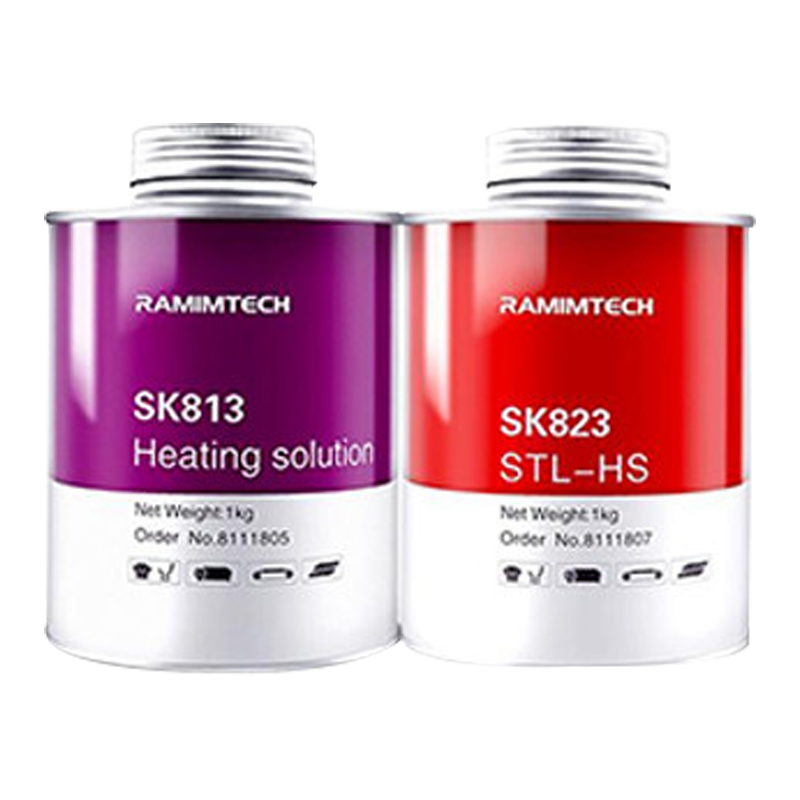 TXL-95 Hot Vulcanized Rubber Slurry for Conveyor Belts
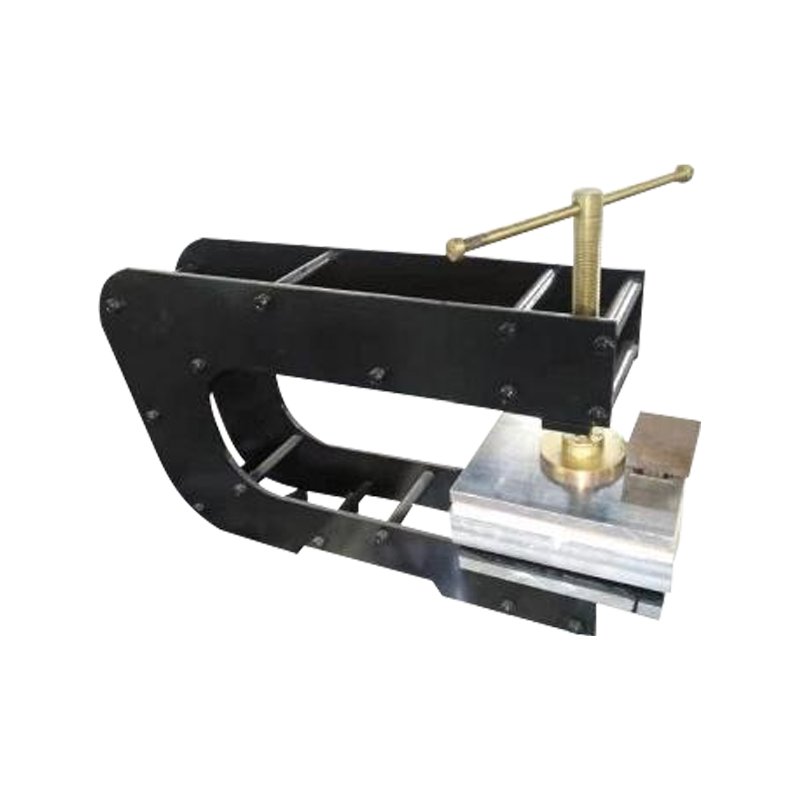 XBG-1 Conveyor Belt Point Patcher
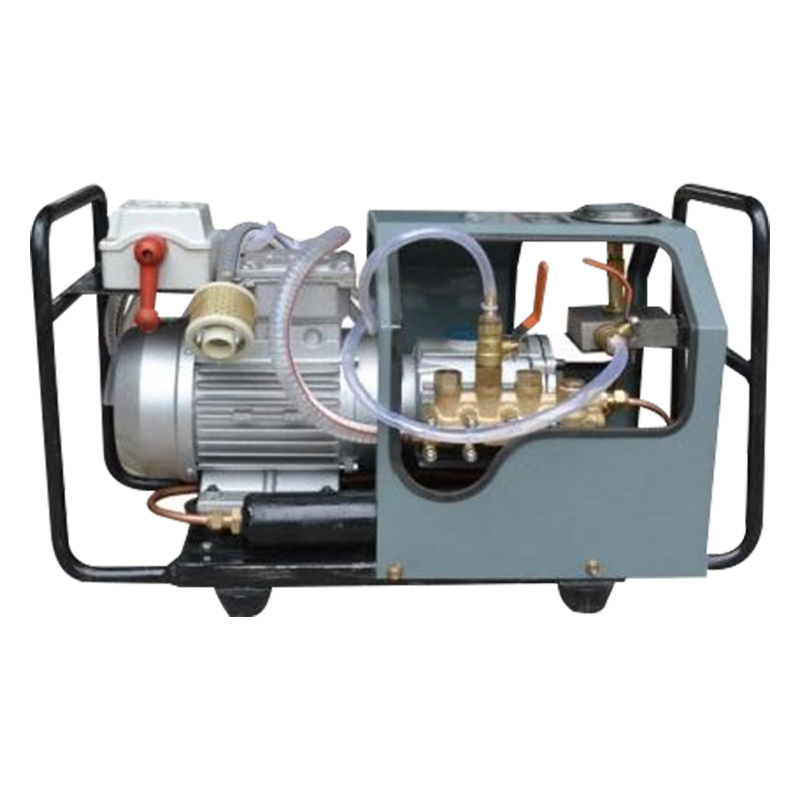 Conveyor Belt Repair: Ensuring Optimal Performance and Longevity
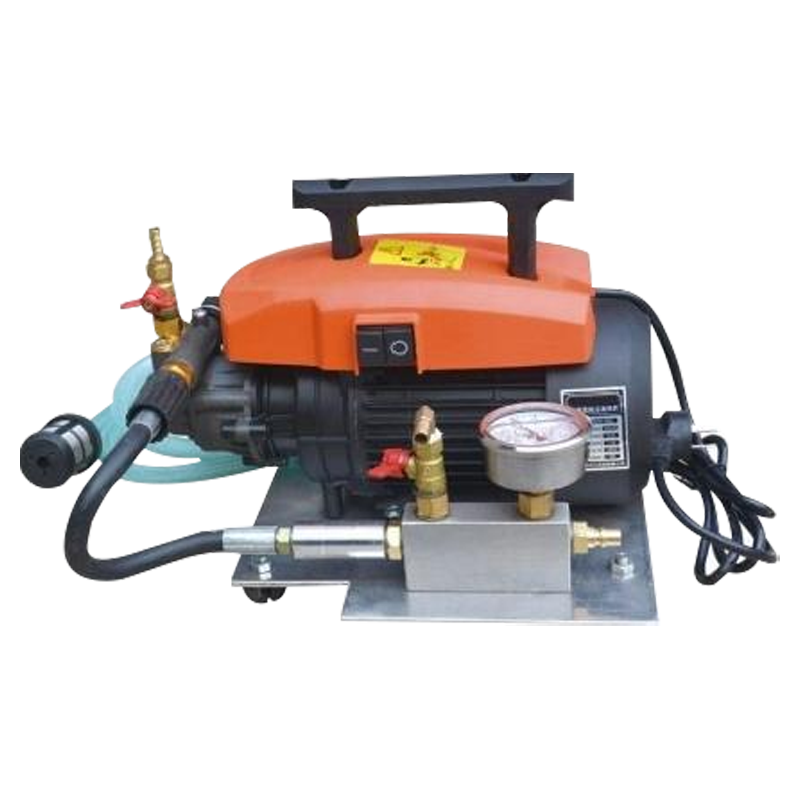 What is the Conveyor Belt Vulcanizing Machines?
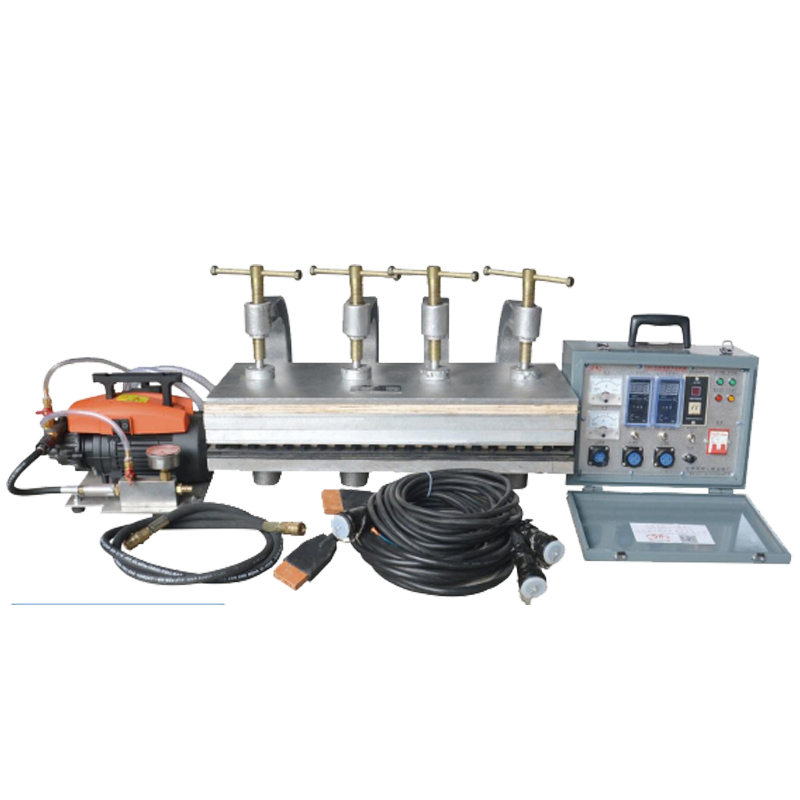 What is a Conveyor Belt Vulcanizing Machine and How Does It Work?
Conveyor Belt Repair Machines: How to Choose, Maintain, and Benefit from Them
What is a Conveyor Belt Vulcanizing Machine and How Does It Work?
Conveyor Belt Repair Machines: How to Choose, Maintain, and Benefit from Them
 +86-18915223007
  +86-0510-86336668
  [email protected]
  No.21, Hetang Central Street, Jiangyin City, Jiangsu Province
 Copyright © Jiangyin Tongxin Vulcanizing Machine Manufacturer Co., Ltd. All Rights Reserved.
OEM/ODM Belt Vulcanizer Accessories Manufacturers




 Eng
Eng  русский
 Home
Home