Precision in Edge Repair
The Conveyor Belt Edge Patcher is designed to restore damaged or frayed edges of a conveyor belt while preserving the belt’s original profile and dimensions. In industrial conveyor systems, even minor variations in edge thickness or contour can cause the belt to drift laterally during operation, a phenomenon commonly referred to as “belt wandering.” This misalignment can lead to increased edge wear, material spillage, or damage to conveyor components, resulting in operational inefficiency and unplanned downtime. The patching process carefully reconstructs the belt edge by applying high-quality patch material that is precisely shaped and layered to match the original belt geometry. Technicians trim the repair material to ensure the repaired edge is smooth, even, and consistent in thickness across its entire length. By maintaining a uniform edge profile, the patched section aligns accurately with pulleys, idlers, and guides, preserving proper belt tracking during high-speed or high-load operations.
Use of High-Quality Adhesives and Bonding Techniques
A critical factor in maintaining belt alignment after edge repair is the bonding method used in the Conveyor Belt Edge Patcher. The patching system typically employs specialized industrial adhesives or bonding compounds engineered to withstand high mechanical stresses, including tensile forces, shear stress, and continuous flexing. These adhesives form a secure bond between the patch material and the existing belt edge, effectively integrating the repair into the main belt structure. Proper adhesive selection ensures minimal shrinkage or warping during curing, preventing edge deformation that could compromise tracking. The cured patch adheres firmly without detachment under operational loads, maintaining a continuous, uniform surface that guides the belt accurately along rollers and pulleys.
Reinforcement and Layering
To further enhance alignment stability, many Conveyor Belt Edge Patcher systems incorporate reinforcement layers or embedded fibers within the patch material. These reinforcements increase the mechanical strength of the repaired edge, allowing it to endure repeated bending, tension, and impact without deforming or lifting. Reinforced edges are particularly beneficial in heavy-duty industrial environments where belts carry abrasive materials, operate under high tension, or experience frequent high-speed cycling. By stabilizing the repaired edge, these layers prevent lateral movement that could cause tracking deviations. The combination of strong adhesion and reinforcement ensures that the belt behaves as a continuous, cohesive system, with the patched edge performing identically to the original belt.
Post-Repair Inspection and Adjustment
After the patching process, it is essential to perform careful inspection and alignment checks. Technicians verify that the repaired edge runs parallel to the opposite belt edge and that the belt moves smoothly across rollers, pulleys, and idlers. Minor adjustments can be made by trimming excess patch material or realigning the belt on its supporting rollers. Many Conveyor Belt Edge Patcher systems include alignment guides, straight-edge templates, or measuring tools to facilitate accurate repairs and ensure uniform edge profiles. This thorough post-repair evaluation prevents the introduction of new tracking issues and ensures the belt resumes normal operation without lateral drift or uneven wear.
Maintaining Long-Term Belt Tracking
By combining precise edge reconstruction, high-strength adhesive bonding, reinforcement layers, and post-repair alignment verification, the Conveyor Belt Edge Patcher restores the belt edge to its original geometry and mechanical integrity. This allows the belt to maintain proper alignment and tracking over time, even under continuous load, high speeds, or abrasive material handling conditions. Maintaining accurate belt tracking minimizes edge wear, reduces the risk of spillage, and contributes to overall conveyor system efficiency. Properly patched edges not only extend the operational lifespan of the belt but also enhance workplace safety, reduce maintenance downtime, and optimize the performance of the entire conveyor system.
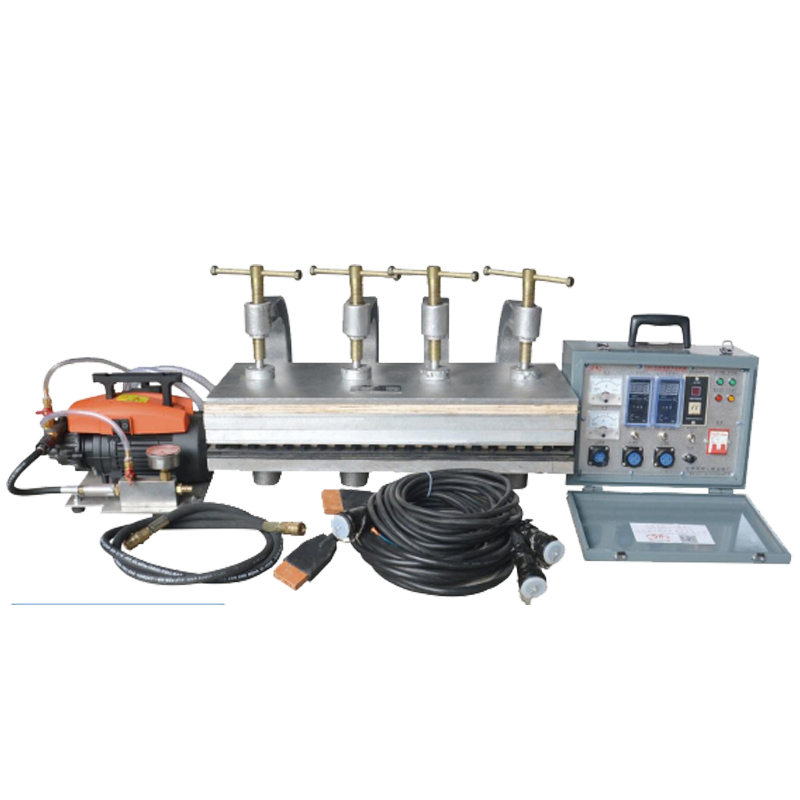 XBG-2 Conveyor Belt Edge Patcher
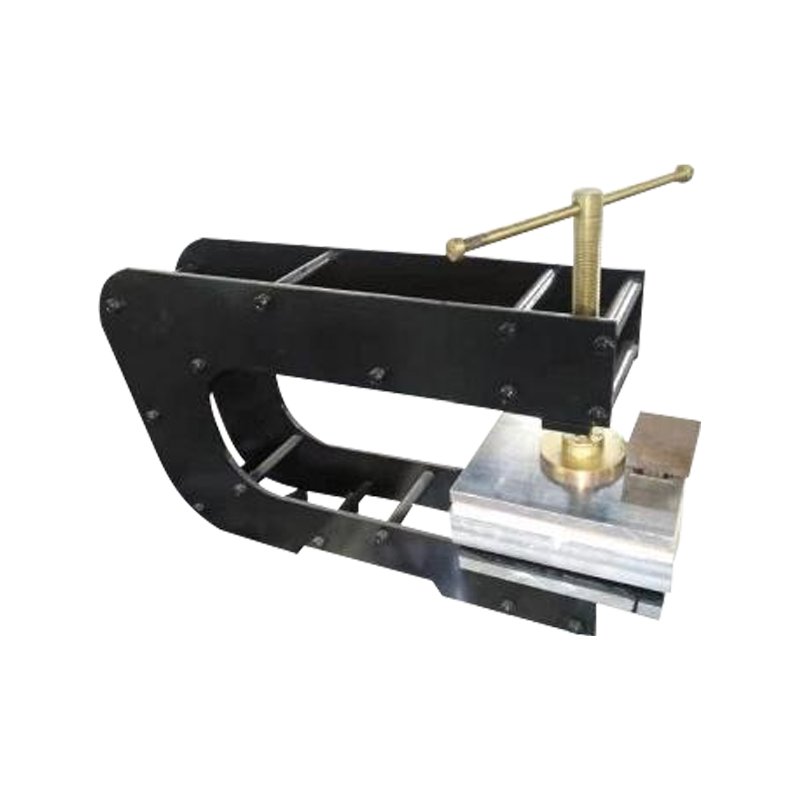 XBG-1 Conveyor Belt Point Patcher
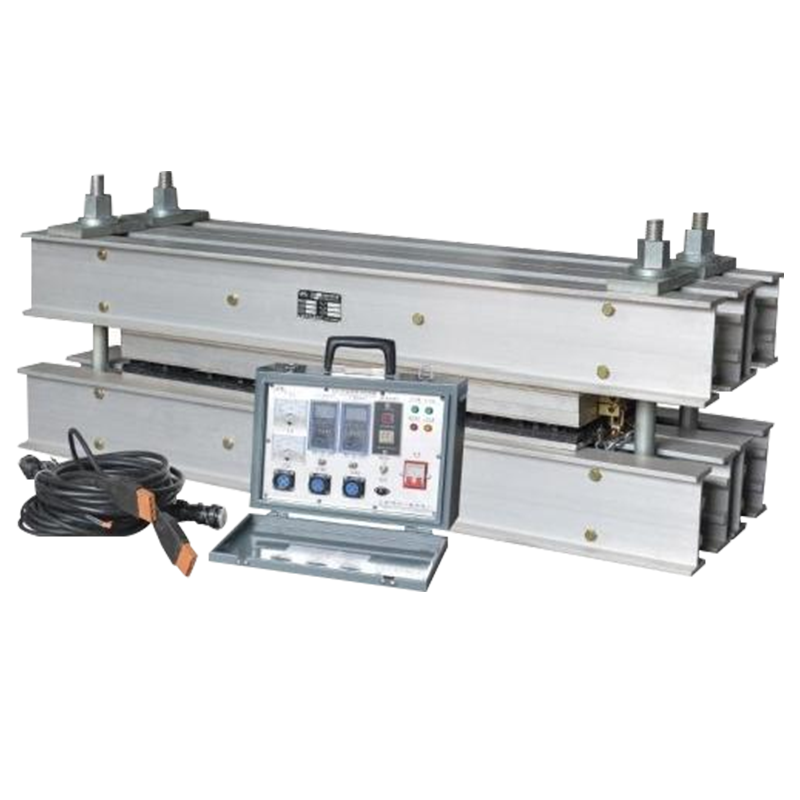 XBG-3 Conveyor Belt Line Patcher
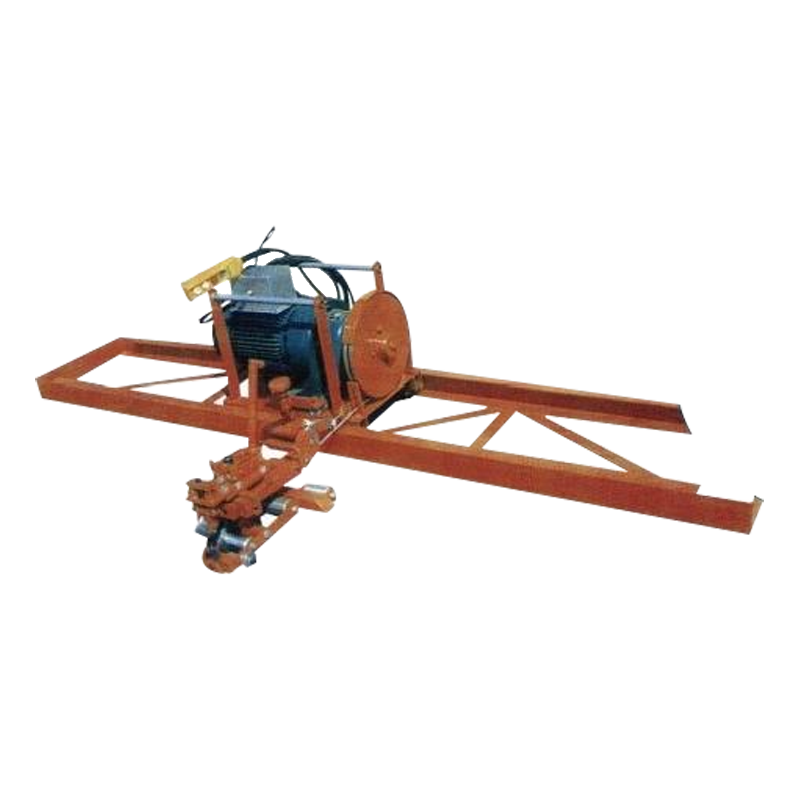 PBJ-2 Steel Wire Rope Conveyor Belt Peeling Machine
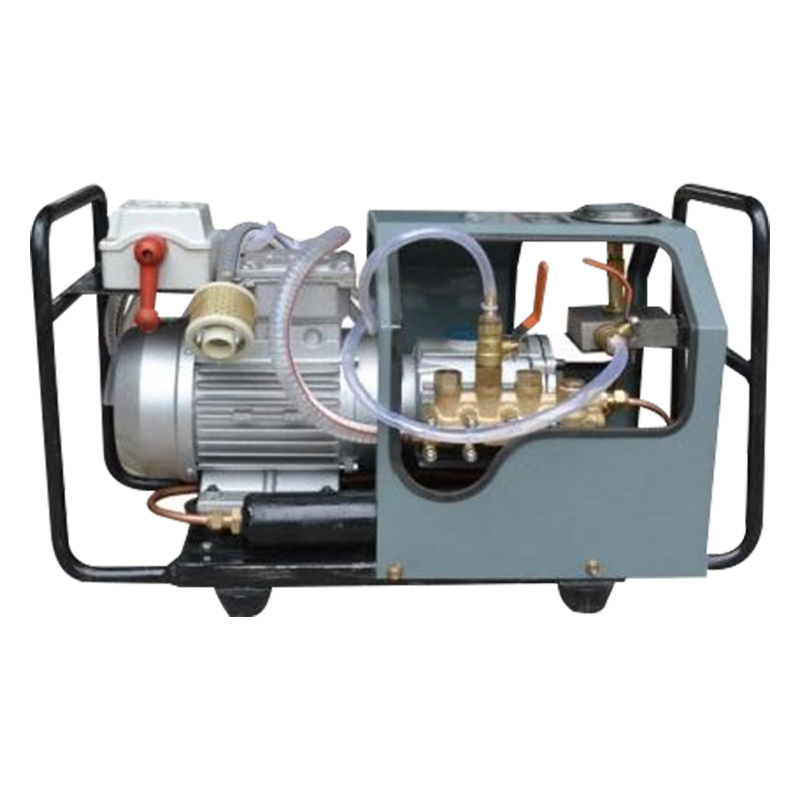 Conveyor Belt Repair: Ensuring Optimal Performance and Longevity
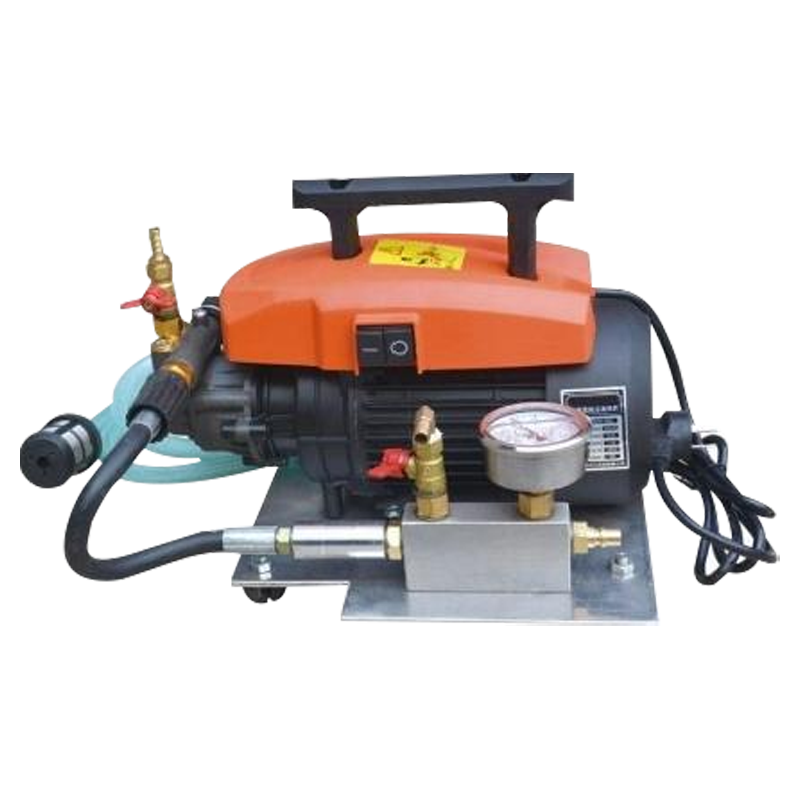 What is the Conveyor Belt Vulcanizing Machines?
What is a Conveyor Belt Vulcanizing Machine and How Does It Work?
What is the Conveyor Belt Vulcanizing Machines?
What is a Conveyor Belt Vulcanizing Machine and How Does It Work?
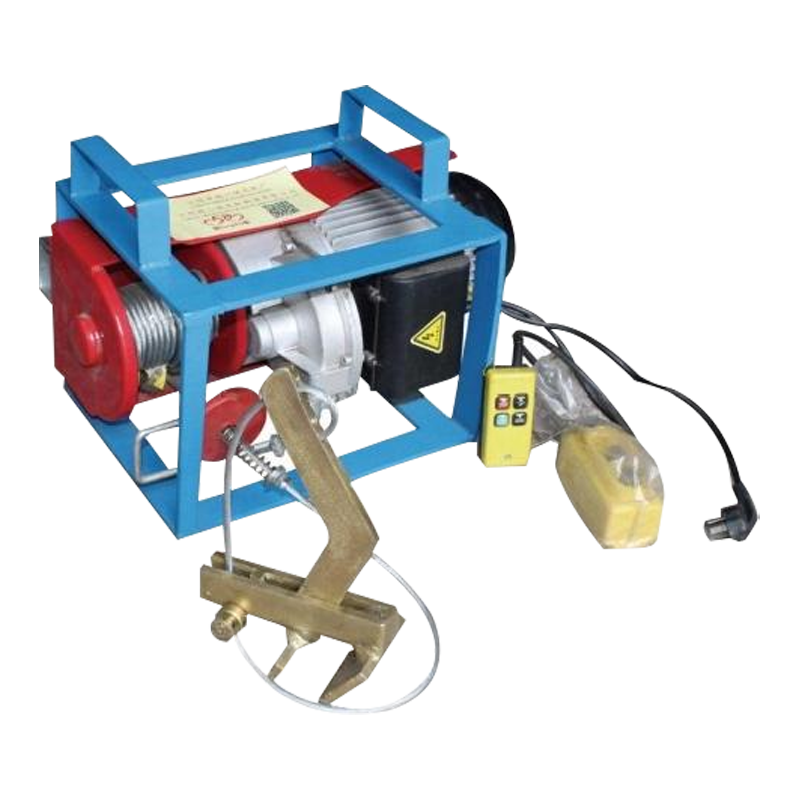 Conveyor Belt Repair Machines: How to Choose, Maintain, and Benefit from Them
 +86-18915223007
  +86-0510-86336668
  [email protected]
  No.21, Hetang Central Street, Jiangyin City, Jiangsu Province
 Copyright © Jiangyin Tongxin Vulcanizing Machine Manufacturer Co., Ltd. All Rights Reserved.
OEM/ODM Belt Vulcanizer Accessories Manufacturers




 Eng
Eng  русский
 Home
Home