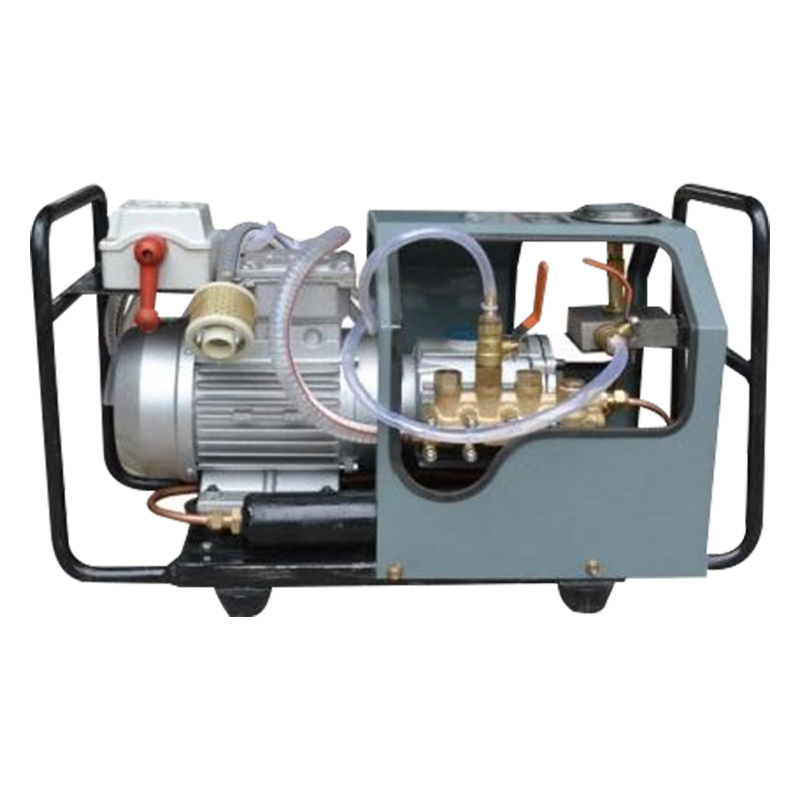
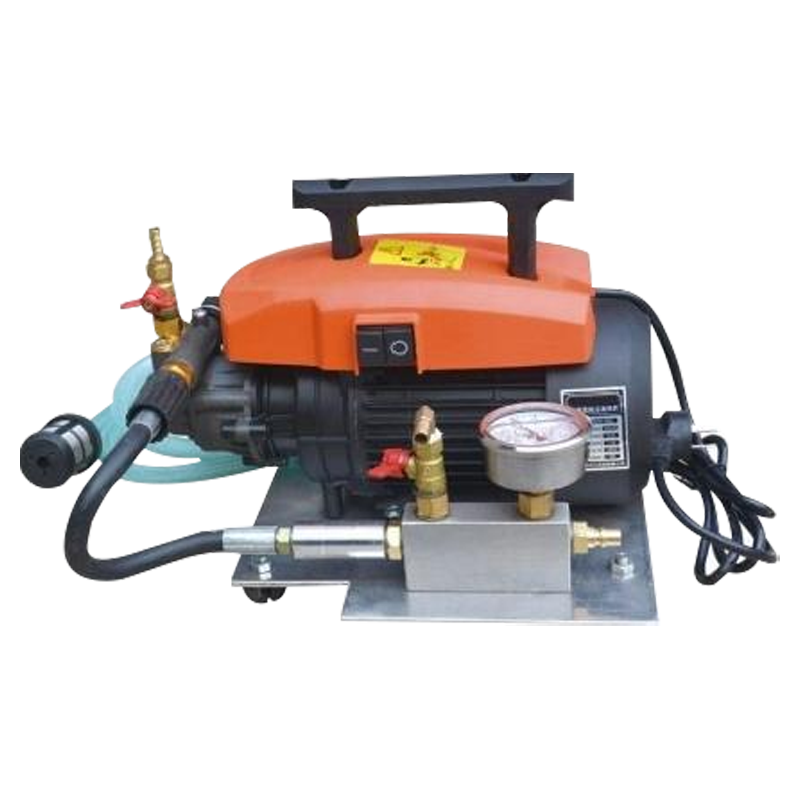
The Portable Electric Pump significantly outperforms manual pumps in terms of operational efficiency. Manual pumps rely entirely on human power, which leads to inconsistent flow rates, fatigue, and slow throughput, particularly over extended use or when handling large volumes of liquid. In contrast, the electric motor of the Portable Electric Pump provides a steady and consistent output, maintaining precise flow rates regardless of operating duration or user strength. Compared to stationary pumps, which are often designed for fixed, high-capacity operations, a portable electric unit can achieve similar efficiency for moderate-scale applications while using less energy and offering more adaptable deployment. This efficiency translates into reduced labor requirements, faster completion of tasks, and less wear on the operator or supporting infrastructure.
Speed is a crucial factor for fluid transfer tasks, and the Portable Electric Pump offers notable advantages over manual pumps. Manual operation is inherently slow and depends on the operator’s physical capability, making it impractical for moving large volumes quickly. The Portable Electric Pump, powered by high-RPM motors and optimized impellers, can achieve rapid flow rates suitable for residential, agricultural, or emergency applications. Compared with stationary pumps, portable electric models can deliver competitive speeds for most practical uses, though industrial stationary pumps may still exceed them in maximum throughput. The portability and rapid deployment of electric pumps mean that users gain high-speed performance without the logistical constraints of moving heavy stationary units.
One of the most significant advantages of the Portable Electric Pump is convenience. Unlike stationary pumps, which require permanent installation, piping connections, and a stable power source, a portable electric unit can be moved and deployed quickly in multiple locations. It can operate on household power outlets, batteries, or generators, making it ideal for off-grid, outdoor, or emergency applications. Manual pumps, while light, demand continuous user effort and cannot sustain prolonged operation, making them inconvenient for high-volume tasks. The Portable Electric Pump allows users to complete fluid transfer tasks with minimal physical exertion and maximum flexibility, combining mobility, ease of setup, and quick operational readiness.
Using a Portable Electric Pump also improves safety compared to manual pumps. Manual pumping increases the risk of repetitive strain injuries or fatigue, particularly during extended operations. Stationary pumps, while powerful, often require proximity to high-voltage power sources, plumbing, or fixed installations, which can pose additional hazards. The electric pump mitigates these risks through automated operation, controlled flow, and ergonomic design, allowing users to manage liquids safely with minimal effort. Many models include built-in safety features such as thermal protection, automatic shutoff, and anti-leak mechanisms, further enhancing user confidence and reducing the risk of accidents.
The Portable Electric Pump requires less ongoing maintenance compared to manual pumps, which are subject to wear from repeated physical operation and mechanical strain. Stationary pumps, while durable, often require complex maintenance procedures due to larger components and fixed installations. Portable electric pumps are typically constructed from corrosion-resistant materials and include sealed motors to withstand moisture and debris, reducing downtime and extending service life. This combination of reliability and ease of maintenance makes them ideal for frequent use in diverse environments, from agricultural fields to construction sites or emergency water removal situations.
Unlike manual or stationary pumps, the Portable Electric Pump excels in adaptability. Manual pumps are limited by human power and are best suited for small-scale applications, while stationary pumps are often restricted to a single location and specific fluid types. The portable electric model can handle a variety of liquids, from clean water to certain light chemicals, and can be deployed in residential, agricultural, automotive, or industrial contexts. This versatility allows users to achieve professional-grade performance across multiple environments without investing in multiple specialized pump systems.
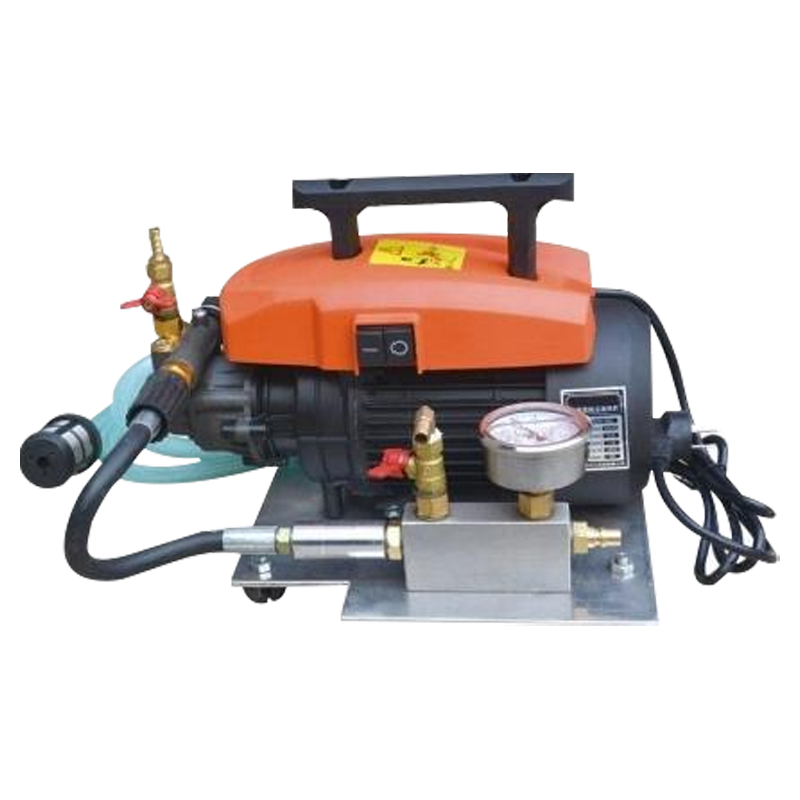 TX-K90 Portable Electric Pump
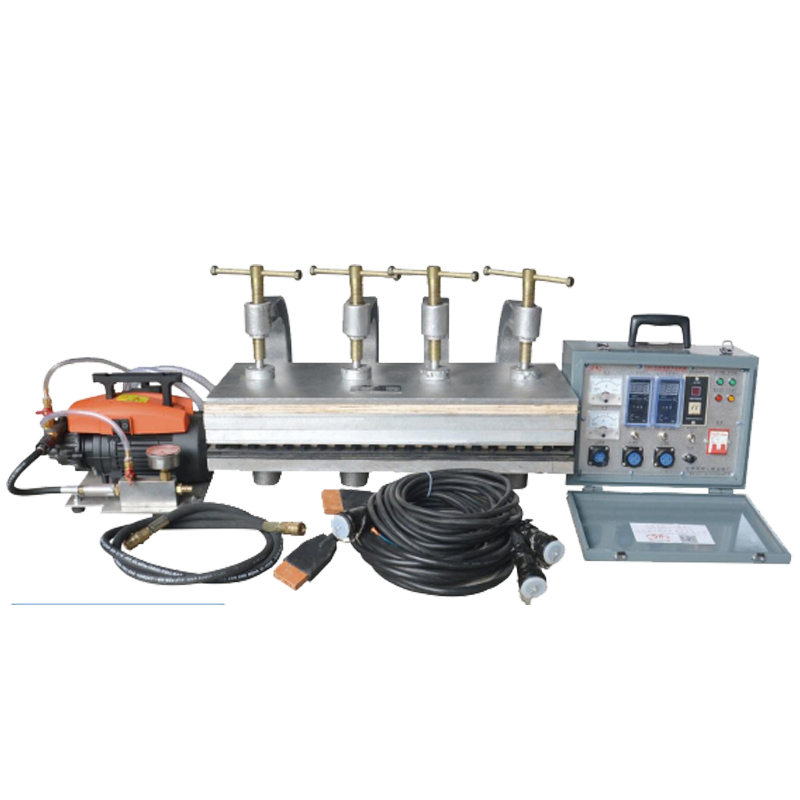
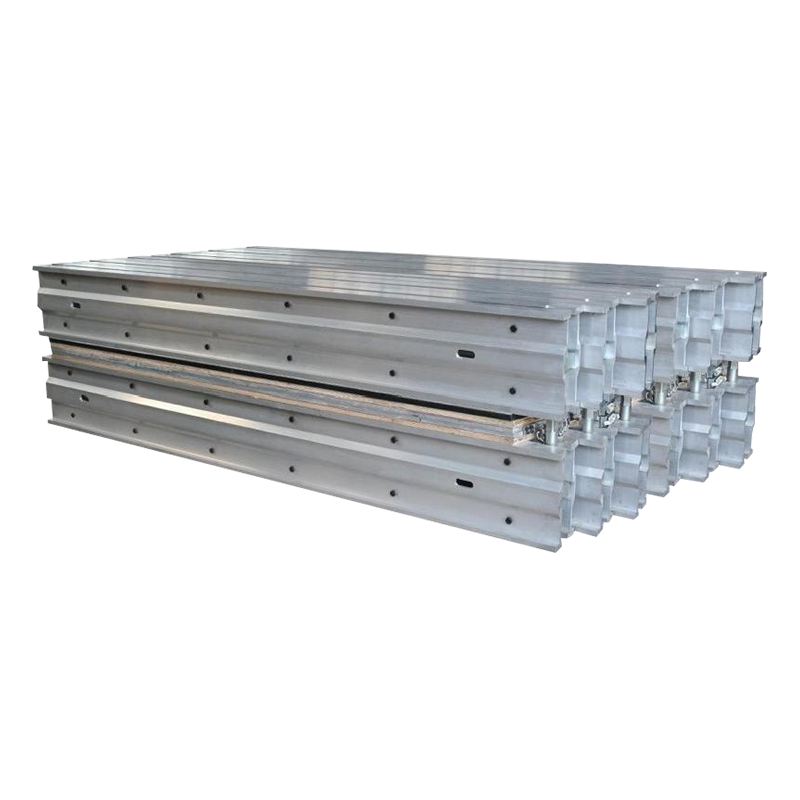 TXCK Electric Blanket Type Water-Cooled Vulcanizing Machine
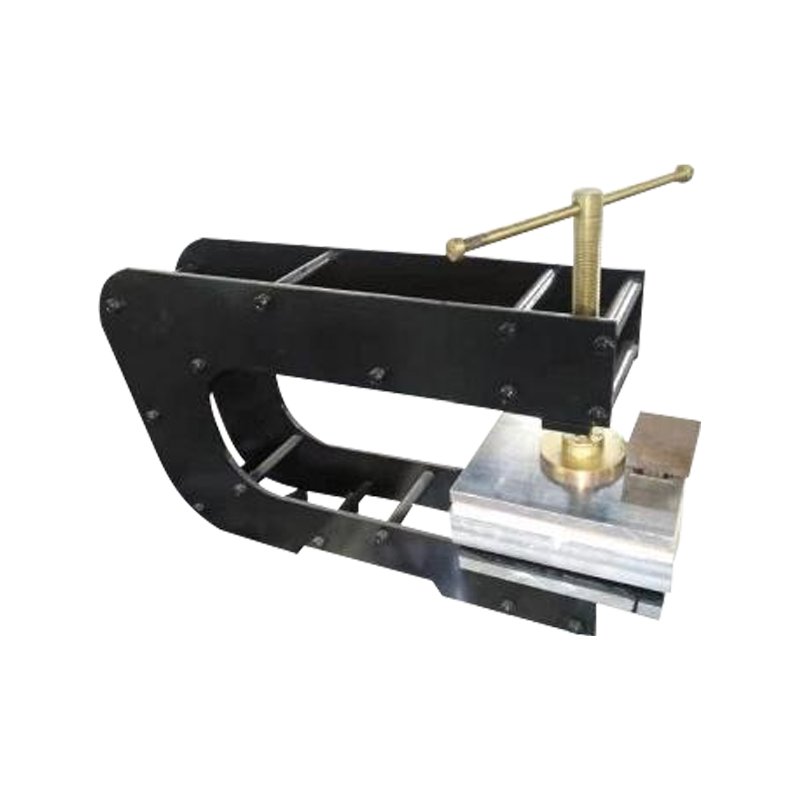 XBG-1 Conveyor Belt Point Patcher
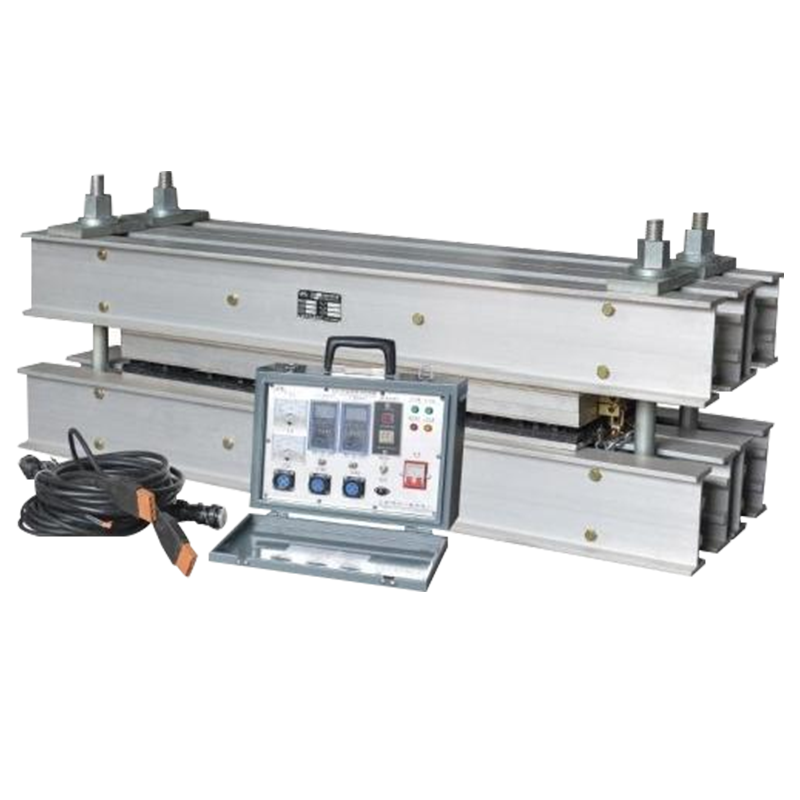 XBG-3 Conveyor Belt Line Patcher
 Conveyor Belt Repair: Ensuring Optimal Performance and Longevity
 What is the Conveyor Belt Vulcanizing Machines?
 What is a Conveyor Belt Vulcanizing Machine and How Does It Work?
 Conveyor Belt Repair Machines: How to Choose, Maintain, and Benefit from Them
 +86-18915223007
  +86-0510-86336668
  [email protected]
  No.21, Hetang Central Street, Jiangyin City, Jiangsu Province
 Copyright © Jiangyin Tongxin Vulcanizing Machine Manufacturer Co., Ltd. All Rights Reserved.
OEM/ODM Belt Vulcanizer Accessories Manufacturers




 Eng
Eng  русский
 Home
Home