The Conveyor Belt Point Patcher utilizes specialized repair materials that are tailored for the specific type of conveyor belt being repaired. These materials are engineered to meet the performance requirements of the belt, providing a long-lasting and resilient repair. The patching compounds consist of rubber-based, polyurethane, or vulcanized materials that are abrasion-resistant, heat-resistant, and capable of enduring the mechanical stresses of continuous operation. For example, rubber compounds are ideal for standard industrial conveyor belts, offering flexibility and excellent abrasion resistance, which ensures that the patch can withstand frequent contact with rough surfaces. Polyurethane materials, on the other hand, are used for applications where additional tear resistance or impact resistance is required. Vulcanization is often employed in more critical repairs, where heat and pressure are used to bond the patch to the belt, resulting in a seamless, permanent repair. The use of such high-quality materials ensures that the integrity of the conveyor belt is not compromised, even under the most demanding conditions.
A key factor in ensuring the durability of the repair is the effective bonding between the damaged area and the patch. The Conveyor Belt Point Patcher uses adhesive systems designed to create a strong, secure bond with the existing belt material. These adhesives are often fast-curing to minimize downtime and can bond not only to the surface but also into the layers of the belt. In the case of vulcanization, the patch material is subjected to heat and pressure, which causes the patch to chemically bond with the existing material. This creates a seamless and integrated repair, reducing the risk of delamination or peeling that could compromise the repair. Mechanical fasteners can be used in situations where the damage is more severe, ensuring that the patch stays in place even under significant stress. This strong, lasting bond between the patch and the belt guarantees that the repair will be structurally sound and able to withstand operational demands without failure.
To ensure a durable repair, the Conveyor Belt Point Patcher often incorporates a system of pressure application. This is particularly important in methods such as vulcanization or compression bonding, where the application of heat and pressure ensures that the patch adheres uniformly to the damaged area. The patching process usually involves an inflatable bladder or mechanical press, which applies consistent pressure across the repair area. This uniform compression helps eliminate air pockets, voids, or inconsistencies between the patch and the belt, which could lead to weak spots or premature failure. The pressure ensures that the patch material is firmly integrated with the belt, ensuring that it will withstand forces like tension, abrasion, and impact during operation. This compression helps the patch material to conform to the contours of the belt, further enhancing the bonding and durability of the repair.
The Conveyor Belt Point Patcher ensures that the repair is applied with uniform thickness and consistent coverage over the entire damaged area. A patch that is too thin may fail prematurely due to insufficient strength or wear resistance, while a patch that is too thick can cause uneven stress distribution on the belt, leading to misalignment or potential damage to other parts of the system. The system is designed to apply the patch material in a controlled manner, ensuring that it covers the damaged area adequately without causing bulges or irregularities. Thickness consistency is particularly important because it ensures that the patch can withstand the same stresses as the rest of the belt. A well-applied patch provides an even distribution of forces across the conveyor belt, reducing the risk of failure or excessive wear at the repair site, which can compromise the overall integrity of the belt over time.
The Conveyor Belt Point Patcher not only repairs the damaged area but also provides reinforcement to areas that experience the highest levels of stress. For example, if the damage occurs in a part of the belt subject to high tension or frequent abrasive contact, the patch can be engineered to incorporate additional strengthening fibers or reinforcement layers. Kevlar or other high-strength fibers can be integrated into the patch to provide extra tensile strength and tear resistance, particularly in heavy-duty applications such as those in mining, construction, or heavy manufacturing. Reinforcing high-stress areas reduces the likelihood of the patch failing due to abrasion or fatigue, ensuring that the belt can continue to operate without further damage. By targeting these critical areas, the patching system enhances the long-term reliability of the belt, particularly in environments where belts are subjected to heavy loads and abrasive materials.
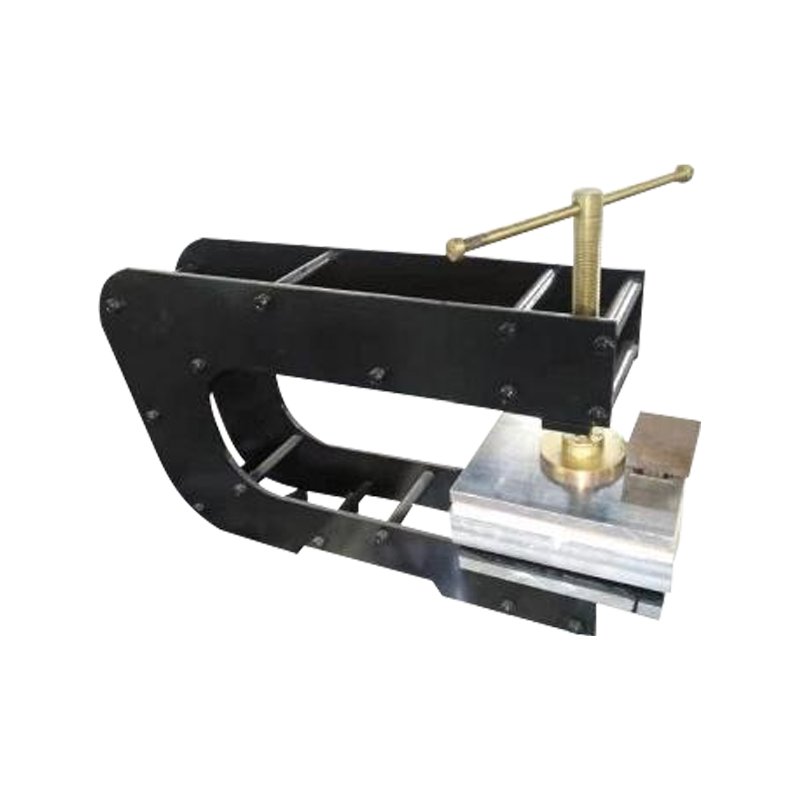 XBG-1 Conveyor Belt Point Patcher
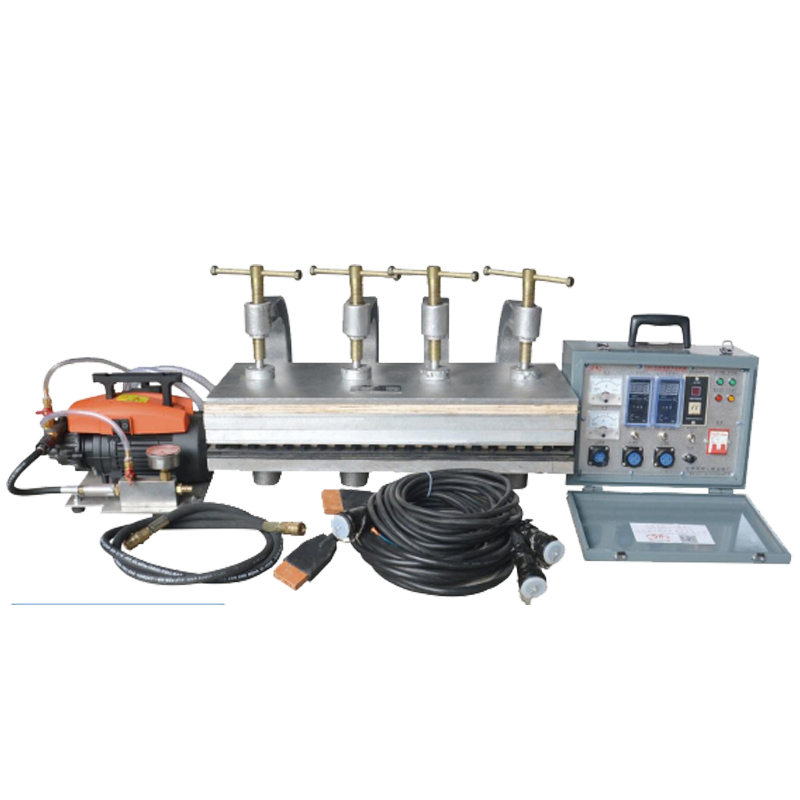 XBG-2 Conveyor Belt Edge Patcher
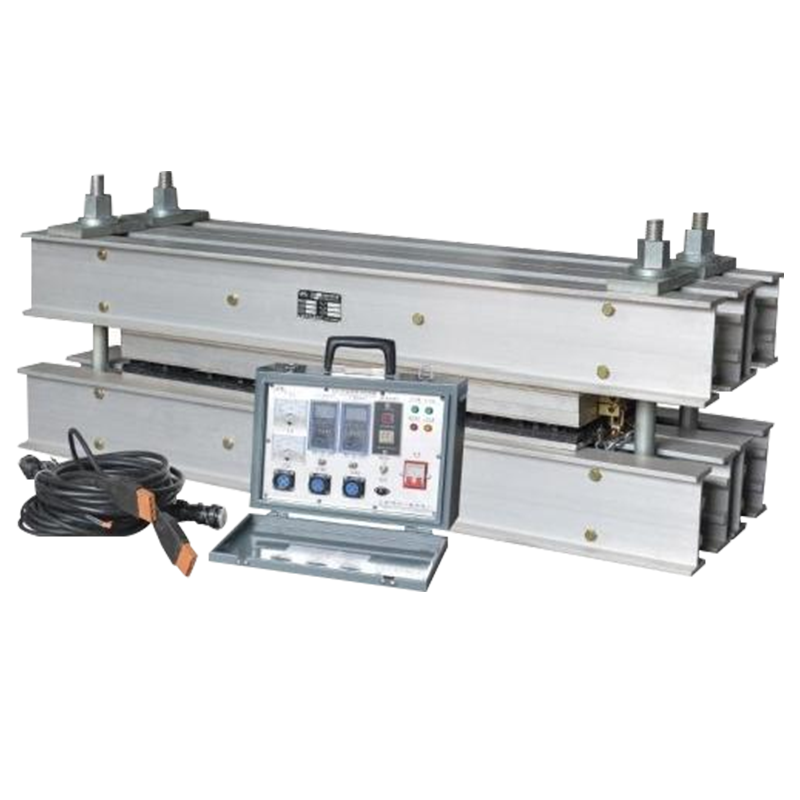 XBG-3 Conveyor Belt Line Patcher
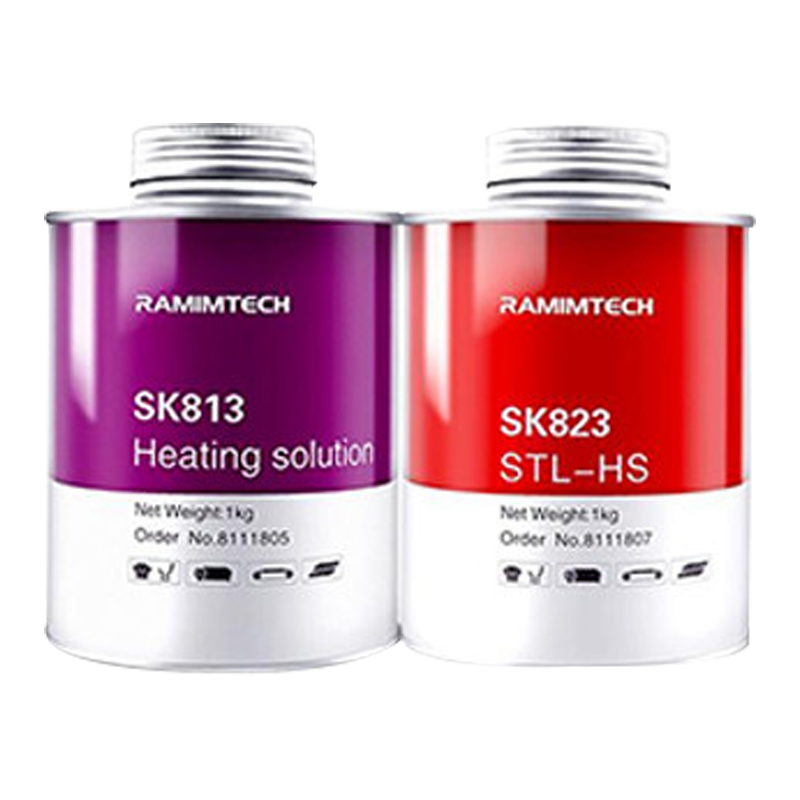 TXL-95 Hot Vulcanized Rubber Slurry for Conveyor Belts
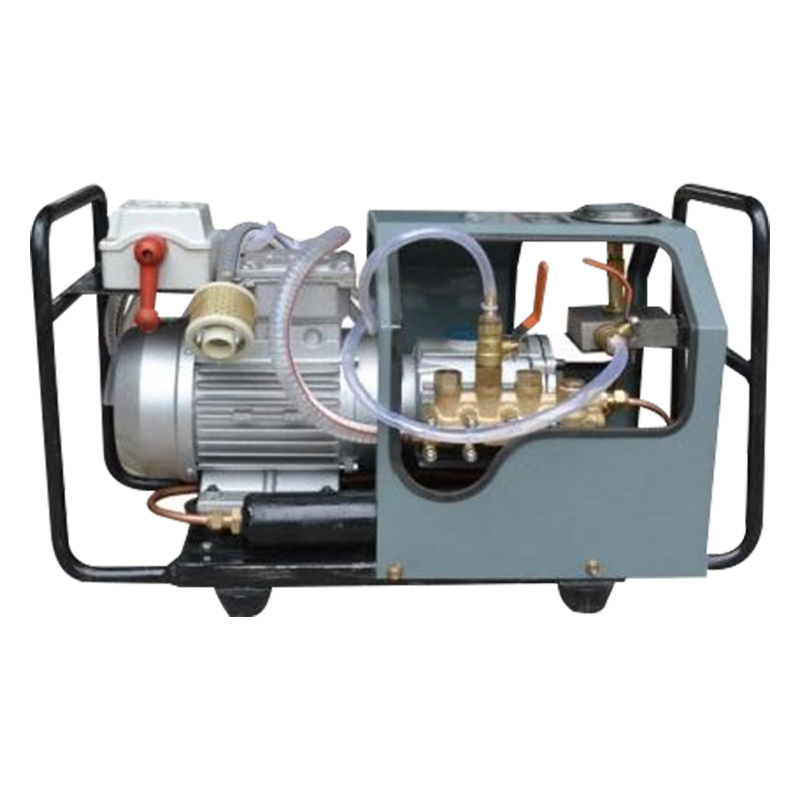 Conveyor Belt Repair: Ensuring Optimal Performance and Longevity
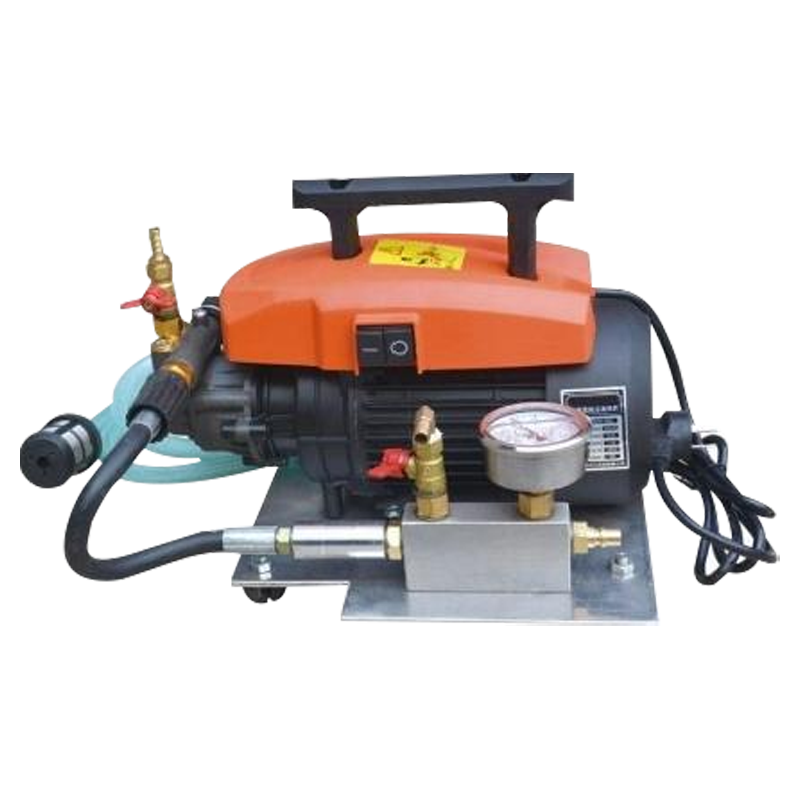 What is the Conveyor Belt Vulcanizing Machines?
What is a Conveyor Belt Vulcanizing Machine and How Does It Work?
What is the Conveyor Belt Vulcanizing Machines?
What is a Conveyor Belt Vulcanizing Machine and How Does It Work?
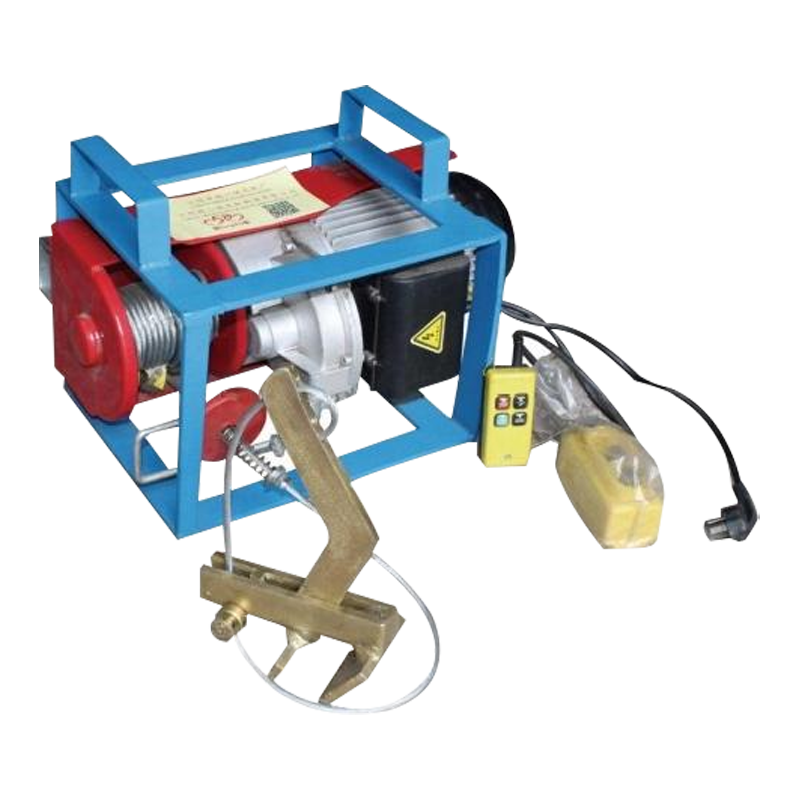 Conveyor Belt Repair Machines: How to Choose, Maintain, and Benefit from Them
 +86-18915223007
  +86-0510-86336668
  [email protected]
  No.21, Hetang Central Street, Jiangyin City, Jiangsu Province
 Copyright © Jiangyin Tongxin Vulcanizing Machine Manufacturer Co., Ltd. All Rights Reserved.
OEM/ODM Belt Vulcanizer Accessories Manufacturers




 Eng
Eng  русский
 Home
Home