The Conveyor Belt Repair Machine ensures uniform heat and pressure application through a combination of precision heating elements, adjustable pressure rollers, and real-time monitoring systems. By maintaining consistent temperature and evenly distributed mechanical force across the belt, the machine prevents warping, stretching, or deformation during repairs. This design allows industrial operators to restore damaged conveyor sections without compromising belt integrity.
In practical terms, a properly calibrated machine can maintain temperature variance within ±2°C across the repair surface and apply pressure within ±5% of the target value, ensuring uniform bonding and minimizing the risk of localized stress.
Modern Conveyor Belt Repair Machines utilize embedded heating elements that distribute heat uniformly across the repair zone. Depending on belt type—rubber, PVC, or fabric-reinforced—these elements can be electronically controlled to maintain optimal temperatures ranging from 120°C to 200°C.
Some high-end machines incorporate infrared temperature sensors and multiple heating zones. This ensures that even belts with varying thickness or material density receive equal thermal exposure. For instance, belts with a multi-layered core require gradual heat ramp-up to avoid internal delamination, which these sensors help prevent.
The pressure application is as critical as heat control. The Conveyor Belt Repair Machine uses adjustable rollers to apply even force along the belt’s repair surface. Operators can set pressure levels depending on belt thickness, ranging from 5 kg/cm² to 25 kg/cm² for industrial belts.
These rollers are designed with spring-loaded or hydraulic mechanisms to adapt to minor belt surface irregularities. This flexibility ensures that no area receives excessive pressure, which could cause permanent deformation or reduce operational lifespan.
Advanced machines feature real-time monitoring systems that track both heat and pressure. Operators can view live readings via digital displays or control panels. The system automatically adjusts heating and roller pressure if deviations exceed pre-set thresholds, ensuring consistent repair quality.
For example, a machine repairing a 2-meter belt section can complete the process within 30 to 45 minutes, with sensors continuously adjusting settings to maintain uniformity, reducing the likelihood of belt shrinkage or uneven bonding.
To achieve uniform heat and pressure, operators should follow precise calibration procedures:
Following these steps ensures repairs are durable and belts remain within 1–2% of original dimensions post-repair.
Different models of Conveyor Belt Repair Machines vary in their ability to maintain uniform heat and pressure. The table below illustrates key performance indicators for three popular industrial models:
| Model | Max Temp (°C) | Pressure Range (kg/cm²) | Sensor Feedback |
|---|---|---|---|
| Model A | 200 | 5–20 | Yes |
| Model B | 180 | 10–25 | Partial |
| Model C | 190 | 8–22 | Yes |
The Conveyor Belt Repair Machine prevents deformation by combining precision heating, adjustable pressure rollers, and real-time monitoring. Operators who follow calibration guidelines and use advanced sensor-equipped models can achieve consistent, long-lasting repairs while maintaining belt integrity. With proper application, even complex, multi-layered industrial belts can be restored without dimensional changes, ensuring uninterrupted operation and extended conveyor lifespan.
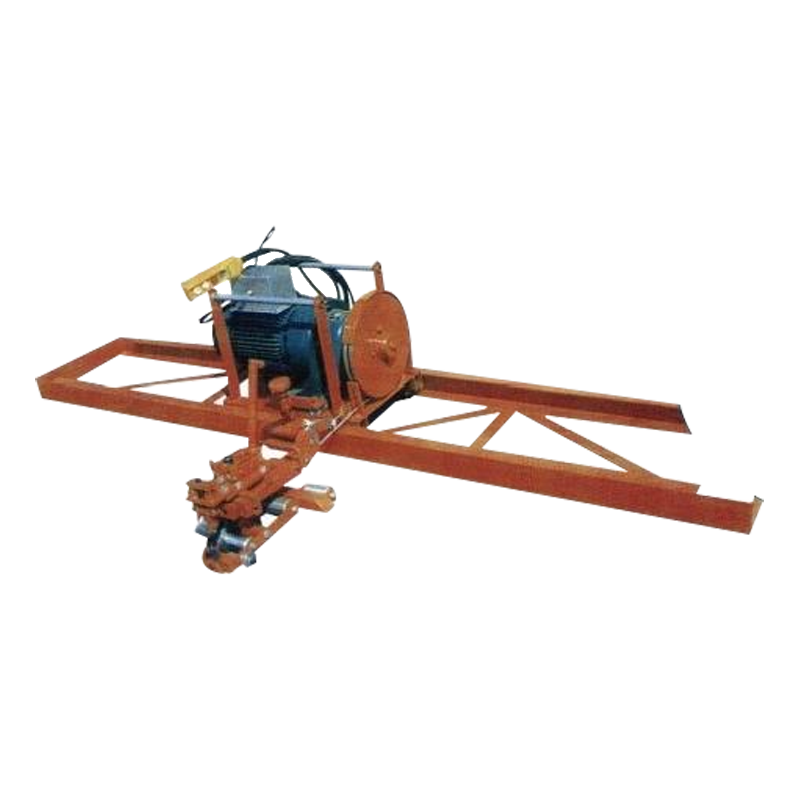 PBJ-2 Steel Wire Rope Conveyor Belt Peeling Machine
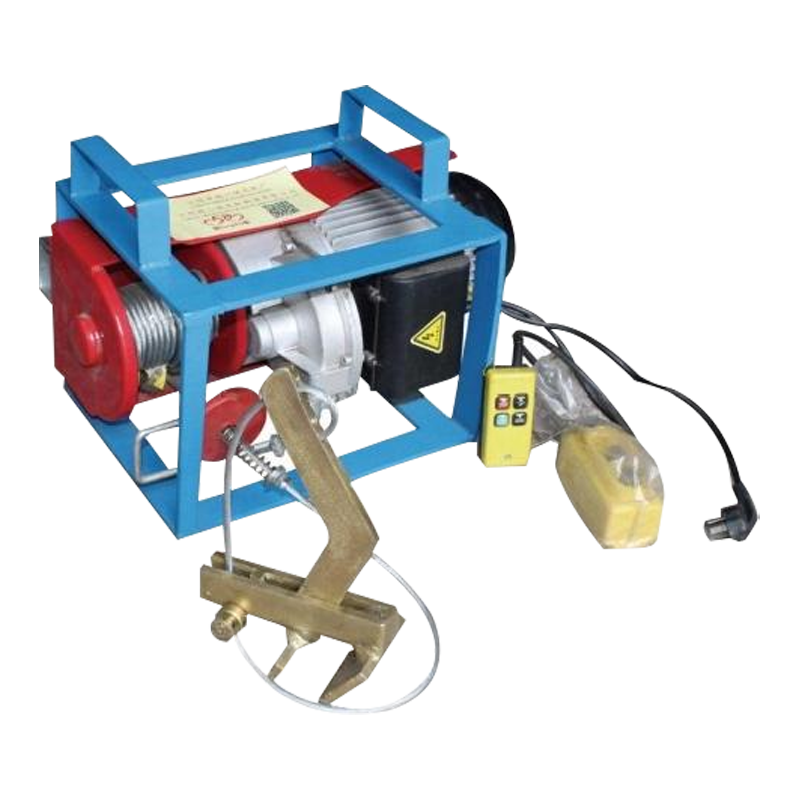 PBJ-4 Ordinary Conveyor Belt Peeling Machine
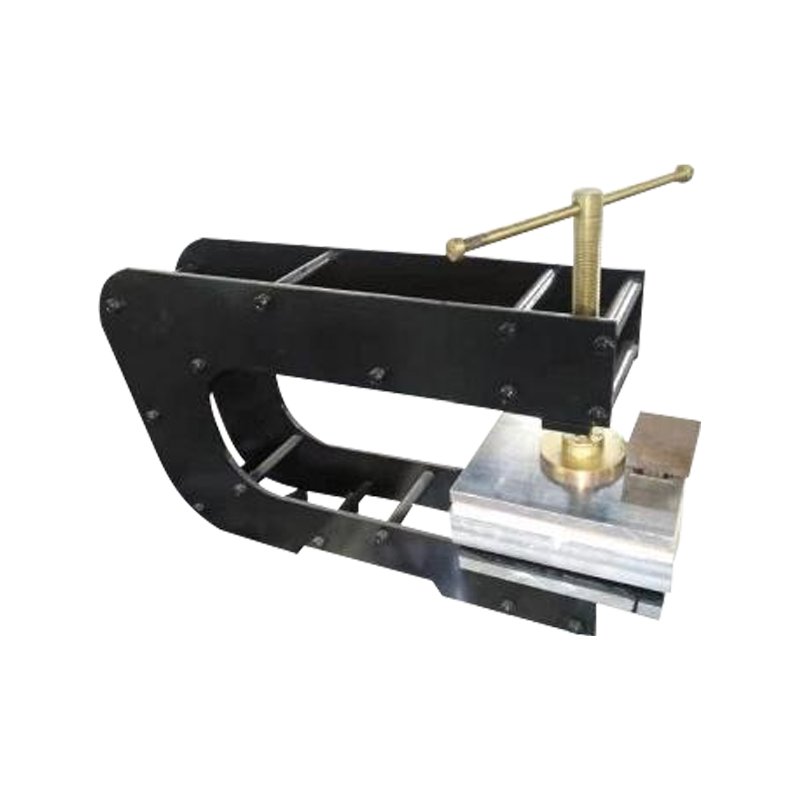 XBG-1 Conveyor Belt Point Patcher
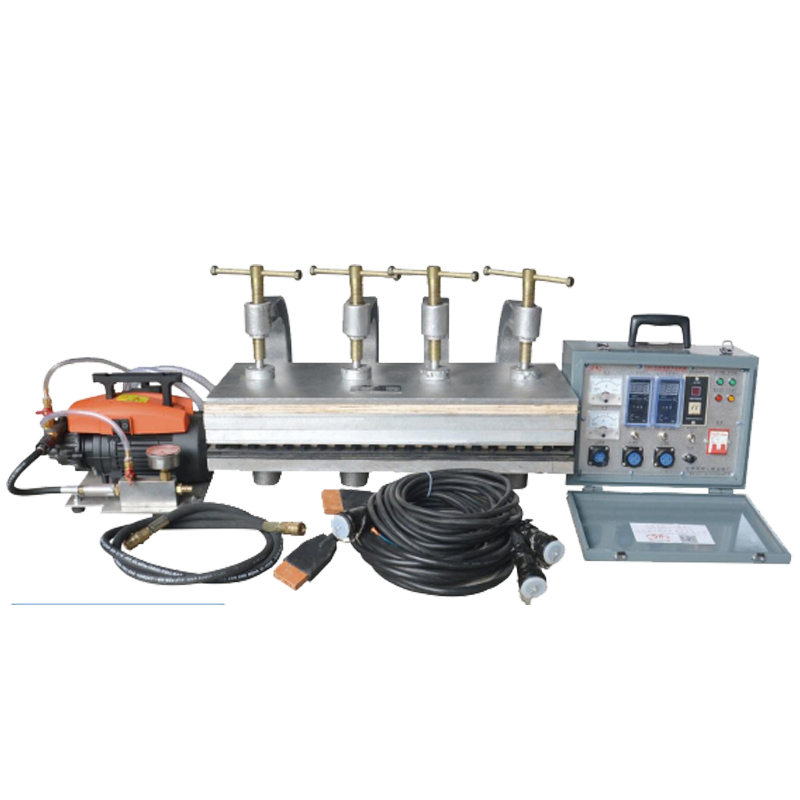 XBG-2 Conveyor Belt Edge Patcher
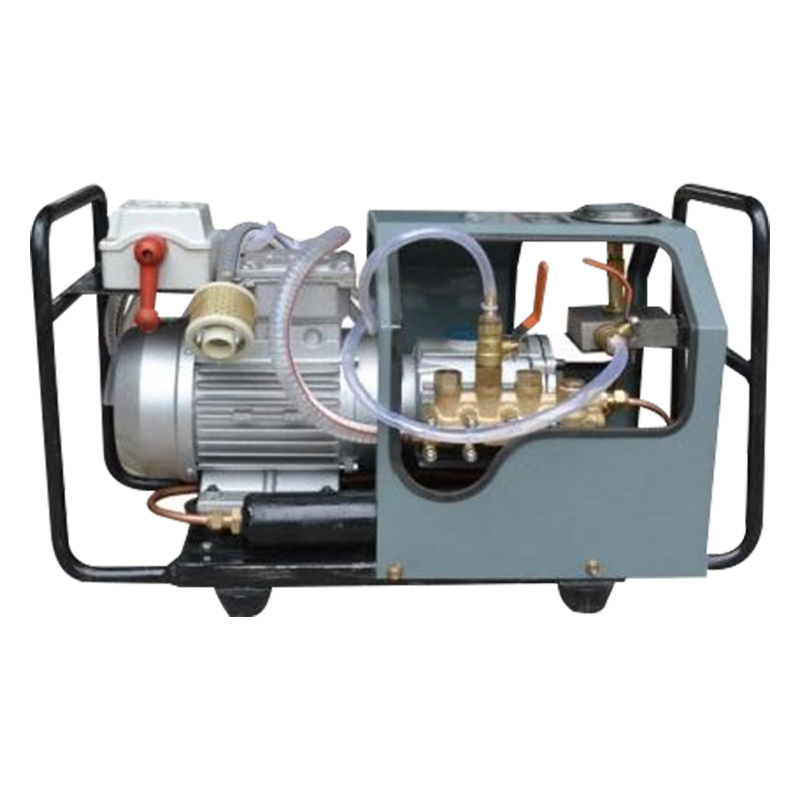 Conveyor Belt Repair: Ensuring Optimal Performance and Longevity
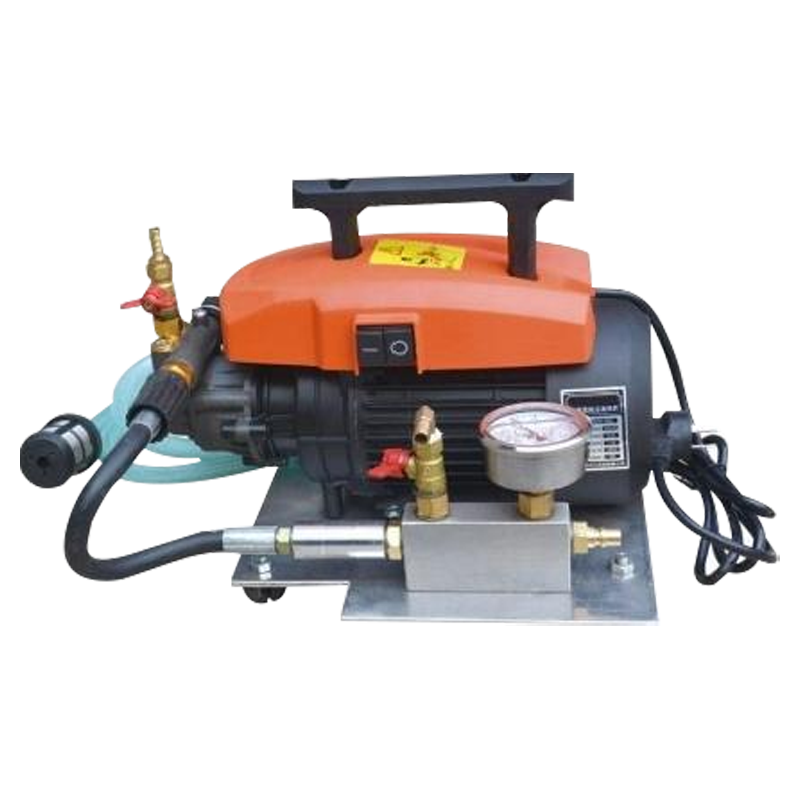 What is the Conveyor Belt Vulcanizing Machines?
What is a Conveyor Belt Vulcanizing Machine and How Does It Work?
Conveyor Belt Repair Machines: How to Choose, Maintain, and Benefit from Them
What is the Conveyor Belt Vulcanizing Machines?
What is a Conveyor Belt Vulcanizing Machine and How Does It Work?
Conveyor Belt Repair Machines: How to Choose, Maintain, and Benefit from Them
 +86-18915223007
  +86-0510-86336668
  [email protected]
  No.21, Hetang Central Street, Jiangyin City, Jiangsu Province
 Copyright © Jiangyin Tongxin Vulcanizing Machine Manufacturer Co., Ltd. All Rights Reserved.
OEM/ODM Belt Vulcanizer Accessories Manufacturers




 Eng
Eng  русский
 Home
Home