The Conveyor Belt Repair Machine ensures consistent temperature and pressure during hot repair procedures through advanced heating elements, precise pressure rollers, and automated control systems. This guarantees uniform vulcanization of the rubber belt, preventing weak spots and extending belt lifespan.
The heating system of a Conveyor Belt Repair Machine is critical for hot repairs. Modern machines use electric or hydraulic heating plates that can reach temperatures between 150°C and 200°C. These heating plates are designed with multiple zones, allowing operators to maintain uniform heat along the entire belt width. Uneven heat can cause incomplete bonding or air pockets, which compromise repair quality.
Each zone is independently controlled with thermocouples that continuously measure surface temperature. The machine adjusts power in real-time to maintain a variance of less than ±2°C. This level of precision is essential for high-performance belts used in mining and heavy industries.
Pressure is equally important as temperature for hot repairs. Conveyor Belt Repair Machines employ adjustable rollers or hydraulic presses that apply consistent force across the repair patch. Typical pressure ranges from 2 to 5 MPa, depending on belt thickness and material.
Rollers are designed with elastic layers that compensate for belt surface irregularities. This ensures the repair area receives even pressure without over-compressing edges or leaving gaps. Some advanced models include sensors to detect uneven force and adjust the roller height dynamically.
Modern Conveyor Belt Repair Machines integrate microprocessor-based control systems that monitor both temperature and pressure in real time. These systems automatically adjust heating elements and hydraulic pressure, ensuring the repair process remains within optimal parameters throughout the cycle.
Operators can view real-time data on digital displays, including temperature graphs, pressure readings, and repair duration. Alerts notify the operator if any zone deviates beyond acceptable limits. This reduces human error and ensures repeatable, high-quality repairs even in large-scale operations.
Different conveyor belts require specific heat and pressure settings. Rubber belts with fabric reinforcement differ from solid rubber or PVC belts. A Conveyor Belt Repair Machine allows operators to program material-specific repair profiles, including temperature, pressure, and curing time.
For a 10mm rubber belt, the recommended settings may be 160°C at 3 MPa for 25 minutes. For a reinforced PVC belt, it may require 180°C at 4 MPa for 30 minutes. Following these profiles ensures the repair is as strong as the original belt.
External factors such as ambient temperature, humidity, and dust can affect the hot repair process. Advanced machines are designed with insulation around heating plates and enclosed repair chambers to reduce heat loss. Some models also feature humidity sensors to adjust curing times and prevent under- or over-vulcanization.
Consistent temperature and pressure require regular maintenance. Conveyor Belt Repair Machines should undergo routine inspection of heating elements, hydraulic systems, and sensors. Calibration every six months ensures temperature zones remain accurate and rollers apply uniform pressure.
After repair, it is essential to verify that the belt has been bonded correctly. Methods include ultrasonic testing, peel strength measurement, and visual inspection. A well-maintained Conveyor Belt Repair Machine ensures that more than 95% of repairs meet industrial standards on the first attempt.
| Belt Type | Peel Strength (N/cm) | Pass Rate (%) |
|---|---|---|
| Rubber 10mm | 120 | 98 |
| PVC Reinforced | 105 | 96 |
Conveyor Belt Repair Machine ensures consistent temperature and pressure through advanced heating systems, precise pressure rollers, automated control, and regular maintenance. By maintaining these factors within strict tolerances, the machine guarantees high-quality repairs, minimizes belt downtime, and extends the operational life of conveyor systems in industrial environments.
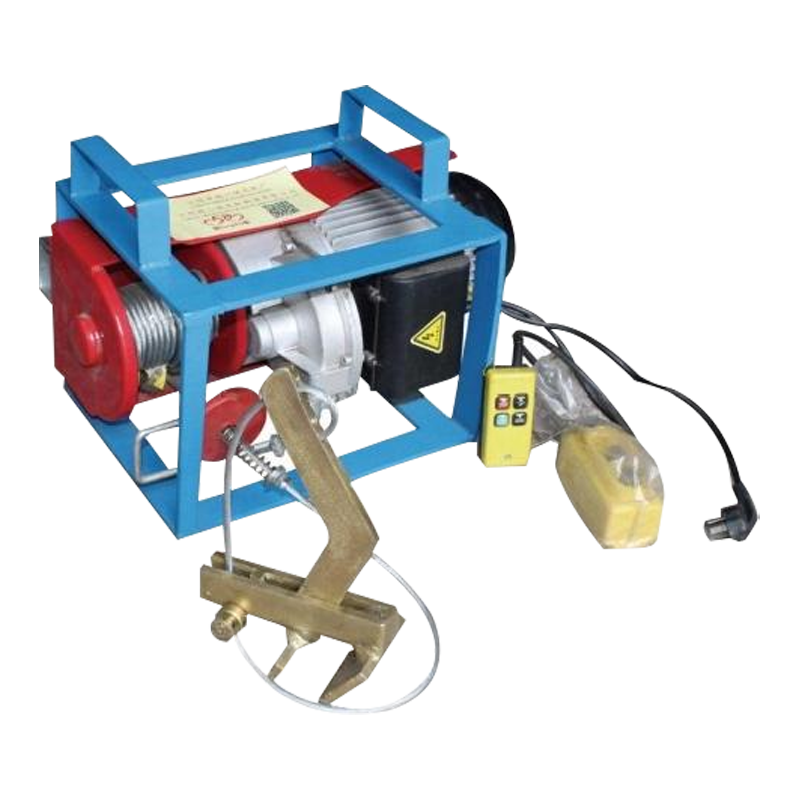 PBJ-4 Ordinary Conveyor Belt Peeling Machine
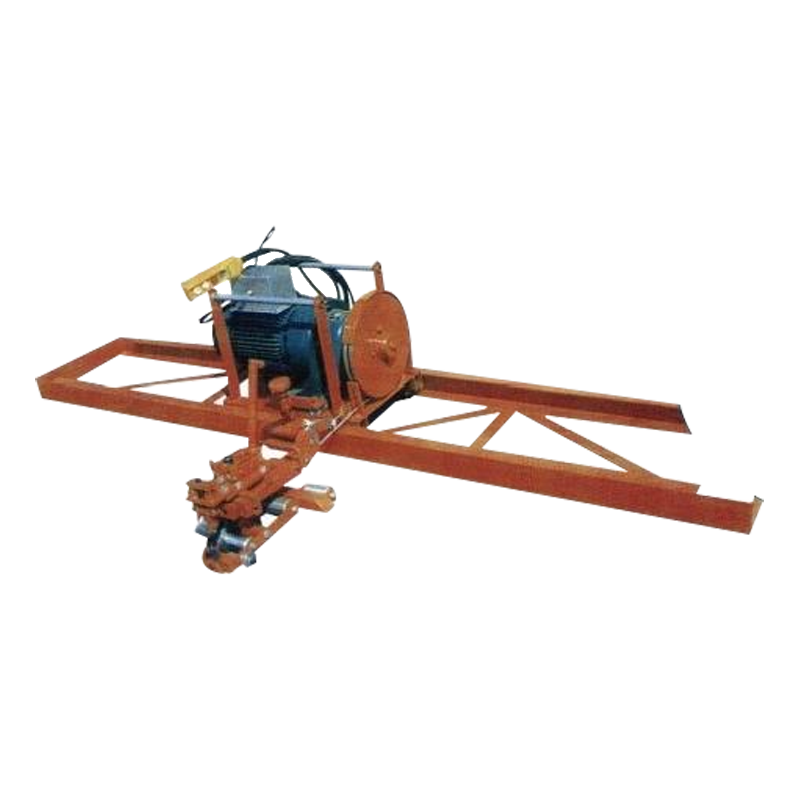 PBJ-2 Steel Wire Rope Conveyor Belt Peeling Machine
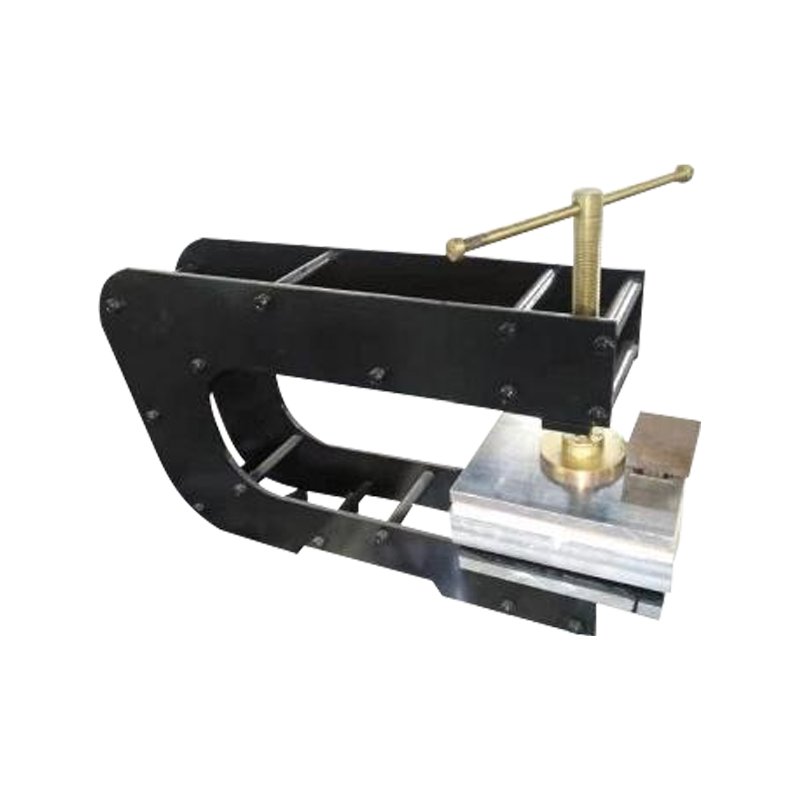 XBG-1 Conveyor Belt Point Patcher
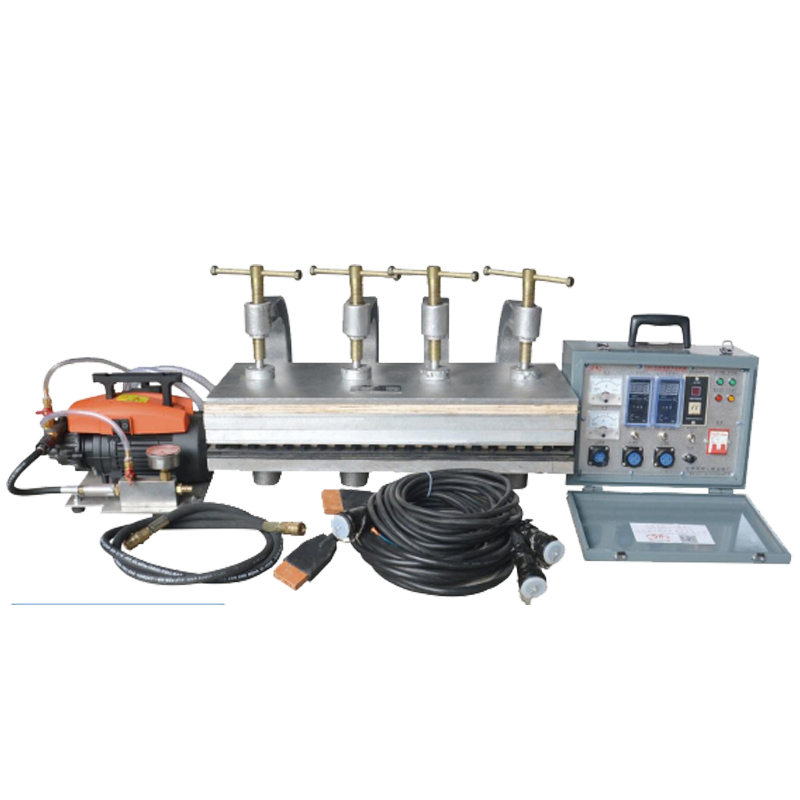 XBG-2 Conveyor Belt Edge Patcher
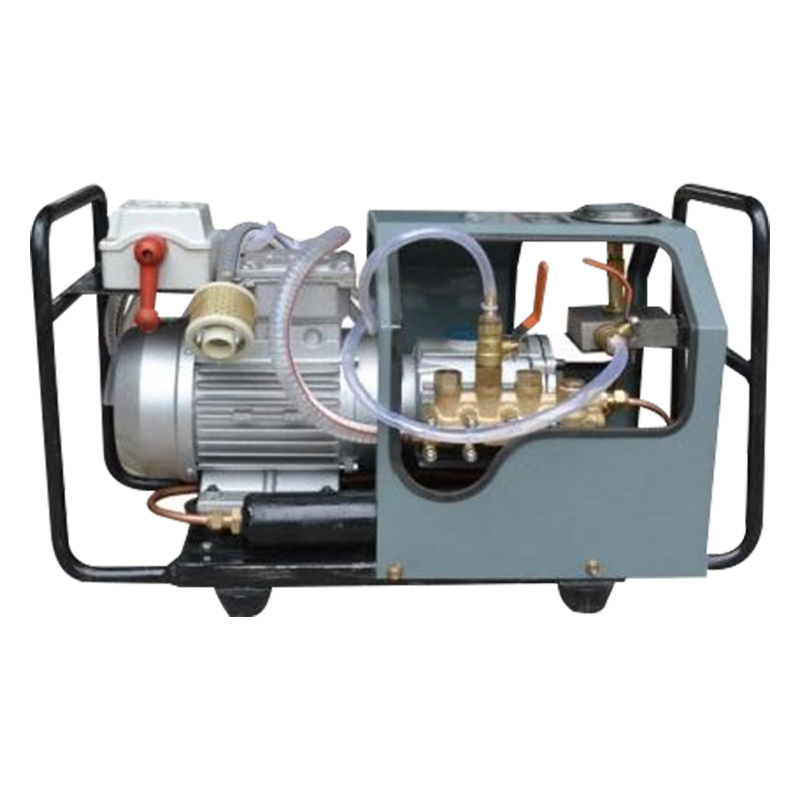 Conveyor Belt Repair: Ensuring Optimal Performance and Longevity
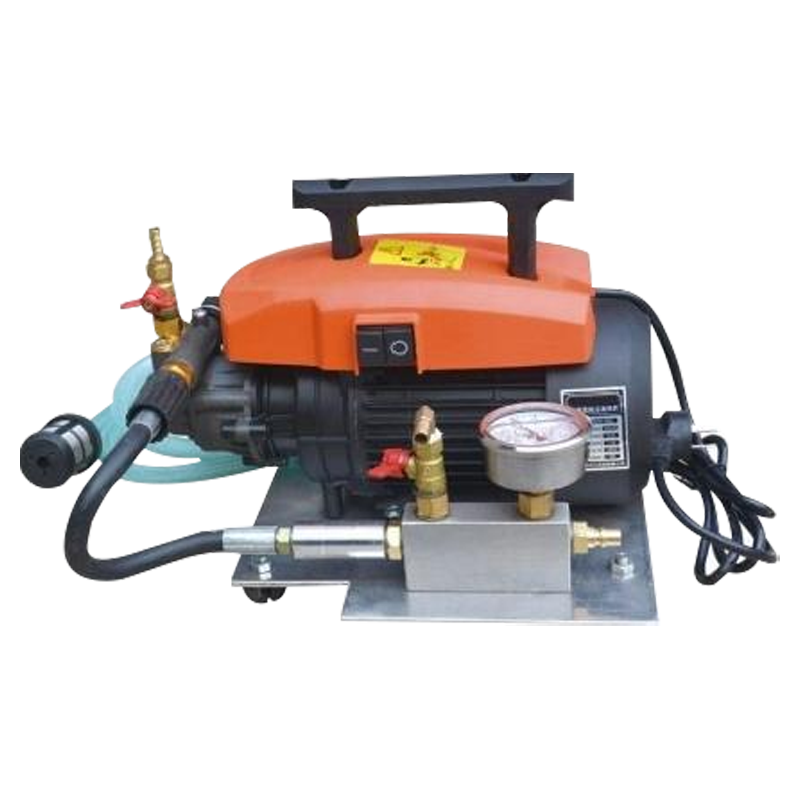 What is the Conveyor Belt Vulcanizing Machines?
What is a Conveyor Belt Vulcanizing Machine and How Does It Work?
Conveyor Belt Repair Machines: How to Choose, Maintain, and Benefit from Them
What is the Conveyor Belt Vulcanizing Machines?
What is a Conveyor Belt Vulcanizing Machine and How Does It Work?
Conveyor Belt Repair Machines: How to Choose, Maintain, and Benefit from Them
 +86-18915223007
  +86-0510-86336668
  [email protected]
  No.21, Hetang Central Street, Jiangyin City, Jiangsu Province
 Copyright © Jiangyin Tongxin Vulcanizing Machine Manufacturer Co., Ltd. All Rights Reserved.
OEM/ODM Belt Vulcanizer Accessories Manufacturers




 Eng
Eng  русский
 Home
Home