One of the primary advantages of using a Conveyor Belt Repair Machine is the speed with which it can perform repairs. Unlike traditional manual methods, which can be time-consuming and labor-intensive, a repair machine can complete repairs in a fraction of the time. This is especially important in industries where minimizing downtime is critical for maintaining production flow. Conveyor belts are often a central component of manufacturing, mining, or logistics operations, and even small delays can lead to substantial losses. The machine’s automated processes, such as precise heat application and uniform pressure distribution, ensure that repairs are completed quickly and effectively, allowing for faster return to operation.
Manual repairs often depend on the skill of the worker, which can lead to inconsistencies in the quality of the repair. A Conveyor Belt Repair Machine offers greater precision and consistency by using automated processes for heating, pressure, and curing. This ensures that the repair is not only uniform across the entire damaged area but also adheres to the required standards of quality. The machine can precisely control variables like temperature and pressure, which is especially important when repairing vulcanized or thermoplastic belts, where a uniform bond is crucial for the belt's long-term functionality.
Manual repairs require skilled labor, often leading to high labor costs and the need for specialized training. A Conveyor Belt Repair Machine reduces the dependency on skilled labor for performing repairs, as the machine typically comes with user-friendly interfaces and automated processes that require less technical expertise. This can result in lower labor costs and reduced reliance on external contractors for repairs. Additionally, the efficiency of the machine allows for a quicker turnaround, leading to more repairs in a shorter amount of time, increasing overall productivity.
Repairing conveyor belts manually can be a hazardous task, especially when it involves handling heavy parts, high temperatures, or specialized chemicals. The use of a Conveyor Belt Repair Machine enhances safety by automating many of the more dangerous aspects of the repair process. For example, the machine can safely manage the application of heat and pressure, which could otherwise pose risks of burns, injuries from sharp components, or accidents from mishandling heavy materials. The machine's enclosed systems and controlled environment minimize human exposure to potential hazards.
While a Conveyor Belt Repair Machine might have a higher initial investment than traditional manual tools or repair methods, it offers a cost-effective solution in the long term. The machine's ability to perform quick, high-quality repairs significantly extends the life of the conveyor belts, delaying the need for full replacements. Moreover, the reduction in downtime, improved repair quality, and less labor-intensive process can lead to substantial cost savings over time. Since the machine performs repairs quickly and efficiently, it can help maintain optimal belt performance for a longer period, minimizing frequent and costly belt replacements.
Certain damages, such as severe tears, delaminations, or fractures, may be difficult to repair manually and require specialized equipment and techniques. The Conveyor Belt Repair Machine can handle a wide range of repair challenges, from small punctures to larger, more complex damages. This versatility ensures that a broader spectrum of repair needs can be met without the necessity of replacing the entire belt. The machine’s adjustable settings allow it to be tailored to different types of damage, whether they involve minor surface abrasions or deeper, structural damage, offering a more comprehensive solution.
With manual repairs, there is a risk of material waste due to imprecise application of repair materials, such as adhesives, vulcanizing agents, or rubber patches. A Conveyor Belt Repair Machine typically uses precise application systems to apply the correct amount of material, ensuring that waste is minimized. The automation ensures that materials are used efficiently, leading to less waste and more environmentally friendly operations. Moreover, the quality of the repair ensures that the belt remains in service for a longer period, further reducing the need for frequent material replacement.
Repairs done using a Conveyor Belt Repair Machine are often more durable and reliable than those performed manually. The precise application of heat, pressure, and vulcanization ensures that the repair is consistent and maintains the integrity of the belt. This is particularly important for high-stress applications where the conveyor belt is subjected to constant use and heavy loads. Manual repairs, while functional in many cases, may not always provide the same level of consistency, leading to a higher risk of recurrent failures or weak spots in the repaired area. The machine’s high-quality repairs enhance overall reliability, leading to fewer breakdowns and interruptions.
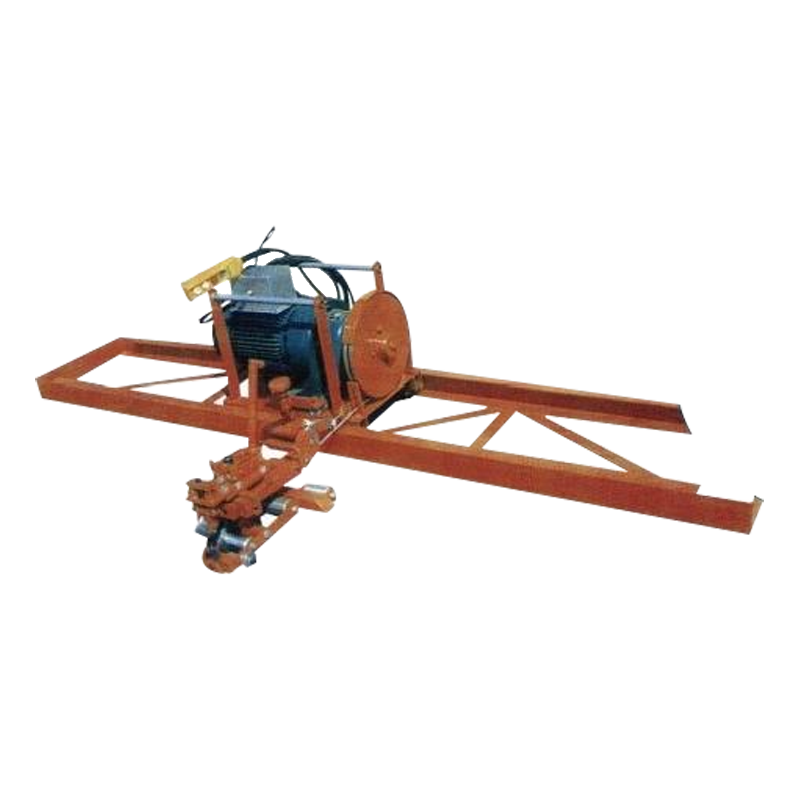 PBJ-2 Steel Wire Rope Conveyor Belt Peeling Machine
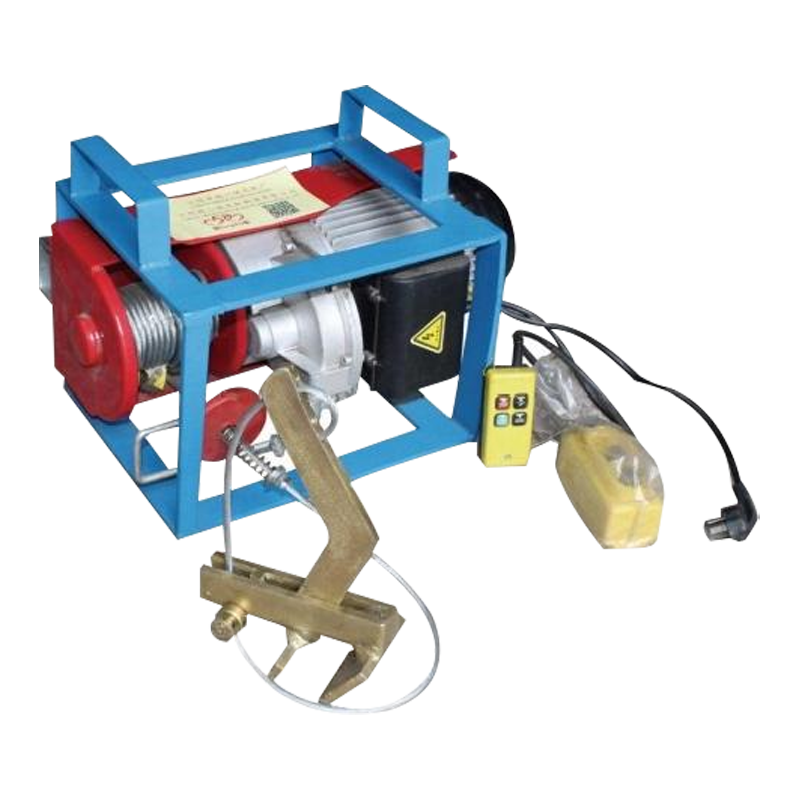 PBJ-4 Ordinary Conveyor Belt Peeling Machine
 TXL-95 Hot Vulcanized Rubber Slurry for Conveyor Belts
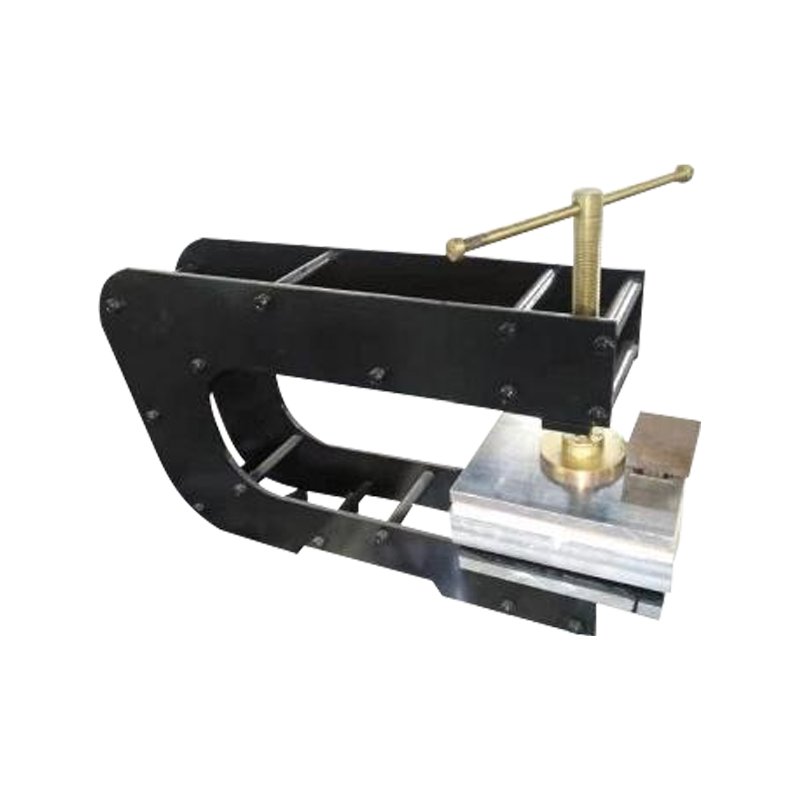 XBG-1 Conveyor Belt Point Patcher
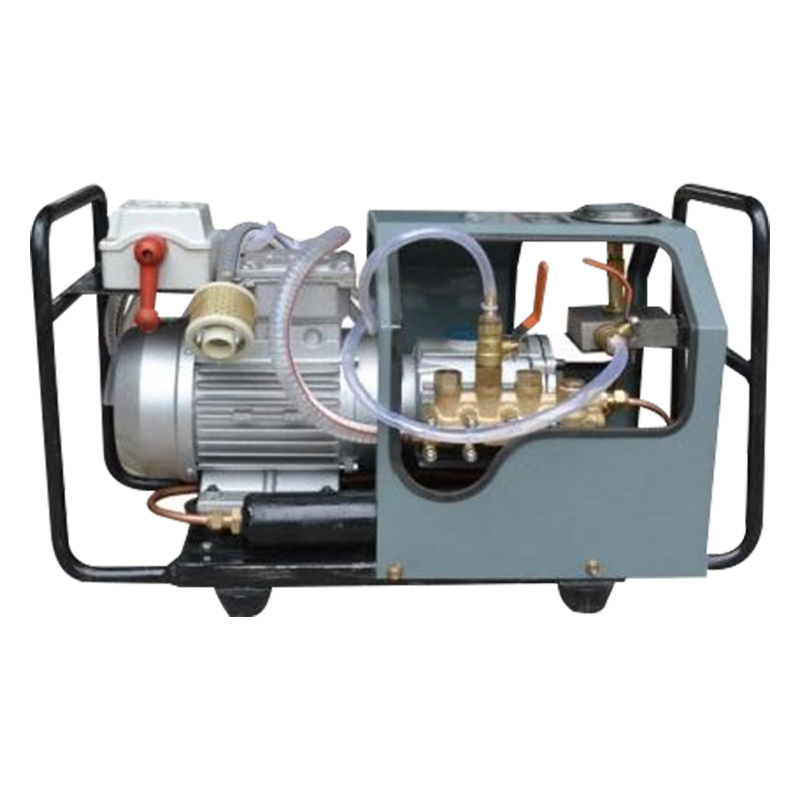 Conveyor Belt Repair: Ensuring Optimal Performance and Longevity
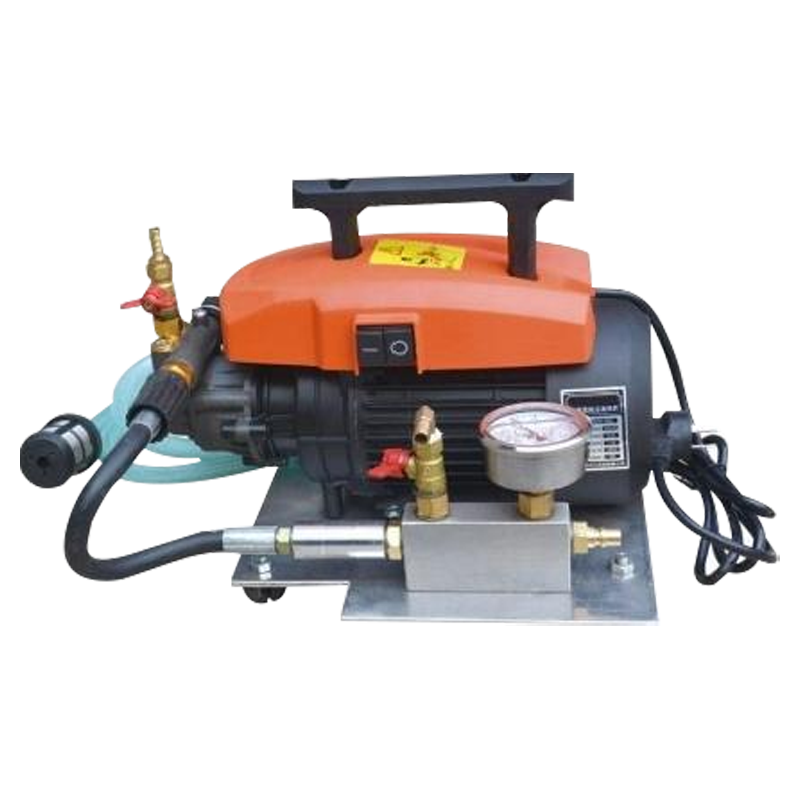 What is the Conveyor Belt Vulcanizing Machines?
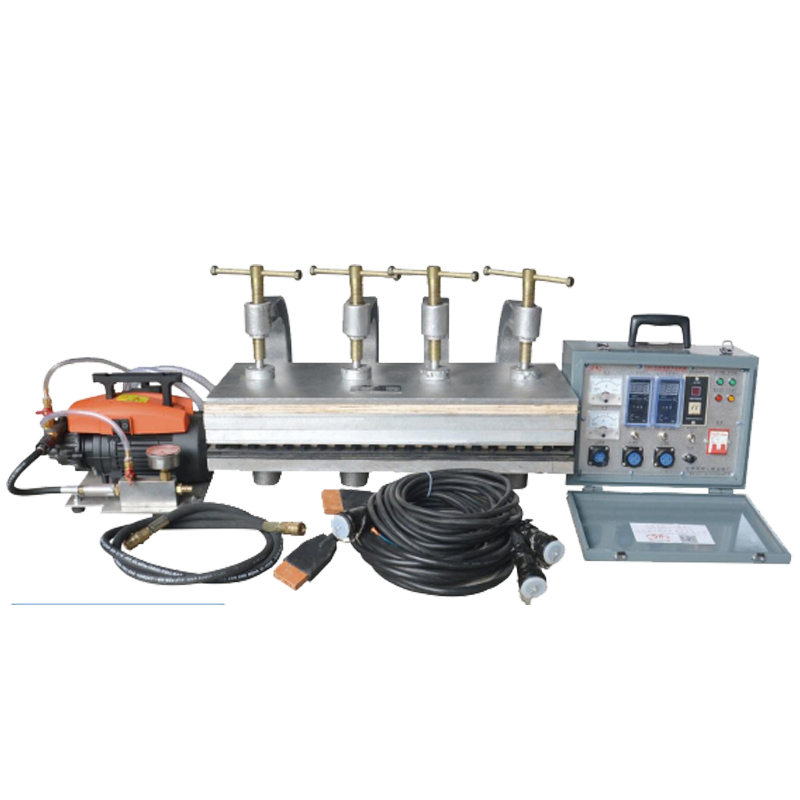 What is a Conveyor Belt Vulcanizing Machine and How Does It Work?
Conveyor Belt Repair Machines: How to Choose, Maintain, and Benefit from Them
What is a Conveyor Belt Vulcanizing Machine and How Does It Work?
Conveyor Belt Repair Machines: How to Choose, Maintain, and Benefit from Them
 +86-18915223007
  +86-0510-86336668
  [email protected]
  No.21, Hetang Central Street, Jiangyin City, Jiangsu Province
 Copyright © Jiangyin Tongxin Vulcanizing Machine Manufacturer Co., Ltd. All Rights Reserved.
OEM/ODM Belt Vulcanizer Accessories Manufacturers




 Eng
Eng  русский
 Home
Home