Conveyor belts with embedded cords, steel cords, or multi-ply reinforcement layers are designed to handle high tensile loads, heavy material handling, and extreme industrial environments. Unlike simple rubber belts, these reinforced belts consist of multiple layers: a top wear-resistant cover, a carcass reinforced with textile or steel cords for tensile strength, and a bottom cover for friction and stability. Damage to any component, such as cuts, abrasions, or punctures, compromises the belt’s operational integrity. Standard surface repairs are insufficient because internal reinforcement layers carry the majority of tensile forces. The Conveyor Belt Point Patcher addresses this complexity by targeting both the external cover layers and the internal reinforcement, ensuring that the repaired area maintains its structural integrity, load-bearing capacity, and flexibility while restoring the belt to near-original performance.
When repairing belts with embedded cords or multi-ply layers, the Conveyor Belt Point Patcher uses a carefully sequenced, layer-by-layer repair methodology. The process begins by preparing the damaged area, cleaning and trimming any degraded material to expose the underlying reinforcement layers. Each layer is then treated individually with adhesives or vulcanizing compounds, ensuring full contact with adjacent undamaged sections. In steel-cord belts, adhesives penetrate between individual cords to achieve strong mechanical and chemical bonding, while multi-ply fabric belts require sequential adhesion to prevent delamination or uneven stress distribution. This meticulous, layer-focused approach ensures that the repaired section restores the tensile strength, flexibility, and operational performance of the belt, enabling it to withstand high loads without premature failure.
Precision in heat and pressure application is critical when repairing reinforced belts, as excessive heat can damage embedded cords or fabric plies, while insufficient energy prevents proper bonding. The Conveyor Belt Point Patcher is equipped with adjustable temperature and pressure settings to ensure uniform curing or vulcanization without compromising internal reinforcements. Heat penetrates the rubber layers, activating adhesives or vulcanizing compounds, while pressure ensures that the layers are compressed and bonded correctly. Uniform pressure across the patch area prevents misalignment, bulging, or uneven surfaces, which could otherwise create stress points during operation. By carefully controlling both heat and pressure, the device ensures the repaired belt maintains structural integrity, smooth surface continuity, and the same mechanical characteristics as the undamaged belt.
The Conveyor Belt Point Patcher uses advanced adhesives or vulcanizing compounds formulated to bond rubber, textile fabric, and steel reinforcement simultaneously. These compounds are designed to penetrate narrow gaps between cords and layers, creating a strong mechanical and chemical bond that restores the belt’s integrity. For steel-cord belts, the adhesive must adhere to both rubber and metal surfaces, maintaining flexibility while preventing delamination under stress. For multi-ply belts, compounds must bond each ply evenly, preserving tensile strength and elasticity without causing stiffness variations. The selection of material-specific adhesives ensures that repaired belts retain abrasion resistance, operational performance, and load-bearing capacity comparable to new sections, making them suitable for high-stress environments such as mining, material handling, and heavy industry.
Maintaining proper alignment of cords and plies is critical for belt performance and longevity. Misalignment during repair can cause uneven load distribution, stress concentration, and early wear. The Conveyor Belt Point Patcher incorporates alignment guides, clamps, and molds that hold the belt layers in the correct orientation during the curing or vulcanization process. This ensures that all reinforcement layers remain parallel and flush with surrounding belt material. Proper alignment not only restores the belt’s structural integrity but also prevents tracking issues and surface irregularities that could interfere with conveyor operation. By preserving both alignment and surface smoothness, the point patcher allows the belt to resume service safely and efficiently, minimizing downtime and maintaining consistent performance across demanding industrial workflows.
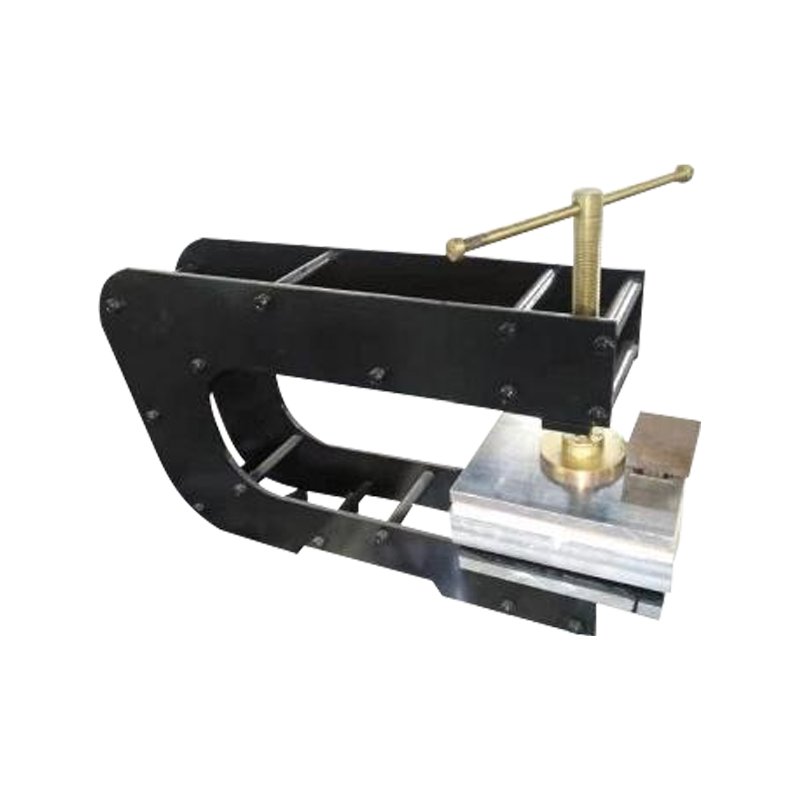 XBG-1 Conveyor Belt Point Patcher
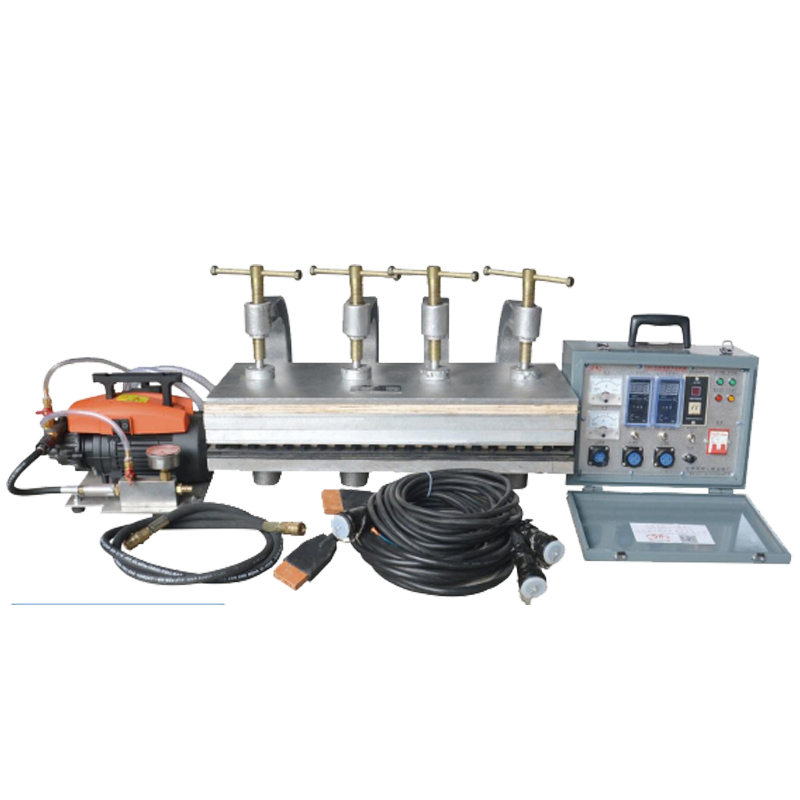 XBG-2 Conveyor Belt Edge Patcher
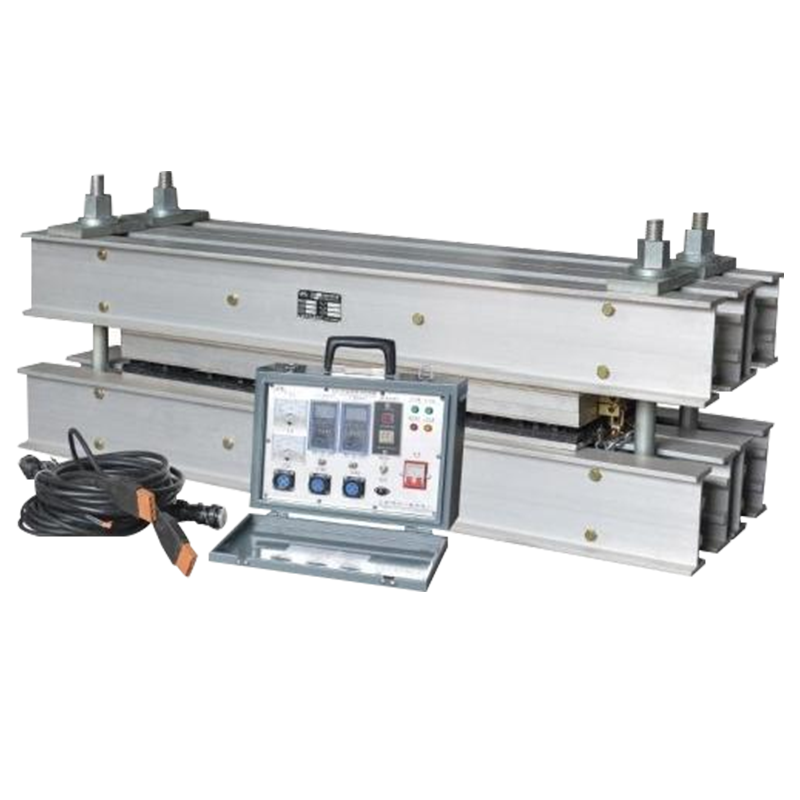 XBG-3 Conveyor Belt Line Patcher
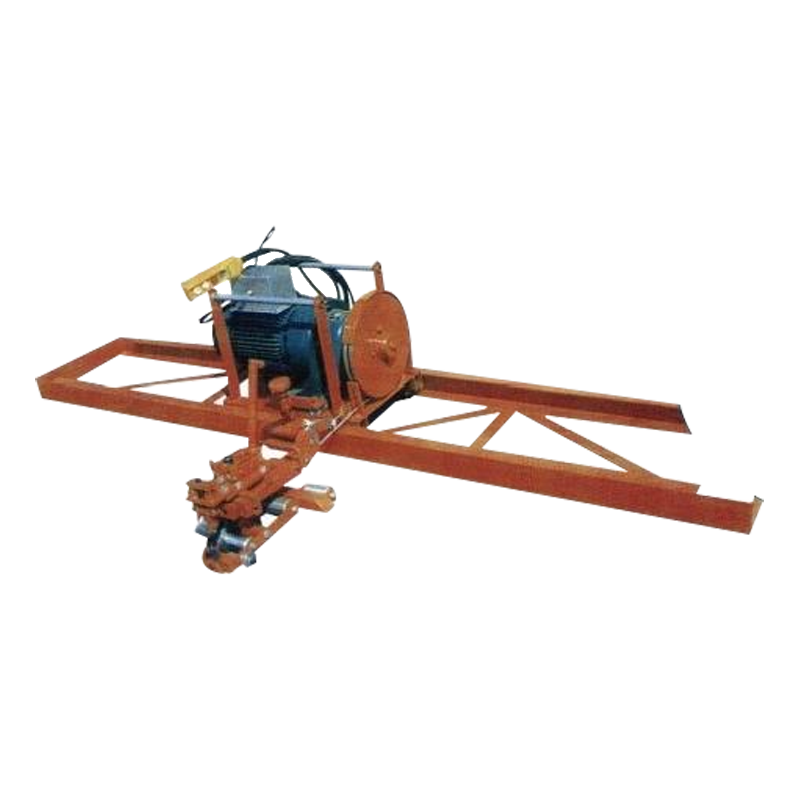 PBJ-2 Steel Wire Rope Conveyor Belt Peeling Machine
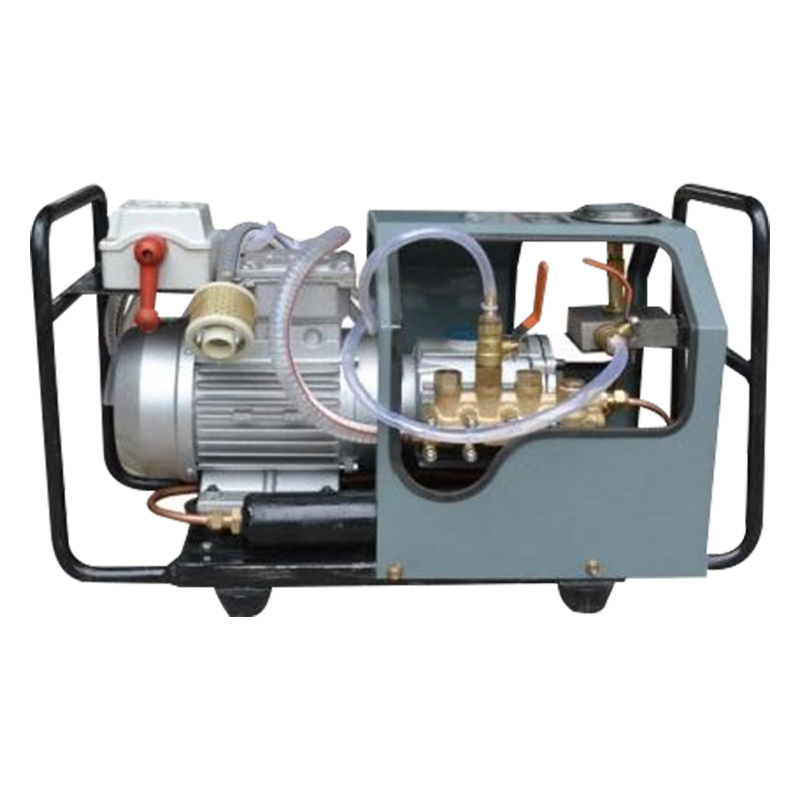 Conveyor Belt Repair: Ensuring Optimal Performance and Longevity
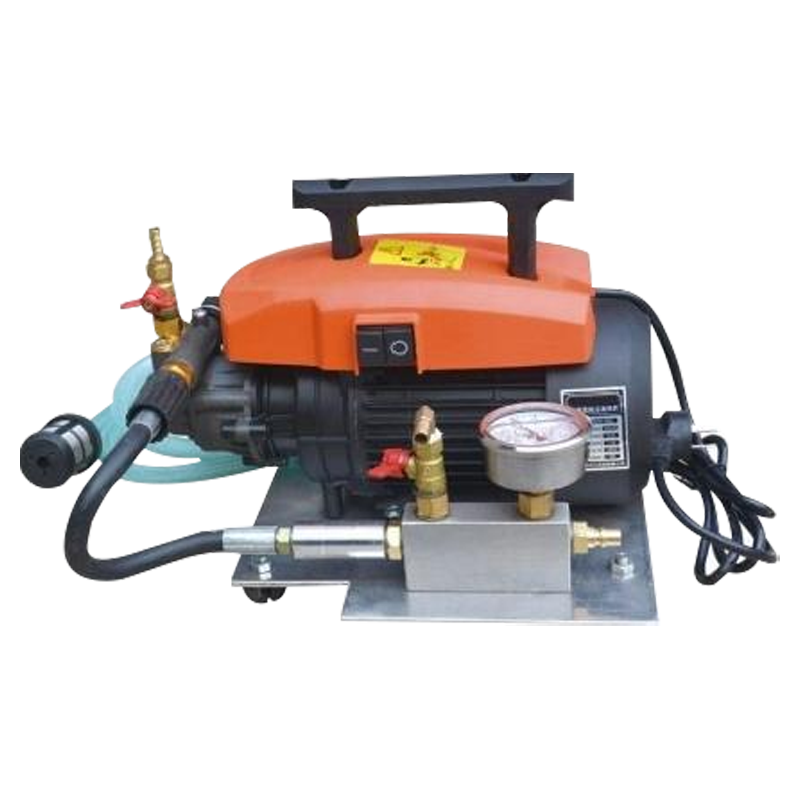 What is the Conveyor Belt Vulcanizing Machines?
What is a Conveyor Belt Vulcanizing Machine and How Does It Work?
What is the Conveyor Belt Vulcanizing Machines?
What is a Conveyor Belt Vulcanizing Machine and How Does It Work?
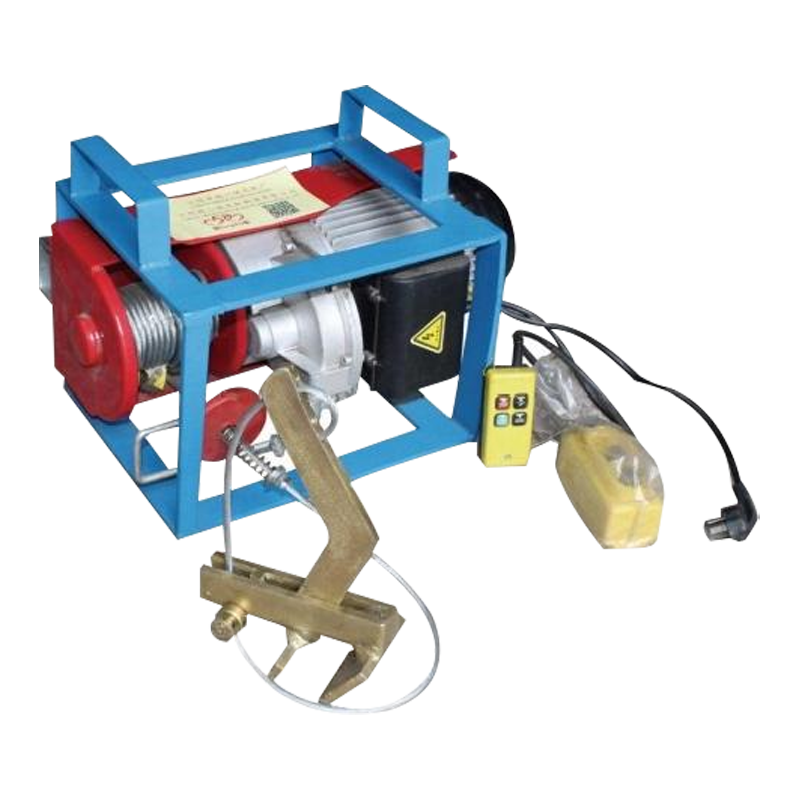 Conveyor Belt Repair Machines: How to Choose, Maintain, and Benefit from Them
 +86-18915223007
  +86-0510-86336668
  [email protected]
  No.21, Hetang Central Street, Jiangyin City, Jiangsu Province
 Copyright © Jiangyin Tongxin Vulcanizing Machine Manufacturer Co., Ltd. All Rights Reserved.
OEM/ODM Belt Vulcanizer Accessories Manufacturers




 Eng
Eng  русский
 Home
Home