Optimized Angle of Insertion for Maximum Efficiency
The angle of insertion of Belt Stripper between the belt and pulley is a critical determinant of its operational efficiency. When the tool is inserted at the optimal angle, it provides the operator with mechanical leverage that allows the belt to be lifted or disengaged with minimal effort. This angle ensures that the applied force is directed in a controlled trajectory, gradually separating the belt from the pulley rather than forcing it abruptly. If the insertion angle is too steep, the tool may dig into the belt or pulley, creating resistance and increasing the risk of tearing or deformation. Conversely, if the angle is too shallow, the tool may slip or fail to fully engage the belt, requiring repeated attempts and increasing strain on both the operator and machinery. By precisely calibrating the insertion angle, manufacturers ensure that the Belt Stripper can remove belts smoothly, efficiently, and predictably across a range of industrial and automotive applications, reducing downtime and increasing workflow efficiency.
Gripping Surface Design for Secure and Reliable Engagement
Equally important is the design of the gripping surface on the Belt Stripper. The surface is engineered to make firm contact with the belt while avoiding any damage to its structure. Common design elements include textured, serrated, or high-friction coatings that enhance grip on both new and worn belts. This design is particularly important when working with belts that have become slick due to oil, dust, or surface wear, as a lack of grip could cause slippage and abrupt release, posing a safety risk to the operator. A well-designed gripping surface ensures consistent engagement, allowing the operator to apply force evenly across the belt’s contact area. This prevents local stress concentrations that could prematurely damage the belt or pulley.
Integration of Angle and Grip for Optimal Mechanical Advantage
The interplay between the insertion angle and the gripping surface is what enables the Belt Stripper to achieve maximum mechanical advantage. The insertion angle governs the trajectory and magnitude of applied force, while the gripping surface ensures that the force is transmitted directly and securely to the belt. This integration allows even high-tension belts to be removed without excessive physical effort, reducing operator fatigue and minimizing the risk of belt damage. In scenarios where belts are installed over multiple pulleys or in confined spaces, this combination of precise angle and reliable grip ensures that the tool performs consistently and efficiently.
Protection of Belt and Pulley Components
A properly designed angle of insertion and gripping surface does more than improve efficiency—it protects the components being serviced. Abrupt or uneven force application can deform pulleys, damage shaft surfaces, or tear belt material, leading to premature failure or additional maintenance costs. The gradual, controlled engagement provided by an optimized insertion angle, combined with a high-friction grip, minimizes lateral and shear forces on the belt and pulley. This protects sensitive components while maintaining the integrity of the belt for reuse, which is especially important in industrial machinery and automotive applications where precision and longevity are critical.
Adaptability to Multiple Belt Types and Sizes
The combination of a precise insertion angle and effective gripping surface enhances the versatility of the Belt Stripper. Belts vary widely in width, thickness, material, and tension—from V-belts and serpentine belts to timing belts and flat drive belts. A well-designed Belt Stripper can accommodate these variations because the angle of insertion allows controlled engagement regardless of belt profile, and the gripping surface ensures secure contact with materials ranging from rubber to reinforced composites. This adaptability makes the tool suitable for a wide range of applications, from automotive repairs to industrial machinery maintenance, improving utility and reducing the need for multiple specialized tools.
Operational Efficiency and Safety for Users
From an operator perspective, the correct insertion angle and gripping surface design significantly enhance usability and safety. Smooth, controlled belt removal reduces the need for repeated forceful attempts, decreasing operator strain and fatigue. It also minimizes the risk of sudden belt release, which can cause injuries or accidental contact with nearby components. In high-volume maintenance settings or industrial environments, this efficiency translates to faster servicing times, reduced downtime, and safer working conditions. Operators can rely on the Belt Stripper to perform consistently, maintaining both the belt’s integrity and the surrounding machinery’s functionality.
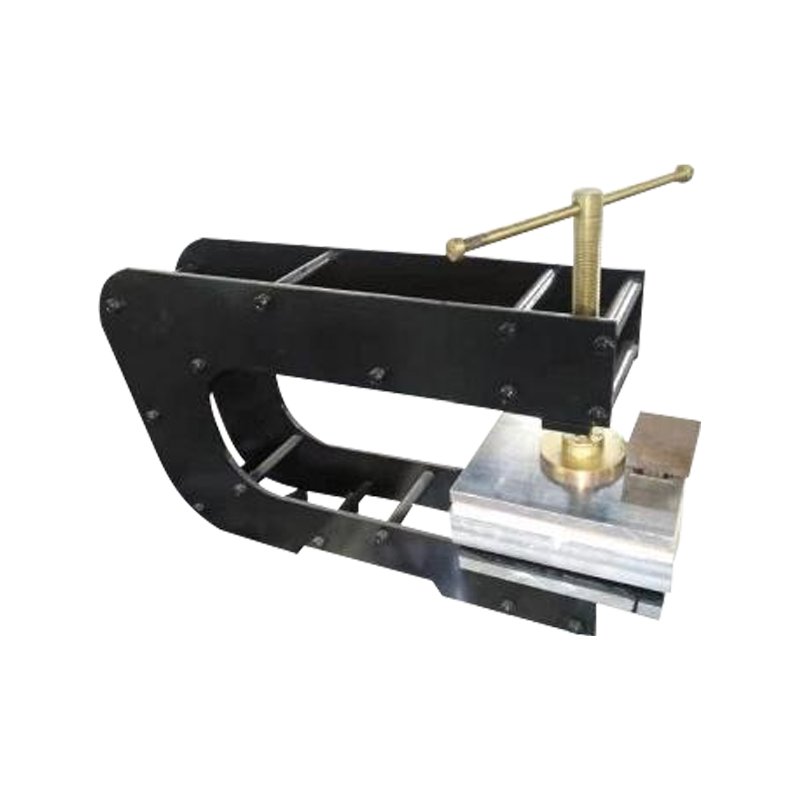 XBG-1 Conveyor Belt Point Patcher
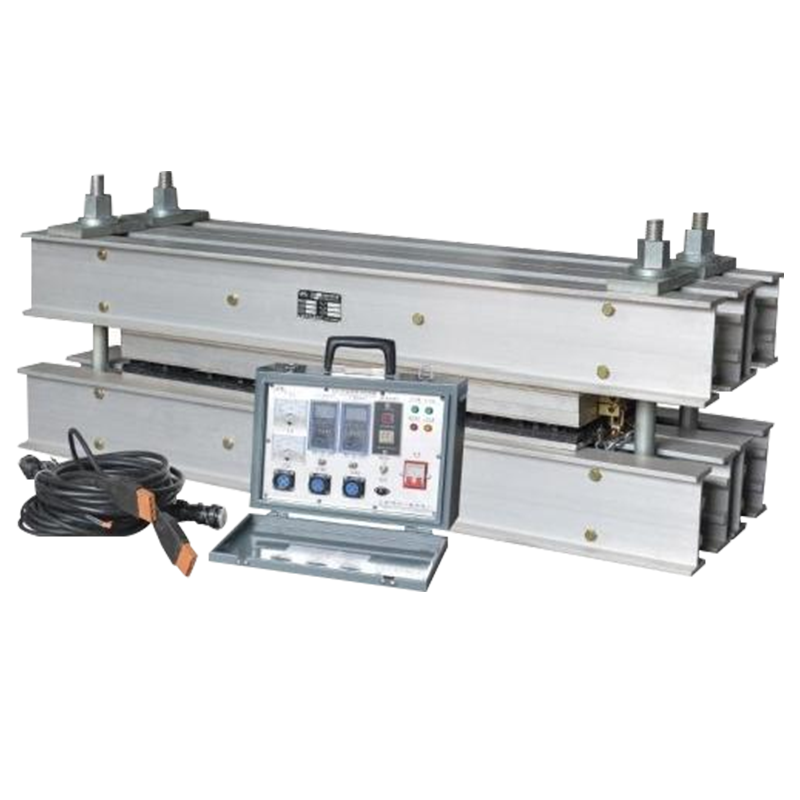 XBG-3 Conveyor Belt Line Patcher
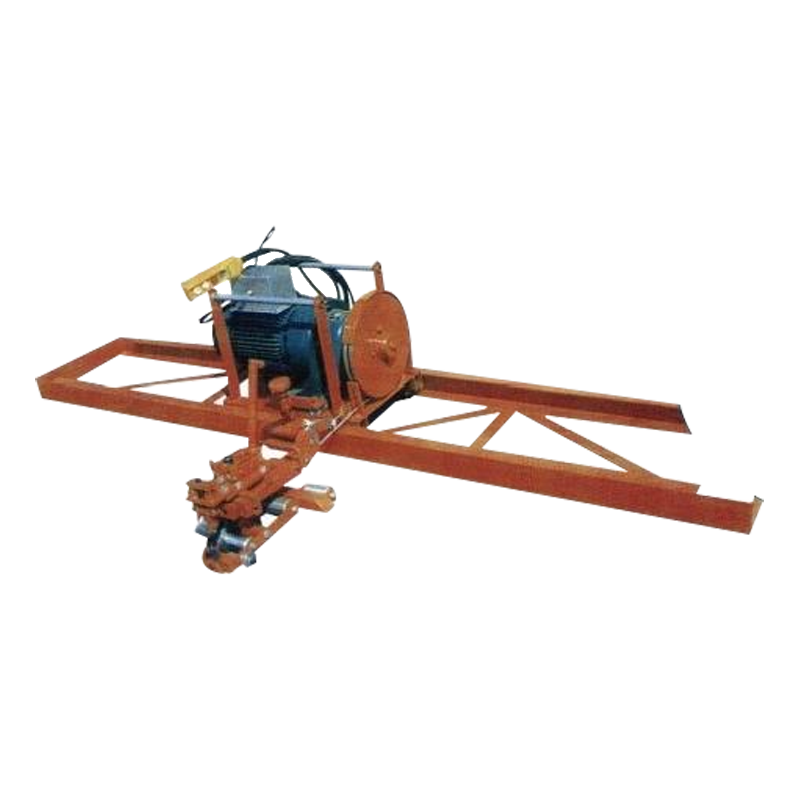 PBJ-2 Steel Wire Rope Conveyor Belt Peeling Machine
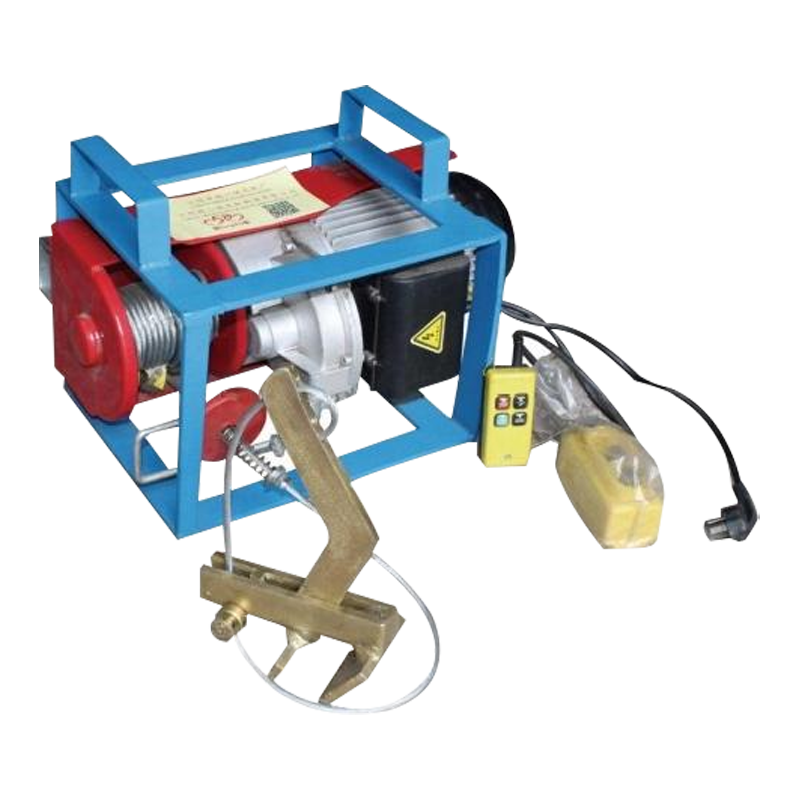 PBJ-4 Ordinary Conveyor Belt Peeling Machine
 Conveyor Belt Repair: Ensuring Optimal Performance and Longevity
 What is the Conveyor Belt Vulcanizing Machines?
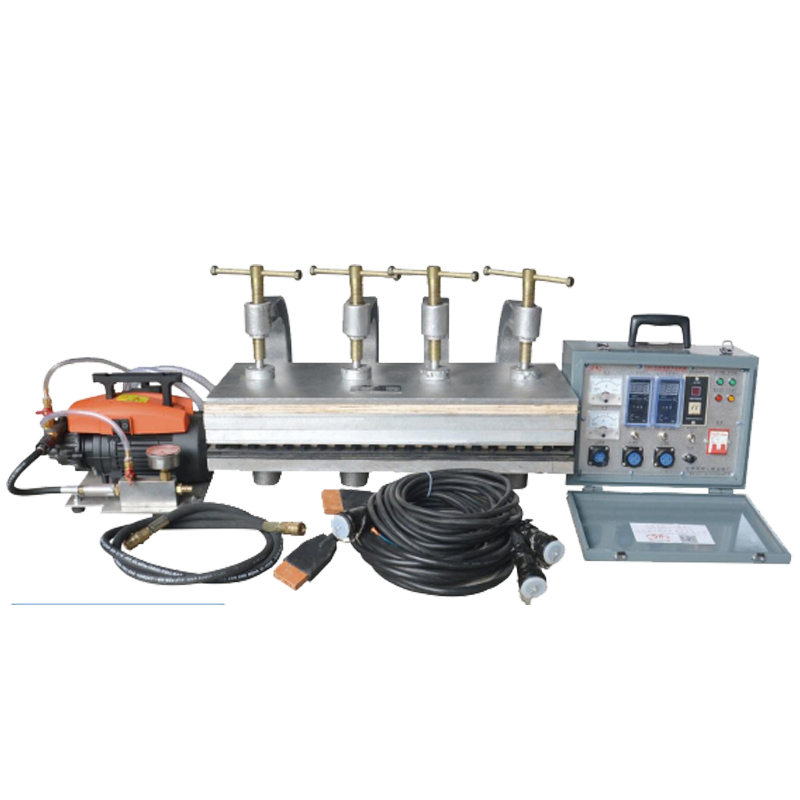 What is a Conveyor Belt Vulcanizing Machine and How Does It Work?
Conveyor Belt Repair Machines: How to Choose, Maintain, and Benefit from Them
What is a Conveyor Belt Vulcanizing Machine and How Does It Work?
Conveyor Belt Repair Machines: How to Choose, Maintain, and Benefit from Them
 +86-18915223007
  +86-0510-86336668
  [email protected]
  No.21, Hetang Central Street, Jiangyin City, Jiangsu Province
 Copyright © Jiangyin Tongxin Vulcanizing Machine Manufacturer Co., Ltd. All Rights Reserved.
OEM/ODM Belt Vulcanizer Accessories Manufacturers




 Eng
Eng  русский
 Home
Home