The Conveyor Belt Vulcanizing Machine employs advanced heating systems to ensure uniform heat distribution throughout the vulcanization process. Typically, this is achieved through the use of infrared heaters, steam-based systems, or electric heat plates, which are precisely controlled to evenly heat the rubber and belt surfaces. Even heat distribution is essential for ensuring that the rubber compounds cure evenly, which allows for a consistent bond between the rubber and the belt fabric. In high-stress applications, where the belt will undergo significant wear and tear, a non-uniform curing process can lead to weak spots, which may fail under pressure. By ensuring that the temperature is constant and uniform, the vulcanizing machine mitigates the risk of under-curing or over-curing, both of which could compromise the strength and durability of the bond.
Another critical factor in achieving a strong, consistent bond is the precise application of pressure. The Conveyor Belt Vulcanizing Machine utilizes adjustable pressure settings to exert the correct amount of force on the belt and its rubber coating during the vulcanization process. Pressure is applied uniformly across the surface of the belt, ensuring that the rubber adheres properly, creating a solid mechanical bond between the two materials. This step is particularly crucial in high-stress applications such as mining, heavy manufacturing, or bulk material handling, where conveyor belts are subjected to substantial friction and heavy loads. The right amount of pressure ensures that the rubber coats the belt surface evenly, without creating gaps or weak spots that could lead to failure under heavy-duty conditions. By applying adequate pressure, the machine also helps the rubber penetrate into the fabric of the belt, enhancing both the strength of the bond and its resistance to mechanical stresses.
The vulcanization time is a critical variable in ensuring the proper bonding of the rubber to the belt material. If the vulcanization process is too short, the rubber may not cure completely, resulting in a weak, flexible bond that may break down over time. Conversely, excessive vulcanization can make the rubber too brittle, leading to cracking and delamination, particularly under the strain of high-stress applications. The Conveyor Belt Vulcanizing Machine is equipped with precise time controls that enable operators to adjust vulcanization duration based on the type of material being processed and the specific requirements of the application. By precisely controlling the curing time, the machine ensures that the bond reaches the ideal level of hardness and elasticity, providing the necessary strength to withstand the heavy operational demands of industries such as logistics, automotive manufacturing, or mining.
The effectiveness of the vulcanization process is heavily dependent on the synchronization of temperature and pressure. For high-stress applications, where the belt is expected to bear substantial loads and endure harsh conditions, synchronizing these two factors is essential to ensure that the rubber cures at the correct rate and forms a uniform bond. In these situations, the Conveyor Belt Vulcanizing Machine carefully controls the temperature and pressure profiles throughout the vulcanization cycle. Any imbalance between these two variables could lead to uneven curing, which would affect the bond’s strength and durability. By continuously monitoring and adjusting both temperature and pressure, the machine helps to ensure a consistent, strong bond that is resistant to the stresses placed on the belt, preventing premature wear and failure.
Environmental conditions such as ambient temperature, humidity, and airflow can significantly impact the vulcanization process. Extreme variations in these factors can lead to inconsistent curing, which can, in turn, affect the rubber-to-belt bond. The Conveyor Belt Vulcanizing Machine is often designed to operate within a controlled environment that minimizes these external influences. In more advanced systems, climate control mechanisms or air-conditioned enclosures may be integrated into the machine to maintain the optimal conditions for curing. This ensures that fluctuations in environmental factors do not cause inconsistencies during vulcanization. For example, higher humidity levels may alter the curing time or heat distribution, which can weaken the bond. By regulating these conditions, the machine guarantees the vulcanization process is carried out under optimal circumstances, contributing to a uniform bond that can withstand the most demanding operational conditions.
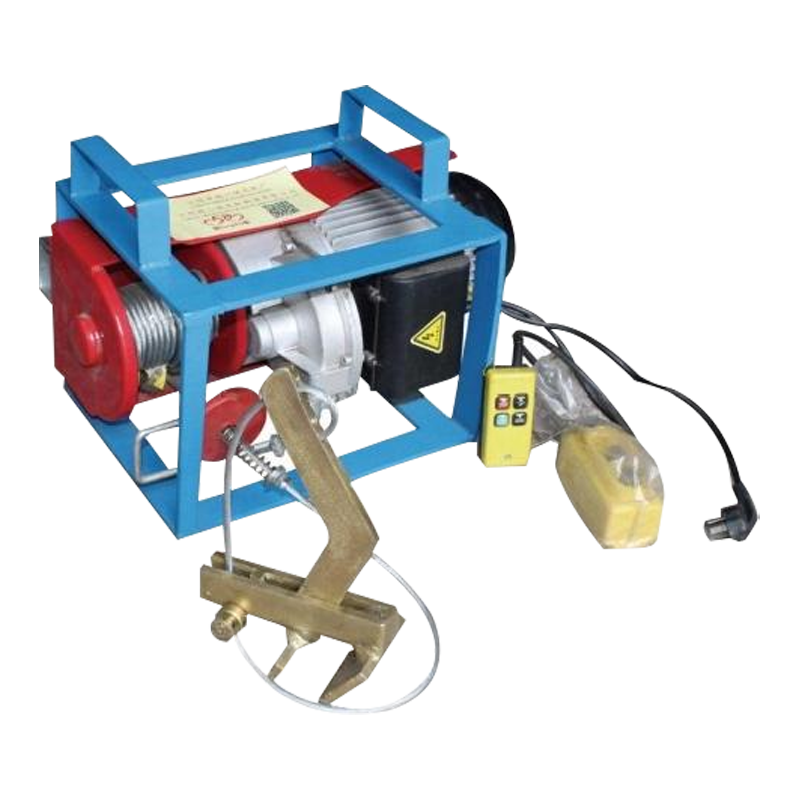 PBJ-4 Ordinary Conveyor Belt Peeling Machine
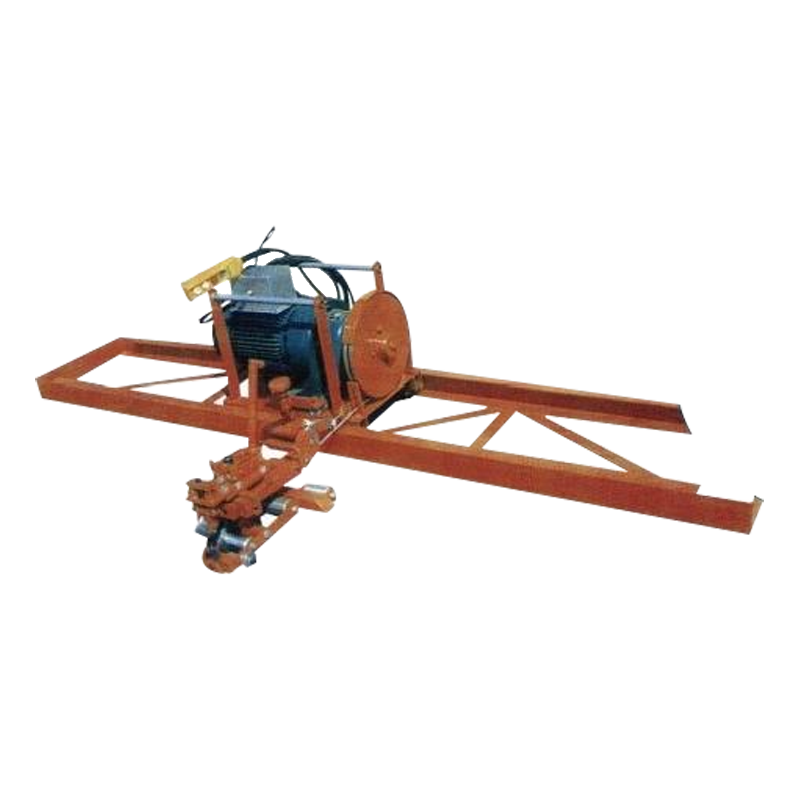 PBJ-2 Steel Wire Rope Conveyor Belt Peeling Machine
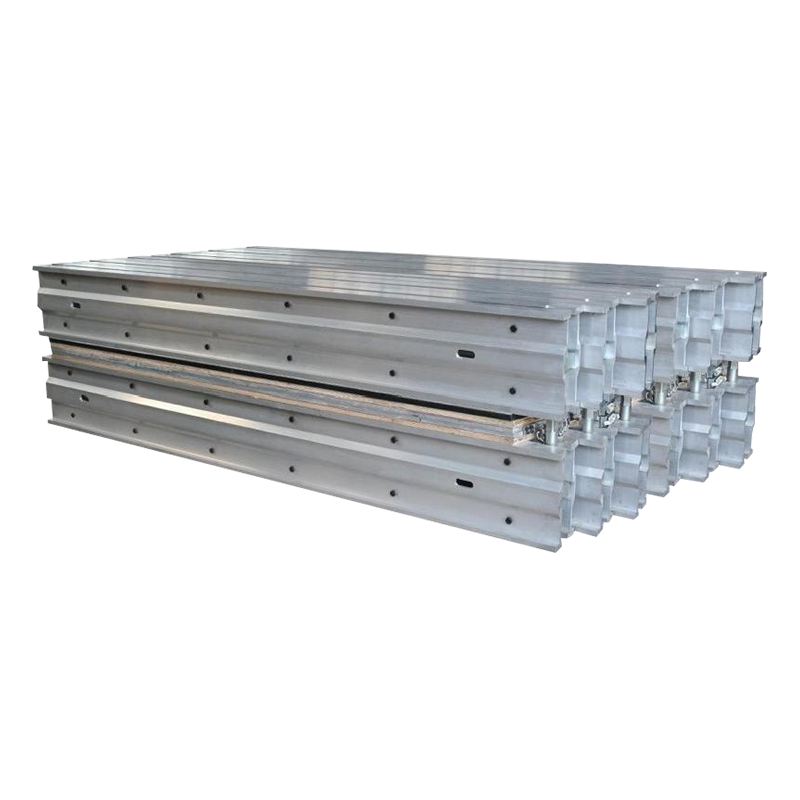 TXCK Electric Blanket Type Water-Cooled Vulcanizing Machine
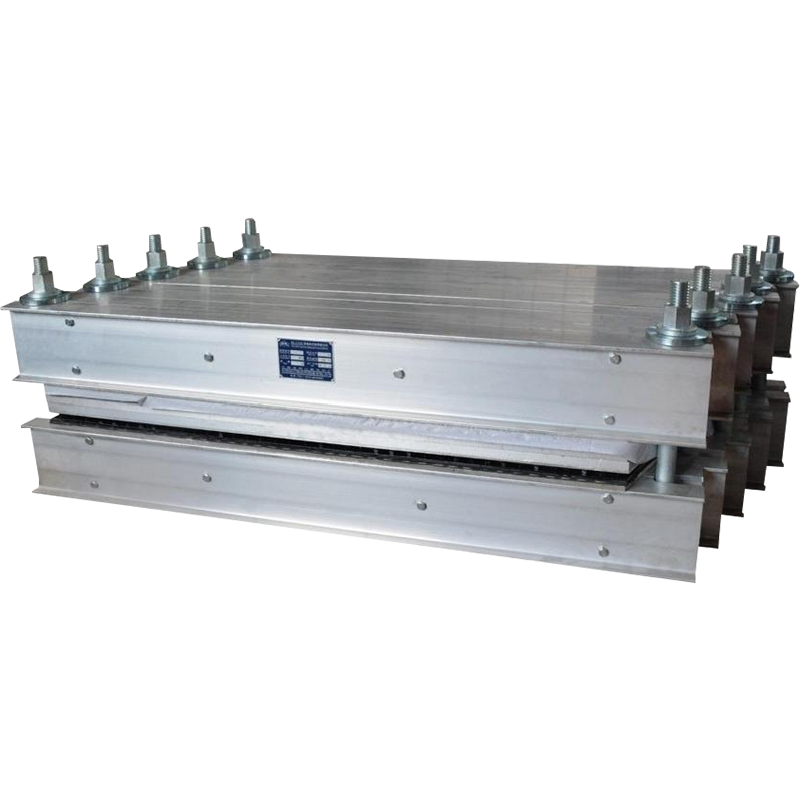 DJSL/DGLJL Water-Cooled Light Vulcanizing Machine
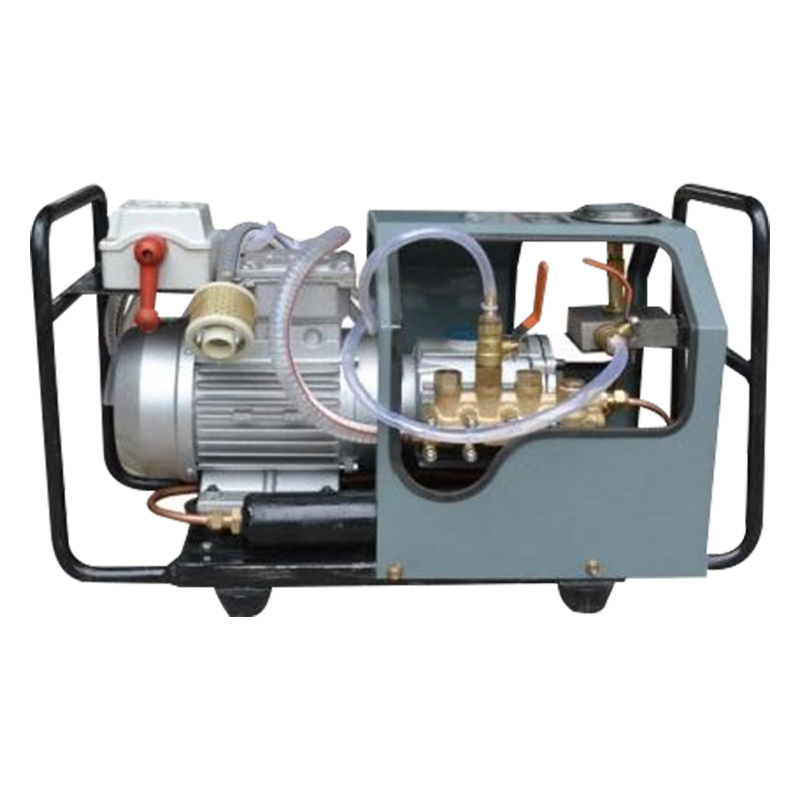 Conveyor Belt Repair: Ensuring Optimal Performance and Longevity
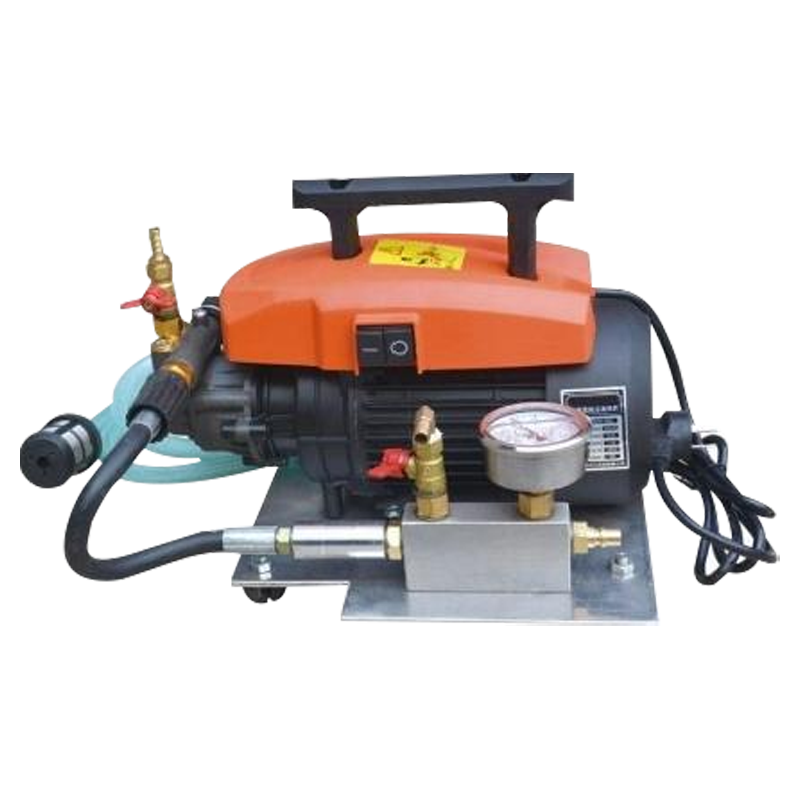 What is the Conveyor Belt Vulcanizing Machines?
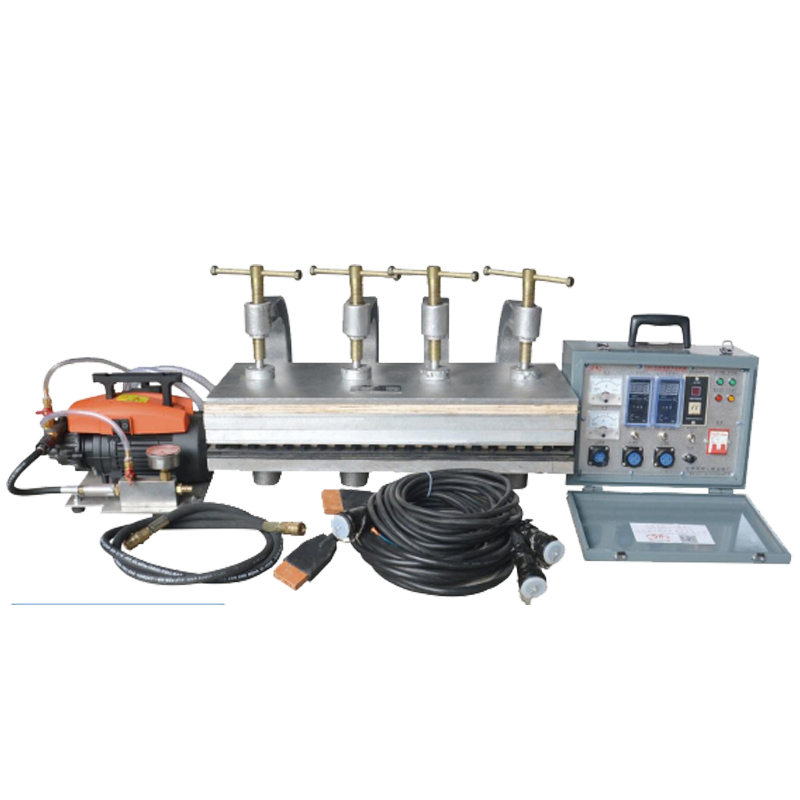 What is a Conveyor Belt Vulcanizing Machine and How Does It Work?
Conveyor Belt Repair Machines: How to Choose, Maintain, and Benefit from Them
What is a Conveyor Belt Vulcanizing Machine and How Does It Work?
Conveyor Belt Repair Machines: How to Choose, Maintain, and Benefit from Them
 +86-18915223007
  +86-0510-86336668
  [email protected]
  No.21, Hetang Central Street, Jiangyin City, Jiangsu Province
 Copyright © Jiangyin Tongxin Vulcanizing Machine Manufacturer Co., Ltd. All Rights Reserved.
OEM/ODM Belt Vulcanizer Accessories Manufacturers




 Eng
Eng  русский
 Home
Home