When comparing cutting speed, a rotary belt skiver is generally faster for continuous, large-area stripping, while a Belt Stripper offers more controlled, precise cuts suited to specific depths and widths. In practical workshop settings, a rotary belt skiver can process belt surfaces at speeds of 0.5–1.5 meters per minute, whereas a manual Belt Stripper typically operates at 0.2–0.6 meters per minute depending on belt hardness and operator technique. However, speed alone does not determine the right tool — setup time, strip quality, and application type all play critical roles in the decision.
A Belt Stripper is a hand-operated or semi-mechanical tool designed to remove the top cover layer of a conveyor or flat belt to a specified depth. It uses a fixed or adjustable blade that the operator draws across the belt surface, peeling back a precise layer of rubber or plastic material. This makes it especially useful for preparing belt ends for mechanical splicing or cold vulcanization.
Belt Strippers are compact and portable, making them a preferred choice for in-situ fieldwork where removing the belt for workshop processing is impractical. Most models allow depth adjustments ranging from 1mm to 10mm, giving technicians control over how much material is removed in a single pass.
A rotary belt skiver uses a spinning circular blade — often powered by an electric motor or pneumatic system — to shave material from a belt surface. The rotating action allows the blade to move continuously across the belt with less manual effort, resulting in higher throughput on long or wide belt sections.
Rotary skiving tools are commonly used in workshops for preparing large batches of belts or processing wide conveyor belts where manual stripping would be time-consuming. Electric rotary belt skivers typically operate at blade speeds of 3,000–8,000 RPM, enabling faster surface removal compared to the drag-blade mechanism of a Belt Stripper.
The table below summarizes the typical cutting speed performance of a Belt Stripper versus a rotary belt skiver across common belt materials:
| Tool | Belt Material | Avg. Cutting Speed | Ideal Use Case |
|---|---|---|---|
| Belt Stripper | Rubber (soft) | 0.5–0.6 m/min | Field splicing, precise depth |
| Belt Stripper | Rubber (hard/thick) | 0.2–0.3 m/min | Controlled layer removal |
| Rotary Belt Skiver | Rubber (soft) | 1.2–1.5 m/min | High-volume workshop prep |
| Rotary Belt Skiver | PVC / Fabric-ply | 0.8–1.2 m/min | Wide belt surface skiving |
As the data shows, a rotary belt skiver is up to 2–3 times faster than a Belt Stripper on soft rubber materials. However, this advantage narrows significantly when working on harder or reinforced belts, where both tools require slower, more deliberate passes.
While the rotary belt skiver wins on raw cutting speed, a Belt Stripper often delivers a faster overall workflow in specific scenarios. Consider the following situations where a Belt Stripper outperforms in terms of total time efficiency:
Speed is only useful if the resulting surface is acceptable for bonding or splicing. Here is how strip quality compares between the two tools:
A Belt Stripper typically produces a flat, consistent surface with minimal tearing, especially on rubber belts. The drag-blade action creates a smooth finish that is well-suited for cold vulcanization adhesives that require close surface contact. Experienced operators report surface roughness values of around Ra 1.6–3.2 µm — acceptable for most splicing applications.
A rotary belt skiver tends to leave a slightly rougher finish due to the rotational cutting action. This can actually be beneficial for hot vulcanization splices, where a rougher surface promotes better bonding. However, at higher RPMs or on softer rubber, the rotary blade can cause surface smearing or heat-related glazing, which reduces adhesive bond strength.
Raw speed data does not account for operator fatigue, which directly affects sustained performance over a full workday. A Belt Stripper requires consistent manual force, particularly on thick or hard belts. Over a 4–6 hour shift, operator fatigue can reduce effective cutting speed by 20–35%, meaning actual throughput may be significantly lower than peak values.
A powered rotary belt skiver, by contrast, requires less physical exertion. The motor handles the cutting force, allowing the operator to guide the tool rather than drive it. This makes the rotary skiver a better choice for high-volume operations requiring sustained speed over long periods.
Speed comparisons must also factor in operational costs. A quality Belt Stripper typically costs between $50–$300 depending on the model and blade system, with replacement blades costing $5–$30 each. Blade replacement on a standard Belt Stripper takes less than 2 minutes.
A rotary belt skiver ranges from $200–$1,500+ for electric models, with additional costs for motor maintenance, blade sharpening, and occasional downtime for repairs. If a rotary skiver goes out of service mid-project, it can halt an entire workflow — a risk that does not exist with the simpler Belt Stripper.
The right choice depends on your specific workflow. Use the following guide as a quick reference:
The rotary belt skiver is faster in continuous high-volume cutting, but a Belt Stripper delivers superior total efficiency in field applications, depth-sensitive tasks, and low-volume jobs where setup time and portability matter more than peak cutting speed.
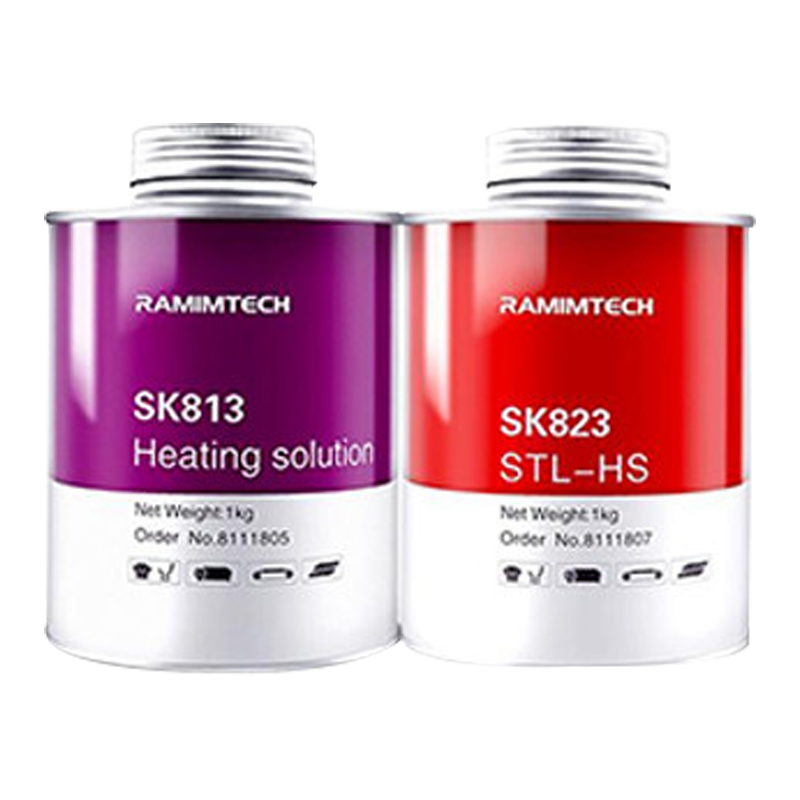 TXL-95 Hot Vulcanized Rubber Slurry for Conveyor Belts
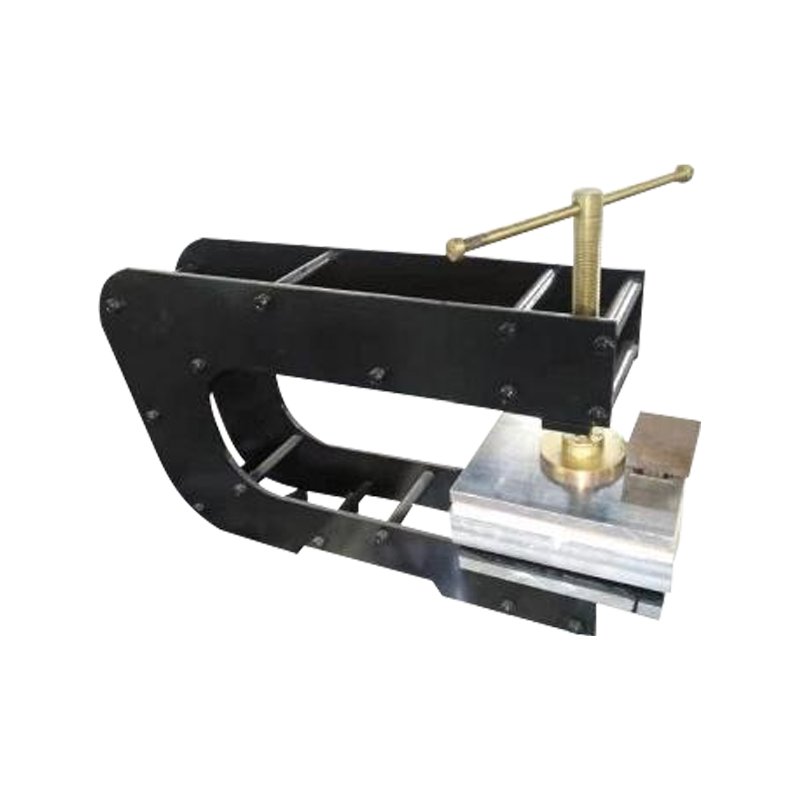 XBG-1 Conveyor Belt Point Patcher
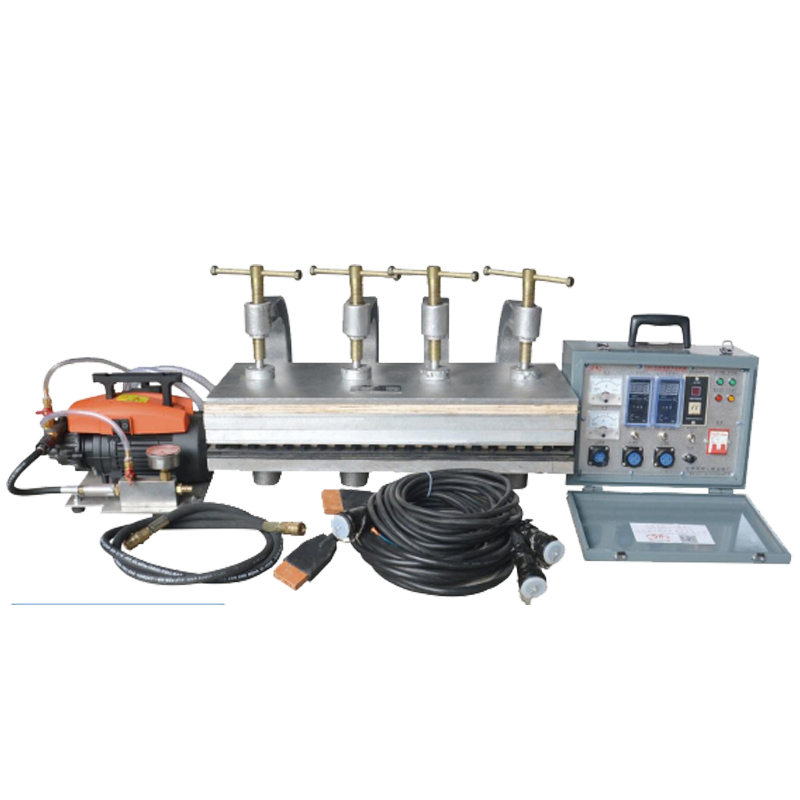 XBG-2 Conveyor Belt Edge Patcher
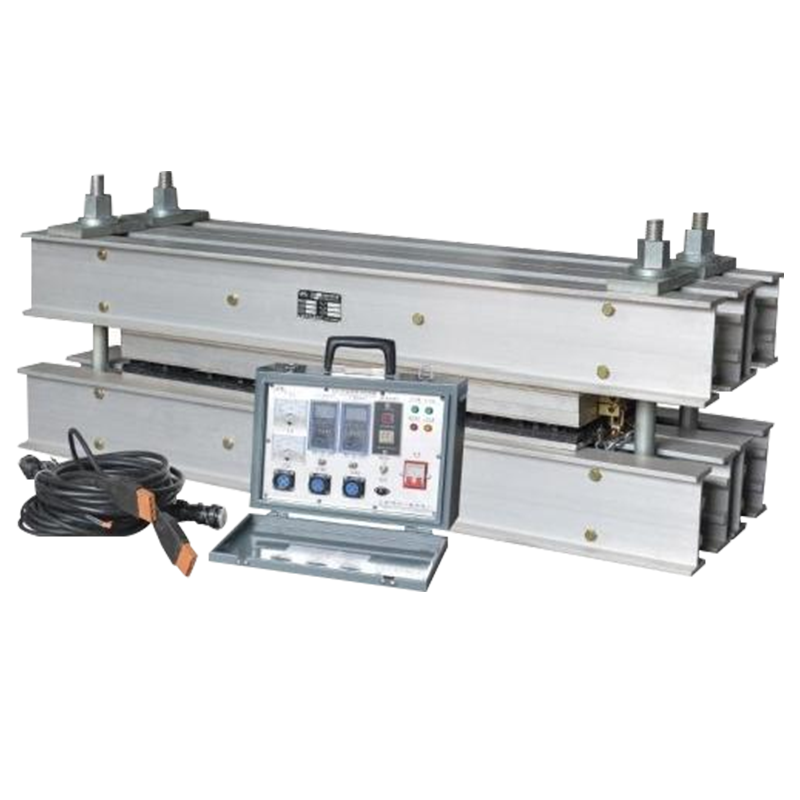 XBG-3 Conveyor Belt Line Patcher
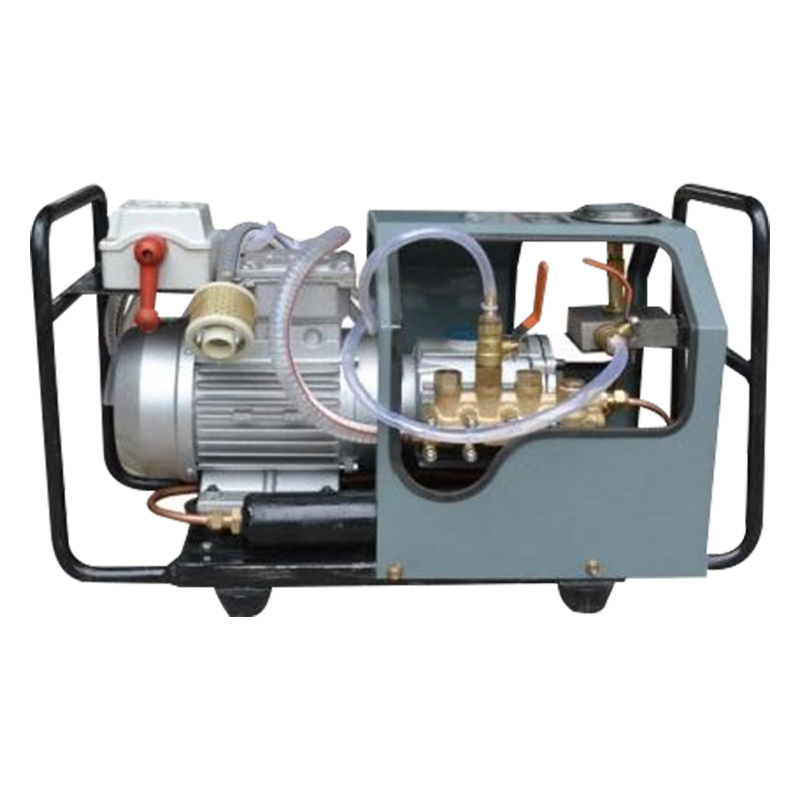 Conveyor Belt Repair: Ensuring Optimal Performance and Longevity
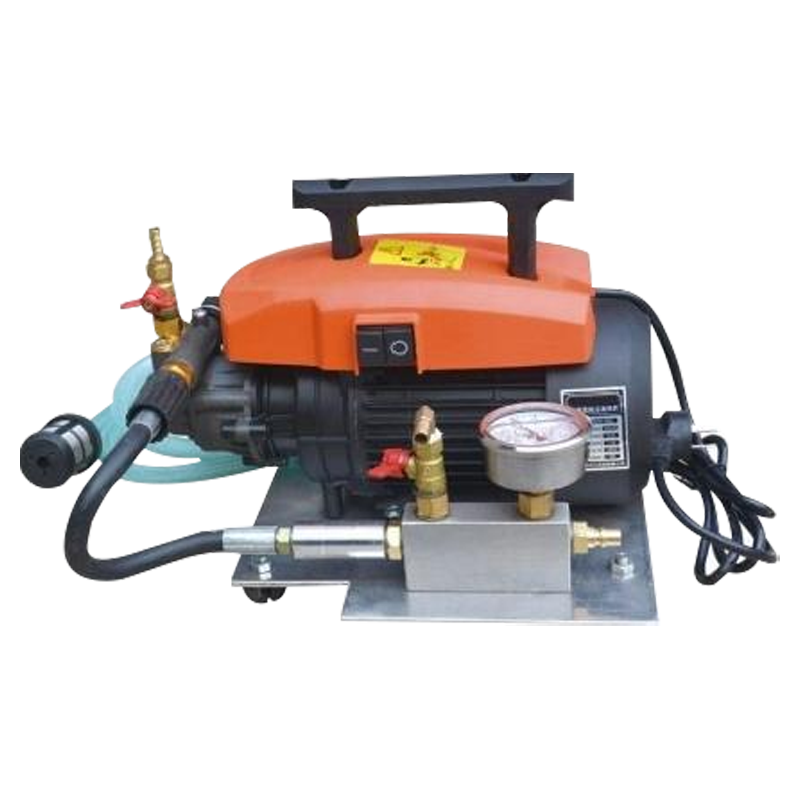 What is the Conveyor Belt Vulcanizing Machines?
What is a Conveyor Belt Vulcanizing Machine and How Does It Work?
What is the Conveyor Belt Vulcanizing Machines?
What is a Conveyor Belt Vulcanizing Machine and How Does It Work?
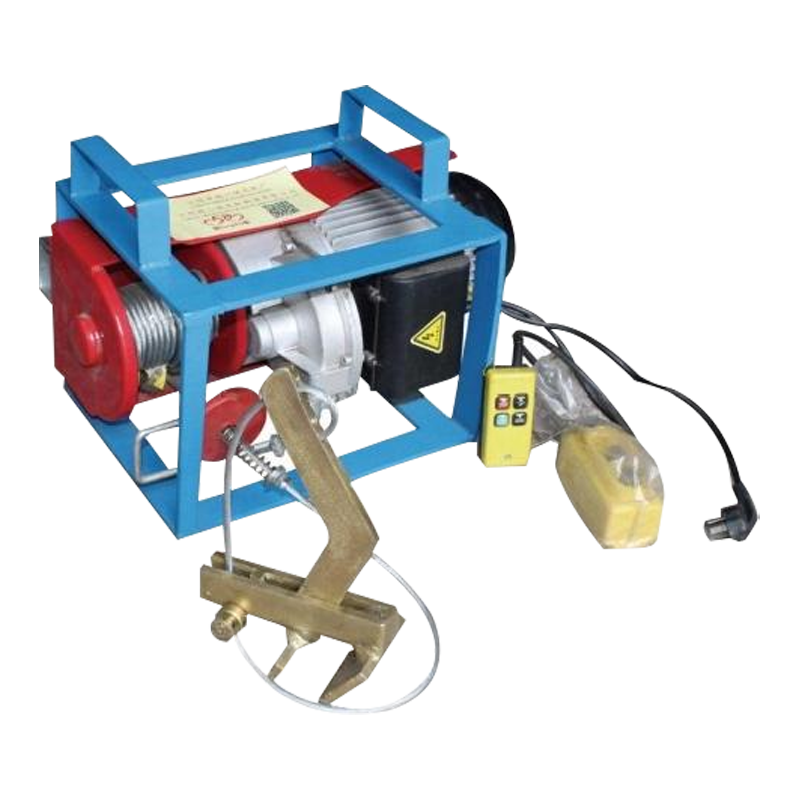 Conveyor Belt Repair Machines: How to Choose, Maintain, and Benefit from Them
 +86-18915223007
  +86-0510-86336668
  [email protected]
  No.21, Hetang Central Street, Jiangyin City, Jiangsu Province
 Copyright © Jiangyin Tongxin Vulcanizing Machine Manufacturer Co., Ltd. All Rights Reserved.
OEM/ODM Belt Vulcanizer Accessories Manufacturers




 Eng
Eng  русский
 Home
Home