When it comes to surface pressure uniformity, a Belt Vulcanizing Machine performs noticeably less consistently on chevron and rough-top belts than on flat belts. The raised profiles of chevron and rough-top surfaces create uneven contact between the heating platens and the belt surface, leading to localized pressure voids that can compromise cure quality. In contrast, flat belts allow full, uniform platen contact, making pressure distribution predictable and controllable. Understanding this difference is critical for engineers and maintenance teams who rely on a Conveyor Belt Vulcanizing Machine to deliver reliable splices across varied belt types.
The core function of any Vulcanizing Machine is to apply controlled heat and pressure uniformly across the splice area to achieve a full cure. With flat belts, the platen surface and belt surface are parallel and uninterrupted, allowing pressure to distribute evenly — typically within a tolerance of ±0.05 MPa across the splice zone on well-maintained equipment.
Chevron belts, by design, feature V-shaped raised ribs that protrude 8mm to 32mm above the belt's base surface depending on the profile grade (low, medium, or high). Rough-top belts have irregular textured surfaces with height variations typically ranging from 3mm to 10mm. Both profiles interrupt full platen contact, creating high-pressure points at the peaks of the profile and near-zero pressure in the valleys. This pressure differential can exceed 0.2 MPa locally, which is four times the acceptable tolerance for a quality splice.
Flat conveyor belts represent the most straightforward application for a Belt Vulcanizing Machine. The smooth surface allows the upper and lower platens to clamp with full face contact, enabling:
For standard EP (polyester-nylon) flat belts, a Conveyor Belt Vulcanizing Machine operating at 145°C–155°C and 1.0–1.2 MPa for 30–45 minutes will typically produce a joint indistinguishable in strength from the original belt body.
Chevron belts are widely used in inclined conveyor applications — typically at angles between 15° and 40° — to prevent material rollback. Their raised ribs make vulcanization significantly more complex. When a standard flat platen Belt Vulcanizing Machine is applied directly to a chevron belt splice, the ribs bear the majority of the clamping load while the base rubber between ribs remains under-pressurized.
The industry-standard fix is to use a profile-matched mold insert or a flexible pressure pad (typically silicone rubber, shore hardness 40–60A) between the platen and the belt surface. This compensates for the height variation of the ribs and redistributes pressure into the valleys. With this approach, pressure uniformity on chevron belts can be restored to within ±0.08 MPa — close to the flat belt baseline.
Rough-top belts are commonly used in package handling, food processing, and incline transport where grip is critical. Their textured top cover introduces a different set of challenges for a Vulcanizing Machine compared to chevron belts. While the height variation is lower, the irregular pattern creates unpredictable micro-pressure distribution across the splice.
Heat transfer is also affected: the air pockets trapped between the rough surface and the platen act as insulators, creating temperature hot spots and cold spots across the splice. Field measurements have shown temperature variations of up to ±12°C on rough-top belt splices using standard flat platens — more than double the acceptable range.
Operators often compensate by extending cure time by 10–20% or slightly increasing platen temperature, but without pressure compensation, surface cure quality remains inconsistent. A flexible silicone pressure blanket used in conjunction with the Conveyor Belt Vulcanizing Machine is again the preferred solution in professional field practice.
| Belt Type | Pressure Uniformity | Temp. Deviation (Flat Platen) | Typical Splice Efficiency | Special Tooling Required |
|---|---|---|---|---|
| Flat Belt | ±0.05 MPa | ±5°C | 90–100% | No |
| Chevron Belt | ±0.2 MPa (uncompensated) | ±10°C | 60–75% (without mold insert) | Yes — profile mold or silicone pad |
| Rough-Top Belt | Irregular (micro-variation) | ±12°C | 70–85% (without pressure blanket) | Yes — flexible pressure blanket |
Based on belt surface type, operators and procurement teams should consider the following when selecting or configuring a Belt Vulcanizing Machine:
A Belt Vulcanizing Machine is fully capable of producing high-quality splices on chevron and rough-top belts, but only when the right compensating tooling and process adjustments are in place. Without profile-matched mold inserts or flexible pressure blankets, surface pressure uniformity degrades significantly, leading to undercured splice zones and reduced joint service life. Flat belts remain the easiest and most reliable application for any Vulcanizing Machine, while profiled belts demand additional preparation, tooling investment, and process discipline. For operations running mixed belt inventories, a Conveyor Belt Vulcanizing Machine with adaptive pressure control and compatible accessory sets is the most cost-effective long-term solution.
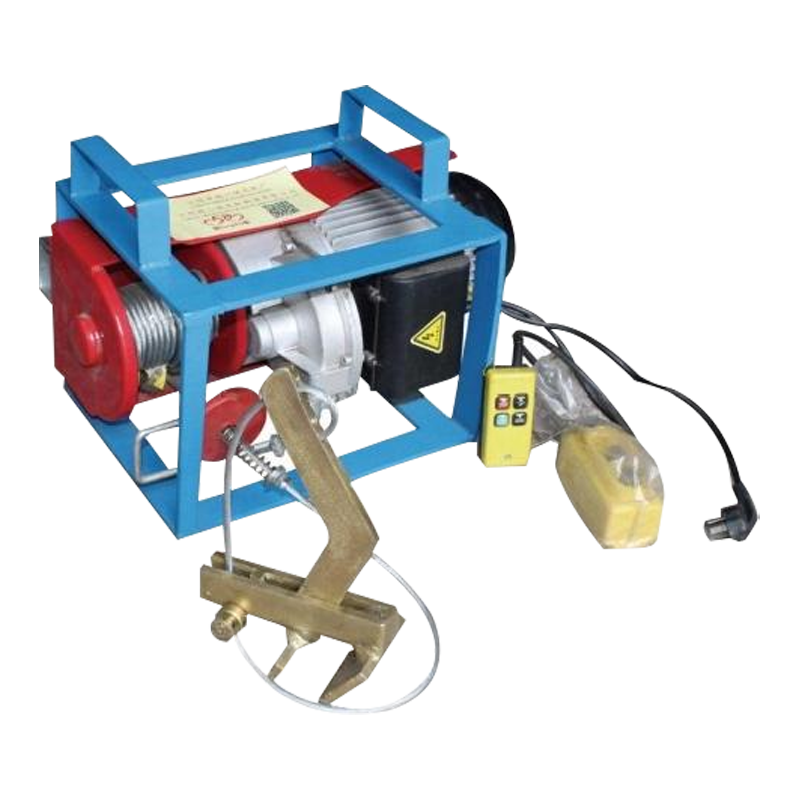 PBJ-4 Ordinary Conveyor Belt Peeling Machine
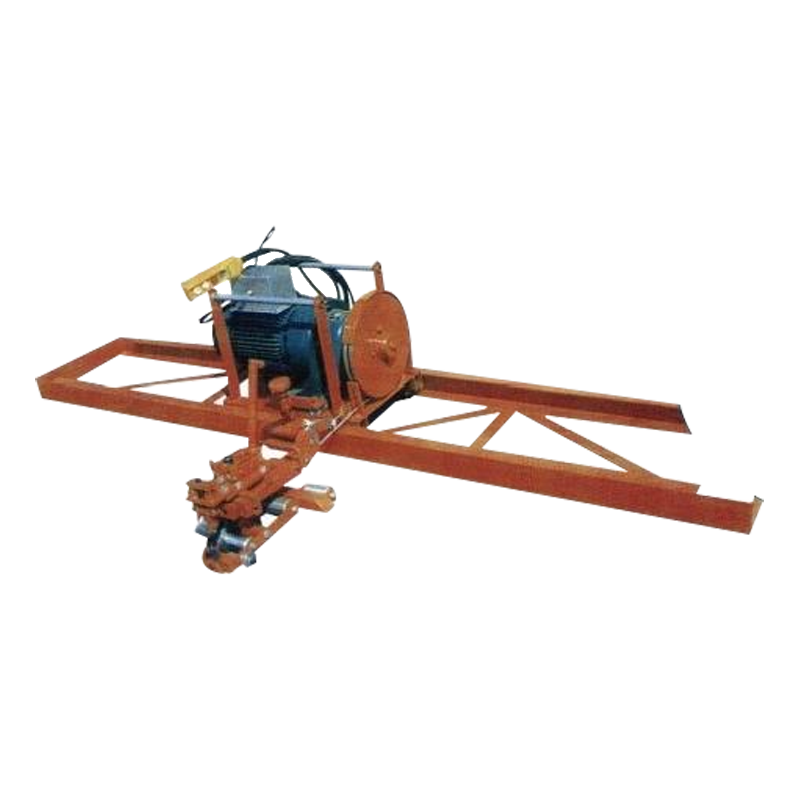 PBJ-2 Steel Wire Rope Conveyor Belt Peeling Machine
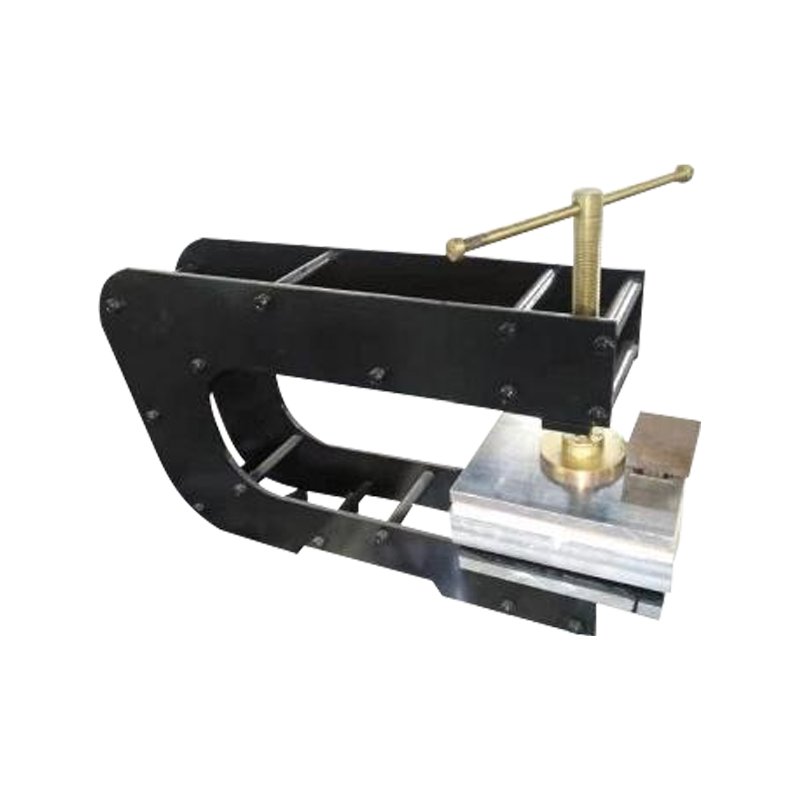 XBG-1 Conveyor Belt Point Patcher
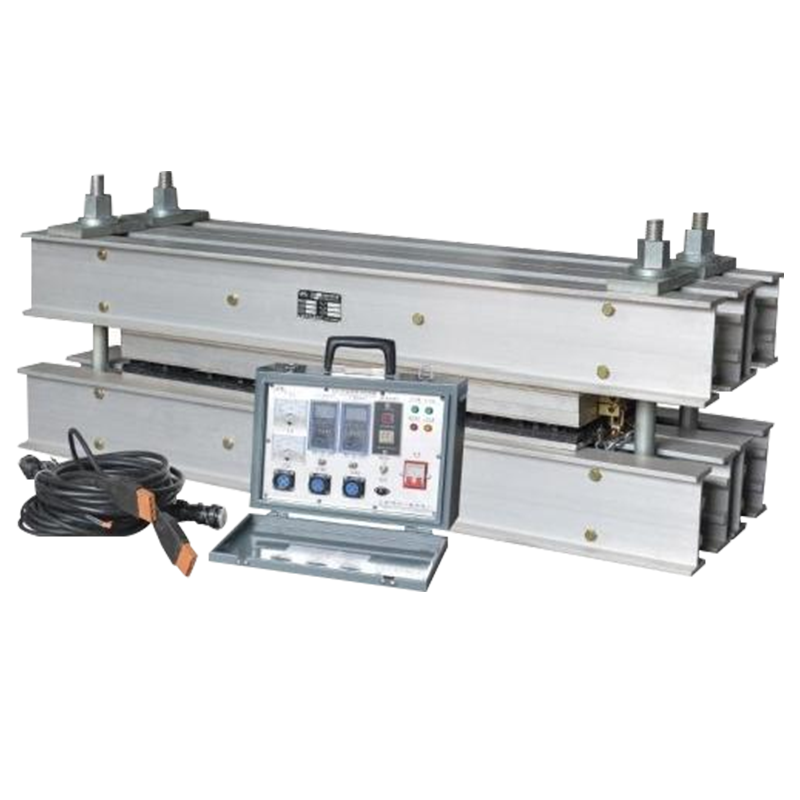 XBG-3 Conveyor Belt Line Patcher
 Conveyor Belt Repair: Ensuring Optimal Performance and Longevity
 What is the Conveyor Belt Vulcanizing Machines?
 What is a Conveyor Belt Vulcanizing Machine and How Does It Work?
Conveyor Belt Repair Machines: How to Choose, Maintain, and Benefit from Them
What is a Conveyor Belt Vulcanizing Machine and How Does It Work?
Conveyor Belt Repair Machines: How to Choose, Maintain, and Benefit from Them
 +86-18915223007
  +86-0510-86336668
  [email protected]
  No.21, Hetang Central Street, Jiangyin City, Jiangsu Province
 Copyright © Jiangyin Tongxin Vulcanizing Machine Manufacturer Co., Ltd. All Rights Reserved.
OEM/ODM Belt Vulcanizer Accessories Manufacturers




 Eng
Eng  русский
 Home
Home