The Conveyor Belt Vulcanizing Machine performs differently on steel cord belts versus fabric-ply belts in nearly every key parameter — including cure temperature, applied pressure, cycle time, platen configuration, and achievable splice strength. Steel cord belts demand more aggressive heat and pressure settings, longer cure cycles, and specialized platen designs, while fabric-ply belts are more forgiving and faster to process. Understanding these differences is essential for operators who need to configure their machine correctly, avoid splice failures, and maximize belt service life across both construction types.
Before examining machine performance, it helps to understand why steel cord and fabric-ply belts behave so differently under vulcanization. Steel cord belts use high-tensile steel cables — typically with individual wire diameters of 0.2 mm to 0.4 mm and cord diameters of 5 mm to 12 mm — embedded in rubber at regular intervals across the belt width. These cords act as the primary tensile element and require deep rubber penetration and strong adhesion at the cord-rubber interface to achieve a durable splice.
Fabric-ply belts, by contrast, use layers of woven textile — most commonly EP (polyester warp / nylon weft) or NN (nylon-nylon) fabric — bonded together with rubber compounds. The tensile strength is distributed across the entire ply cross-section rather than concentrated in discrete cords, and the rubber-to-fabric bonding chemistry responds more readily to moderate heat and pressure. As a result, the Conveyor Belt Vulcanizing Machine must apply fundamentally different processing parameters to each belt type.
Temperature is the most critical variable a Conveyor Belt Vulcanizing Machine must manage differently between steel cord and fabric-ply belts.
Steel cord belts typically require a cure temperature of 145°C to 155°C at the platen surface. However, because the steel cords act as thermal conductors that draw heat away from the splice center, the machine must compensate with higher platen set points and longer dwell times to ensure that the rubber compound at the cord-rubber interface reaches full vulcanization temperature throughout the splice depth. In belts with cord diameters above 10 mm, achieving uniform temperature at the splice core can require platen temperatures up to 158°C–162°C.
EP fabric-ply belts are typically cured at 140°C to 150°C, with NN belts often processed at the lower end of this range — around 140°C to 145°C — due to nylon's higher sensitivity to thermal degradation. Because textile fabrics are poor thermal conductors compared to steel, heat distributes more evenly across the splice, and temperature uniformity across the platen surface becomes a primary concern. A temperature variance of more than ±3°C across the platen width can result in uneven cure and weak zones in the splice.
The Conveyor Belt Vulcanizing Machine must apply different clamping pressures depending on whether the belt contains steel cords or fabric plies.
Some advanced Conveyor Belt Vulcanizing Machines incorporate hydraulic pressure control systems with digital readouts that allow the operator to set and lock pressure independently for each belt type, reducing the risk of operator error when switching between steel cord and fabric-ply jobs.
Cycle time is a major practical difference between the two belt types when using a Conveyor Belt Vulcanizing Machine. The table below provides representative cure cycle data based on standard industrial practice:
| Belt Type | Belt Thickness | Cure Temp (°C) | Pressure (MPa) | Cure Time (min) |
|---|---|---|---|---|
| EP Fabric-Ply (3-ply) | 10 – 16 mm | 143 – 150 | 1.0 – 1.2 | 25 – 35 |
| EP Fabric-Ply (5-ply) | 18 – 28 mm | 145 – 152 | 1.0 – 1.2 | 35 – 50 |
| NN Fabric-Ply (4-ply) | 14 – 22 mm | 140 – 145 | 1.0 – 1.1 | 30 – 45 |
| Steel Cord (ST1000) | 18 – 24 mm | 148 – 155 | 1.2 – 1.4 | 45 – 65 |
| Steel Cord (ST2000) | 24 – 34 mm | 150 – 158 | 1.3 – 1.5 | 60 – 90 |
| Steel Cord (ST3150+) | 34 – 50 mm | 152 – 162 | 1.4 – 1.5 | 80 – 120 |
As shown, steel cord belts at ST2000 rating or above can take two to three times longer to cure than a standard 3-ply EP fabric belt of similar width, directly impacting conveyor downtime and maintenance scheduling.
The Conveyor Belt Vulcanizing Machine must also accommodate significantly different splice lengths between the two belt types, which directly affects the number of heating stages required and total machine setup time.
This multi-stage pressing requirement for steel cord belts means that the Conveyor Belt Vulcanizing Machine must maintain consistent thermal output across repeated cycles without platen temperature drift — a demanding requirement for machine heating element reliability and PLC control accuracy.
When a Conveyor Belt Vulcanizing Machine is properly configured and operated, both belt types can achieve high splice efficiency — but the absolute tensile values and percentage ratings differ significantly:
Operators using a single Conveyor Belt Vulcanizing Machine for both steel cord and fabric-ply belts should follow a systematic reconfiguration process when switching between belt types to prevent splice defects:
When evaluating how a Conveyor Belt Vulcanizing Machine performs across these two belt types, the differences are substantial across every operational dimension. Steel cord belts demand more from the machine in terms of heat output, pressure capacity, cycle endurance, and multi-stage pressing capability. Fabric-ply belts are faster, lower-pressure jobs that place higher demands on platen temperature uniformity and surface contact quality. A well-specified machine with programmable cure profiles, interchangeable platens, and independent pressure control can handle both types effectively — but only when operators understand and apply the correct parameters for each. Misapplying fabric-ply settings to a steel cord belt is one of the most common causes of premature splice failure in field maintenance environments, underscoring the importance of proper machine configuration and operator training.
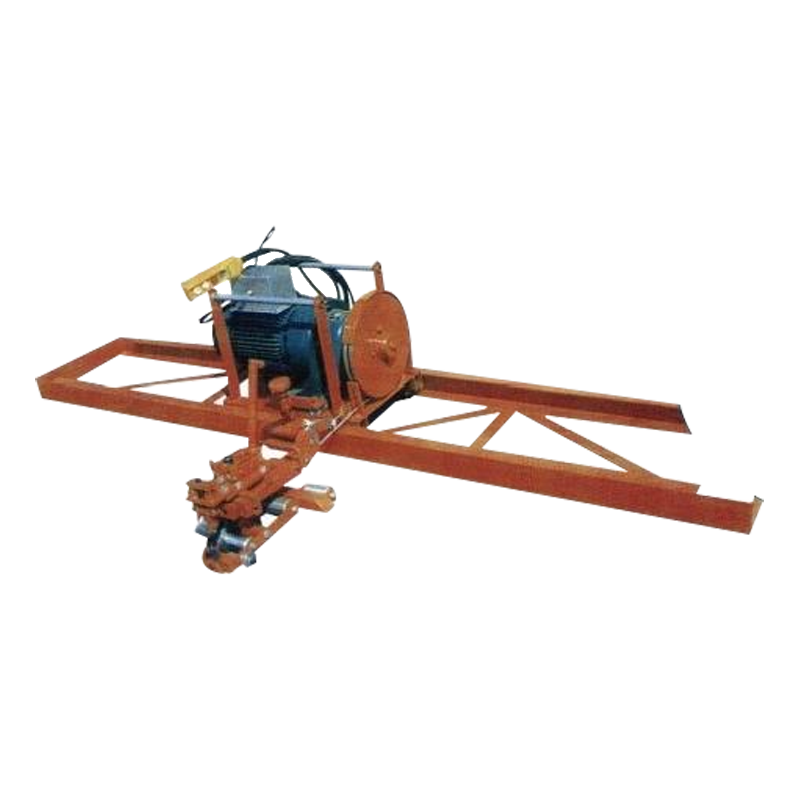 PBJ-2 Steel Wire Rope Conveyor Belt Peeling Machine
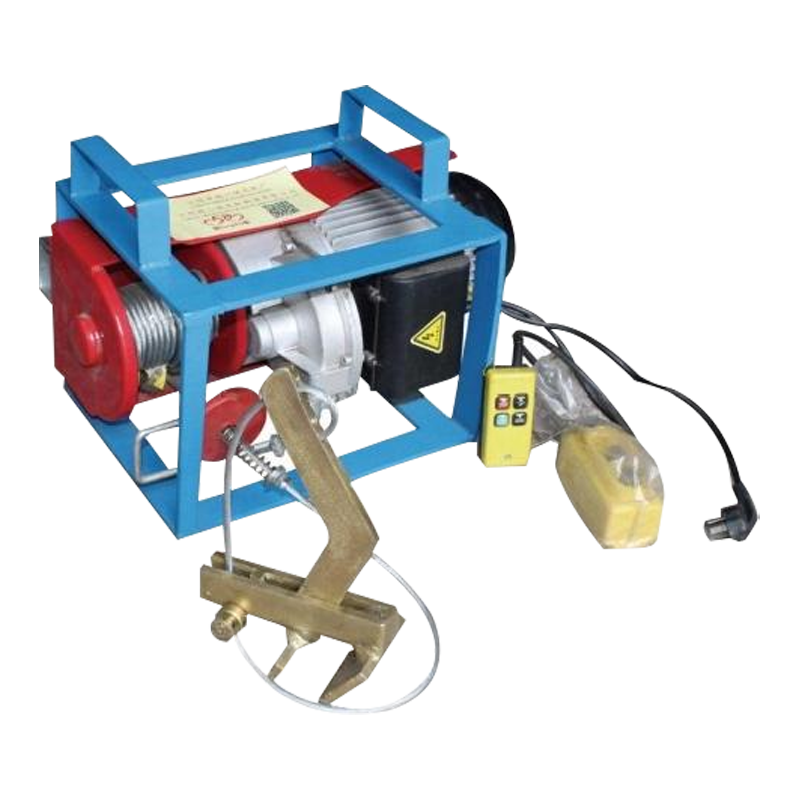 PBJ-4 Ordinary Conveyor Belt Peeling Machine
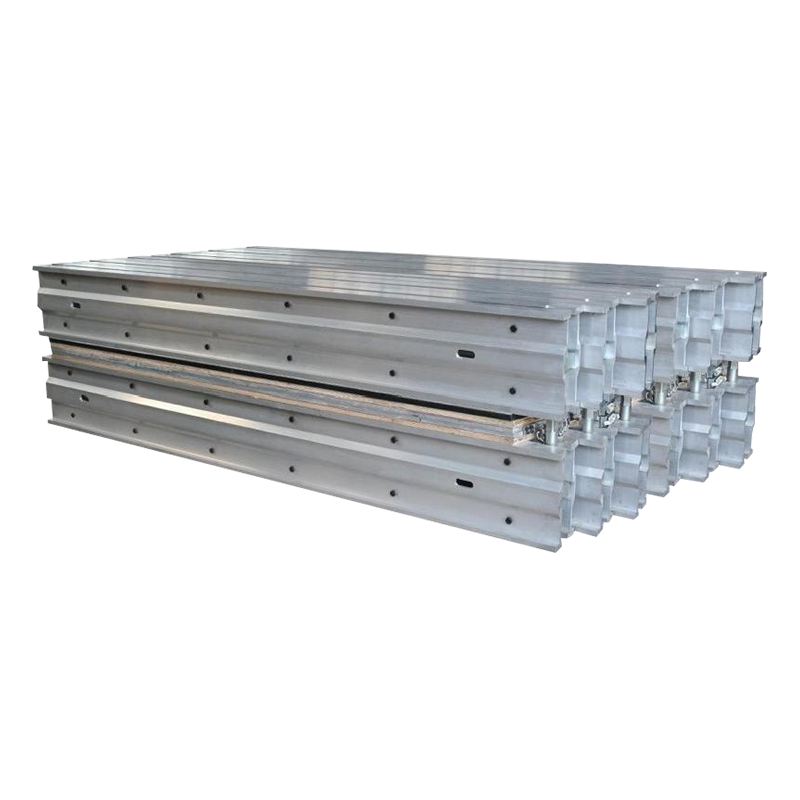 TXCK Electric Blanket Type Water-Cooled Vulcanizing Machine
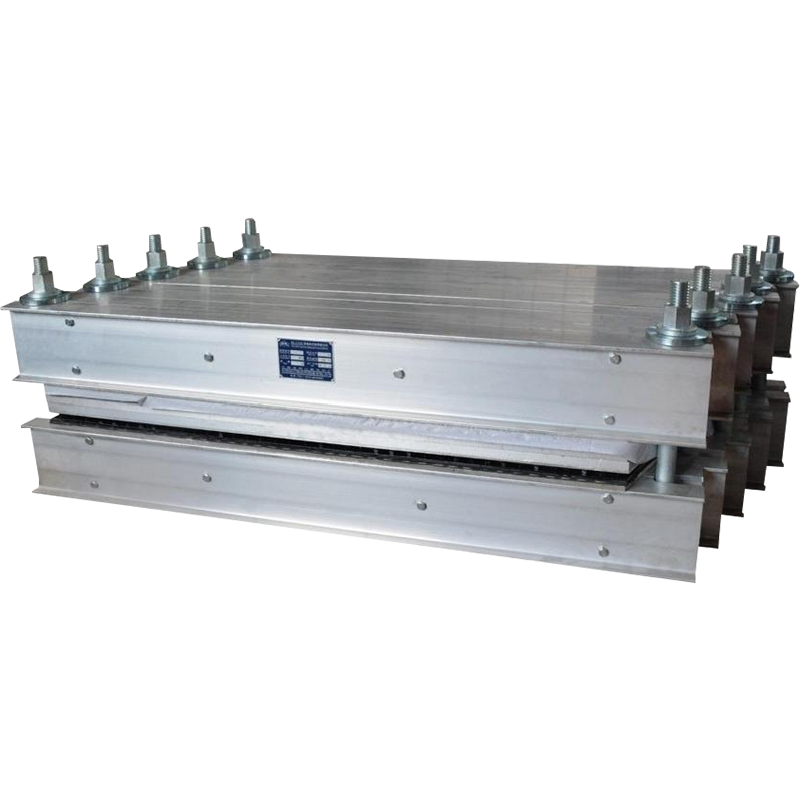 DJSL/DGLJL Water-Cooled Light Vulcanizing Machine
 Conveyor Belt Repair: Ensuring Optimal Performance and Longevity
 What is the Conveyor Belt Vulcanizing Machines?
 What is a Conveyor Belt Vulcanizing Machine and How Does It Work?
Conveyor Belt Repair Machines: How to Choose, Maintain, and Benefit from Them
What is a Conveyor Belt Vulcanizing Machine and How Does It Work?
Conveyor Belt Repair Machines: How to Choose, Maintain, and Benefit from Them
 +86-18915223007
  +86-0510-86336668
  [email protected]
  No.21, Hetang Central Street, Jiangyin City, Jiangsu Province
 Copyright © Jiangyin Tongxin Vulcanizing Machine Manufacturer Co., Ltd. All Rights Reserved.
OEM/ODM Belt Vulcanizer Accessories Manufacturers




 Eng
Eng  русский
 Home
Home