The Conveyor Belt Point Patcher ensures uniform pressure and heat distribution through a combination of precision-engineered heating platens, integrated pressure control systems, and purpose-built clamping mechanisms — delivering significantly more consistent results than traditional clamp-style repair tools, which rely on manual tension and offer no active heat regulation. In practical terms, this difference translates directly into patch bond strength, repair durability, and downtime reduction on the conveyor line.
When repairing a damaged section of a conveyor belt, the quality of the bond between the patch and the base belt depends on two variables above all others: temperature consistency and pressure evenness. If either fluctuates across the patch area, the rubber compound does not vulcanize uniformly, leaving weak zones that fail prematurely under load.
Clamp-style repair tools apply mechanical pressure through bolts or lever arms positioned at the edges of the repair zone. This creates a well-documented pressure gradient: edge pressure can be 2–3 times higher than center pressure, especially on patches wider than 150 mm. The center of the patch receives insufficient bonding force, while the edges risk over-compression and rubber extrusion.
The Conveyor Belt Point Patcher addresses this through distributed platen contact and electronically regulated heating elements that maintain target temperatures within ±3°C across the entire patch surface — a standard that clamp-style tools simply cannot match without external heating equipment.
The heating system inside a Conveyor Belt Point Patcher typically consists of resistive heating elements embedded within upper and lower platens that sandwich the belt repair zone from both sides simultaneously. This dual-sided approach eliminates the thermal gradient that occurs when heat is applied from only one direction — a common limitation of external heat lamps or handheld heating tools used alongside clamp frames.
By contrast, clamp-style tools require the operator to use a separate heat source — often a propane torch or heat gun — which introduces significant operator-dependent variation. Studies on field repair quality show that manually applied heat results in temperature variation of up to ±25°C across a 200 mm patch, compared to ±3°C for integrated platen-based systems.
Pressure uniformity is equally critical. The Conveyor Belt Point Patcher uses a hydraulic or mechanical screw press system integrated directly into the platen frame, distributing force evenly across the full contact surface. This ensures that every square centimeter of the patch receives the same bonding pressure during vulcanization.
| Feature | Conveyor Belt Point Patcher | Clamp-Style Repair Tool |
|---|---|---|
| Pressure Distribution | Uniform across full platen surface | Concentrated at clamp edges |
| Heat Source | Integrated dual-sided platens | External (torch or heat gun) |
| Temperature Control | Digital, ±3°C accuracy | Manual, ±25°C variation |
| Operator Skill Required | Low to moderate | High |
| Repair Bond Consistency | High (repeatable results) | Variable (operator-dependent) |
| Suitable for In-Situ Repair | Yes | Yes (limited) |
Clamp-style tools generate point loads at the bolt or lever positions. For a standard four-bolt clamp frame, pressure peaks occur at the four corners, with the center receiving as little as 40–60% of the edge pressure. This is a structural disadvantage that cannot be overcome by simply tightening the clamps further, as doing so risks damaging the belt carcass.
Achieving full benefit from the Conveyor Belt Point Patcher also depends on proper surface preparation before patching. A Belt Stripper is an essential companion tool in this process. It is used to remove the damaged cover rubber cleanly from the belt surface, exposing the carcass or inner ply layer without fraying or tearing the surrounding material.
When a Belt Stripper is used correctly prior to applying the patch, the repair surface is flat, clean, and free of residual degraded rubber — all conditions that allow the Conveyor Belt Point Patcher's platens to make full, unobstructed contact. An uneven or contaminated patch surface, by contrast, introduces air pockets and contact voids that undermine the heat and pressure transfer, regardless of how precise the patcher's controls are.
In field repair workflows, the recommended sequence is: Belt Stripper for surface preparation → patch compound application → Conveyor Belt Point Patcher for vulcanization. This three-step process consistently outperforms ad-hoc clamp repairs in both bond strength testing and service life outcomes.
The durability difference between repairs made with a Conveyor Belt Point Patcher and those made with clamp-style tools is measurable. Field data from heavy-duty mining and aggregate conveyor applications indicates the following:
These figures reflect the compounding advantage of controlled vulcanization: the rubber cross-links properly, the patch integrates with the belt compound chemically rather than just adhesively, and the repair behaves as a structural part of the belt rather than a surface overlay.
Beyond the technical performance gap, there are practical operational factors to consider when choosing between the Conveyor Belt Point Patcher and clamp-style alternatives.
The Conveyor Belt Point Patcher is designed for in-situ use without removing the belt from the conveyor frame. Most units are compact enough to be carried to the repair site by one or two operators. Setup time from arrival at the repair zone to the start of the vulcanization cycle is typically 15–30 minutes, including surface preparation with a Belt Stripper and patch compound placement.
Most Conveyor Belt Point Patcher units operate on standard single-phase or three-phase power, with generator-compatible models available for remote or underground installations. Power consumption during the heating cycle ranges from 1.5 kW to 4.5 kW depending on platen size and target temperature, which is manageable with a standard portable generator.
One of the underappreciated advantages of the Conveyor Belt Point Patcher over clamp-style tools is the reduced dependence on operator skill. Because temperature and pressure are controlled by the machine rather than the technician, a trained operator can achieve consistent results after relatively brief instruction. Clamp-style repairs, particularly those involving hand-applied heat sources, require experienced operators to judge heat application time and coverage — a skill that takes considerably longer to develop reliably.
It is worth acknowledging that clamp-style repair tools are not without merit in specific scenarios. For emergency temporary repairs where no power source is available, or for very minor surface damage on low-tension belts, a clamp-style cold bond repair can restore minimal operational capacity quickly. However, these repairs should be treated as temporary measures pending a full vulcanized repair using the Conveyor Belt Point Patcher at the earliest opportunity.
In environments where conveyor belts operate under high tension, elevated temperatures, or abrasive material loads — such as mining, cement, or port operations — relying on clamp-style repairs as a primary maintenance strategy leads to increased repair frequency, higher cumulative material costs, and greater unplanned downtime compared to investing in proper vulcanizing equipment.
The Conveyor Belt Point Patcher delivers a clear, measurable engineering advantage over clamp-style repair tools through integrated heat control, full-surface pressure distribution, and repeatable vulcanization cycles. When paired with a Belt Stripper for proper surface preparation, it produces repairs that approach original belt strength, last significantly longer in service, and require less operator expertise to execute consistently.
For operations where conveyor uptime directly affects production output, the Conveyor Belt Point Patcher represents the technically and economically superior repair solution — not as a premium option, but as the practical standard for any maintenance team serious about belt longevity and repair reliability.
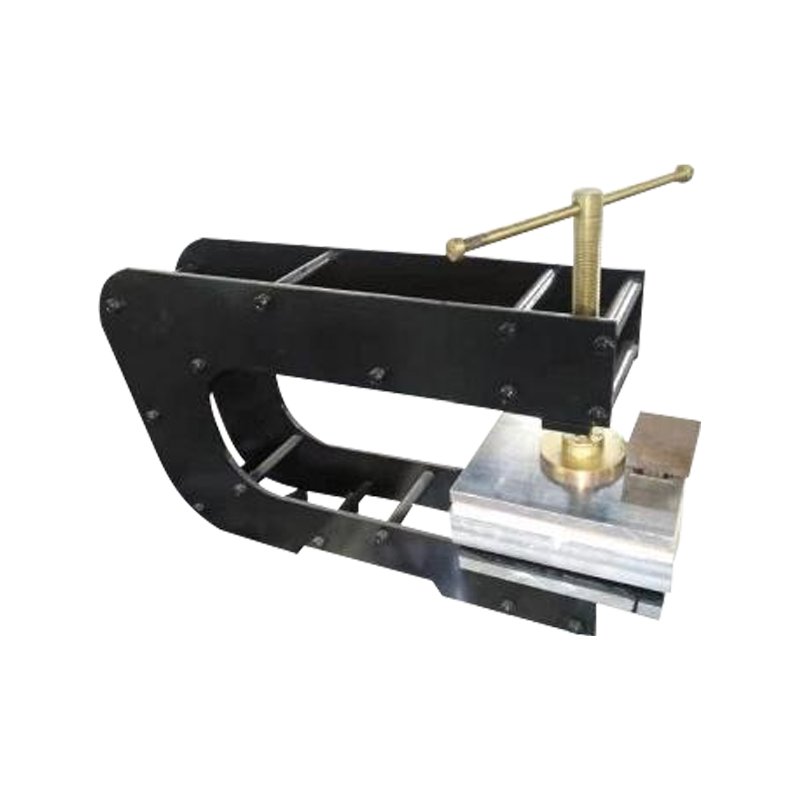 XBG-1 Conveyor Belt Point Patcher
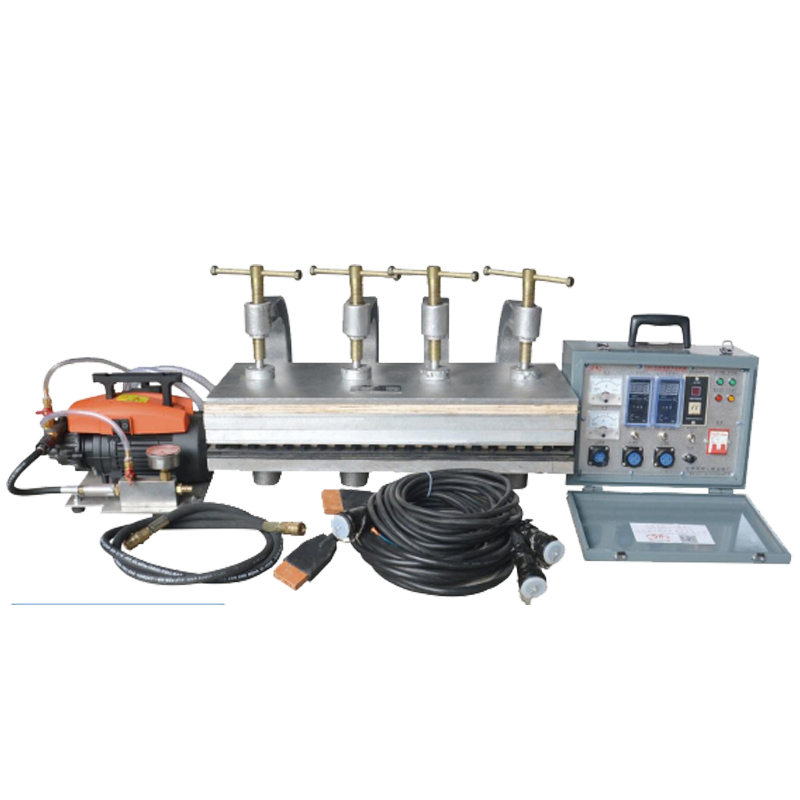 XBG-2 Conveyor Belt Edge Patcher
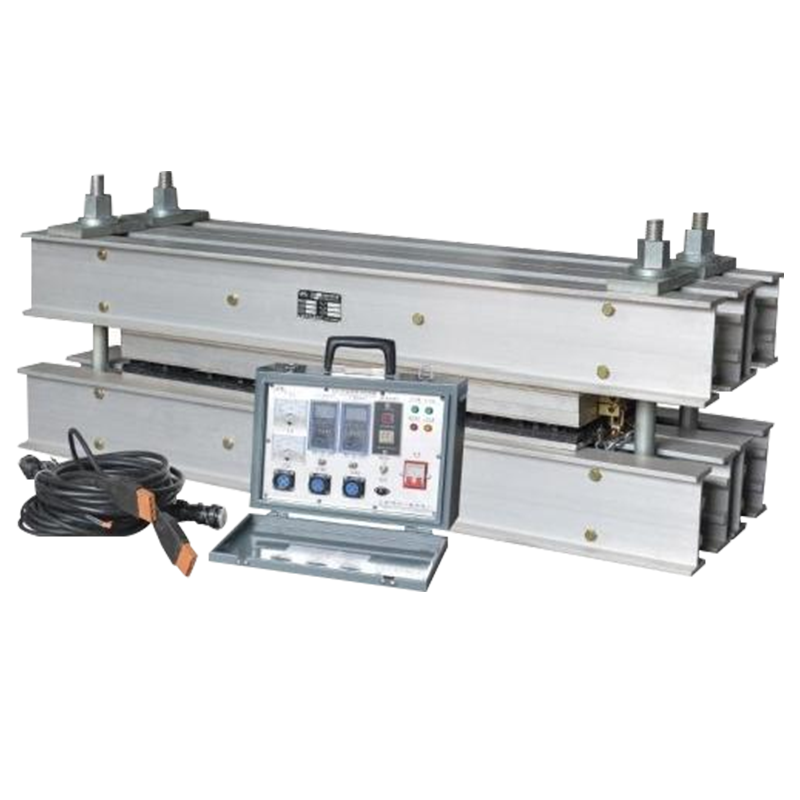 XBG-3 Conveyor Belt Line Patcher
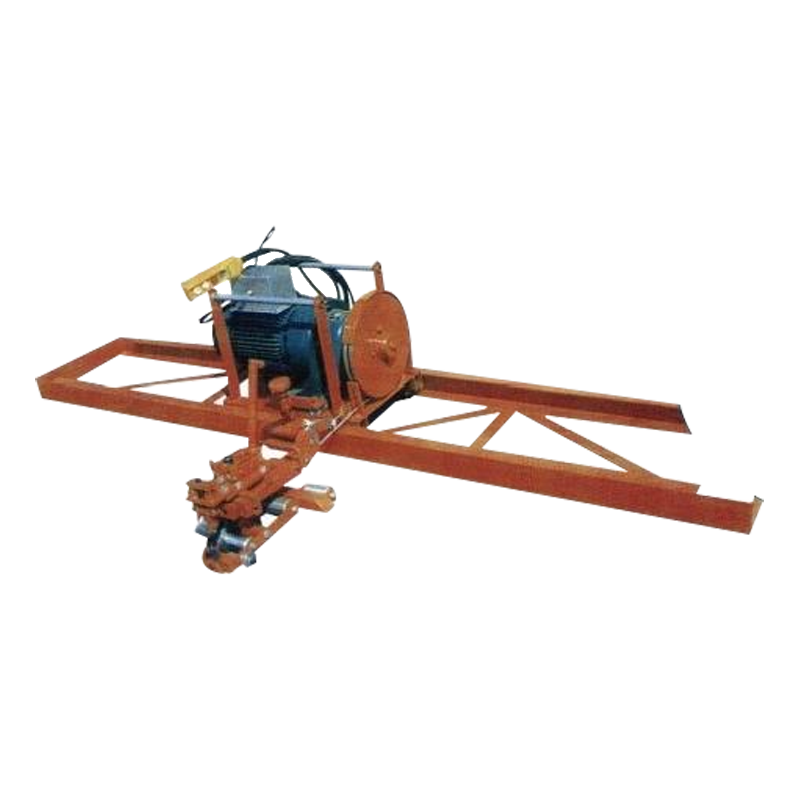 PBJ-2 Steel Wire Rope Conveyor Belt Peeling Machine
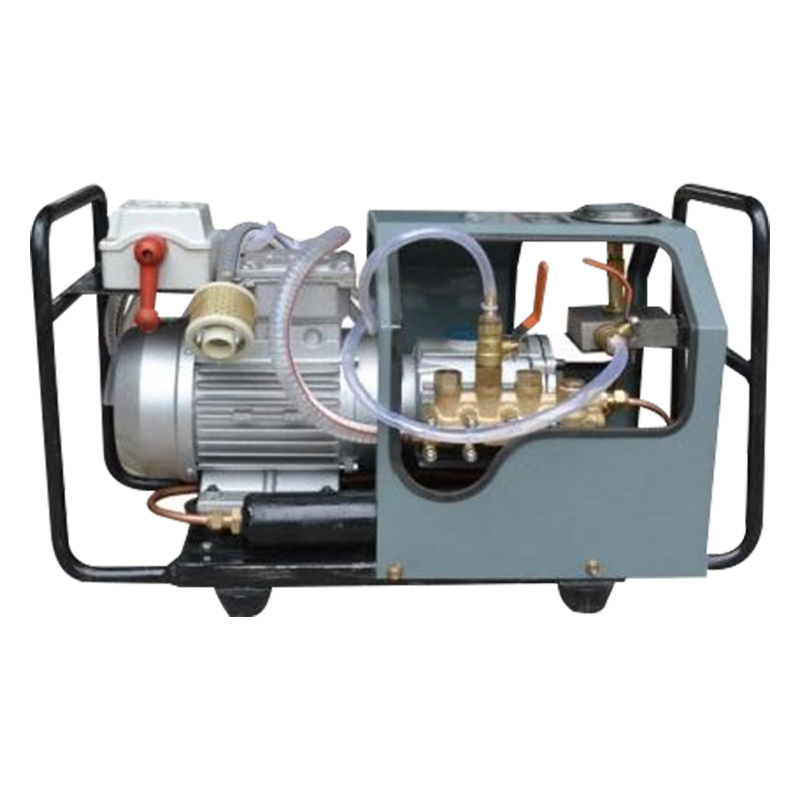 Conveyor Belt Repair: Ensuring Optimal Performance and Longevity
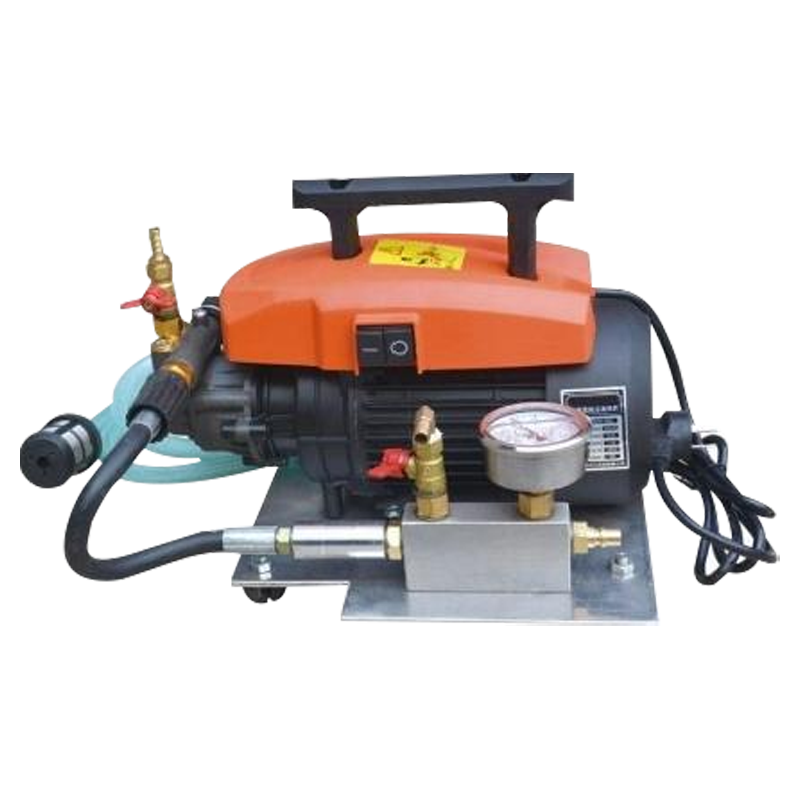 What is the Conveyor Belt Vulcanizing Machines?
What is a Conveyor Belt Vulcanizing Machine and How Does It Work?
What is the Conveyor Belt Vulcanizing Machines?
What is a Conveyor Belt Vulcanizing Machine and How Does It Work?
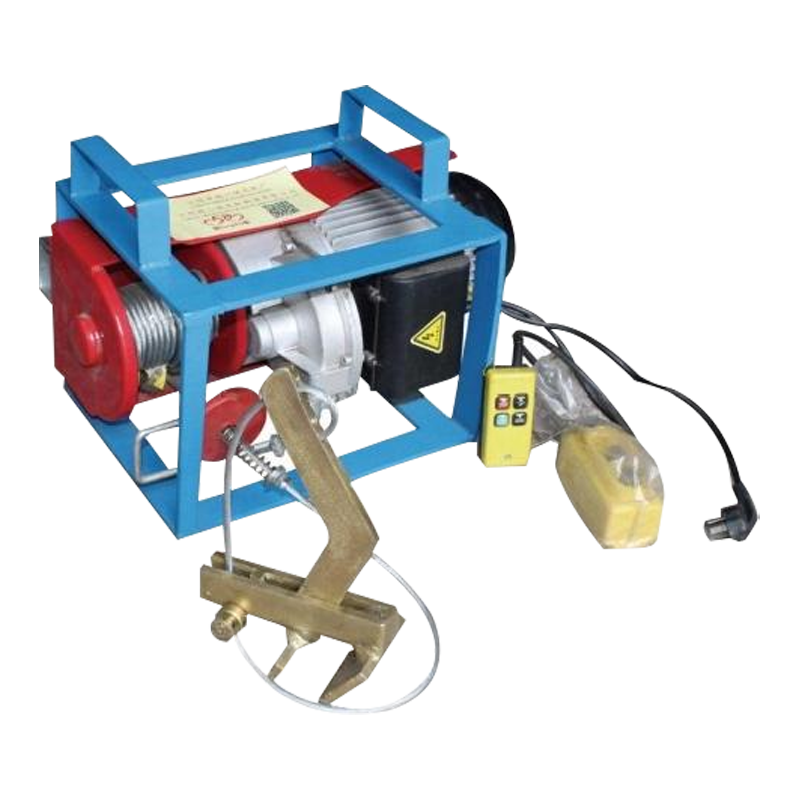 Conveyor Belt Repair Machines: How to Choose, Maintain, and Benefit from Them
 +86-18915223007
  +86-0510-86336668
  [email protected]
  No.21, Hetang Central Street, Jiangyin City, Jiangsu Province
 Copyright © Jiangyin Tongxin Vulcanizing Machine Manufacturer Co., Ltd. All Rights Reserved.
OEM/ODM Belt Vulcanizer Accessories Manufacturers




 Eng
Eng  русский
 Home
Home