The Belt Stripper is often equipped with adjustable tension control systems to handle belts under varying loads. These mechanisms allow for the precise adjustment of force applied to the belt during the stripping process. For belts under high tension, the stripper adjusts to exert higher clamping force on the belt, ensuring that the stripping blades engage smoothly without slipping. For belts with low tension, the force can be reduced to prevent over-compression or damage. This adjustment mechanism helps prevent over-stretching the belt or causing it to fray at the edges. The tension control system can be manually adjusted or automatically calibrated via sensors, ensuring the Belt Stripper is flexible enough to handle different material thicknesses, belt strengths, and load variations, maximizing the lifespan of both the stripper and the belt.
Advanced Belt Strippers often incorporate automated load detection technology that senses the varying tension or load on the belt in real time. This system adjusts the stripper's operation by monitoring resistance levels and providing dynamic responses, ensuring a consistent and efficient stripping process. As the system detects a high load or increased tension, it can automatically reduce the speed of the stripping operation to prevent strain on both the machine and the belt. If the load is low, the stripper may increase speed or apply less force to avoid unnecessary wear on the system. This automatic load compensation ensures that the stripper is operating within its optimal parameters, preventing overload situations that could lead to equipment failure and reducing the risk of belt damage. This feature is especially valuable in high-throughput environments where belt tension can fluctuate rapidly.
The blades and rollers of the Belt Stripper are critical components for ensuring that the machine performs effectively under high-load conditions. In applications where belts are subjected to high tension or heavy loads, specialized hard-wearing blades made from hardened steel, tungsten carbide, or ceramic composites are often used. These materials are chosen for their abrasion resistance and long-lasting performance under high stress. Furthermore, rollers may be equipped with self-aligning bearings or spring-loaded systems that help distribute forces evenly across the belt surface during stripping. This ensures that the stripping force is applied uniformly, reducing the risk of localized damage to the belt and ensuring consistent results, even when dealing with thicker, higher-tension belts. These components are designed to endure the heavy impact forces from high-load belts without becoming deformed or failing over time.
The significant feature of modern Belt Strippers is the ability to adjust both speed and pressure during the stripping process. For belts with varying tension or heavy loads, the stripper can slow down the stripping operation to apply more precise, controlled pressure, which prevents the belt from being damaged due to excessive force or rapid stripping speeds. The variable speed mechanism allows the operator to fine-tune the operation to match the specific characteristics of the belt. For instance, under high load, the stripper can run at slower speeds, applying controlled pressure to ensure the belt is removed without causing excessive wear. The pressure control system ensures that the force applied to the belt is consistent and precise, ensuring an optimal balance between effectiveness and safety.
The motor and drive systems within a Belt Stripper must be robust enough to handle the fluctuating loads and varying tensions of the belts. High-torque motors with variable torque capabilities are often used to ensure that the stripper can maintain high performance under demanding conditions. These drive systems are typically designed with overload protection to prevent damage from unexpected spikes in tension or heavy loads. Many Belt Strippers feature high-torque gearboxes or electronic variable speed drives that adjust motor output based on real-time resistance feedback from the belt. This ensures that the machine can strip belts without overburdening the motor, ensuring greater energy efficiency and extended operational lifespan. The motor’s ability to quickly adapt to load changes makes it ideal for both high and low tension belts, increasing the stripper’s versatility in different environments.
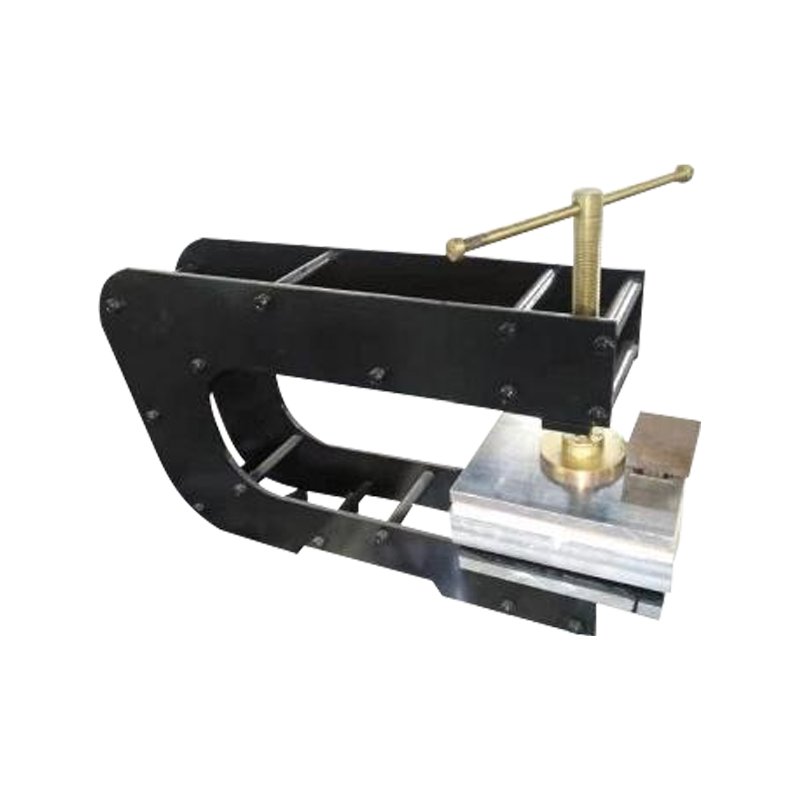 XBG-1 Conveyor Belt Point Patcher
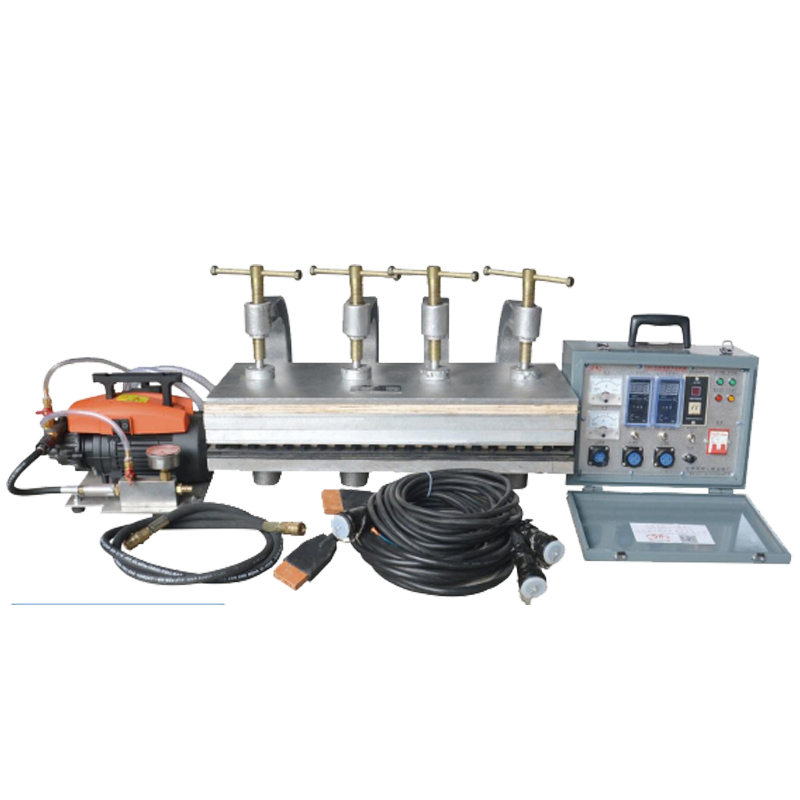 XBG-2 Conveyor Belt Edge Patcher
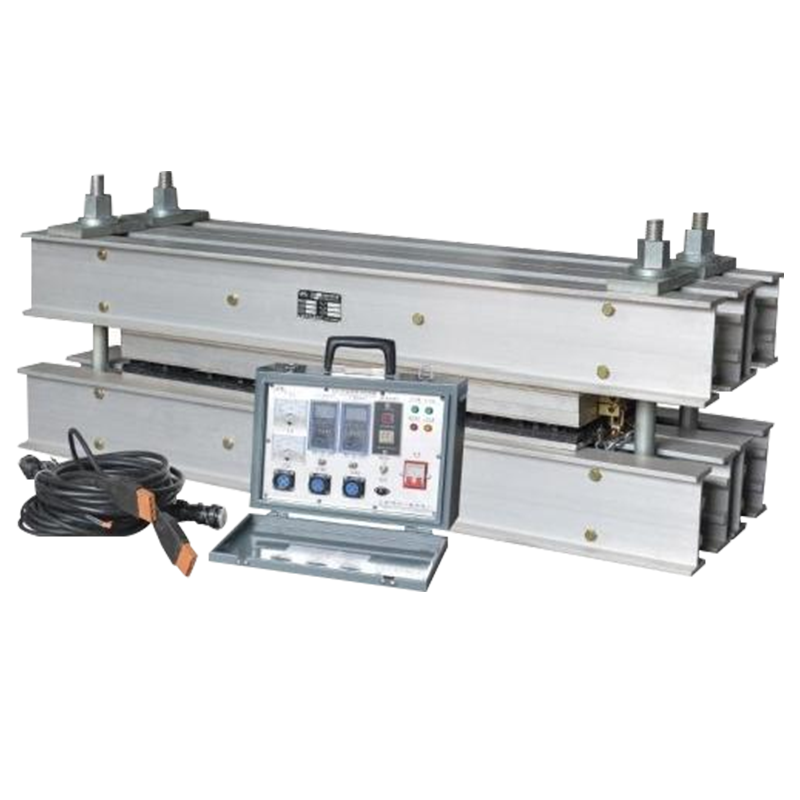 XBG-3 Conveyor Belt Line Patcher
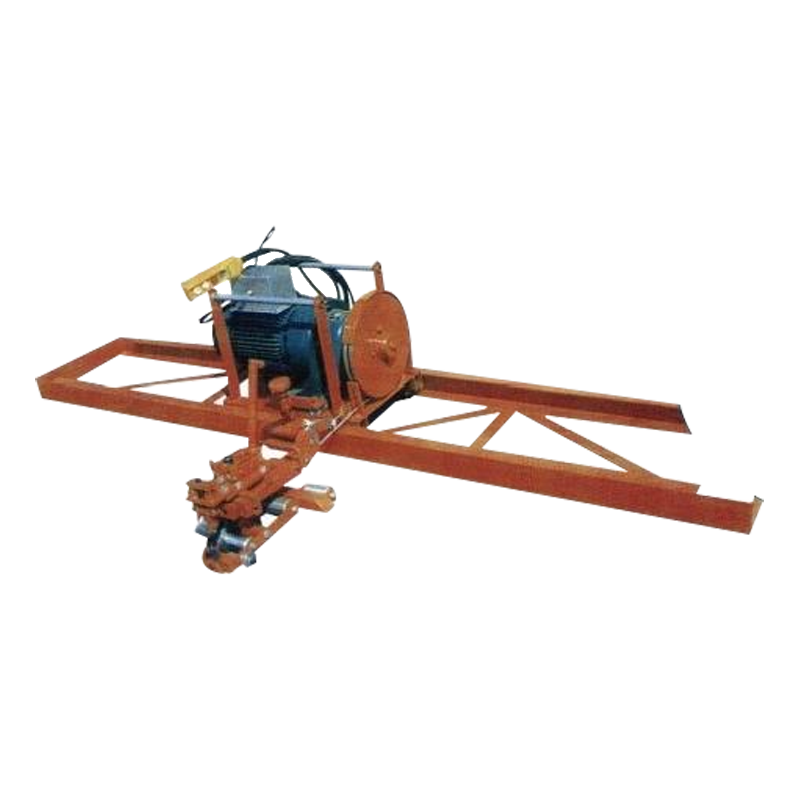 PBJ-2 Steel Wire Rope Conveyor Belt Peeling Machine
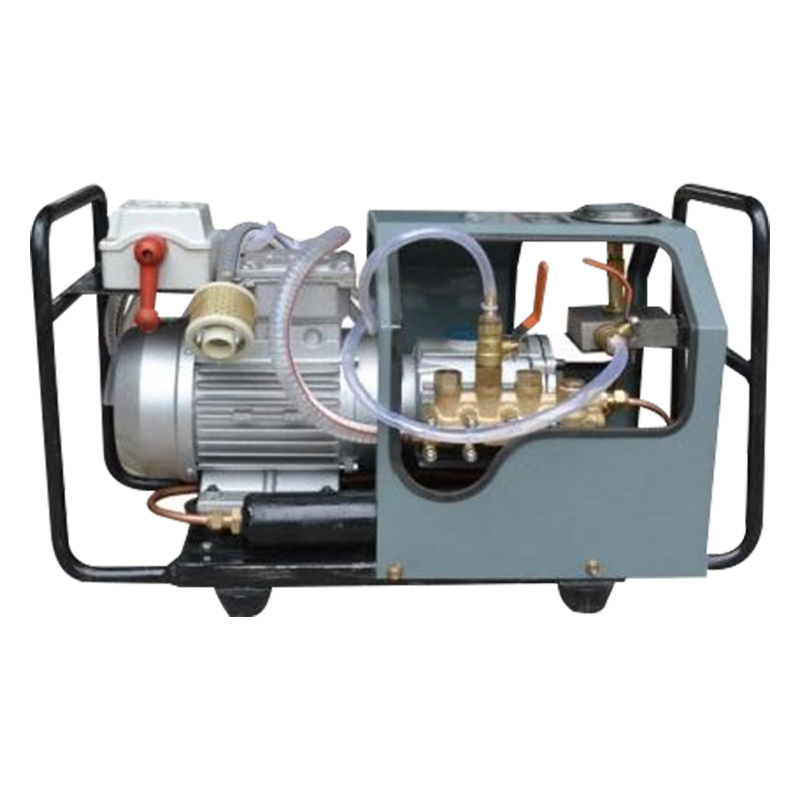 Conveyor Belt Repair: Ensuring Optimal Performance and Longevity
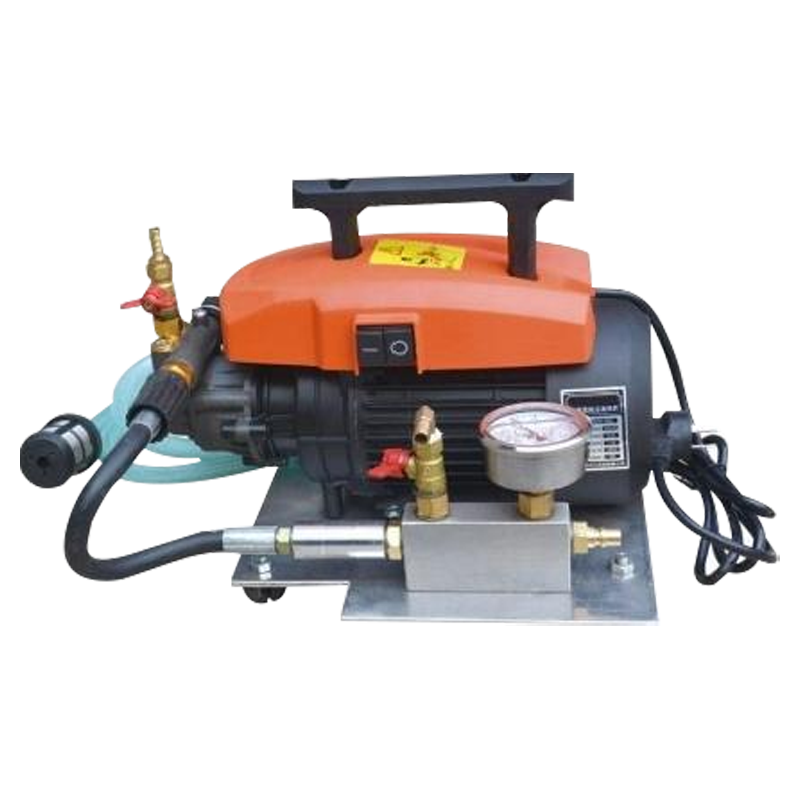 What is the Conveyor Belt Vulcanizing Machines?
What is a Conveyor Belt Vulcanizing Machine and How Does It Work?
What is the Conveyor Belt Vulcanizing Machines?
What is a Conveyor Belt Vulcanizing Machine and How Does It Work?
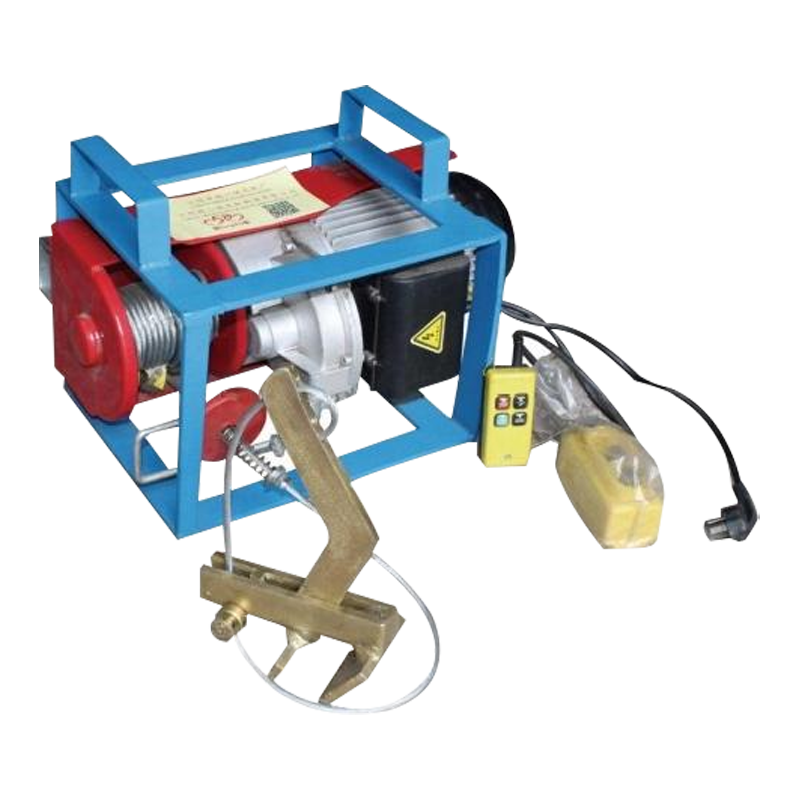 Conveyor Belt Repair Machines: How to Choose, Maintain, and Benefit from Them
 +86-18915223007
  +86-0510-86336668
  [email protected]
  No.21, Hetang Central Street, Jiangyin City, Jiangsu Province
 Copyright © Jiangyin Tongxin Vulcanizing Machine Manufacturer Co., Ltd. All Rights Reserved.
OEM/ODM Belt Vulcanizer Accessories Manufacturers




 Eng
Eng  русский
 Home
Home