The primary safety advantage of a modern insulated Belt Vulcanizing Machine is its ability to significantly reduce external surface temperatures, prevent accidental burns, and stabilize heat distribution during operation. Compared to older models without insulation systems, modern machines reduce operator exposure to dangerous heat zones by up to 40–60%, depending on usage conditions. This directly improves workplace safety, reduces downtime caused by accidents, and ensures more consistent vulcanization quality.
In addition to thermal protection, insulation systems also improve energy efficiency and reduce overheating risks in industrial environments. When paired with advanced controls, a modern insulated system provides a safer and more predictable operating environment than older exposed-plate designs.
Older Belt Vulcanizing Machines without insulation often expose operators to heating plates reaching 120°C–200°C on external surfaces. This creates a high risk of accidental contact burns during installation, alignment, or maintenance.
Modern insulated systems reduce surface heat loss by trapping thermal energy within layered insulation materials such as silicone pads, ceramic fiber layers, or composite thermal blankets. This reduces outer shell temperatures to safer ranges, often below 45°C–60°C under normal operating conditions.
The difference is particularly important in confined mining tunnels or industrial workshops where a portable conveyor belt vulcanizing machine is frequently used in close proximity to operators.
A major safety issue in older machines is uneven heat distribution. Without insulation, heat loss occurs at the edges of the heating plates, resulting in inconsistent vulcanization pressure and temperature zones.
Modern insulated Belt Vulcanizing Machine systems maintain uniform thermal distribution across the entire platen surface. Studies in conveyor maintenance operations show that temperature deviation can be reduced from ±15°C in older systems to ±3°C in insulated models.
This stability not only improves bonding quality but also prevents overheating localized spots that may lead to belt damage or equipment failure.
Insulated Belt Vulcanizing Machines significantly reduce electrical risks by lowering overall energy leakage and minimizing the likelihood of short circuits caused by heat expansion in wiring components.
In older non-insulated systems, prolonged high-temperature operation can cause cable insulation degradation, increasing fire hazards. Modern systems reduce internal component temperatures by approximately 20–35%, greatly extending equipment lifespan and safety margins.
This improvement is especially critical when using a portable conveyor belt vulcanizing machine in remote field environments where emergency response options are limited.
Modern insulated designs also improve mechanical safety during handling and installation. Reduced surface heat means operators can reposition clamps or adjust belt alignment with less risk of injury.
In contrast, older machines require additional protective gear and longer cooling periods before safe handling. This increases downtime and the likelihood of rushed operations, which often leads to human error.
Ergonomic improvements in newer systems also integrate better weight distribution and modular design, making insulated Belt Vulcanizing Machine units easier to assemble safely in confined industrial spaces.
| Feature | Older Non-Insulated Machine | Modern Insulated Belt Vulcanizing Machine |
|---|---|---|
| Surface Temperature | 120°C–200°C (high burn risk) | 45°C–60°C (safe-touch range) |
| Heat Distribution | Uneven, ±15°C variation | Uniform, ±3°C variation |
| Electrical Safety | Higher overheating risk | Reduced thermal stress (20–35% lower) |
| Operator Handling | Requires long cooling time | Safer immediate handling |
The transition from older non-insulated systems to modern insulated Belt Vulcanizing Machine designs represents a major safety evolution in conveyor belt maintenance technology.
By reducing surface heat exposure, improving thermal consistency, and minimizing electrical hazards, modern machines create a safer working environment for operators while improving overall efficiency.
Whether used in mining, logistics, or industrial manufacturing, the adoption of insulated systems—especially portable conveyor belt vulcanizing machine units—has become a critical standard for safe and reliable operations.
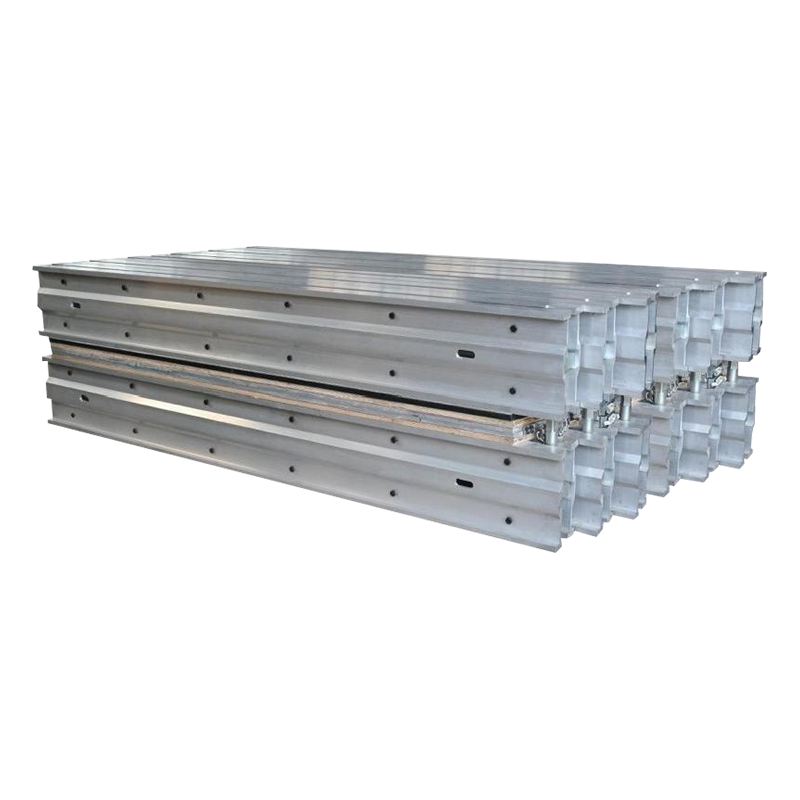 TXCK Electric Blanket Type Water-Cooled Vulcanizing Machine
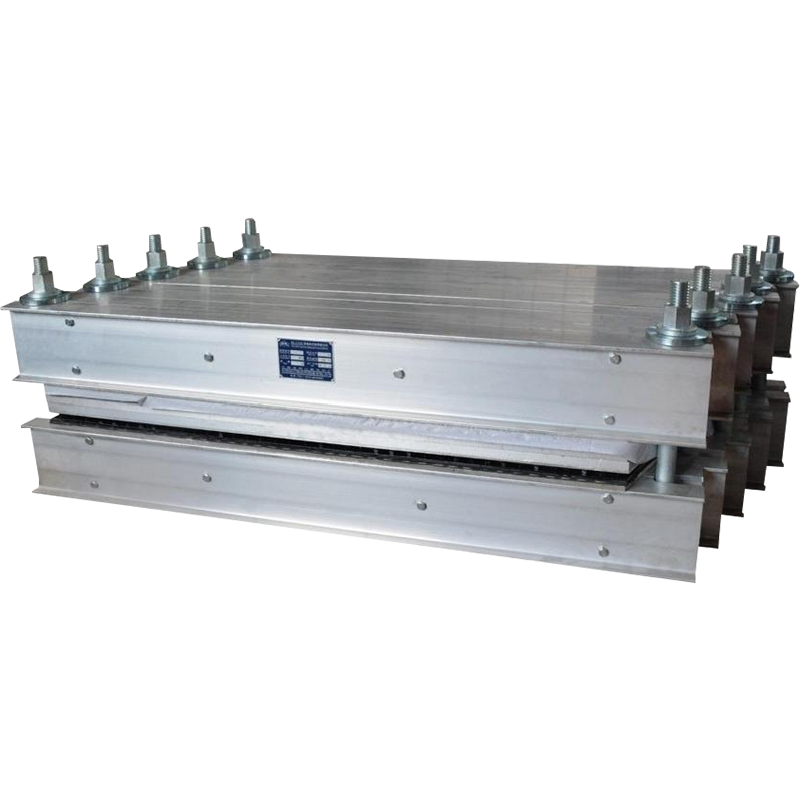 DJSL/DGLJL Water-Cooled Light Vulcanizing Machine
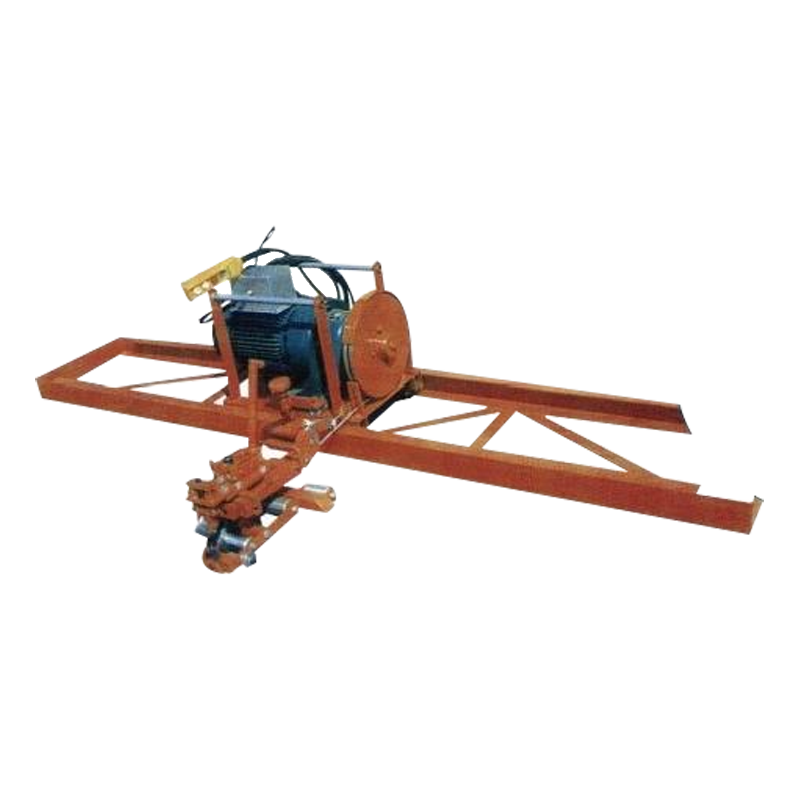 PBJ-2 Steel Wire Rope Conveyor Belt Peeling Machine
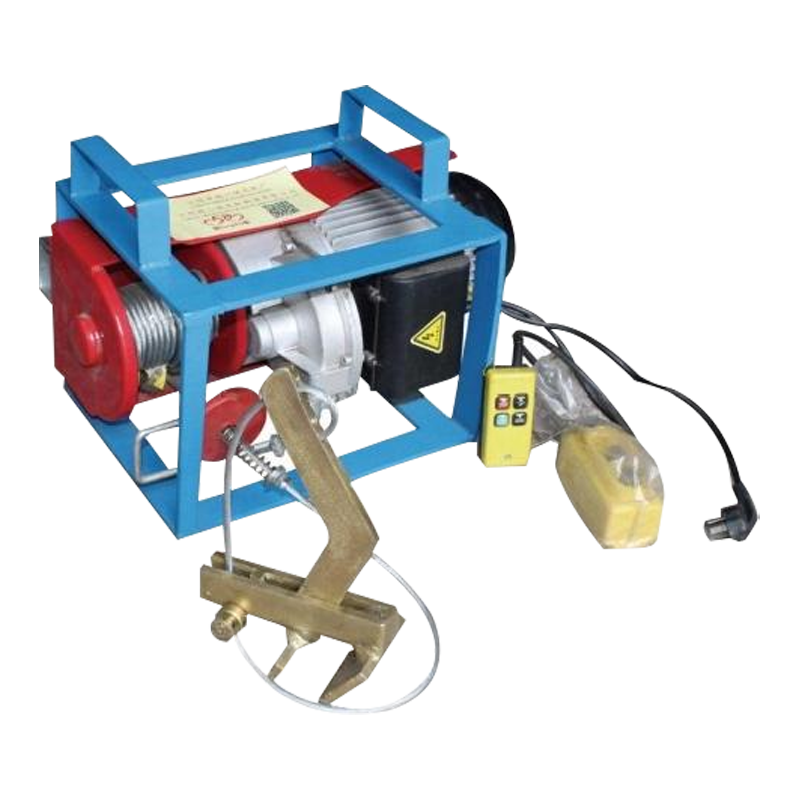 PBJ-4 Ordinary Conveyor Belt Peeling Machine
 Conveyor Belt Repair: Ensuring Optimal Performance and Longevity
 What is the Conveyor Belt Vulcanizing Machines?
 What is a Conveyor Belt Vulcanizing Machine and How Does It Work?
Conveyor Belt Repair Machines: How to Choose, Maintain, and Benefit from Them
What is a Conveyor Belt Vulcanizing Machine and How Does It Work?
Conveyor Belt Repair Machines: How to Choose, Maintain, and Benefit from Them
 +86-18915223007
  +86-0510-86336668
  [email protected]
  No.21, Hetang Central Street, Jiangyin City, Jiangsu Province
 Copyright © Jiangyin Tongxin Vulcanizing Machine Manufacturer Co., Ltd. All Rights Reserved.
OEM/ODM Belt Vulcanizer Accessories Manufacturers




 Eng
Eng  русский
 Home
Home