The Conveyor Belt Vulcanizing Machine ensures uniform pressure distribution across the belt width primarily through a combination of precise hydraulic control, engineered heating plates, and adjustable pressure systems. By maintaining consistent force across all contact points and using feedback sensors, these machines guarantee a high-quality, reliable vulcanized joint that meets industrial standards.
Modern Conveyor Belt Vulcanizing Machines employ hydraulic systems that can generate pressures ranging from 0.5 to 1.5 MPa, depending on the belt type and thickness. These systems use dual or multi-point cylinders along the platen to apply uniform force. The hydraulic manifold ensures that pressure deviations across the belt width are minimal, often below ±2%, which is critical for belts thicker than 25mm.
Some advanced machines use independent cylinder controls with digital feedback, allowing operators to adjust pressure in real time. This is particularly useful when vulcanizing belts with embedded steel cords or uneven wear surfaces, where a single uniform force may not suffice.
Uniform pressure is closely tied to the design of the heating plates in a Conveyor Belt Vulcanizing Machine. Plates are typically manufactured from high-strength steel with a flatness tolerance of ±0.05 mm. This flatness ensures that when pressure is applied, there are no gaps or uneven contact areas along the belt.
Moreover, the plates are often segmented or have slight flexibility to adapt to minor surface irregularities of the belt. This allows the machine to maintain uniform contact without concentrating pressure at the edges or center, which can lead to weak splices.
Advanced Conveyor Belt Vulcanizing Machines integrate pressure sensors across the platen surface. These sensors provide real-time data to a control system that can automatically adjust hydraulic force to compensate for unevenness. Feedback loops maintain pressure within a narrow range, often within ±1%, ensuring optimal vulcanization.
For instance, in mining conveyor belts exceeding 1,500mm width, multiple sensors detect edge vs. center deviations. The machine then redistributes hydraulic fluid to the relevant cylinders, guaranteeing a uniform splice without requiring manual intervention.
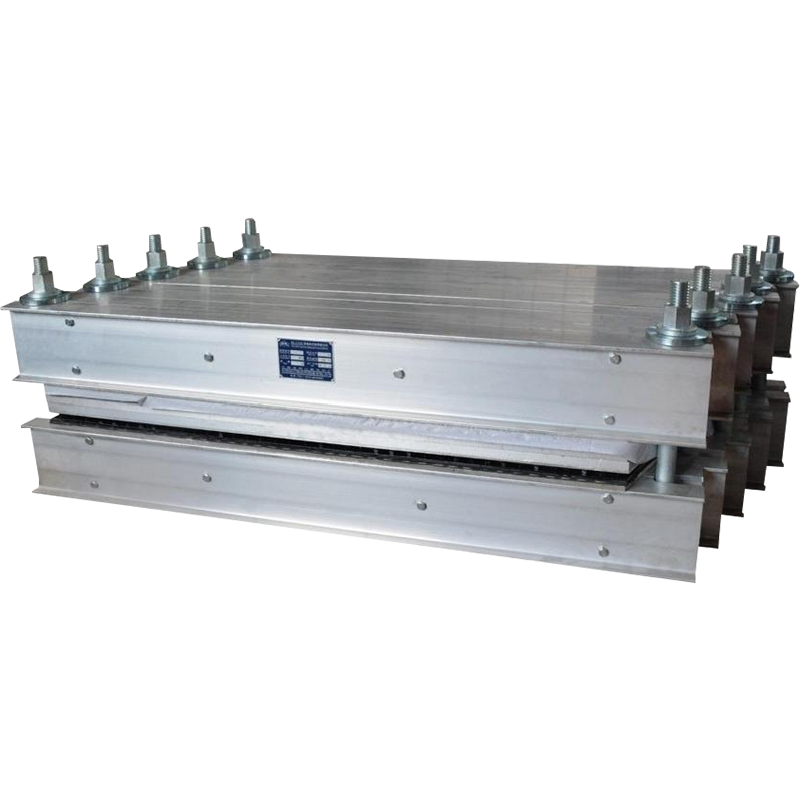
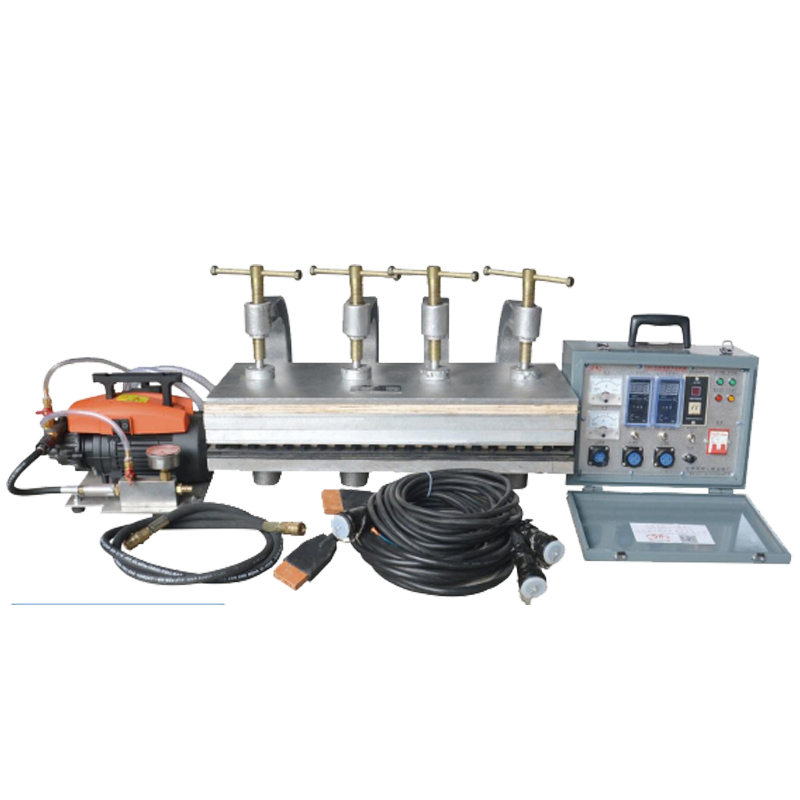
Conveyor Belt Vulcanizing Machine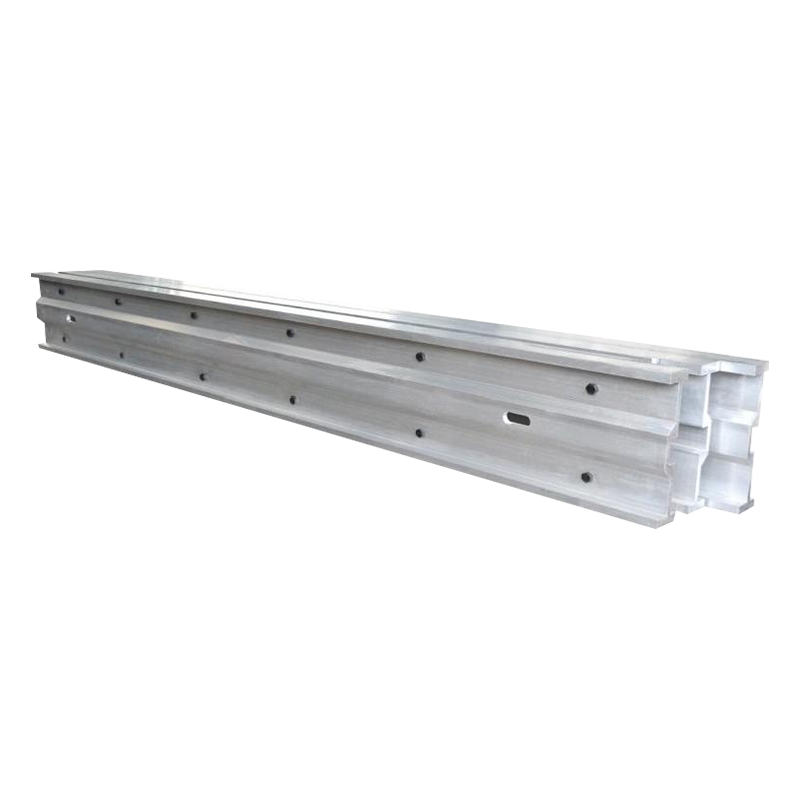
Not all conveyor belts are created equal. The Conveyor Belt Vulcanizing Machine must adjust to varying thicknesses, materials, and reinforcement structures. Adjustable pressure systems allow operators to select preset or custom pressure profiles according to belt specifications.
For example:
This level of customization ensures uniform vulcanization, reducing the risk of early splice failure and improving operational longevity.
Uniform pressure is not only a function of hardware; operator skill plays a significant role. Proper machine calibration before every splice involves:
Regular calibration ensures that pressure deviations do not exceed ±2% across the belt width, which is critical for maintaining splice integrity in heavy-duty industrial applications.
| Machine Type | Width (mm) | Pressure Deviation (%) |
|---|---|---|
| Standard Hydraulic | 1000 | ±3 |
| Advanced Multi-Cylinder | 1500 | ±1 |
| Automated Feedback System | 2000 | ±0.8 |
This table illustrates how advanced control systems reduce pressure variation significantly, directly improving splice quality and belt lifespan.
In summary, Conveyor Belt Vulcanizing Machines achieve uniform pressure distribution through a combination of precision hydraulic systems, engineered heating plates, real-time sensor feedback, adjustable pressure settings, and operator calibration. These factors work together to ensure high-quality, durable splices that withstand industrial loads, making them essential for reliable conveyor operations across mining, manufacturing, and logistics sectors.
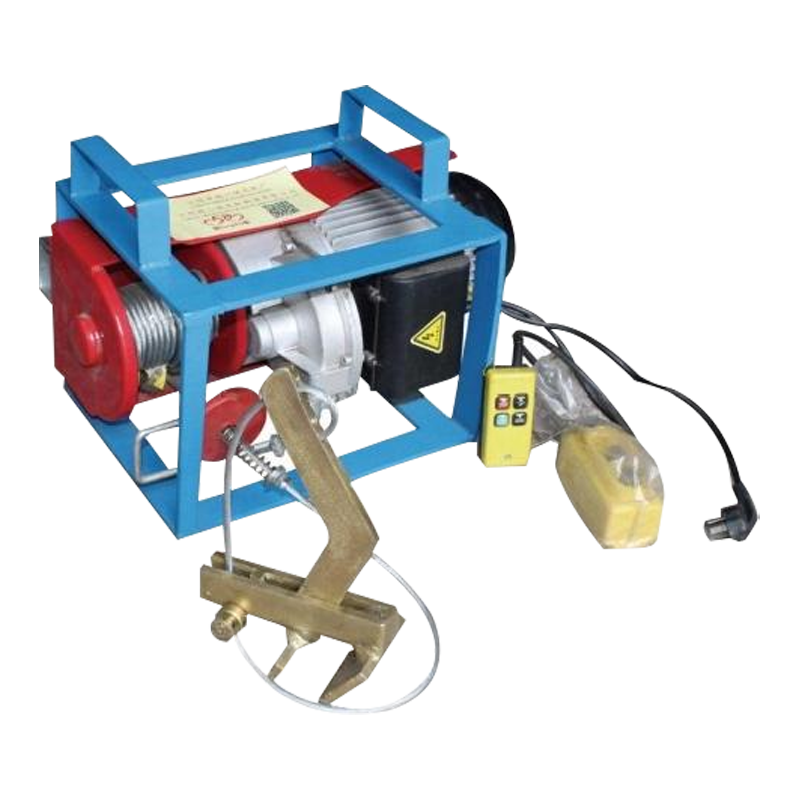 PBJ-4 Ordinary Conveyor Belt Peeling Machine
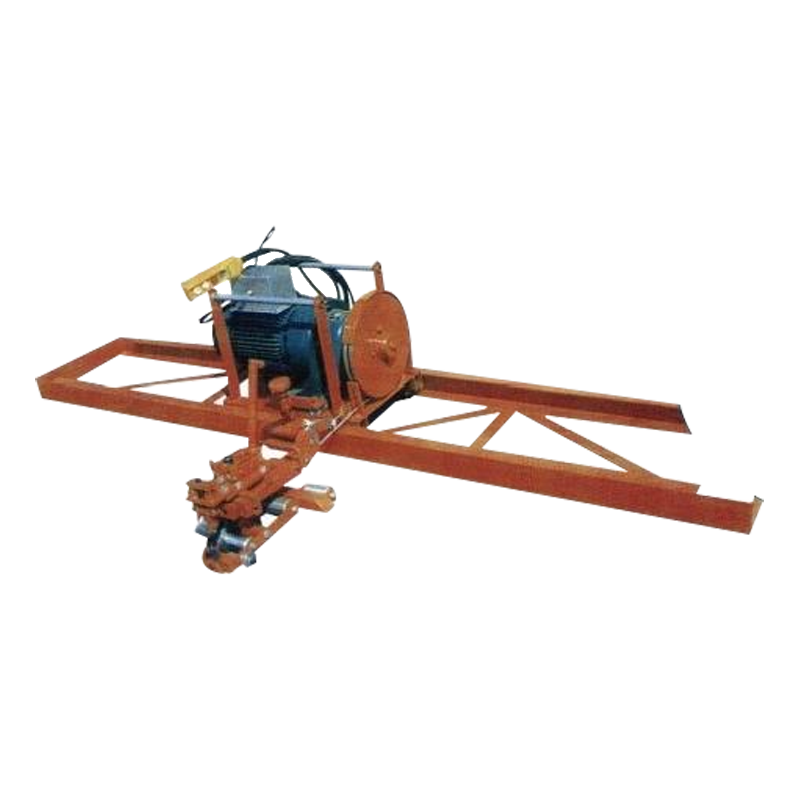 PBJ-2 Steel Wire Rope Conveyor Belt Peeling Machine
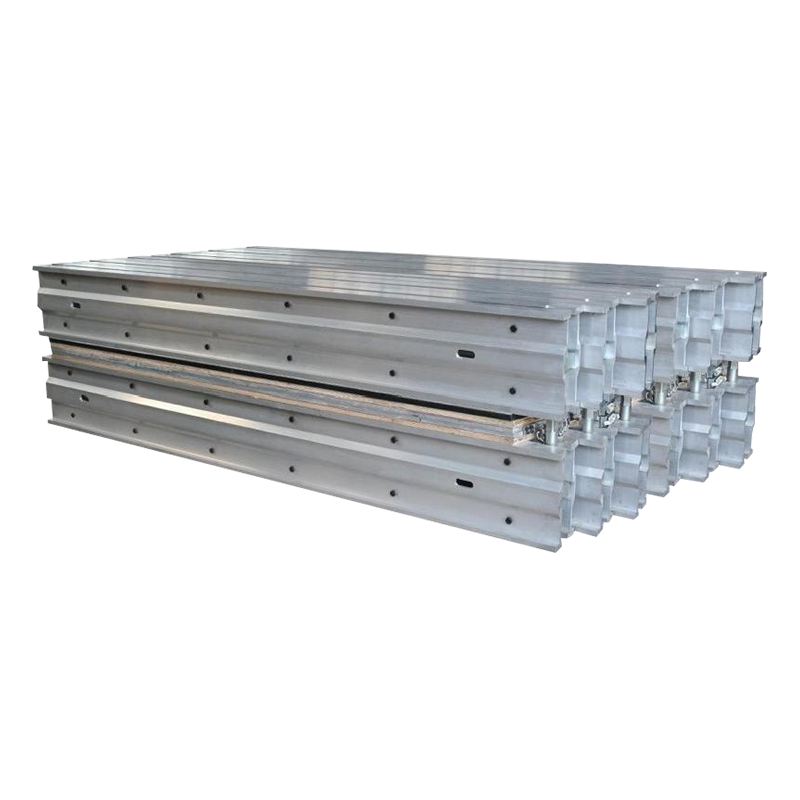 TXCK Electric Blanket Type Water-Cooled Vulcanizing Machine
 DJSL/DGLJL Water-Cooled Light Vulcanizing Machine
 Conveyor Belt Repair: Ensuring Optimal Performance and Longevity
 What is the Conveyor Belt Vulcanizing Machines?
 What is a Conveyor Belt Vulcanizing Machine and How Does It Work?
Conveyor Belt Repair Machines: How to Choose, Maintain, and Benefit from Them
What is a Conveyor Belt Vulcanizing Machine and How Does It Work?
Conveyor Belt Repair Machines: How to Choose, Maintain, and Benefit from Them
 +86-18915223007
  +86-0510-86336668
  [email protected]
  No.21, Hetang Central Street, Jiangyin City, Jiangsu Province
 Copyright © Jiangyin Tongxin Vulcanizing Machine Manufacturer Co., Ltd. All Rights Reserved.
OEM/ODM Belt Vulcanizer Accessories Manufacturers




 Eng
Eng  русский
 Home
Home