Integrated Temperature Control Systems: The Conveyor Belt Vulcanizing Machine employs advanced heating elements embedded within the vulcanizing plates or press surfaces, specifically engineered to maintain a uniform target temperature across the entire width of the belt joint. Modern machines utilize digital thermocouples, infrared sensors, or fiber-optic temperature probes to continuously monitor both the surface and internal temperature of the belt during the vulcanization cycle. These sensors provide real-time feedback to a central control unit, which dynamically adjusts the energy output of the heating elements to compensate for variations in belt thickness, ply composition, or ambient environmental conditions. By maintaining a consistent and uniform thermal environment, the machine ensures even cross-linking of the rubber or polymer compounds within the belt joint, preventing localized under-curing that could weaken adhesion or over-curing that could embrittle or degrade the material, thereby safeguarding the mechanical integrity and long-term durability of the splice.
Precision Pressure Application: Alongside temperature regulation, the Conveyor Belt Vulcanizing Machine applies carefully controlled mechanical pressure to the belt joint using hydraulic or pneumatic systems designed for consistent, high-force application. Many machines feature multi-zone pressure adjustment, which allows operators to fine-tune the force applied to different sections of the belt, accommodating variations in material composition, thickness, or ply number. Precise pressure control is critical because uneven compression can lead to incomplete adhesion, trapped air pockets, or structural deformation of the belt plies.
Closed-Loop Feedback Control: The machine integrates closed-loop control systems that coordinate temperature and pressure simultaneously to achieve optimal vulcanization conditions. Real-time data from embedded temperature sensors and pressure transducers are processed by the machine’s control system, which continuously adjusts heating intensity and applied force to maintain the predefined vulcanization profile. This automated approach minimizes the risk of human error, environmental influence, or equipment fluctuation affecting joint quality, allowing the operator to achieve repeatable, high-quality splices across multiple conveyor belts or successive maintenance operations in industrial environments.
Programmable Vulcanization Profiles: High-end Conveyor Belt Vulcanizing Machines provide the ability to program specific curing profiles that include ramp-up, hold, and cool-down stages, tailored to the type of belt material, ply configuration, and width. By controlling the duration and intensity of heat and pressure throughout these stages, the machine ensures that the polymer chains within the belt material cross-link appropriately, producing an optimal balance of flexibility and tensile strength. Programmable profiles prevent under-curing, which could weaken the joint and reduce its service life, as well as over-curing, which could harden the rubber and increase the risk of cracking or brittleness during operation. This level of automation also enhances productivity by allowing operators to select pre-configured profiles for specific belt types and dimensions without manual recalibration.
Optimized Heat Distribution Design: To ensure uniform temperature across wide or multi-ply belts, vulcanizing plates are designed with high thermal conductivity, reinforced heating channels, or integrated oil circulation systems that distribute heat evenly. Such designs eliminate cold spots that could result in incomplete curing and prevent hotspots that could damage the belt. In belts with multiple plies or varying thicknesses, consistent heat distribution is essential to achieve uniform adhesion throughout the entire splice width and depth, maintaining the mechanical and operational integrity of the belt under heavy-duty industrial conditions.
Safety and Monitoring Systems: The machine incorporates real-time monitoring, alarms, and automatic shutdown functions to prevent deviations in temperature or pressure beyond preset tolerances. These safety features protect the operator from injury due to excessive heat or hydraulic pressure while ensuring that the vulcanization process remains within the optimal operational window. Any sudden fluctuation or equipment malfunction triggers an alert or stops the process automatically, preventing over-curing or under-curing that could compromise joint quality. Continuous monitoring guarantees that every belt splice meets required mechanical and durability standards.
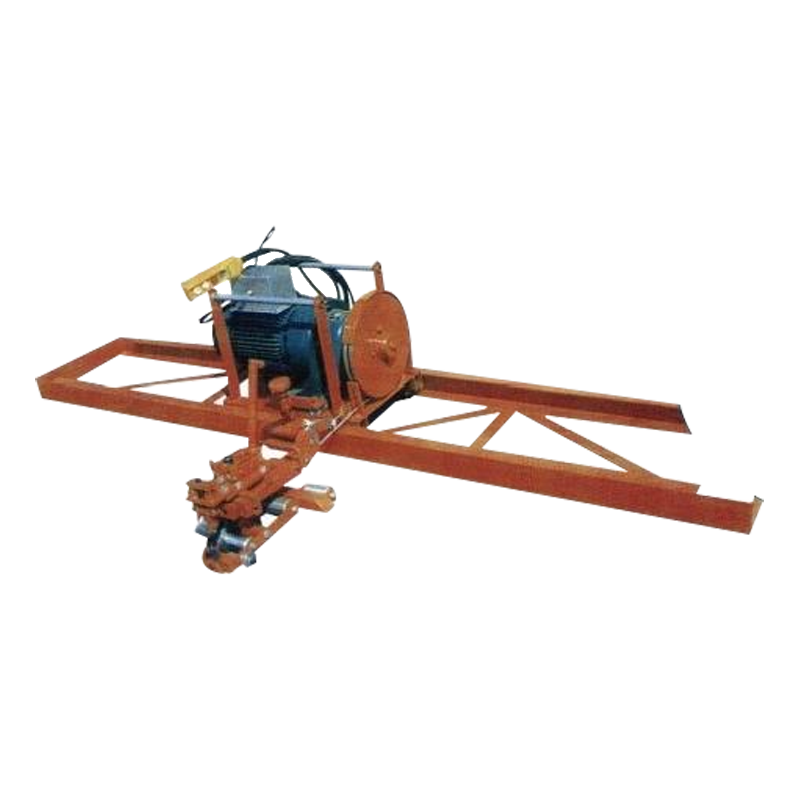 PBJ-2 Steel Wire Rope Conveyor Belt Peeling Machine
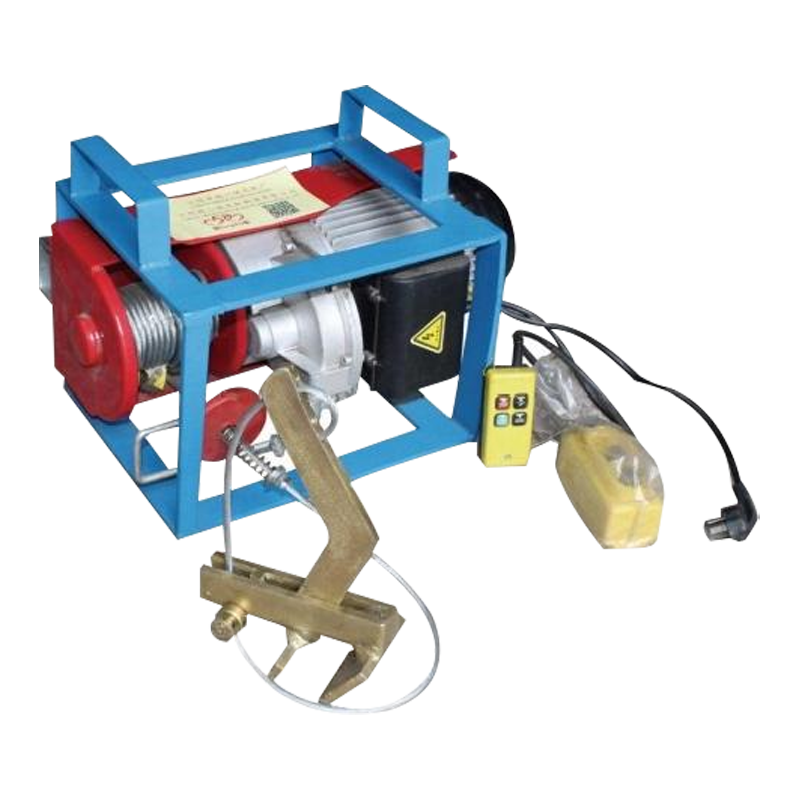 PBJ-4 Ordinary Conveyor Belt Peeling Machine
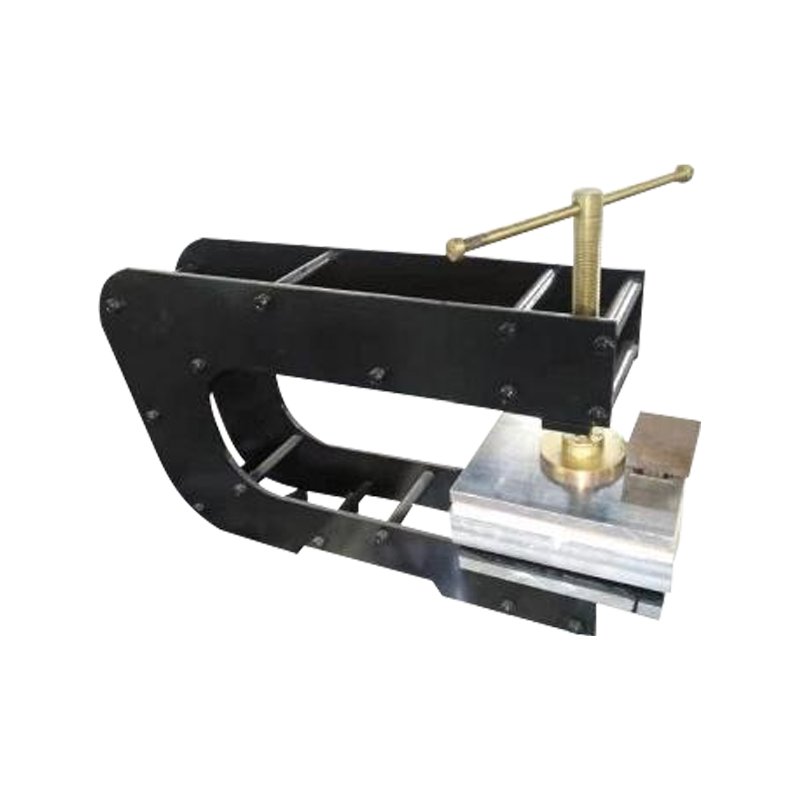 XBG-1 Conveyor Belt Point Patcher
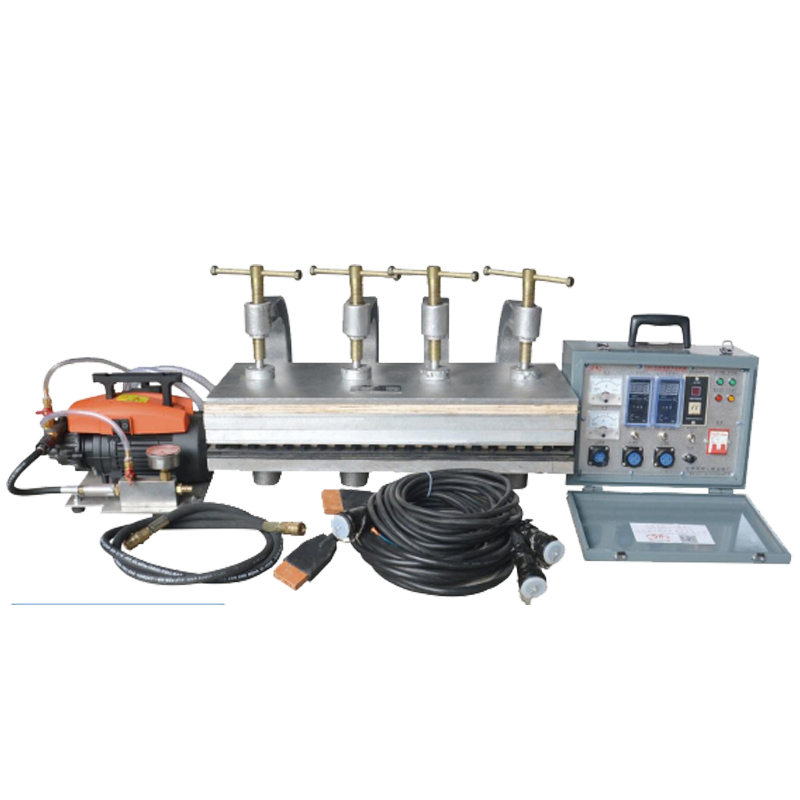 XBG-2 Conveyor Belt Edge Patcher
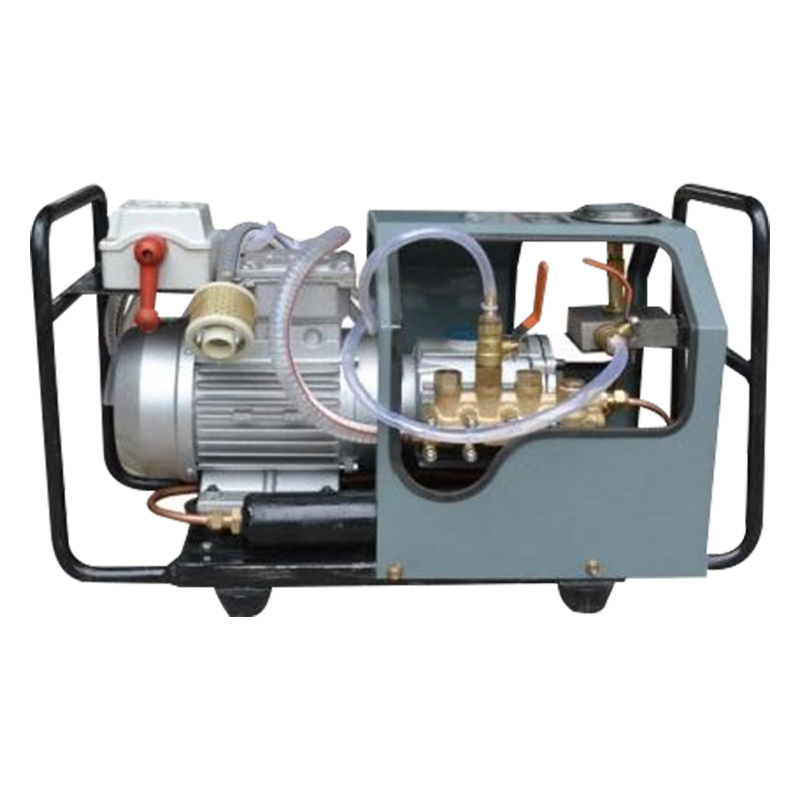 Conveyor Belt Repair: Ensuring Optimal Performance and Longevity
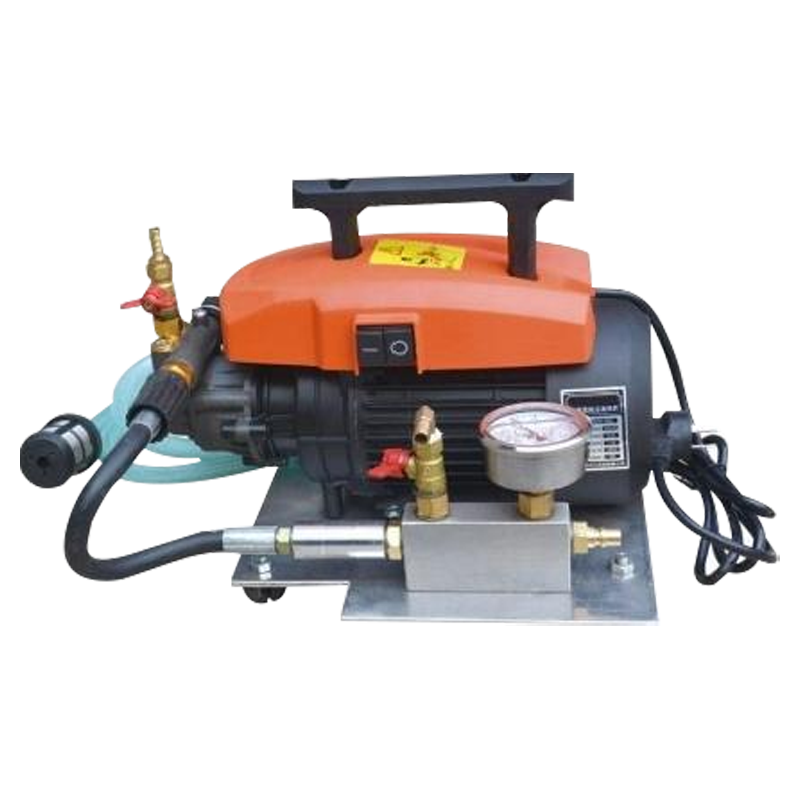 What is the Conveyor Belt Vulcanizing Machines?
What is a Conveyor Belt Vulcanizing Machine and How Does It Work?
Conveyor Belt Repair Machines: How to Choose, Maintain, and Benefit from Them
What is the Conveyor Belt Vulcanizing Machines?
What is a Conveyor Belt Vulcanizing Machine and How Does It Work?
Conveyor Belt Repair Machines: How to Choose, Maintain, and Benefit from Them
 +86-18915223007
  +86-0510-86336668
  [email protected]
  No.21, Hetang Central Street, Jiangyin City, Jiangsu Province
 Copyright © Jiangyin Tongxin Vulcanizing Machine Manufacturer Co., Ltd. All Rights Reserved.
OEM/ODM Belt Vulcanizer Accessories Manufacturers




 Eng
Eng  русский
 Home
Home