Precision-Engineered Heating Plates
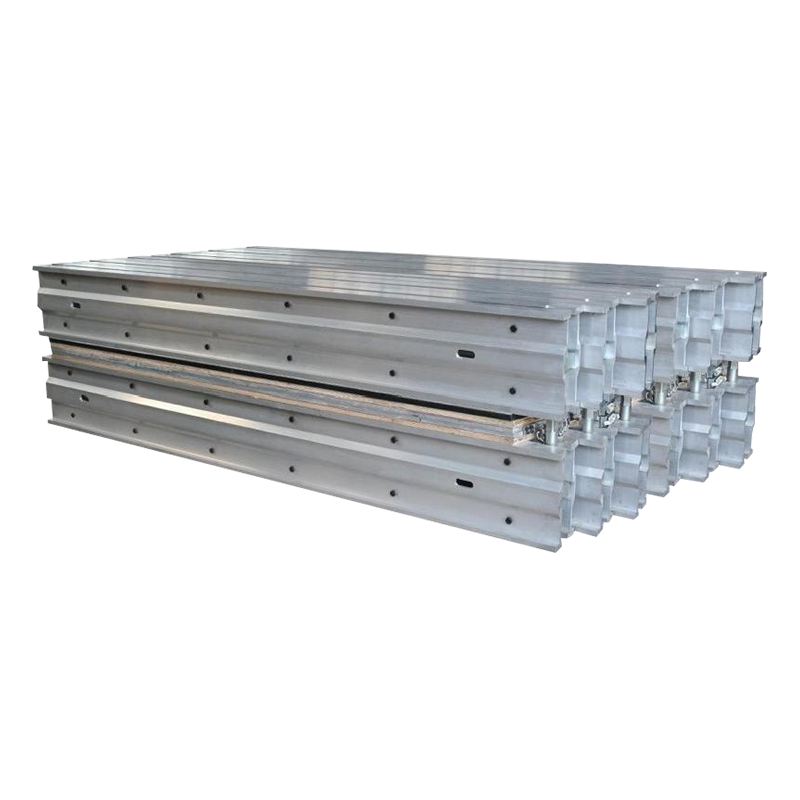
A Conveyor Belt Vulcanizing Machine relies on high-precision heating plates to deliver consistent heat to the splice area of the belt. These plates are typically made from high-conductivity steel alloys or aluminum composites, which allow rapid and uniform heat transfer. Many machines feature embedded electric heating elements, steam channels, or oil-heated circuits that maintain a controlled temperature across the full width of the belt. The uniformity of these heating plates is critical because uneven heat distribution can cause partial vulcanization, resulting in weak spots or premature failure of the splice. By maintaining a stable and consistent temperature across the entire platen surface, the machine ensures that all layers of the belt—whether rubber, PVC, or fabric-reinforced—reach the proper vulcanization temperature simultaneously, producing a strong, durable joint.
Adjustable Pressure Systems
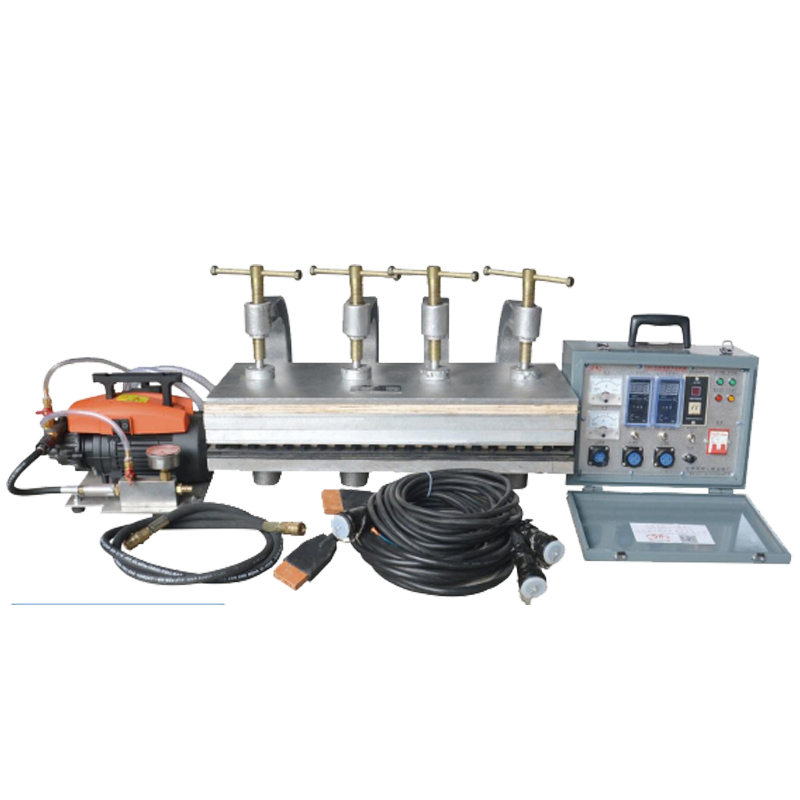
Equally important is the uniform application of pressure during the vulcanization process. Conveyor Belt Vulcanizing Machines employ hydraulic, pneumatic, or mechanically driven clamping systems that can be adjusted to apply a consistent force along the full width of the belt splice. This prevents areas of excessive compression, which could damage the belt, and areas of insufficient pressure, which could lead to weak bonding. Advanced machines use multi-zone pressure control, allowing operators to fine-tune pressure in different sections of the belt to accommodate variations in thickness, material composition, or embedded steel cords. This ensures that each section of the splice receives the appropriate compressive force, leading to a uniform bond and minimizing the risk of future separation or failure.
Conveyor Belt Vulcanizing Machine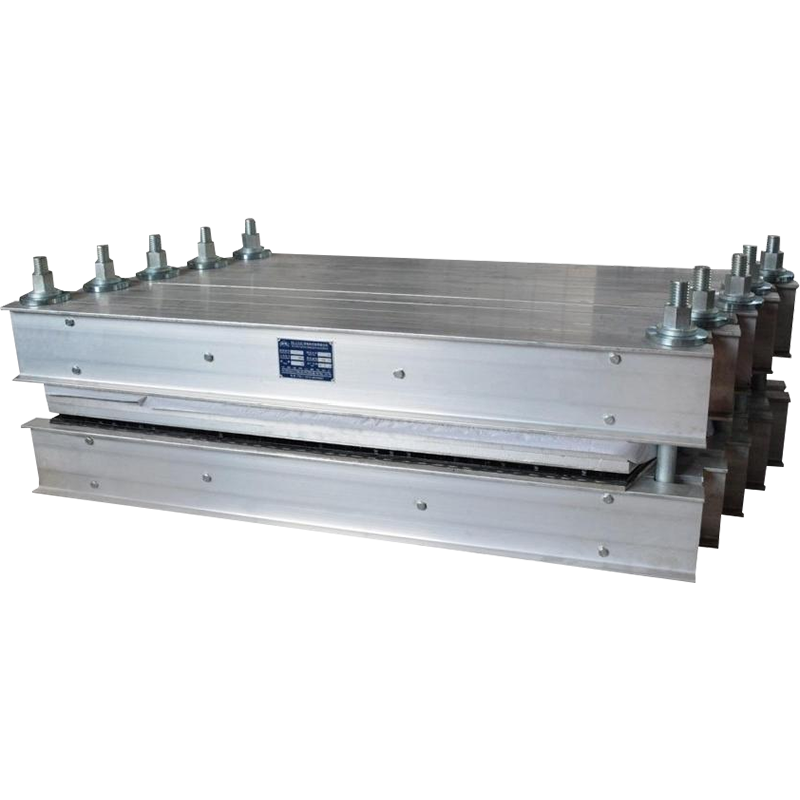
Temperature and Pressure Sensors
Modern Conveyor Belt Vulcanizing Machines are equipped with thermocouples, infrared sensors, and pressure transducers to monitor the process in real-time. Thermocouples embedded in the heating plates measure the temperature at multiple points along the platen, while pressure sensors detect variations in the force applied to the belt. This continuous feedback allows the machine’s control system to adjust heat and pressure dynamically during the vulcanization cycle, compensating for minor inconsistencies or environmental influences. The result is a highly controlled process in which every portion of the belt splice reaches the optimal thermal and mechanical conditions necessary for a strong, reliable bond.
Evenly Designed Platens and Rollers
The physical design of platens and rollers contributes significantly to uniform heat and pressure distribution. Platens are machined to extremely precise flatness and parallelism, ensuring complete and consistent contact with the belt surface. Similarly, rollers—often spring-loaded or hydraulically adjustable—apply pressure evenly across the belt width, maintaining constant contact and minimizing gaps or pressure spikes. This careful mechanical design ensures that no single area of the belt experiences over-compression or under-compression, which could compromise the strength and longevity of the splice. Proper platen and roller design is essential for high-quality results, especially on wider belts or belts with embedded reinforcement layers.
Controlled Heating Cycles
Vulcanization is a time-sensitive process that depends on the gradual and controlled application of heat. Conveyor Belt Vulcanizing Machines use programmable heating cycles that gradually raise the temperature to the target vulcanization level, maintain it for a specific dwell time, and then allow controlled cooling. This eliminates thermal gradients, which can occur if parts of the belt heat faster than others, and ensures that all layers of the belt material flow and bond uniformly. Controlled heating cycles are particularly important for thick belts or those with multiple layers, as uneven heating can lead to weak zones and reduced splice integrity.
Conveyor Belt Vulcanizing Machine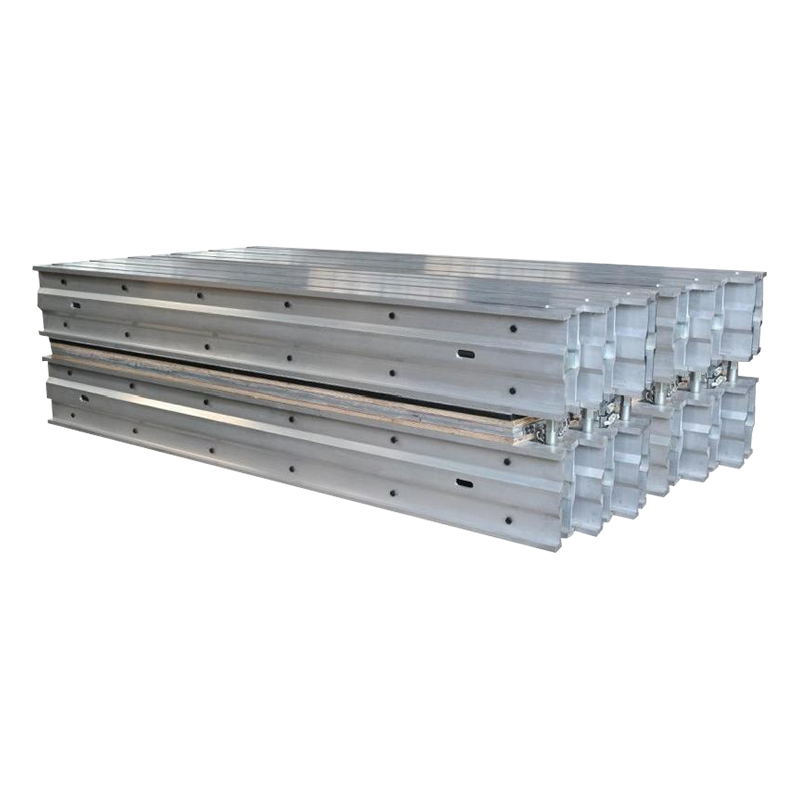
Compensation for Belt Irregularities
In practical applications, conveyor belts may have surface irregularities, wear, or embedded steel cords that create uneven surfaces. High-quality vulcanizing machines are designed with flexible or compliant platens and pressure-distribution systems that can adapt to minor deviations in belt thickness or geometry. This adaptability ensures that the applied heat and pressure are distributed evenly across the entire splice, even when working with belts that are not perfectly uniform. By accommodating these irregularities, the machine prevents localized over-compression or under-vulcanization, which could otherwise compromise the strength of the splice.
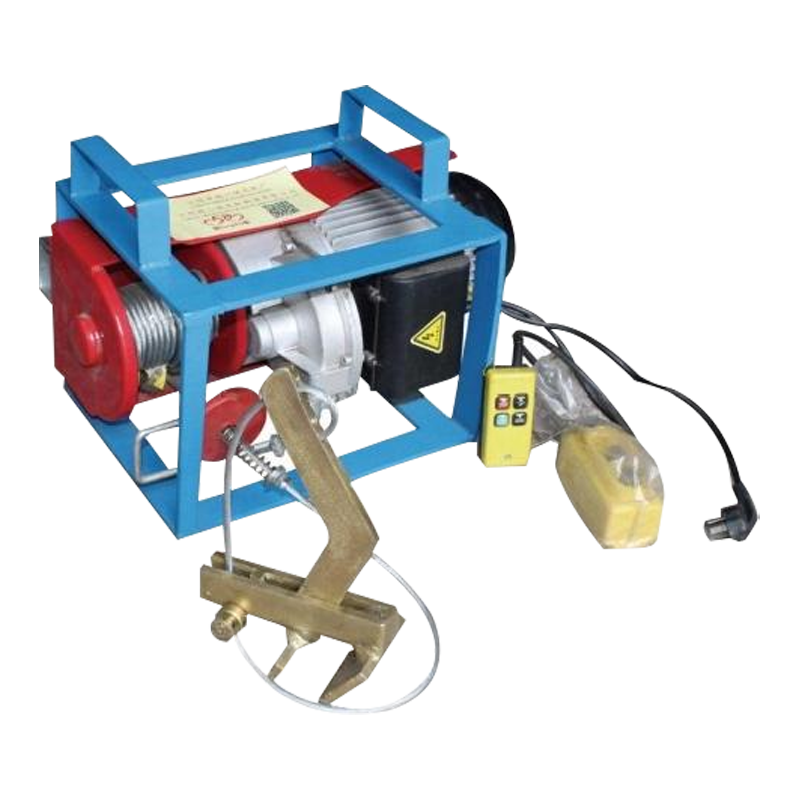 PBJ-4 Ordinary Conveyor Belt Peeling Machine
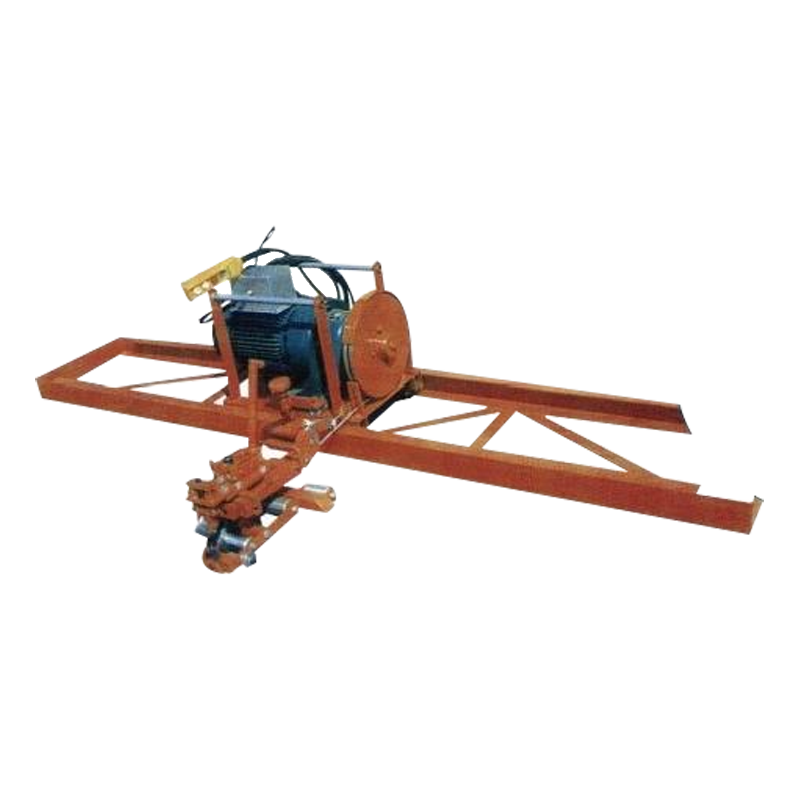 PBJ-2 Steel Wire Rope Conveyor Belt Peeling Machine
 TXCK Electric Blanket Type Water-Cooled Vulcanizing Machine
 DJSL/DGLJL Water-Cooled Light Vulcanizing Machine
 Conveyor Belt Repair: Ensuring Optimal Performance and Longevity
 What is the Conveyor Belt Vulcanizing Machines?
 What is a Conveyor Belt Vulcanizing Machine and How Does It Work?
Conveyor Belt Repair Machines: How to Choose, Maintain, and Benefit from Them
What is a Conveyor Belt Vulcanizing Machine and How Does It Work?
Conveyor Belt Repair Machines: How to Choose, Maintain, and Benefit from Them
 +86-18915223007
  +86-0510-86336668
  [email protected]
  No.21, Hetang Central Street, Jiangyin City, Jiangsu Province
 Copyright © Jiangyin Tongxin Vulcanizing Machine Manufacturer Co., Ltd. All Rights Reserved.
OEM/ODM Belt Vulcanizer Accessories Manufacturers




 Eng
Eng  русский
 Home
Home