Adjustable Plate and Clamp Systems: The Conveyor Belt Vulcanizing Machine is designed with vulcanizing plates and clamping mechanisms that can be adjusted laterally and vertically to match the dimensions of belts with different widths and thicknesses. The plates can expand or contract to cover the entire belt surface, ensuring complete thermal contact during the vulcanization process. Hydraulic, pneumatic, or mechanical clamps apply consistent pressure across the belt width, holding all layers firmly in place to prevent misalignment, gaps, or uneven compression. This adaptability allows operators to splice narrow conveyor belts as well as wide, industrial-grade belts while maintaining uniform joint integrity, minimizing the risk of localized weak spots or mechanical failure during operation.
Multi-Zone Pressure Control: To ensure uniform joint quality across belts of varying thickness, the machine often integrates multi-zone hydraulic or pneumatic pressure systems. Each zone can be controlled independently to adjust the applied force according to belt characteristics, such as ply count, material type, or thickness variations. This precise pressure management ensures that all layers of the belt receive adequate compression, preventing under-compression in thicker areas that could compromise adhesion and over-compression in thinner areas that could deform the belt structure. Multi-zone pressure control is particularly critical for splicing multi-ply or reinforced belts, where uneven force distribution can lead to premature joint failure under operational stress.
Programmable Vulcanization Profiles: Advanced Conveyor Belt Vulcanizing Machines allow operators to program specific vulcanization profiles tailored to the belt’s width, thickness, and material composition. These profiles control temperature ramp-up, hold duration at curing temperature, and cooling rates, ensuring that thicker belts receive sufficient thermal energy to cure all plies fully while thinner belts avoid overexposure that could cause embrittlement or surface cracking. By automating these profiles, the machine provides repeatable, high-quality results for belts of different sizes without requiring manual recalibration, enhancing operational efficiency and minimizing human error.
Uniform Heat Distribution: The machine’s vulcanizing plates are engineered to deliver uniform heat across the entire width of the belt joint, which is essential for belts of varying thickness. Plates may include multiple embedded heating elements, circulation channels, or high-conductivity materials to eliminate cold spots or hotspots. Uniform heat ensures that each section of the belt, from edge to edge, reaches the optimal curing temperature simultaneously. This prevents partial curing, weak bonds, or thermal degradation and ensures consistent mechanical strength, elasticity, and durability across the entire splice.
Versatile Clamping and Support Mechanisms: In addition to adjustable clamps, some machines feature side guides, support plates, or modular extensions that stabilize the belt during vulcanization, particularly for very wide or heavy-duty belts. These mechanisms prevent lateral movement, sagging, or misalignment that could result in uneven compression or improper layer adhesion. Proper alignment throughout the heating and curing process guarantees that the joint maintains structural integrity, dimensional accuracy, and operational reliability under heavy loads and continuous conveyor operation.
Field Adaptability for Variable Belt Sizes: Portable or on-site Conveyor Belt Vulcanizing Machines are designed to handle belts of various widths and thicknesses without extensive setup modifications. Adjustable plates, modular heating units, and flexible clamping systems allow maintenance teams to splice belts in field conditions efficiently. This adaptability is essential for mining, industrial, or transport operations where belts of different specifications need rapid, reliable repair without compromising joint quality. Field machines are often equipped with insulation and adaptive hydraulic or pneumatic controls to ensure consistent pressure and heat distribution in variable environmental conditions.
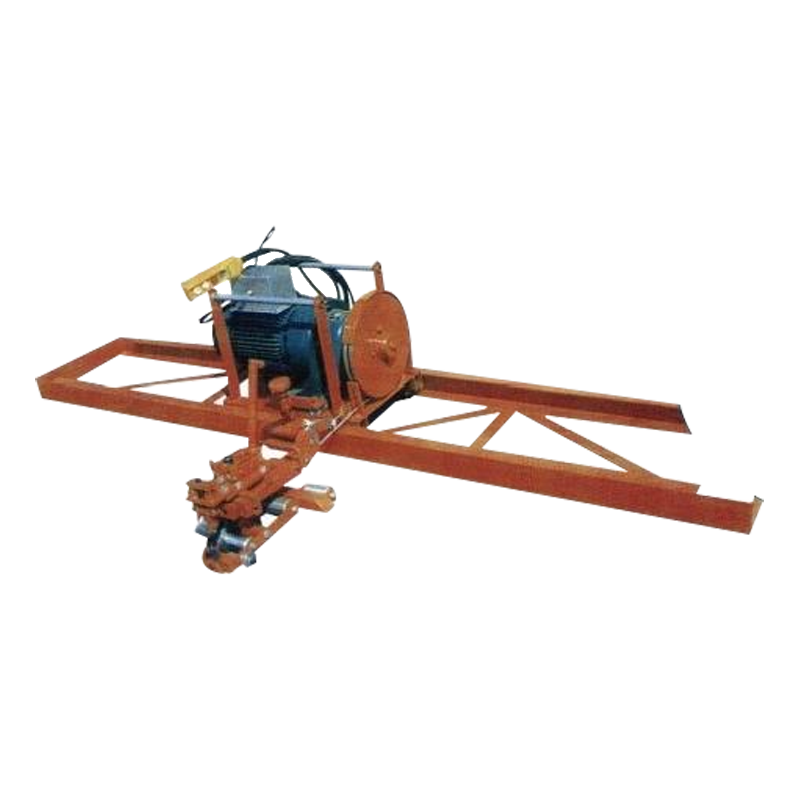 PBJ-2 Steel Wire Rope Conveyor Belt Peeling Machine
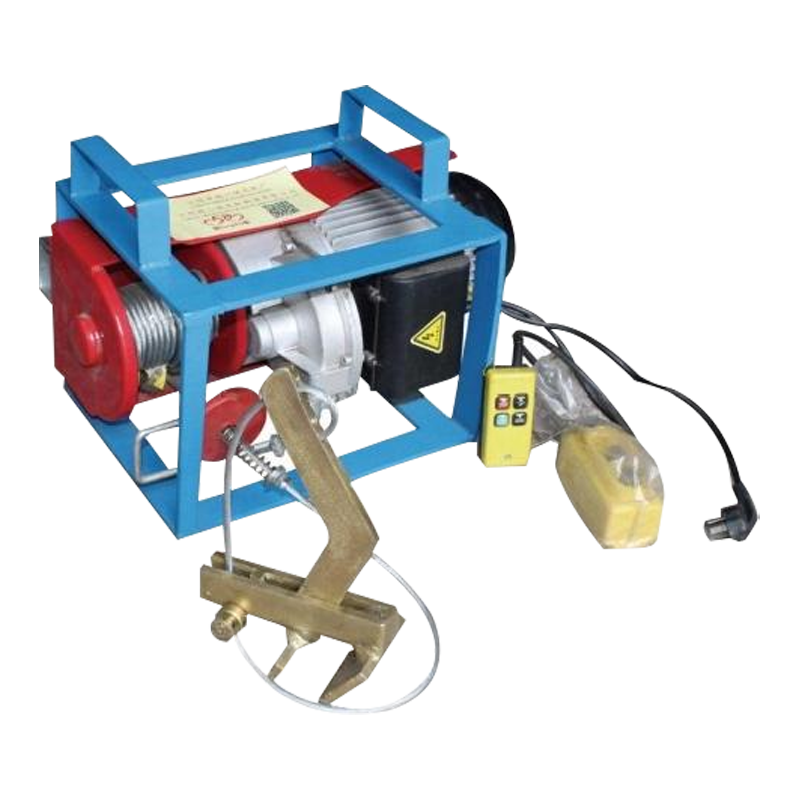 PBJ-4 Ordinary Conveyor Belt Peeling Machine
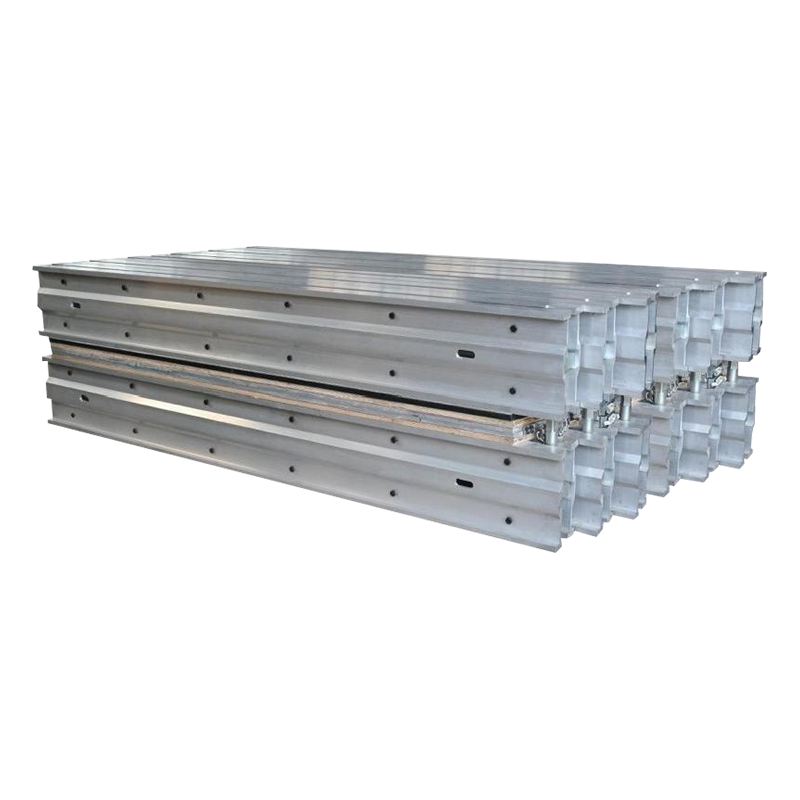 TXCK Electric Blanket Type Water-Cooled Vulcanizing Machine
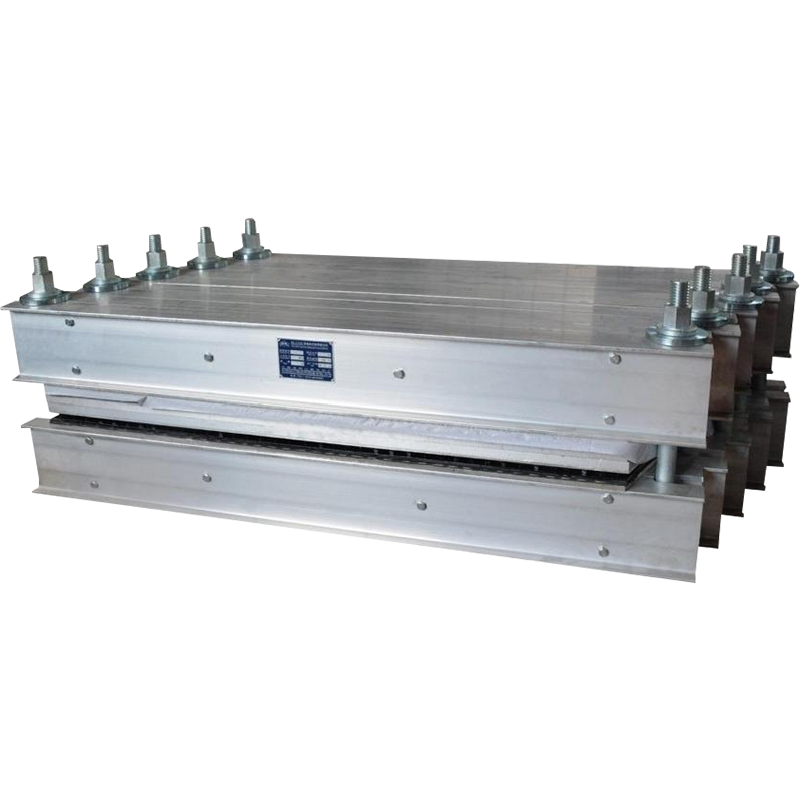 DJSL/DGLJL Water-Cooled Light Vulcanizing Machine
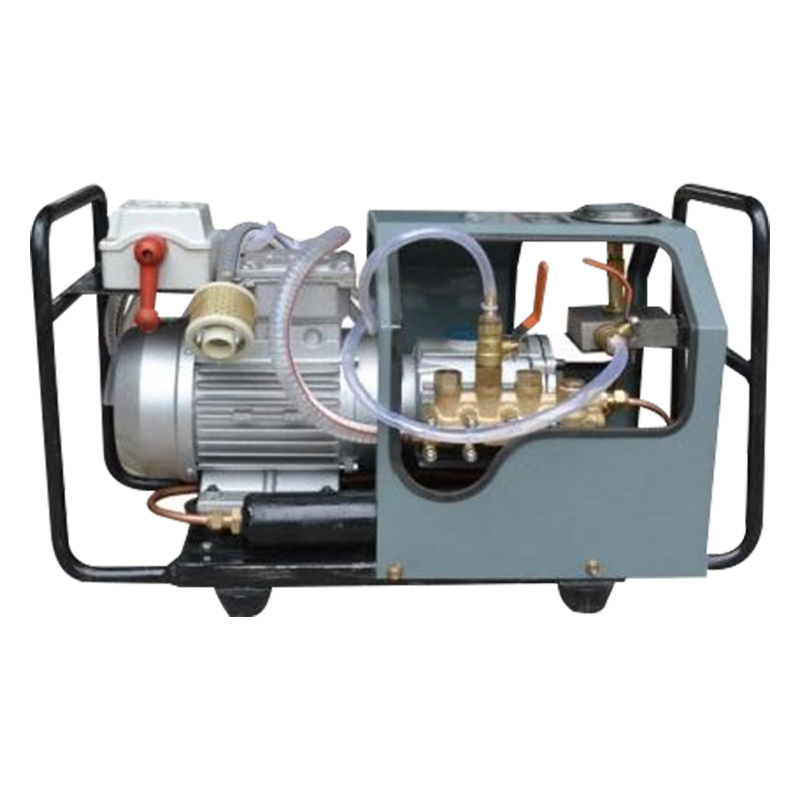 Conveyor Belt Repair: Ensuring Optimal Performance and Longevity
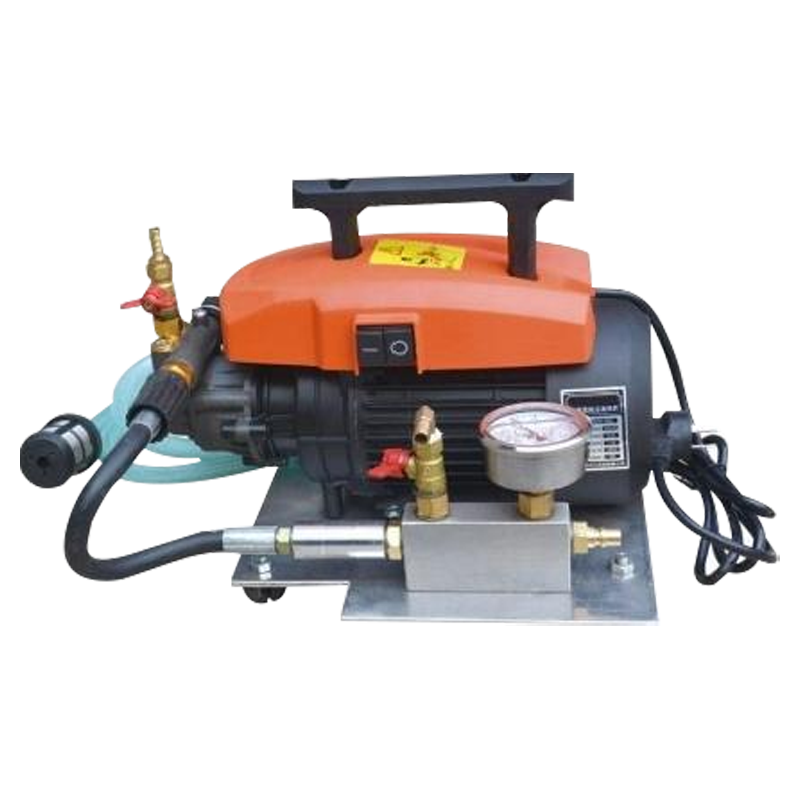 What is the Conveyor Belt Vulcanizing Machines?
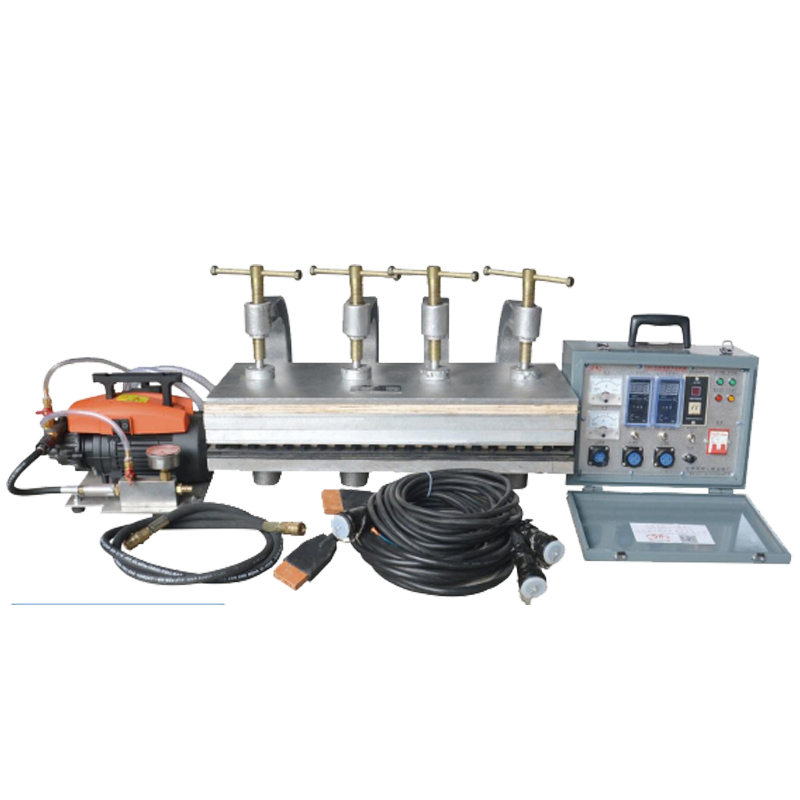 What is a Conveyor Belt Vulcanizing Machine and How Does It Work?
Conveyor Belt Repair Machines: How to Choose, Maintain, and Benefit from Them
What is a Conveyor Belt Vulcanizing Machine and How Does It Work?
Conveyor Belt Repair Machines: How to Choose, Maintain, and Benefit from Them
 +86-18915223007
  +86-0510-86336668
  [email protected]
  No.21, Hetang Central Street, Jiangyin City, Jiangsu Province
 Copyright © Jiangyin Tongxin Vulcanizing Machine Manufacturer Co., Ltd. All Rights Reserved.
OEM/ODM Belt Vulcanizer Accessories Manufacturers




 Eng
Eng  русский
 Home
Home