The Belt Vulcanizing Machine is engineered to provide an immediate and reliable response whenever an emergency stop is triggered. This rapid action ensures that all heating elements and hydraulic systems are disengaged, protecting both the machine and the belt from damage. Modern vulcanizing machines typically achieve a response time of less than 0.5 seconds, allowing operators to halt the vulcanization process almost instantaneously.
Emergency stop mechanisms on a Conveyor Belt Vulcanizing Machine usually include large red buttons or safety levers positioned for easy operator access. Once activated, these systems cut power to critical components, including heating plates, press cylinders, and electronic control circuits, ensuring that any ongoing vulcanization process is stopped safely.
Power interruptions during a vulcanization cycle can pose significant risks to both the belt and the machine. A Belt Vulcanizing Machine is designed to respond to such events by engaging backup systems like uninterruptible power supplies (UPS) or internal batteries. These systems provide enough power to safely complete critical shutdown procedures and protect the belt from partial or uneven vulcanization.
For instance, if the main power supply to a Conveyor Belt Vulcanizing Machine fails, the UPS ensures that the hydraulic presses lower gradually, and the heating elements cool in a controlled manner. This prevents localized overheating and potential warping of conveyor belts, which could result in costly production delays and material waste. Most advanced machines maintain these protective functions for 3–5 minutes after a power loss.
Even basic vulcanizing machines have built-in thermal fuses and circuit breakers that prevent electrical surges from causing damage during sudden power outages. This layered approach ensures maximum protection for both the equipment and the processed belts.
A modern Belt Vulcanizing Machine incorporates multiple automatic safety protocols to handle emergency stops and power interruptions. These features minimize risk to operators and maintain the integrity of the belt. Key safety functions include:
These automatic protocols are especially important for high-capacity vulcanizing machines that process conveyor belts in industrial settings, where belt failure can halt production lines and result in significant financial losses.
While modern Belt Vulcanizing Machines offer built-in safety mechanisms, proper operator intervention is crucial. Recommended steps include:
By following these procedures, operators ensure that the vulcanization process resumes safely and effectively, while also extending the service life of the machine.
Advanced vulcanizing machines, including both Belt Vulcanizing Machines and Conveyor Belt Vulcanizing Machines, integrate a variety of technical features designed to maintain operational safety during emergencies:
| Feature | Function | Response Time |
|---|---|---|
| Emergency Stop Button | Instantly cuts power to heating and hydraulic systems | 0.5 seconds |
| UPS Backup | Maintains minimal functions to safely lower press pressure | 3–5 seconds |
| Automatic Cooling System | Prevents heat-related belt damage | 5 minutes |
Modern Belt Vulcanizing Machines and Conveyor Belt Vulcanizing Machines are engineered with rapid-response emergency stop systems, UPS-supported safe shutdown procedures, and automated cooling mechanisms. These features protect the belt material and machine components during unexpected power interruptions and emergency stops. Adherence to operator guidelines and routine preventive maintenance ensures the continued reliability of the vulcanizing machine in high-demand industrial environments, minimizing downtime and preventing costly production errors.
With these robust safety and operational features, investing in a high-quality Belt Vulcanizing Machine or Conveyor Belt Vulcanizing Machine not only improves workflow efficiency but also significantly enhances workplace safety in industrial settings.
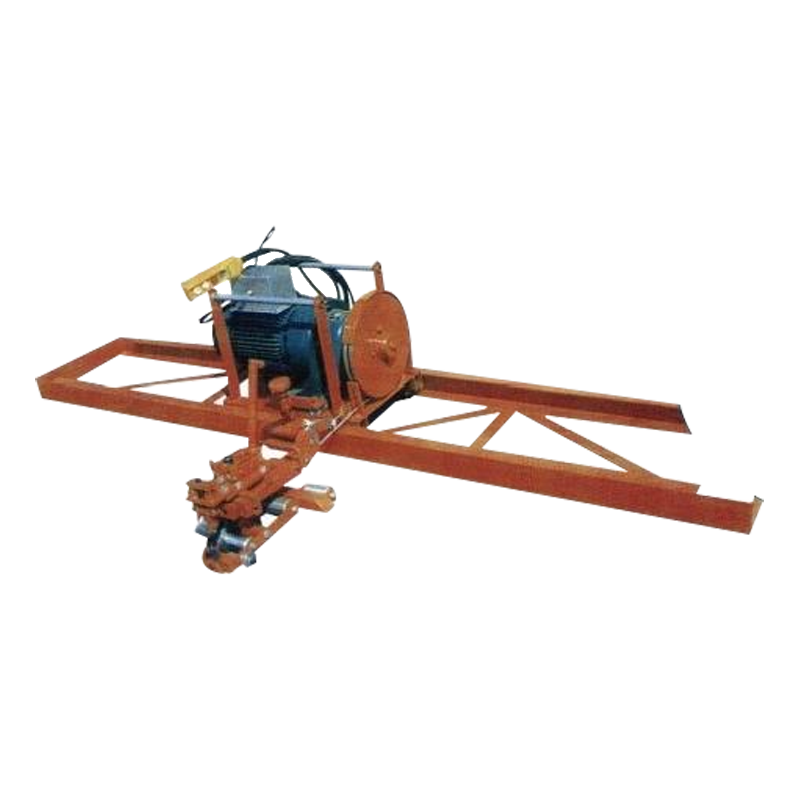 PBJ-2 Steel Wire Rope Conveyor Belt Peeling Machine
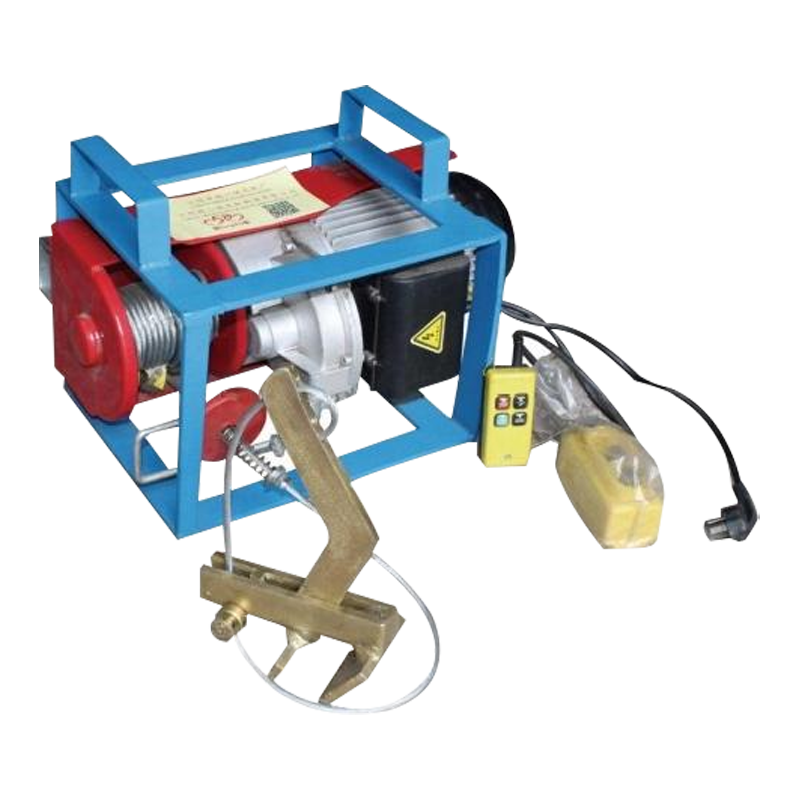 PBJ-4 Ordinary Conveyor Belt Peeling Machine
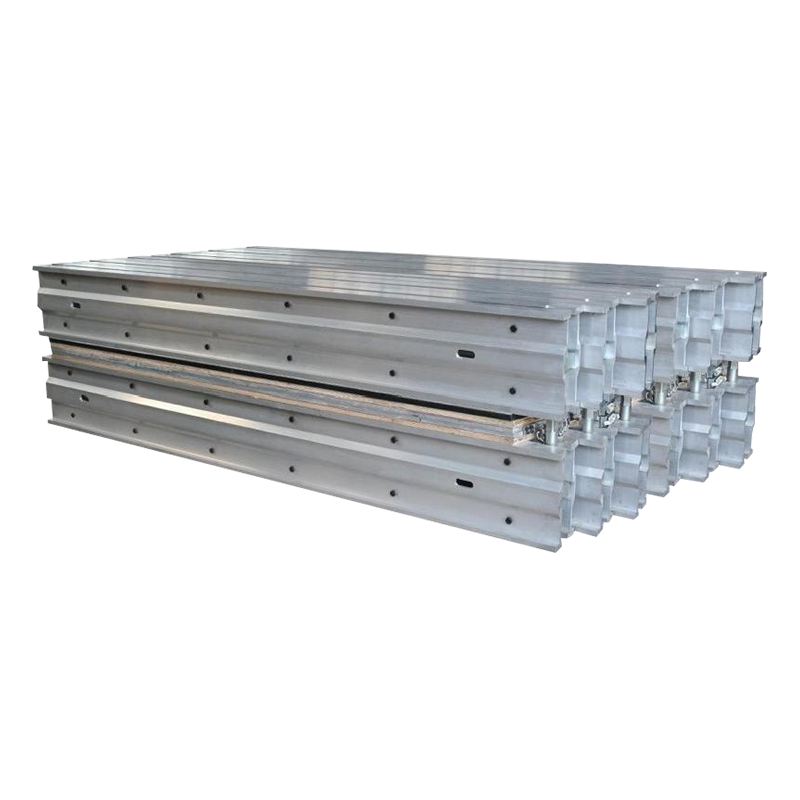 TXCK Electric Blanket Type Water-Cooled Vulcanizing Machine
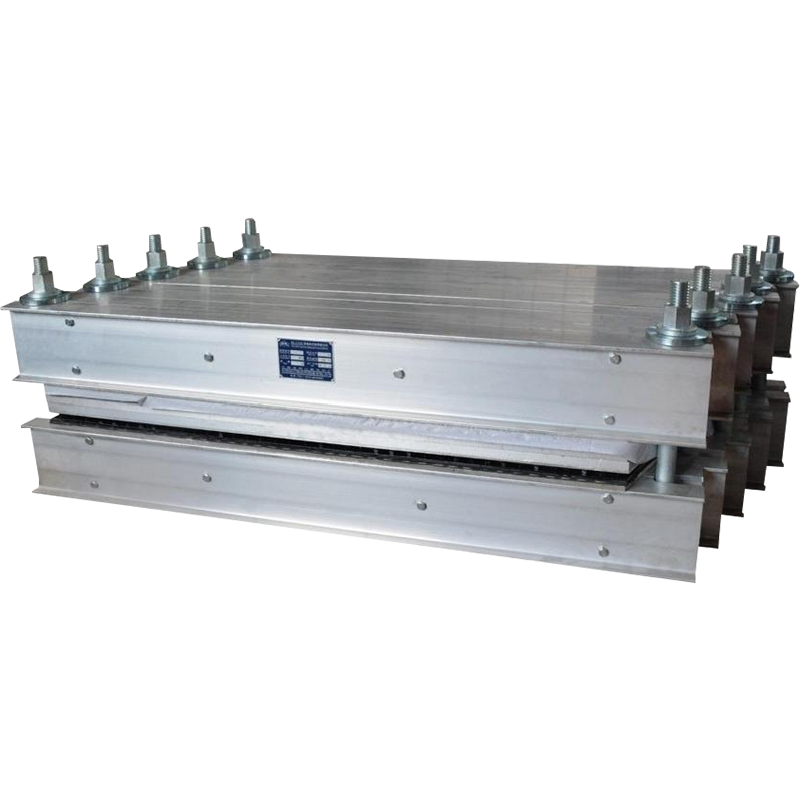 DJSL/DGLJL Water-Cooled Light Vulcanizing Machine
 Conveyor Belt Repair: Ensuring Optimal Performance and Longevity
 What is the Conveyor Belt Vulcanizing Machines?
 What is a Conveyor Belt Vulcanizing Machine and How Does It Work?
Conveyor Belt Repair Machines: How to Choose, Maintain, and Benefit from Them
What is a Conveyor Belt Vulcanizing Machine and How Does It Work?
Conveyor Belt Repair Machines: How to Choose, Maintain, and Benefit from Them
 +86-18915223007
  +86-0510-86336668
  [email protected]
  No.21, Hetang Central Street, Jiangyin City, Jiangsu Province
 Copyright © Jiangyin Tongxin Vulcanizing Machine Manufacturer Co., Ltd. All Rights Reserved.
OEM/ODM Belt Vulcanizer Accessories Manufacturers




 Eng
Eng  русский
 Home
Home