The temperature and pressure sensors in a Belt Vulcanizing Machine are typically highly accurate when properly calibrated and maintained. In most industrial-grade machines, temperature sensors (usually thermocouples or RTDs) maintain an accuracy of about ±1°C to ±3°C, while pressure sensors or hydraulic gauges generally operate within ±1% to ±2% of full scale. These levels of precision are sufficient to ensure consistent vulcanization quality, provided the machine is correctly set up and regularly maintained.
However, accuracy can vary depending on sensor quality, calibration frequency, environmental conditions, and machine design. High-end Belt Vulcanizing Machines may offer even tighter tolerances, especially those equipped with digital control systems and advanced monitoring.
A Belt Vulcanizing Machine typically integrates multiple sensors to monitor and control the vulcanization process. The most critical ones include temperature sensors and pressure sensors.
Temperature sensors in a Belt Vulcanizing Machine are commonly thermocouples or Resistance Temperature Detectors (RTDs). Thermocouples are robust and suitable for high-temperature environments, while RTDs provide higher accuracy and stability.
Pressure in a Belt Vulcanizing Machine is usually applied via hydraulic systems, and sensors or gauges monitor the applied force. These sensors ensure that uniform pressure is maintained across the belt surface.
Several factors can influence how accurately sensors perform in a Belt Vulcanizing Machine. Understanding these variables is essential for maintaining consistent results.
Calibration is critical to ensuring the sensors in a Belt Vulcanizing Machine maintain their stated accuracy. Without calibration, even high-quality sensors can produce unreliable readings.
For temperature sensors, calibration typically involves comparing readings against a certified reference thermometer at known temperature points. For pressure sensors, calibration is performed using a calibrated pressure source and reference gauge.
In industrial practice, it is recommended to calibrate sensors every 6 to 12 months, depending on usage intensity and operational conditions.
| Sensor Type | Technology | Typical Accuracy |
|---|---|---|
| Temperature Sensor | Thermocouple | ±2°C to ±3°C |
| Temperature Sensor | RTD | ±0.5°C to ±1°C |
| Pressure Sensor | Hydraulic Gauge | ±1% to ±2% FS |
| Pressure Sensor | Digital Transducer | ±0.5% to ±1% FS |
Accurate sensor readings in a Belt Vulcanizing Machine directly affect the quality of the vulcanized joint. If temperature is too low, the bonding process may be incomplete, leading to weak joints. If too high, it can damage the belt material.
Similarly, incorrect pressure readings can result in uneven bonding, air pockets, or structural inconsistencies. For example, a deviation of just 5% in applied pressure may lead to noticeable defects in heavy-duty conveyor belts.
Therefore, maintaining sensor accuracy is not just a technical concern but a critical factor in operational safety, product quality, and long-term durability of conveyor systems.
To ensure consistent performance of a Belt Vulcanizing Machine, users should follow best practices that help preserve sensor accuracy over time.
By following these practices, operators can significantly extend sensor lifespan and maintain reliable accuracy in the Belt Vulcanizing Machine.
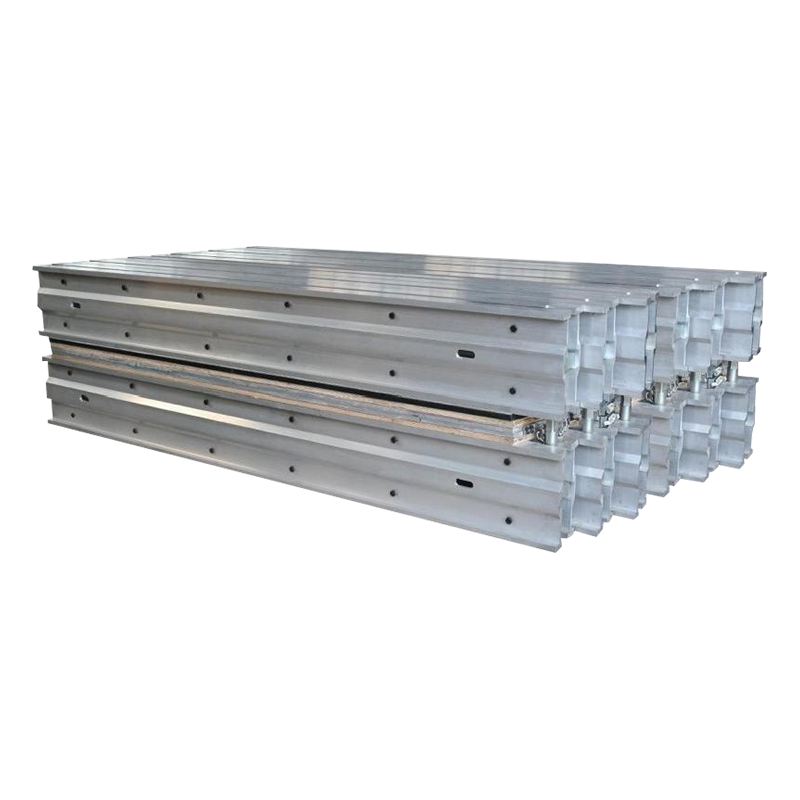 TXCK Electric Blanket Type Water-Cooled Vulcanizing Machine
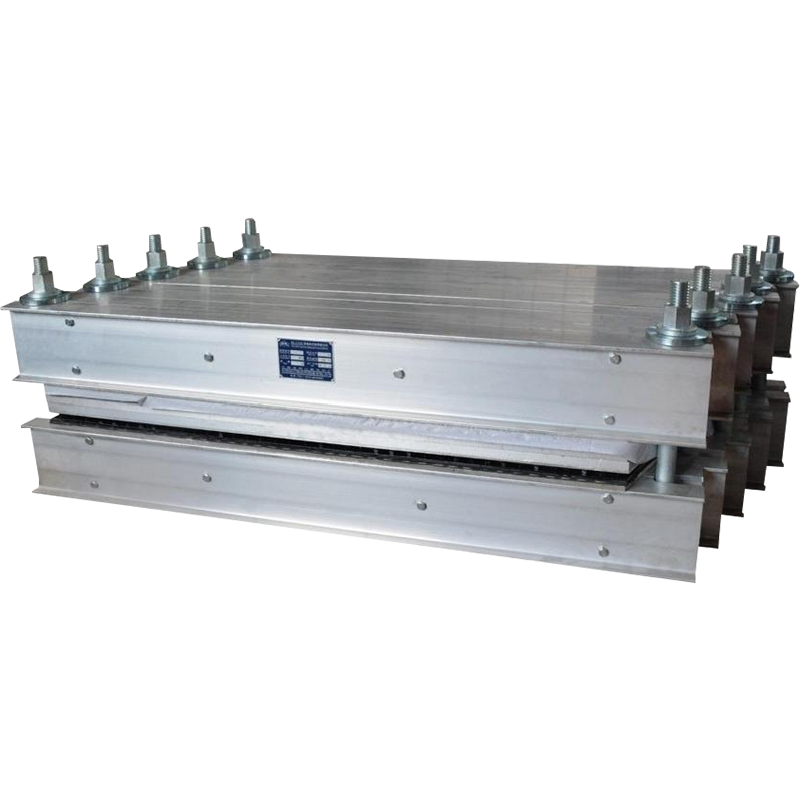 DJSL/DGLJL Water-Cooled Light Vulcanizing Machine
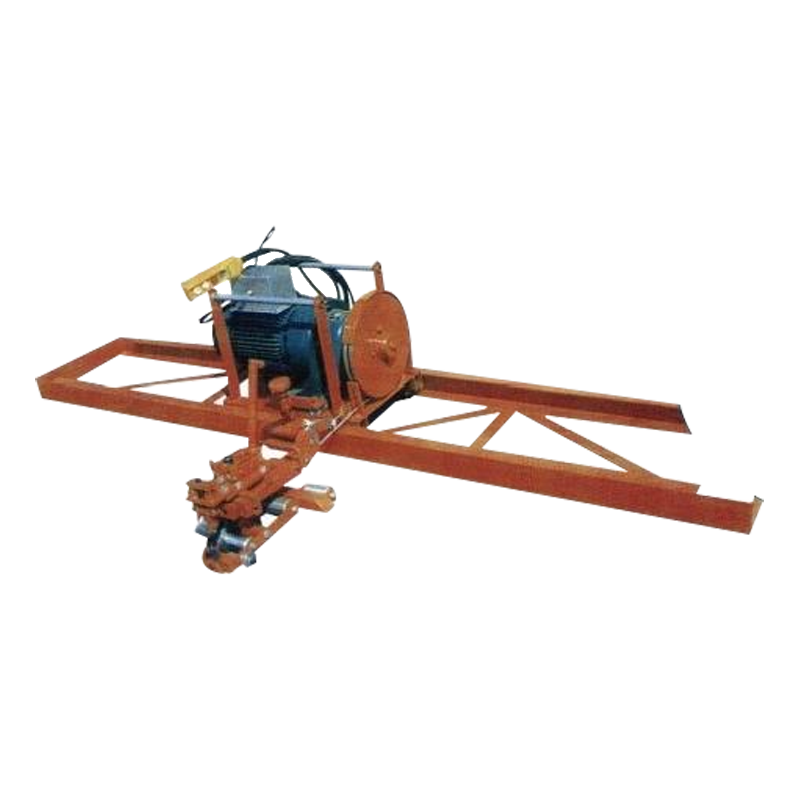 PBJ-2 Steel Wire Rope Conveyor Belt Peeling Machine
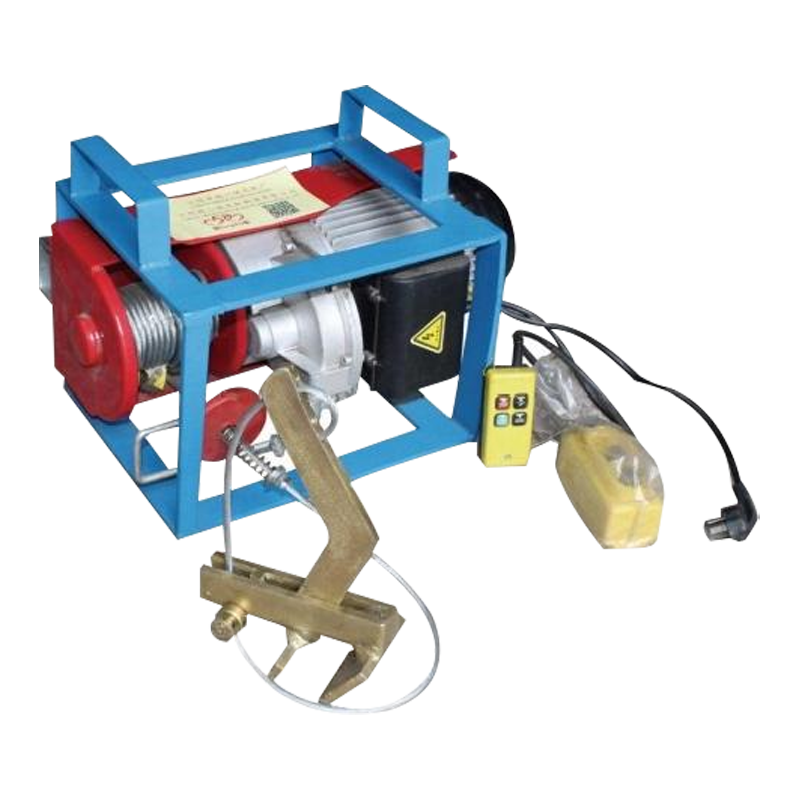 PBJ-4 Ordinary Conveyor Belt Peeling Machine
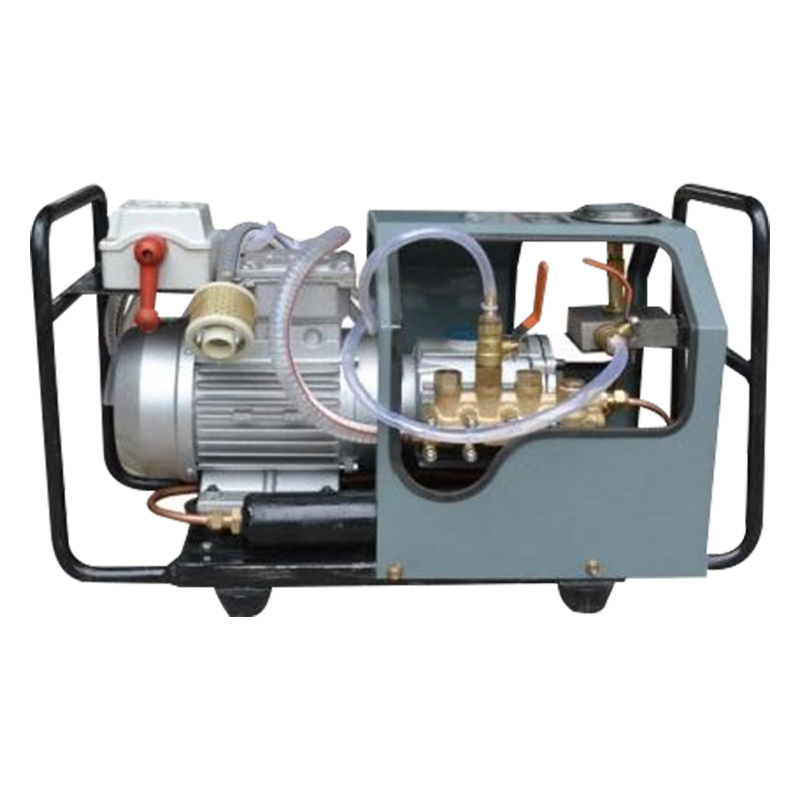 Conveyor Belt Repair: Ensuring Optimal Performance and Longevity
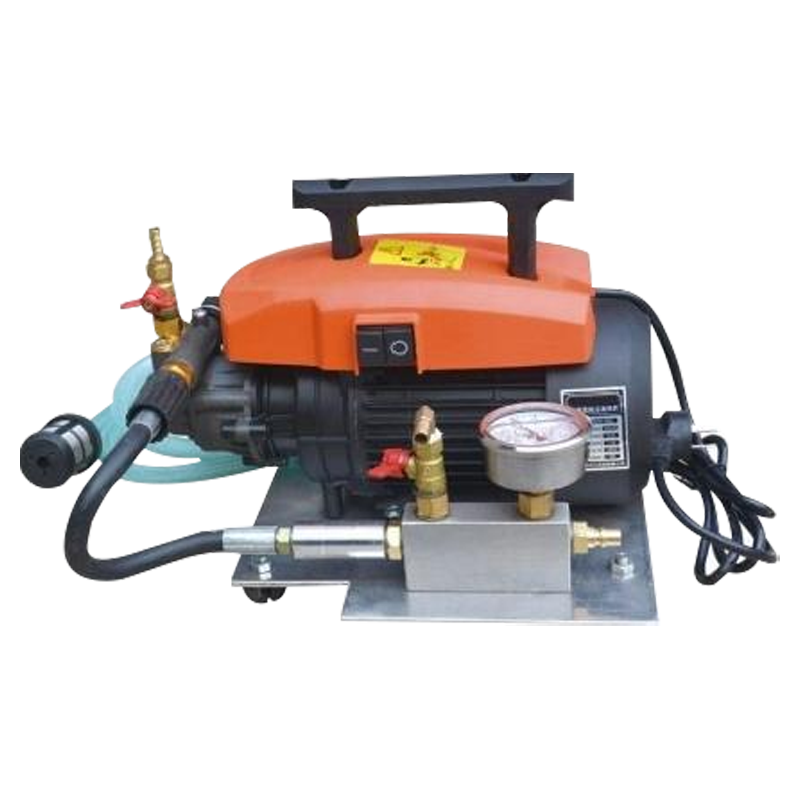 What is the Conveyor Belt Vulcanizing Machines?
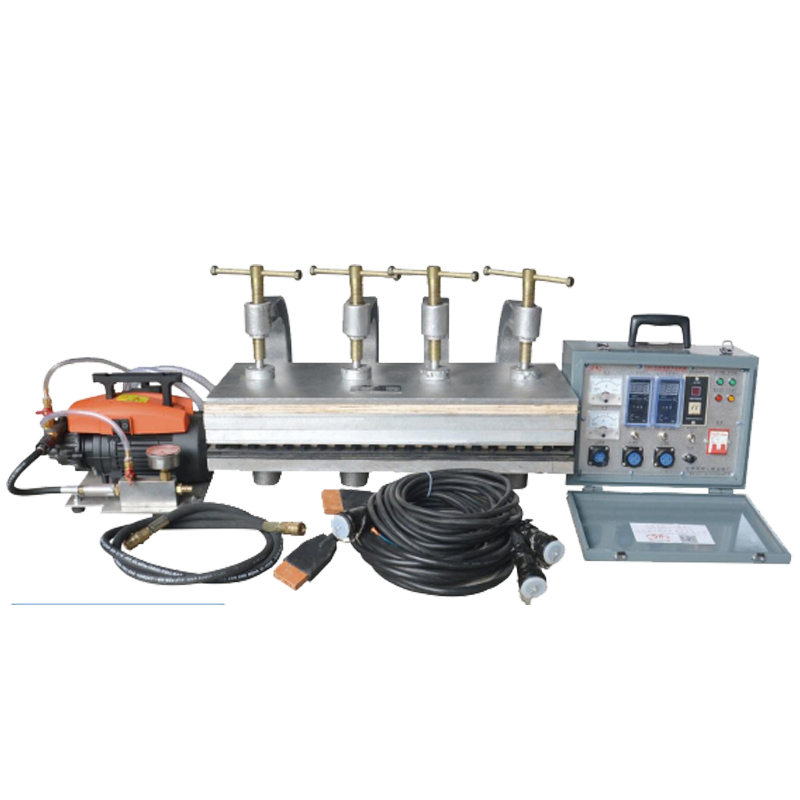 What is a Conveyor Belt Vulcanizing Machine and How Does It Work?
Conveyor Belt Repair Machines: How to Choose, Maintain, and Benefit from Them
What is a Conveyor Belt Vulcanizing Machine and How Does It Work?
Conveyor Belt Repair Machines: How to Choose, Maintain, and Benefit from Them
 +86-18915223007
  +86-0510-86336668
  [email protected]
  No.21, Hetang Central Street, Jiangyin City, Jiangsu Province
 Copyright © Jiangyin Tongxin Vulcanizing Machine Manufacturer Co., Ltd. All Rights Reserved.
OEM/ODM Belt Vulcanizer Accessories Manufacturers




 Eng
Eng  русский
 Home
Home