When repairing thick rubber conveyor belts, a Belt Vulcanizing Press generally delivers higher heating efficiency than a Belt Repair Machine because it provides more uniform heat distribution, larger heating areas, and greater pressure consistency across the entire repair zone. For conveyor belts exceeding 12 mm to 20 mm in thickness, the heating system of a vulcanizing press can typically maintain temperature variations within ±2°C to ±5°C, while many standard Belt Repair Machines may experience wider temperature fluctuations.
However, heating efficiency is not solely determined by maximum heat output. In localized damage repair, a Belt Repair Machine often provides faster setup, lower energy consumption, and shorter operational downtime. Therefore, for repairing small punctures, edge damage, or localized wear, a Belt Repair Machine can be the more efficient solution despite having a lower overall heating capacity than a Belt Vulcanizing Press.
Heating efficiency refers to how effectively a machine converts electrical energy into controlled thermal energy for rubber curing. In conveyor belt maintenance, proper heating directly influences bonding strength, curing quality, repair durability, and production downtime.
During Conveyor Belt Hot Vulcanizing, the repair area must reach a specific temperature range, commonly between 145°C and 160°C, while maintaining sufficient pressure for a designated curing period. Uneven heating can result in weak bonding, air pockets, incomplete curing, and premature belt failure.
A Belt Repair Machine is primarily designed for localized repairs. The heating plate typically focuses on a relatively small damaged area rather than the full width of the conveyor belt. This targeted approach allows technicians to quickly repair cuts, tears, gouges, and surface damage without dismantling large sections of the belt.
Most Belt Repair Machines use electric heating elements embedded within aluminum or steel heating plates. Because the heated zone is smaller, the machine can often reach operating temperature in 10 to 20 minutes, depending on ambient conditions and repair size.
The main advantage is concentrated thermal energy. Instead of heating unnecessary belt sections, the machine directs heat precisely where it is needed. This reduces energy waste and minimizes production interruptions.
A Belt Vulcanizing Press is engineered for larger repairs, belt splicing, and full-width Conveyor Belt Hot Vulcanizing applications. Its heating system is designed to distribute thermal energy evenly across extensive repair surfaces while simultaneously applying controlled pressure.
The heating platens in a vulcanizing press are significantly larger and often incorporate multiple temperature sensors. Advanced systems continuously monitor temperature throughout the curing process, ensuring uniform heat penetration through thick rubber layers and reinforcing materials.
This design makes the Belt Vulcanizing Press particularly effective for belts used in mining, aggregate processing, ports, power generation facilities, and heavy industrial operations.
| Factor | Belt Repair Machine | Belt Vulcanizing Press |
|---|---|---|
| Heat Distribution | Good for local repairs | Excellent over large areas |
| Heat Penetration | Moderate | Excellent |
| Temperature Stability | Good | Excellent |
| Setup Speed | Fast | Slower |
| Energy Consumption | Lower | Higher |
| Large Area Repairs | Limited | Highly Suitable |
Thick conveyor belts often contain multiple rubber layers, reinforcement fabrics, or steel cords. These materials create thermal resistance that slows heat transfer from the surface to the belt core.
For example, a 20 mm thick belt may require significantly longer heating times than an 8 mm belt. If the core temperature remains below the required vulcanization temperature, the repair may appear successful initially but fail under operational stress.
Belt Vulcanizing Press systems are specifically designed to overcome this challenge by combining heat and pressure over a larger area. As a result, they frequently achieve more consistent curing throughout the entire belt thickness.
Although a Belt Vulcanizing Press generally provides better heating performance, it does not always deliver better energy efficiency. Large heating platens naturally consume more electricity because a larger volume of metal and rubber must be heated.
In contrast, a Belt Repair Machine focuses thermal energy only on the damaged section. For small repairs, energy consumption can be reduced substantially while still achieving reliable repair quality.
Therefore, users should distinguish between heating effectiveness and energy efficiency. A machine can consume more energy while delivering superior heating performance, or consume less energy while remaining the most economical choice for localized repairs.
For thick rubber conveyor belts, the Belt Vulcanizing Press typically delivers the highest heating efficiency because of its superior heat distribution, deeper heat penetration, and more precise temperature control. These characteristics make it the preferred option for demanding Conveyor Belt Hot Vulcanizing applications and large-scale repairs.
Nevertheless, a Belt Repair Machine remains highly effective for localized maintenance tasks. Its faster setup, lower energy consumption, and targeted heating design often provide the most practical solution for routine conveyor belt repairs. The best choice ultimately depends on repair size, belt thickness, downtime requirements, and desired repair longevity.
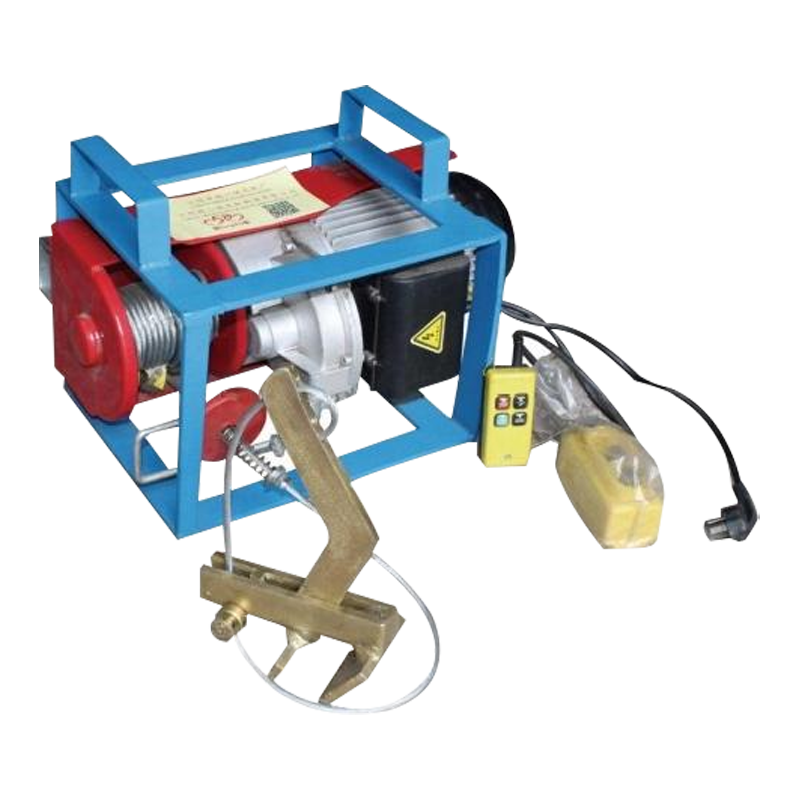 PBJ-4 Ordinary Conveyor Belt Peeling Machine
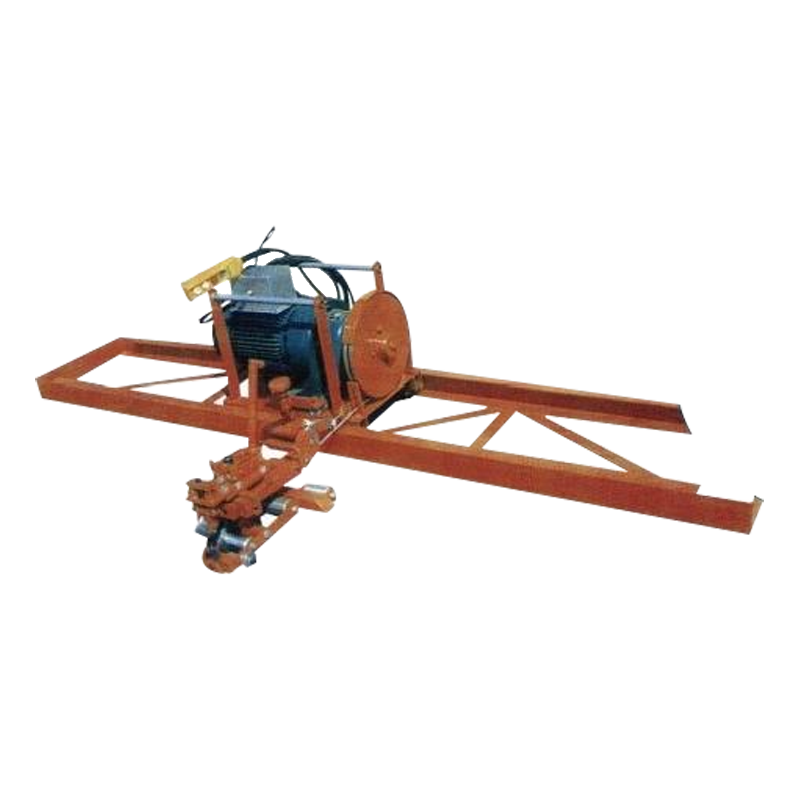 PBJ-2 Steel Wire Rope Conveyor Belt Peeling Machine
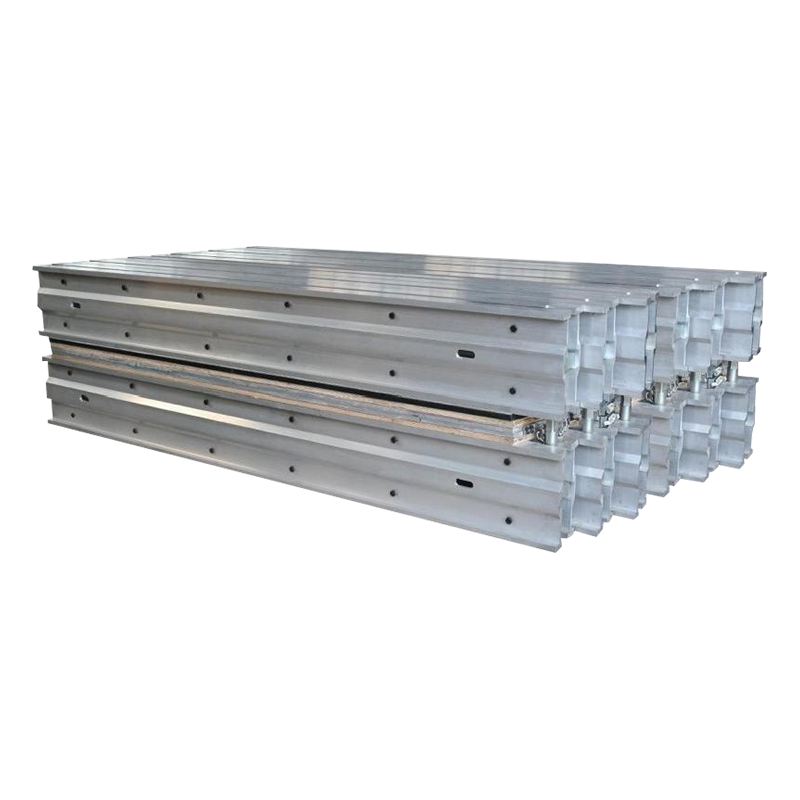 TXCK Electric Blanket Type Water-Cooled Vulcanizing Machine
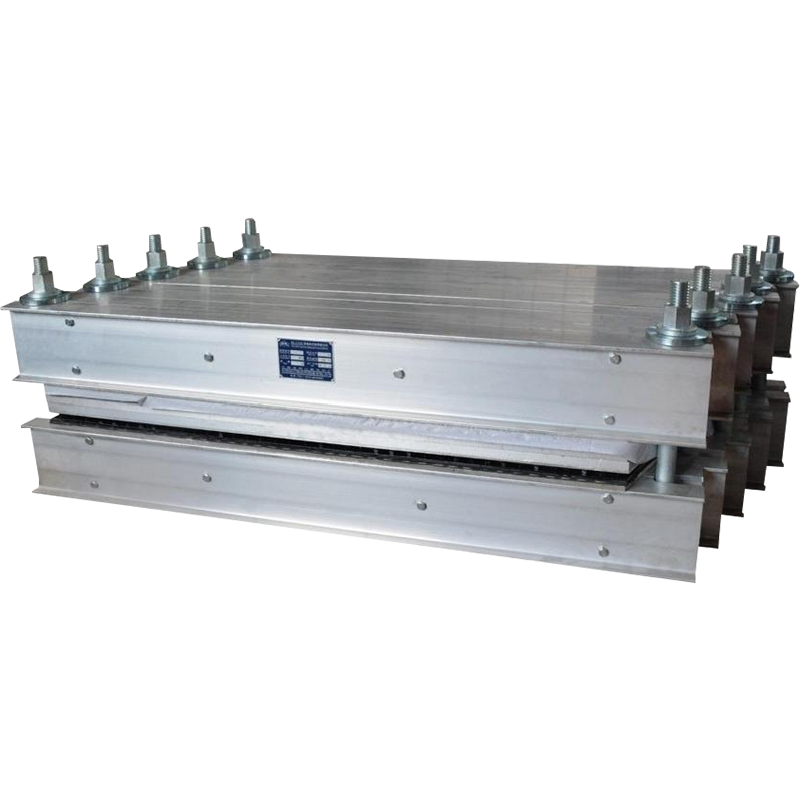 DJSL/DGLJL Water-Cooled Light Vulcanizing Machine
 Conveyor Belt Repair: Ensuring Optimal Performance and Longevity
 What is the Conveyor Belt Vulcanizing Machines?
 What is a Conveyor Belt Vulcanizing Machine and How Does It Work?
Conveyor Belt Repair Machines: How to Choose, Maintain, and Benefit from Them
What is a Conveyor Belt Vulcanizing Machine and How Does It Work?
Conveyor Belt Repair Machines: How to Choose, Maintain, and Benefit from Them
 +86-18915223007
  +86-0510-86336668
  [email protected]
  No.21, Hetang Central Street, Jiangyin City, Jiangsu Province
 Copyright © Jiangyin Tongxin Vulcanizing Machine Manufacturer Co., Ltd. All Rights Reserved.
OEM/ODM Belt Vulcanizer Accessories Manufacturers




 Eng
Eng  русский
 Home
Home