The bonding strength produced by a Belt Vulcanizing Machine is generally highly consistent and comparable to hydraulic vulcanizers, while often delivering more stable pressure distribution than pneumatic systems in long-duration operations. In most industrial scenarios, modern belt vulcanizing equipment achieves joint bonding strengths ranging from 85% to 95% of the original belt tensile strength, depending on material type, temperature control, and curing time.
Compared with hydraulic systems, the Belt Vulcanizing Machine excels in uniform heat distribution, while pneumatic systems may provide faster setup but slightly lower long-cycle bonding stability. Overall, the choice depends on operational requirements such as precision, speed, and maintenance conditions.
The bonding strength generated by a Belt Vulcanizing Machine is influenced by heat, pressure, and curing duration. The machine uses controlled thermal plates and mechanical pressure to fuse rubber layers at a molecular level, forming a durable belt joint.
Even heat distribution is critical. Most modern belt vulcanizing equipment maintains temperatures between 140°C and 180°C, ensuring proper rubber cross-linking. Uneven heating may reduce bonding strength by up to 15%.
Uniform pressure ensures that the rubber layers are compressed evenly. The Belt Vulcanizing Machine typically applies pressure between 0.8 MPa and 2.0 MPa, which is sufficient for strong molecular bonding.
When evaluating bonding strength performance, hydraulic and pneumatic systems show distinct operational differences compared to a Belt Vulcanizing Machine.
| System Type | Bonding Strength | Pressure Stability | Best Application |
|---|---|---|---|
| Belt Vulcanizing Machine | 85%–95% of original belt strength | High and uniform | Heavy-duty conveyor systems |
| Hydraulic Vulcanizer | 80%–92% | Very stable | Precision industrial belts |
| Pneumatic Vulcanizer | 75%–88% | Moderate | Light-duty field repairs |
This comparison shows that belt vulcanizing equipment tends to offer the most balanced performance in bonding strength and operational reliability, especially in continuous industrial environments.
Several operational parameters directly influence the final bonding strength achieved by a Belt Vulcanizing Machine.
Modern belt vulcanizing equipment integrates digital controllers to maintain stable operating conditions, reducing human error and improving bonding reliability.
In mining, logistics, and manufacturing sectors, the Belt Vulcanizing Machine is widely used due to its strong bonding performance and field adaptability.
In these environments, bonding reliability is more important than speed alone, making the Belt Vulcanizing Machine a preferred choice over pneumatic alternatives.
To maximize the performance of belt vulcanizing equipment, operators should follow several optimization practices.
By applying these methods, bonding strength can be improved by up to 12%–18%, significantly extending belt lifespan and reducing maintenance costs.
Modern belt vulcanizing equipment provides a robust balance between durability, efficiency, and bonding performance, making it a core asset in industrial belt maintenance systems.
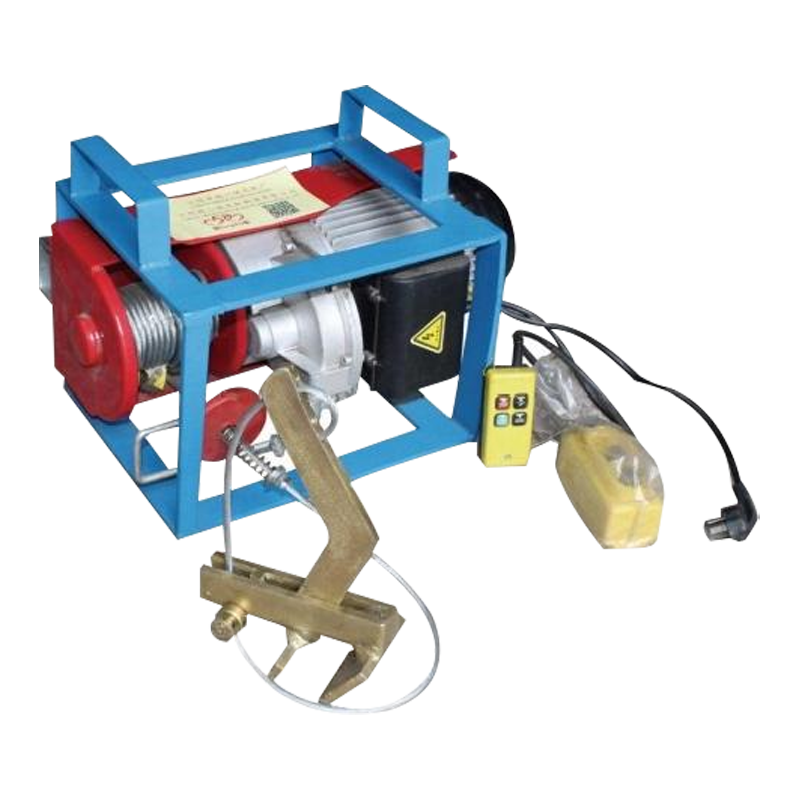 PBJ-4 Ordinary Conveyor Belt Peeling Machine
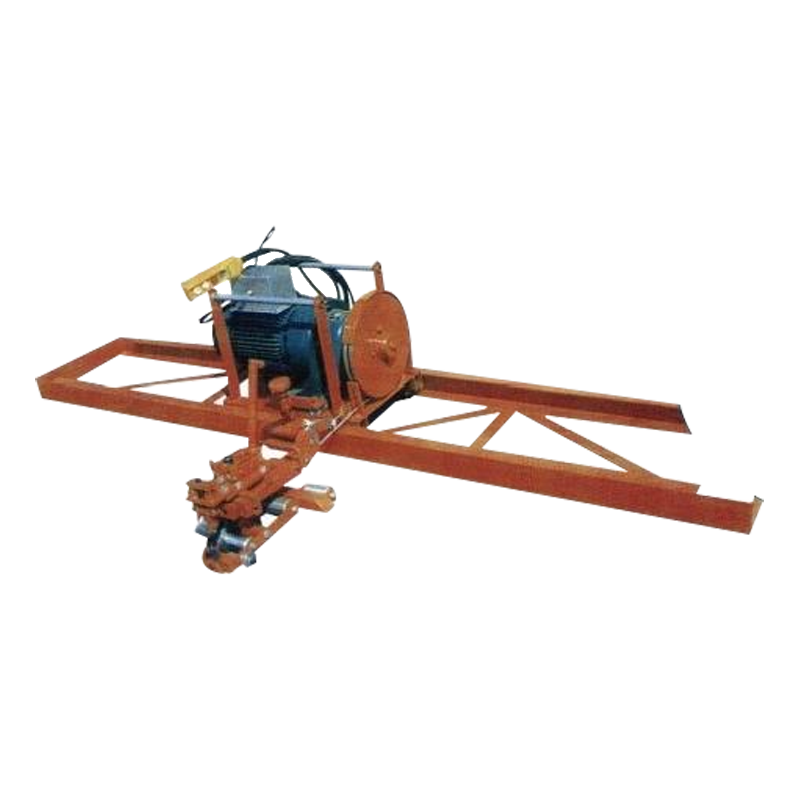 PBJ-2 Steel Wire Rope Conveyor Belt Peeling Machine
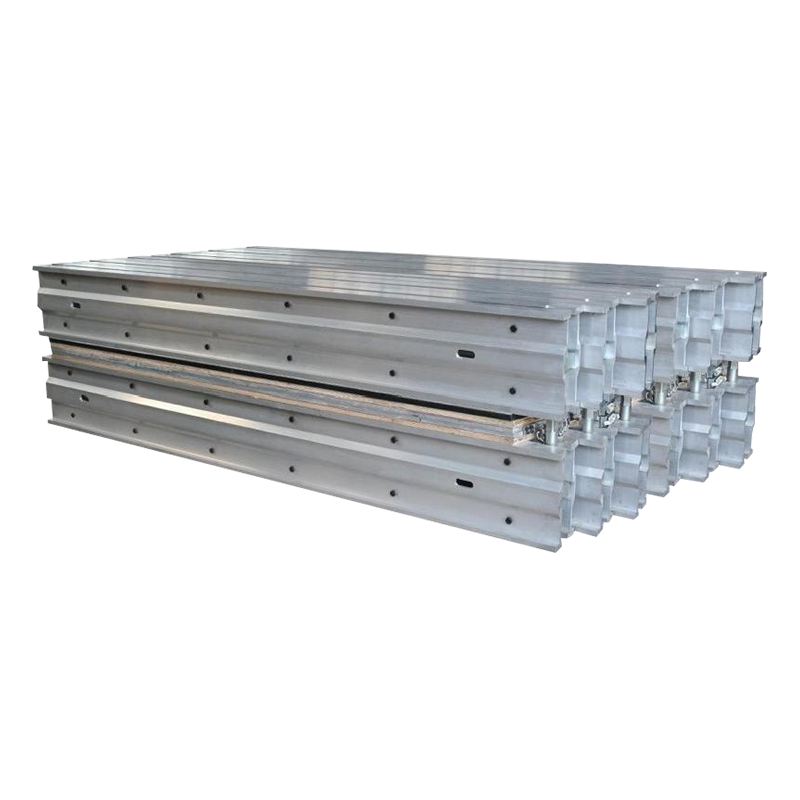 TXCK Electric Blanket Type Water-Cooled Vulcanizing Machine
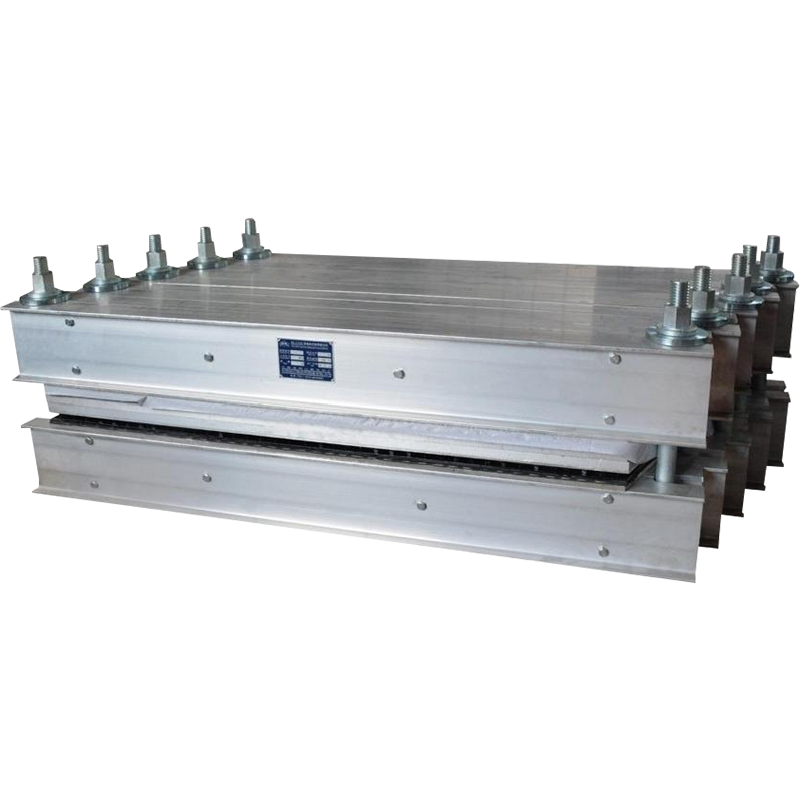 DJSL/DGLJL Water-Cooled Light Vulcanizing Machine
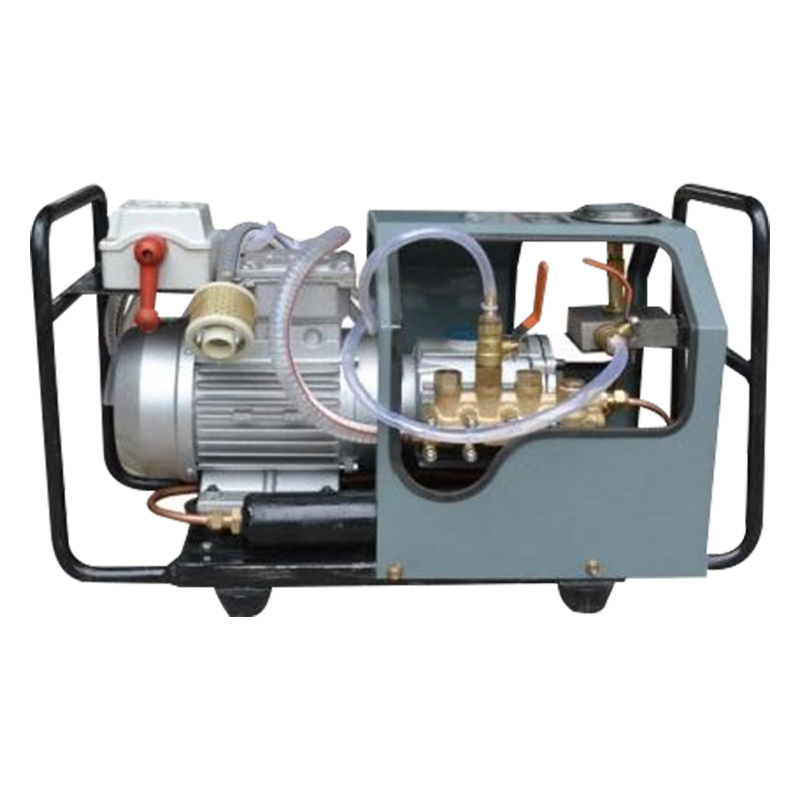 Conveyor Belt Repair: Ensuring Optimal Performance and Longevity
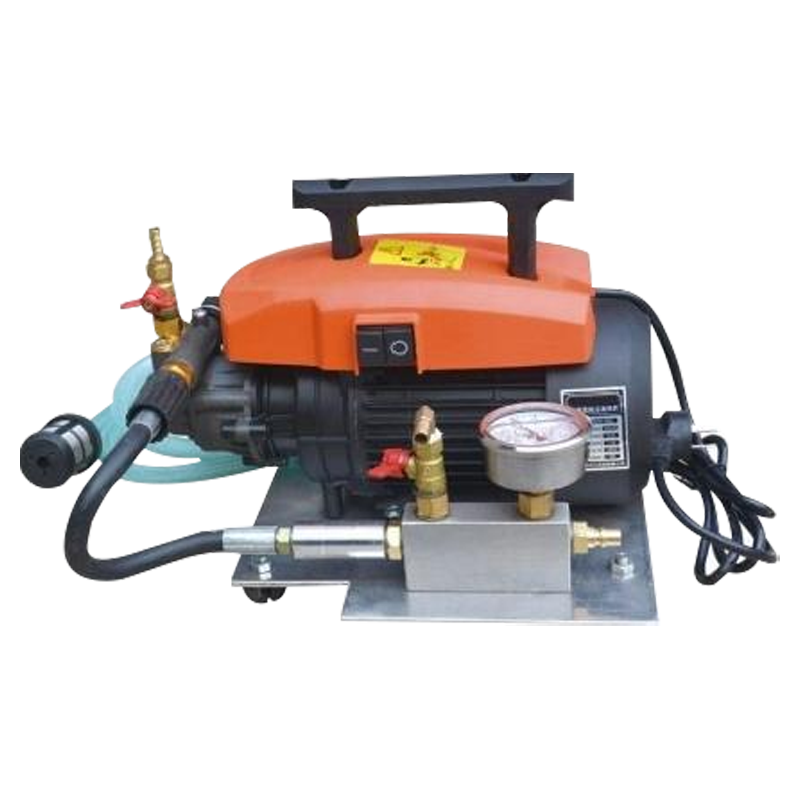 What is the Conveyor Belt Vulcanizing Machines?
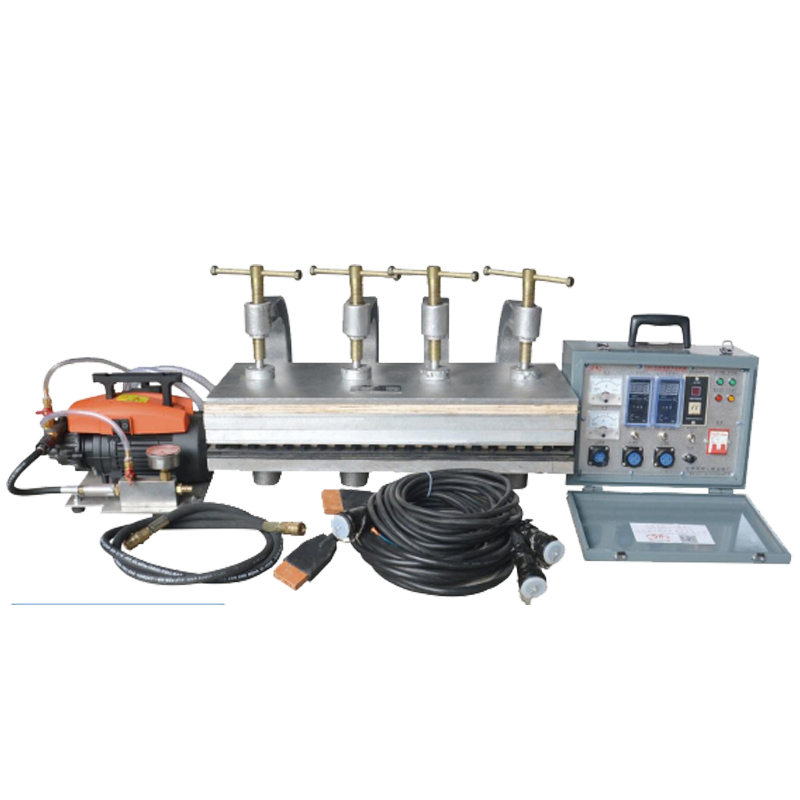 What is a Conveyor Belt Vulcanizing Machine and How Does It Work?
Conveyor Belt Repair Machines: How to Choose, Maintain, and Benefit from Them
What is a Conveyor Belt Vulcanizing Machine and How Does It Work?
Conveyor Belt Repair Machines: How to Choose, Maintain, and Benefit from Them
 +86-18915223007
  +86-0510-86336668
  [email protected]
  No.21, Hetang Central Street, Jiangyin City, Jiangsu Province
 Copyright © Jiangyin Tongxin Vulcanizing Machine Manufacturer Co., Ltd. All Rights Reserved.
OEM/ODM Belt Vulcanizer Accessories Manufacturers




 Eng
Eng  русский
 Home
Home