When selecting a Vulcanizing Machine for large-scale manufacturing, the most critical factors to compare are production capacity, temperature control accuracy, pressure consistency, automation level, energy efficiency, maintenance requirements, and long-term operating costs. A machine that delivers stable temperature and pressure while supporting high-volume output will generally provide the best return on investment.
Large-scale production environments demand equipment that can operate continuously, maintain product quality, and minimize downtime. Choosing a Vulcanizing Machine based solely on purchase price can lead to increased operational expenses, lower production efficiency, and higher maintenance costs over time. Manufacturers should therefore evaluate performance metrics, technical specifications, and lifecycle costs before making a final decision.
Production capacity should be one of the first criteria examined when comparing a Vulcanizing Machine. The machine must be capable of meeting both current demand and future expansion plans without creating bottlenecks.
For example, a facility producing 10,000 rubber components per day requires significantly different equipment than a facility producing 50,000 components daily. A larger machine may have a higher initial cost but can reduce labor expenses and increase throughput over time.
A machine operating at 90% capacity consistently is often more efficient than a smaller machine running at full capacity around the clock.
Vulcanization is highly dependent on precise temperature management. Even minor temperature fluctuations can affect curing quality, material properties, and product consistency.
Modern Vulcanizing Machine systems often maintain temperature accuracy within ±1°C, while older or less advanced systems may fluctuate by ±5°C or more. Such variations can increase scrap rates and reduce product reliability.
Alongside temperature, pressure plays a crucial role in achieving successful vulcanization. Uneven pressure distribution can cause incomplete curing, dimensional inconsistencies, and premature product failure.
When evaluating a Vulcanizing Machine, compare maximum pressure ratings, pressure distribution systems, and control mechanisms. Hydraulic systems are often preferred in large-scale manufacturing because they provide stable and repeatable force across large mold surfaces.
Automation significantly affects productivity and labor costs. Advanced Vulcanizing Machine models include programmable control systems that automate heating, pressure regulation, timing, and safety monitoring.
Automated systems reduce human error and improve process consistency. They also enable production data collection, allowing managers to monitor performance and identify efficiency improvements.
| Factor | Manual System | Automated System |
|---|---|---|
| Labor Requirement | High | Low |
| Process Consistency | Moderate | High |
| Production Efficiency | Moderate | High |
Energy consumption can represent a significant percentage of total production costs. A Vulcanizing Machine operating continuously may consume thousands of kilowatt-hours annually.
Manufacturers should compare heating technologies, insulation quality, heat recovery systems, and standby power consumption. While energy-efficient equipment often costs more initially, the savings accumulated over years of operation can be substantial.
Reducing energy consumption by just 10% can save thousands of dollars annually in high-volume manufacturing facilities.
Downtime is one of the most expensive challenges in manufacturing. Every hour of lost production can result in missed deadlines and increased costs.
Compare maintenance intervals, replacement part availability, diagnostic systems, and overall equipment reliability. A Vulcanizing Machine designed for easy maintenance can reduce service time and improve uptime.
Different industries require different vulcanization processes. The selected Vulcanizing Machine should match the dimensions, materials, and production methods used in the facility.
For conveyor system maintenance and belt manufacturing operations, a belt vulcanizing machine may be the preferred solution. Unlike general-purpose equipment, a belt vulcanizing machine is specifically designed to create durable and uniform belt joints while maintaining precise pressure and temperature across large surface areas.
Facilities that process long conveyor belts often compare a belt vulcanizing machine with standard Vulcanizing Machine configurations to determine which option offers better productivity and joint quality.
Safety should never be overlooked when evaluating industrial equipment. Modern Vulcanizing Machine systems often include emergency stop functions, pressure relief systems, temperature alarms, and protective enclosures.
These features not only protect operators but also reduce the likelihood of equipment damage and production interruptions. Compliance with applicable safety standards can also simplify inspections and workplace audits.
The purchase price represents only a fraction of the total investment. Decision-makers should calculate the complete lifecycle cost of a Vulcanizing Machine before making a purchase.
| Cost Category | Impact Level |
|---|---|
| Initial Purchase | Medium |
| Energy Consumption | High |
| Maintenance | High |
| Downtime Risk | Very High |
A machine with a higher purchase price but lower energy usage, fewer repairs, and better productivity often delivers superior long-term value compared with a lower-cost alternative.
Selecting the right Vulcanizing Machine requires balancing technical performance, production goals, operating expenses, and future growth requirements. Companies should compare production capacity, temperature precision, pressure stability, automation capabilities, maintenance demands, safety systems, and lifecycle costs before making a final decision.
For specialized conveyor applications, evaluating whether a dedicated belt vulcanizing machine provides better operational efficiency than a general-purpose Vulcanizing Machine is equally important. The best choice is the machine that consistently delivers high-quality vulcanization, minimizes downtime, supports production targets, and achieves the lowest total cost of ownership over its operational lifespan.
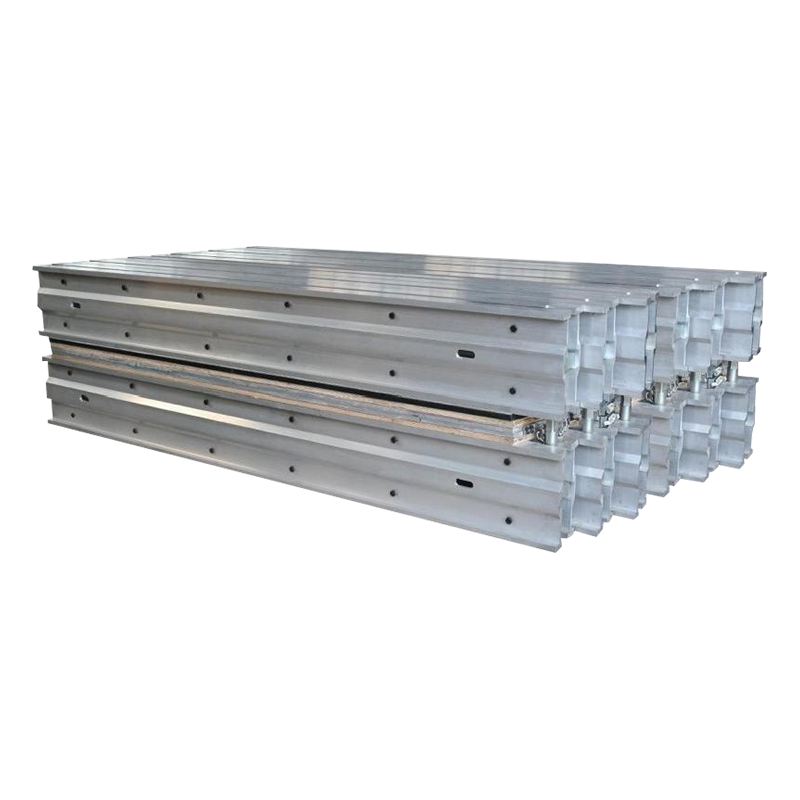 TXCK Electric Blanket Type Water-Cooled Vulcanizing Machine
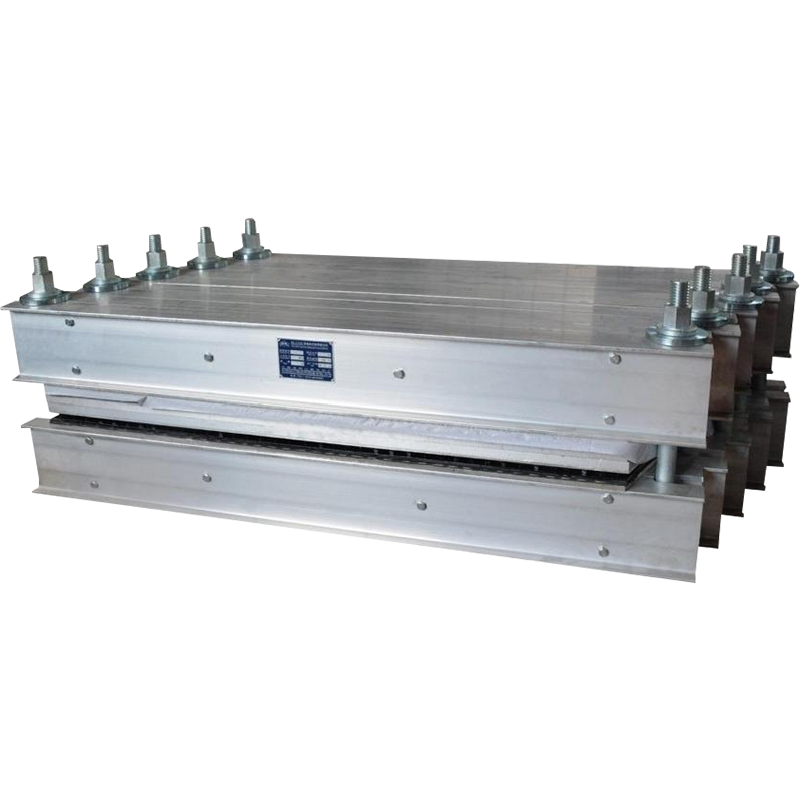 DJSL/DGLJL Water-Cooled Light Vulcanizing Machine
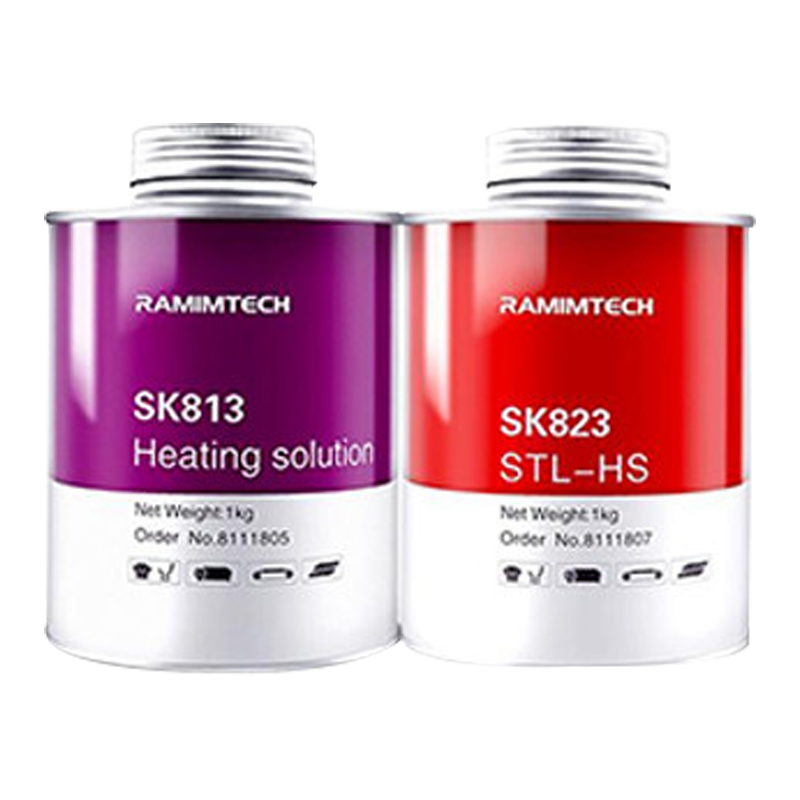 TXL-95 Hot Vulcanized Rubber Slurry for Conveyor Belts
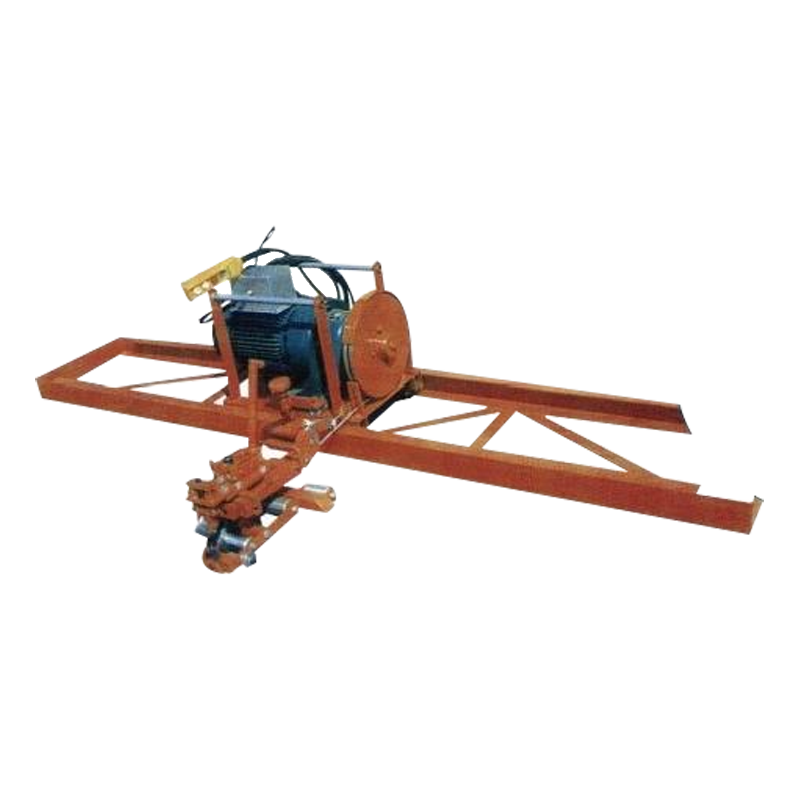 PBJ-2 Steel Wire Rope Conveyor Belt Peeling Machine
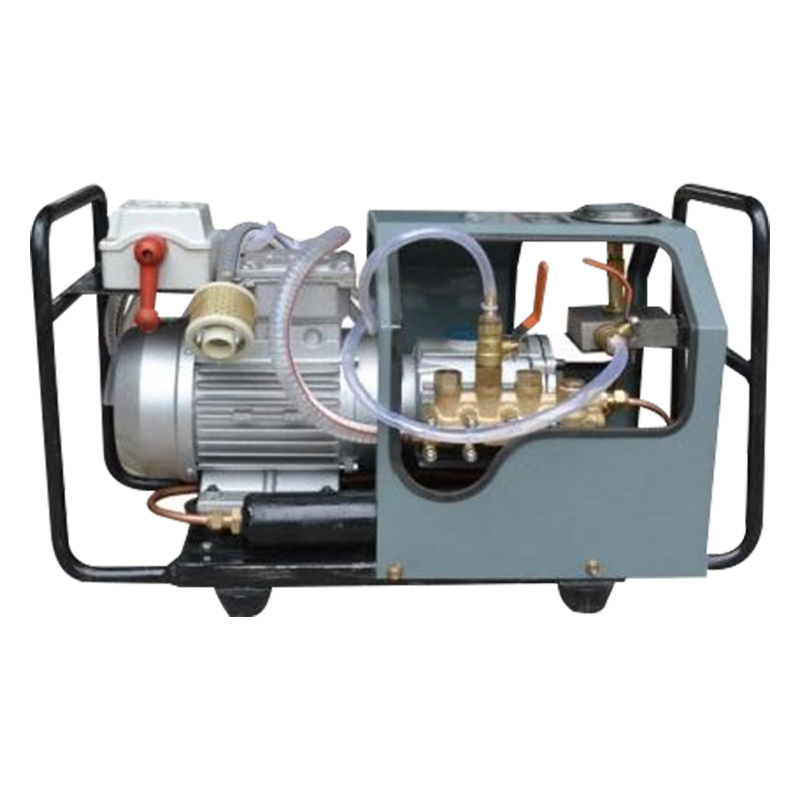 Conveyor Belt Repair: Ensuring Optimal Performance and Longevity
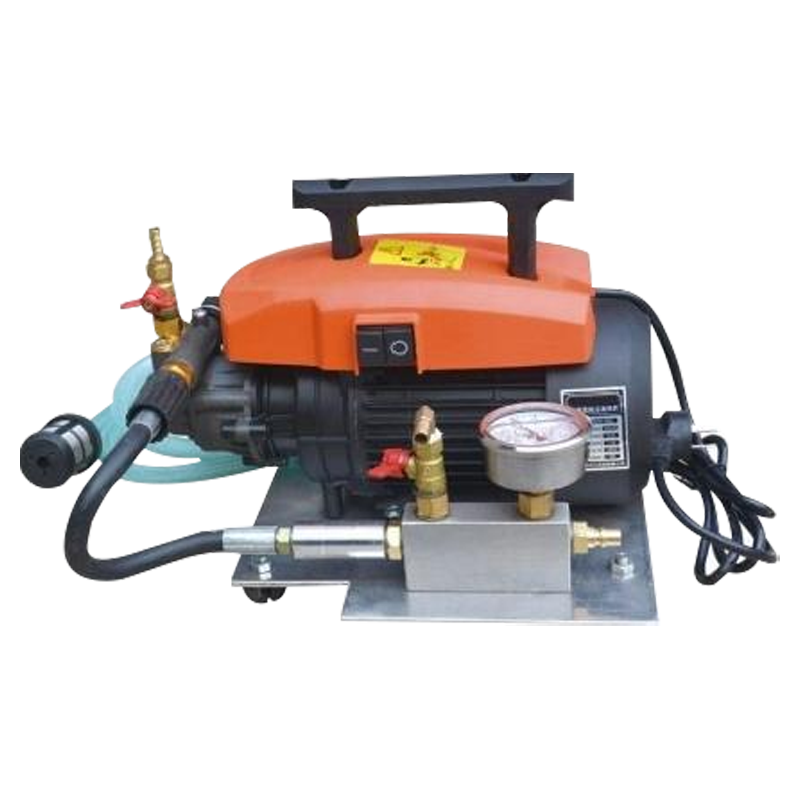 What is the Conveyor Belt Vulcanizing Machines?
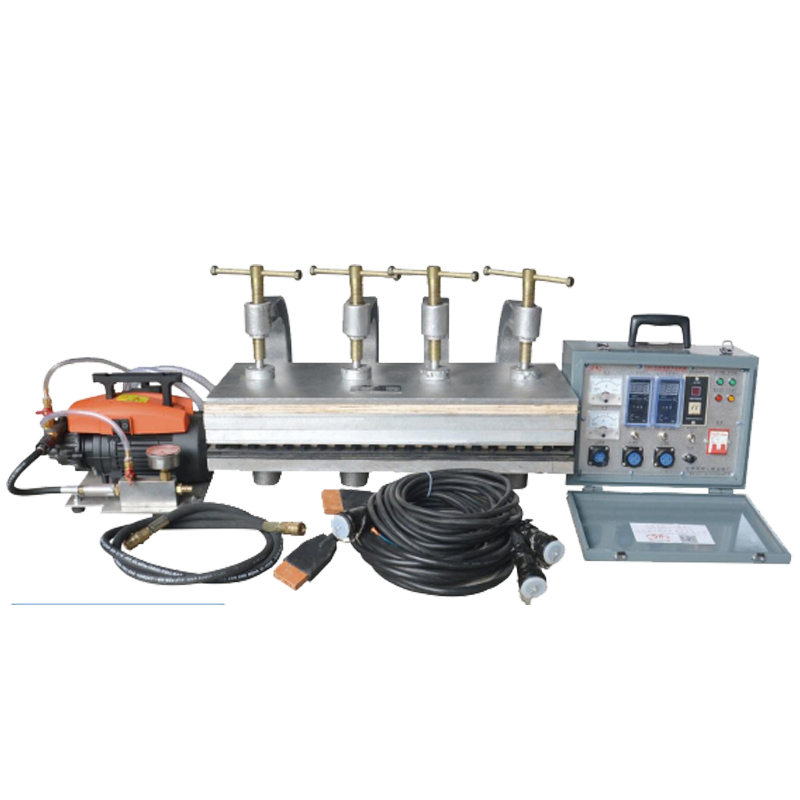 What is a Conveyor Belt Vulcanizing Machine and How Does It Work?
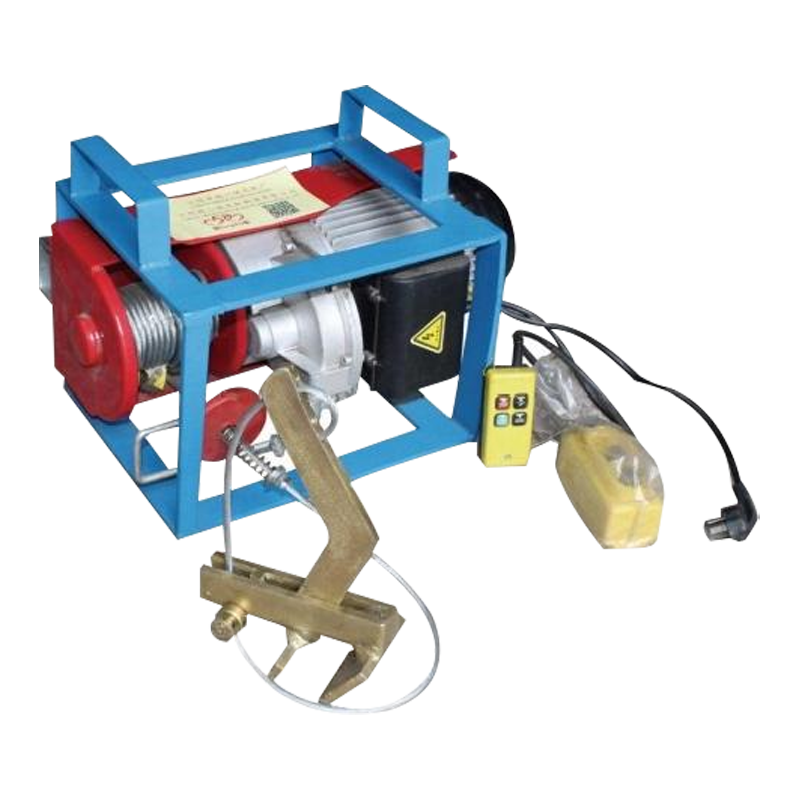 Conveyor Belt Repair Machines: How to Choose, Maintain, and Benefit from Them
 +86-18915223007
  +86-0510-86336668
  [email protected]
  No.21, Hetang Central Street, Jiangyin City, Jiangsu Province
 Copyright © Jiangyin Tongxin Vulcanizing Machine Manufacturer Co., Ltd. All Rights Reserved.
OEM/ODM Belt Vulcanizer Accessories Manufacturers




 Eng
Eng  русский
 Home
Home